Irish Mob Portraits, South Boston 1985
Nine photos of you in one setting
How your model is created from your photos
Every pack on Narcis, made with your face
Nine photographs of you in one setting: one pack of the Narcis catalogue.
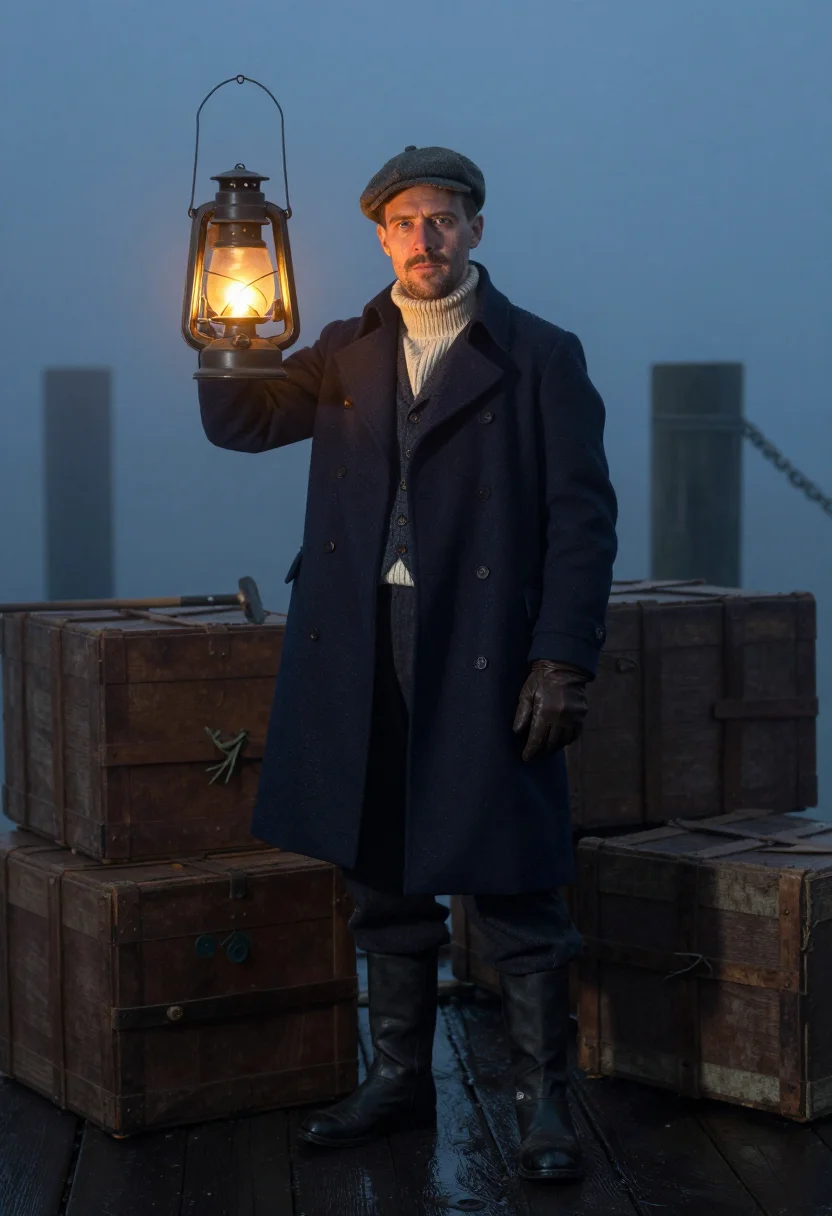
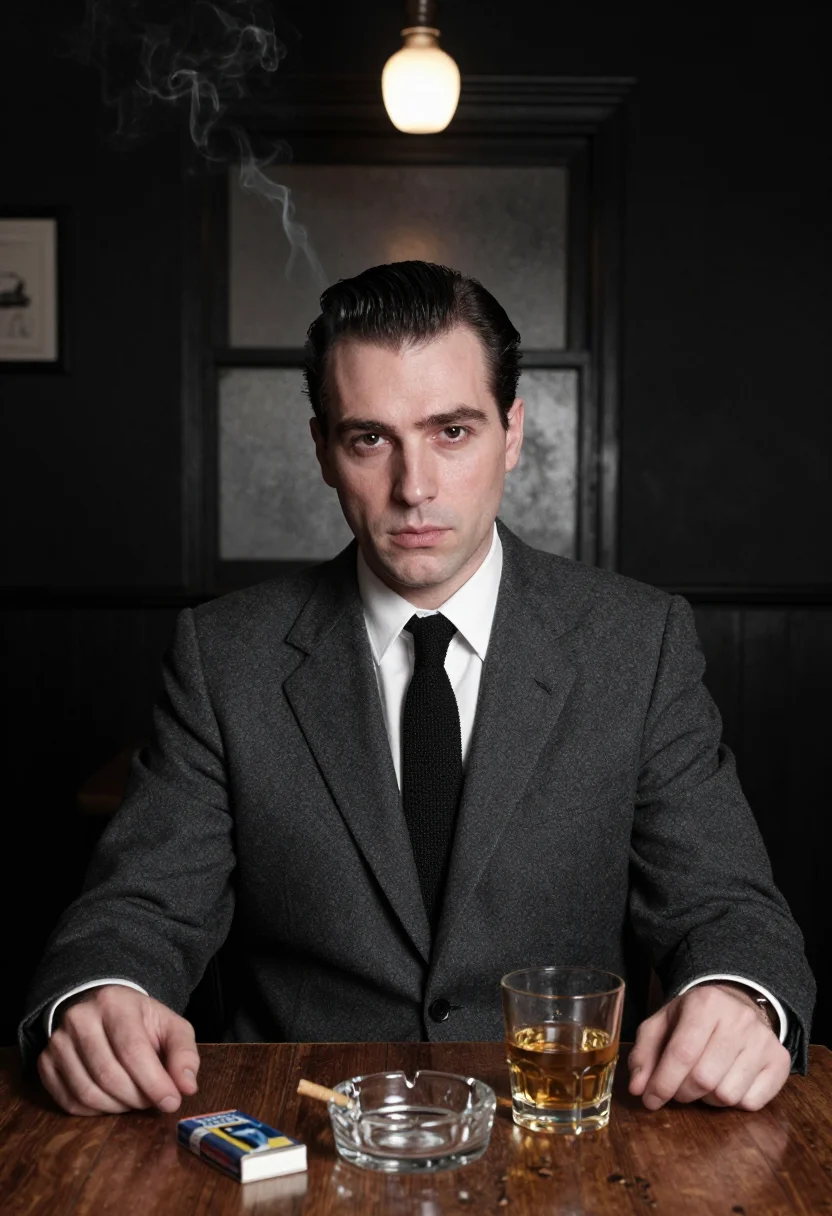
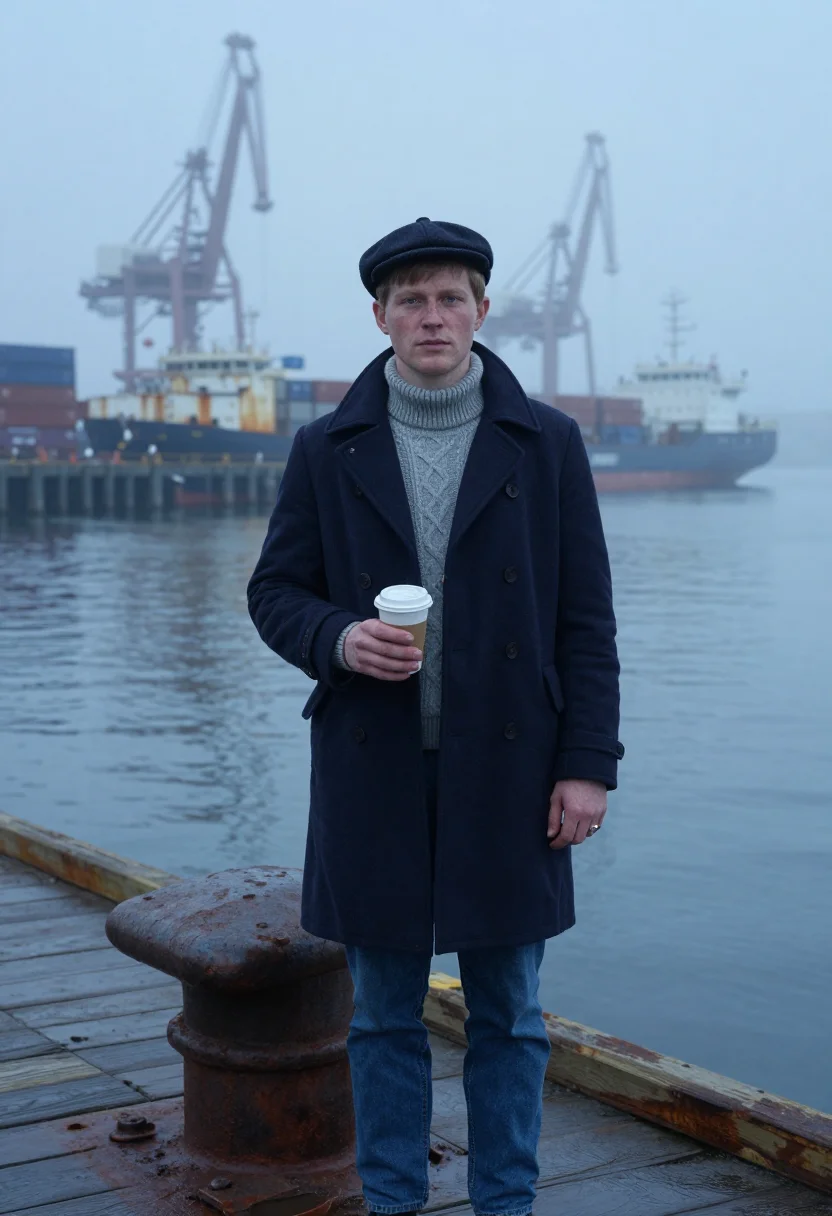
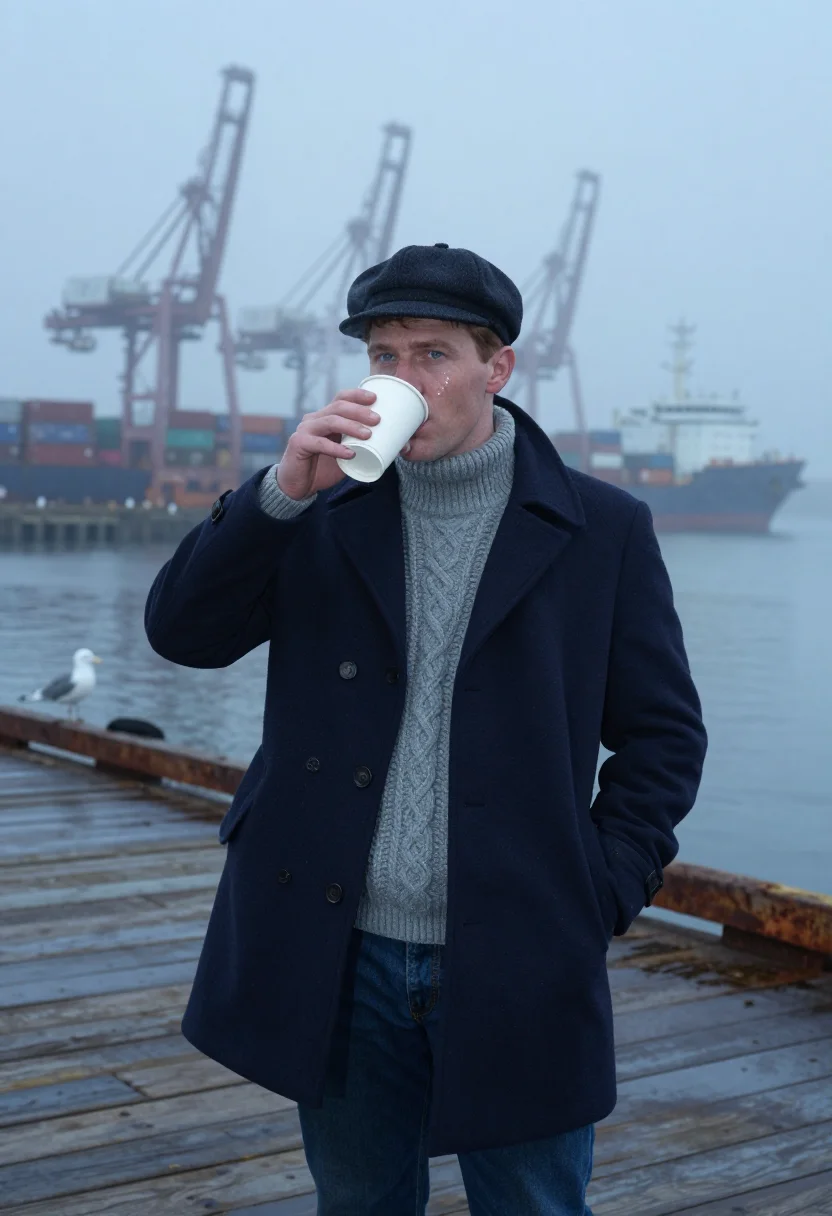
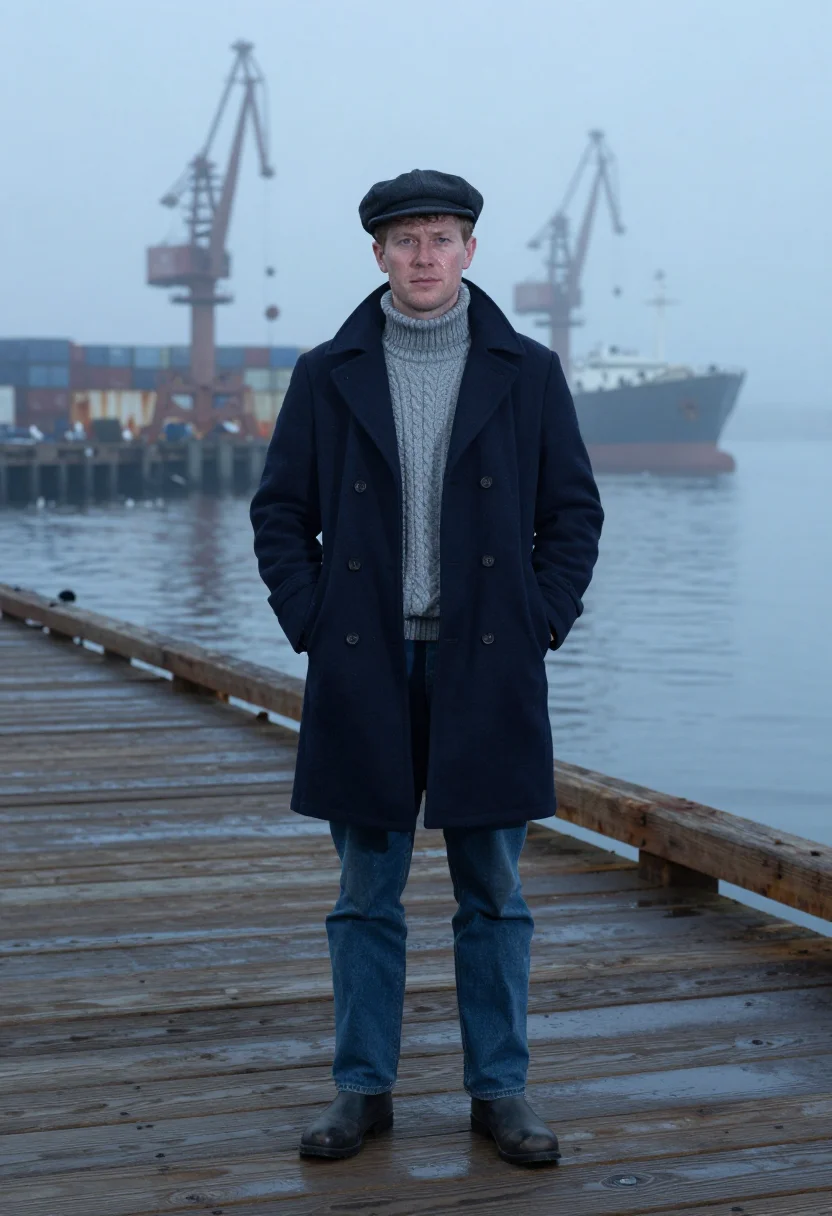
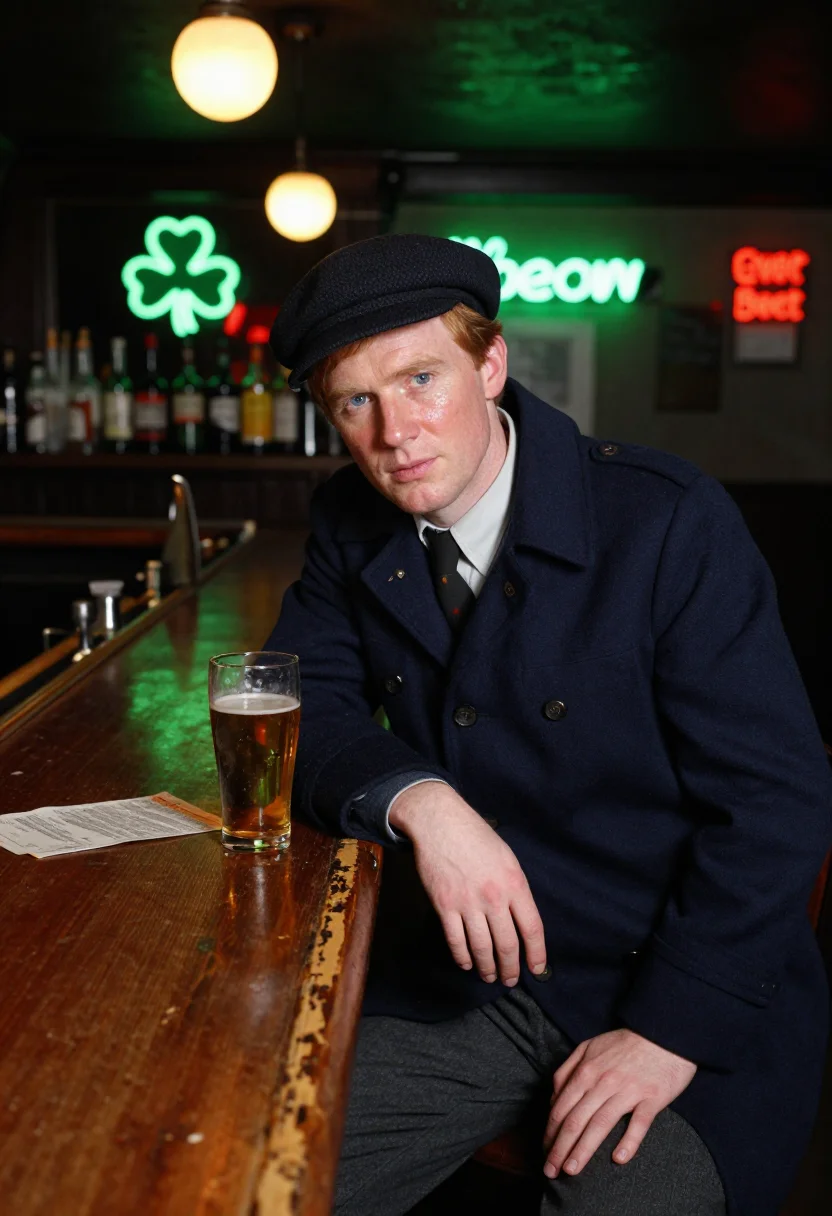
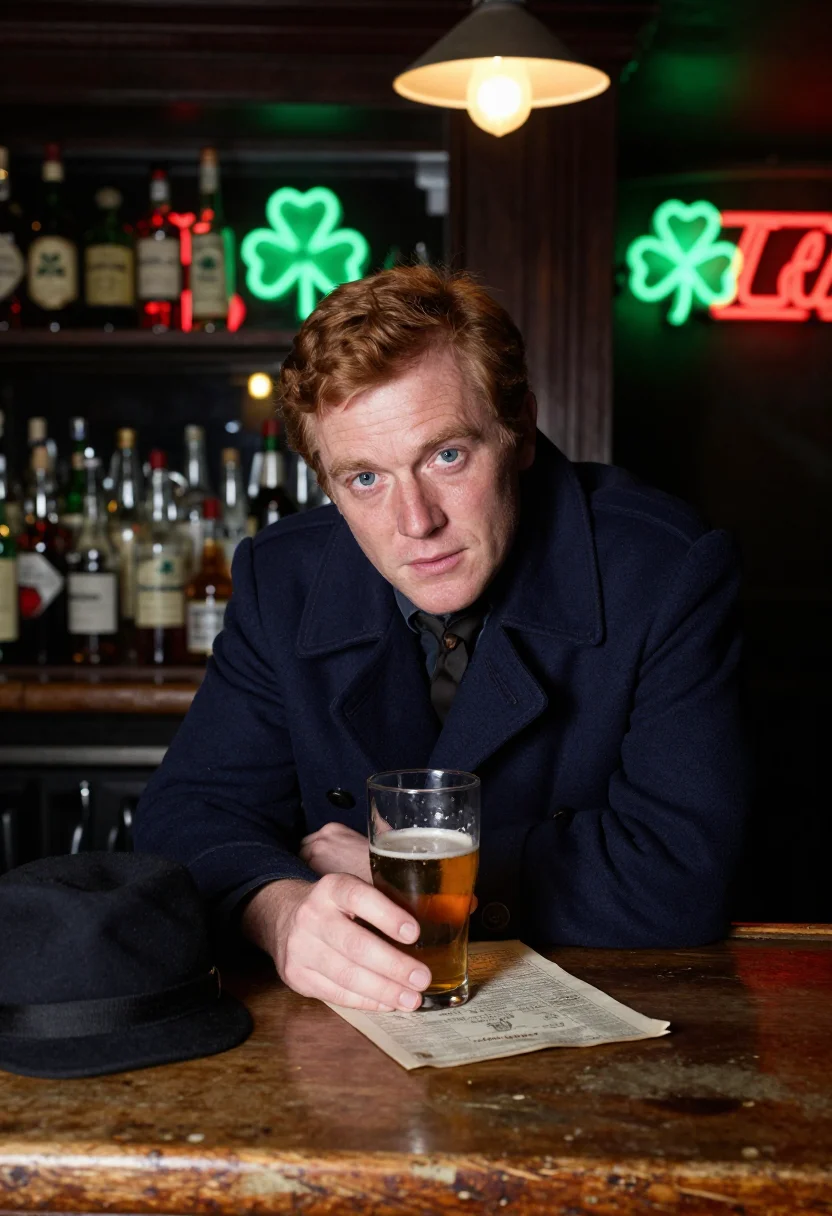
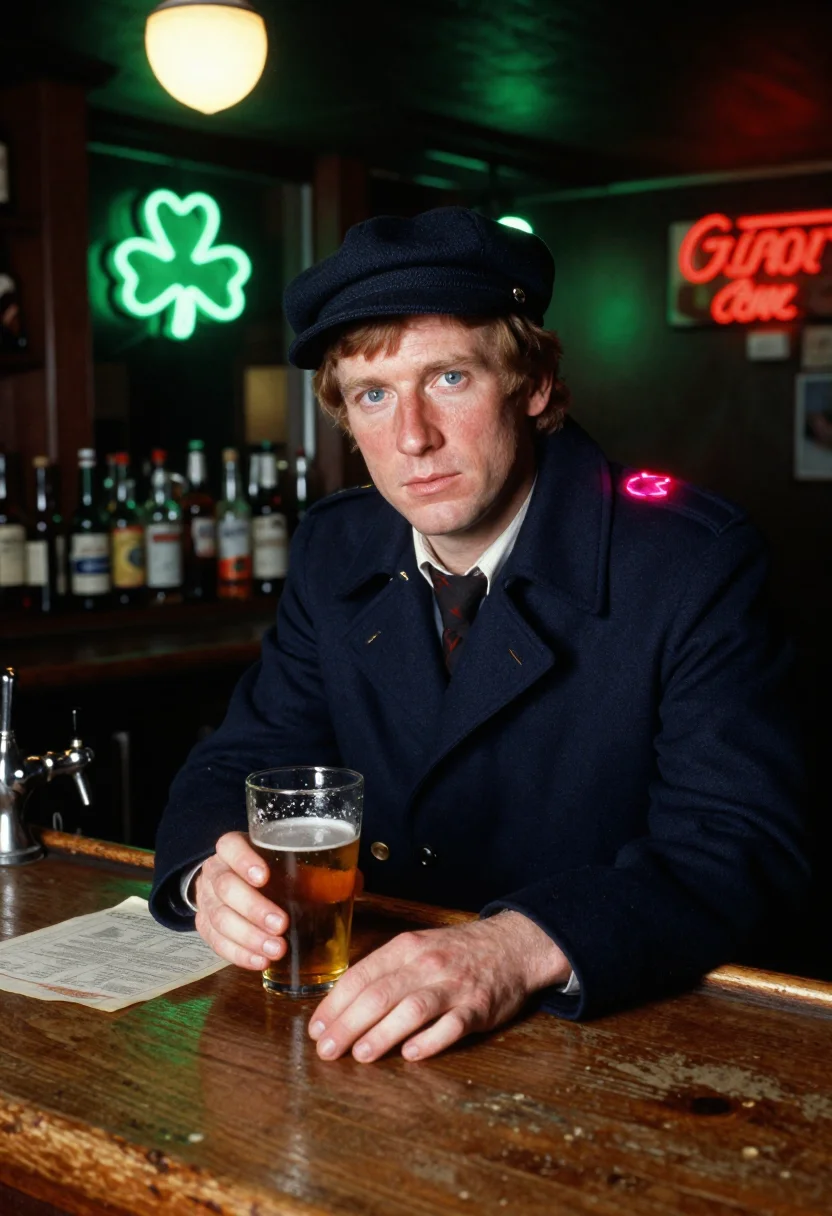
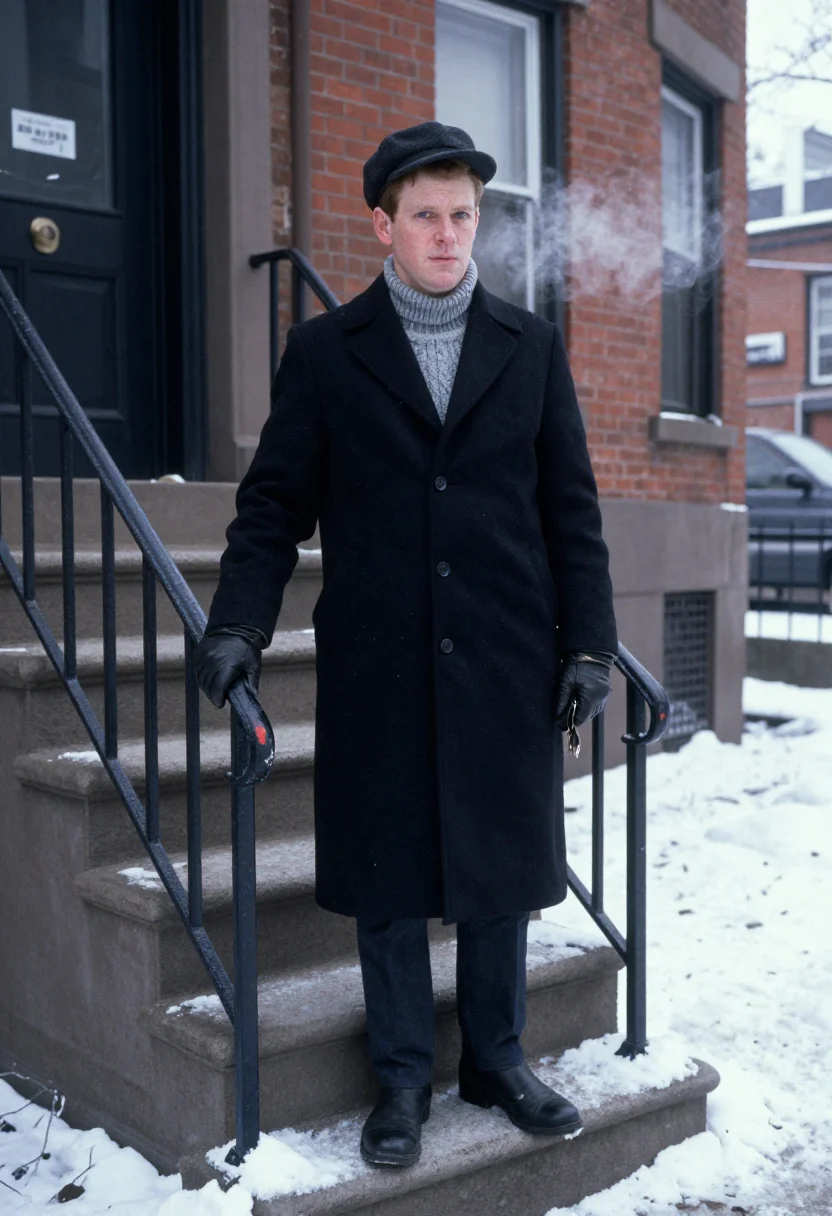
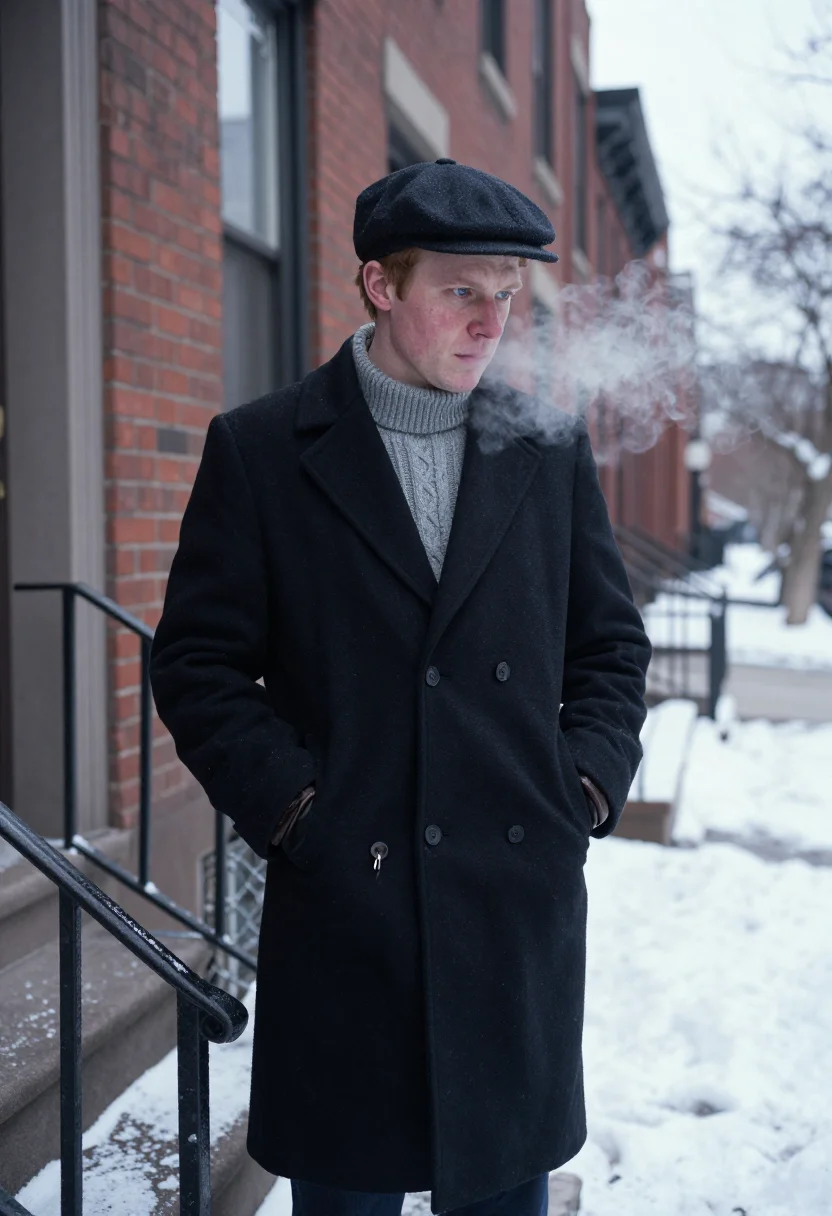
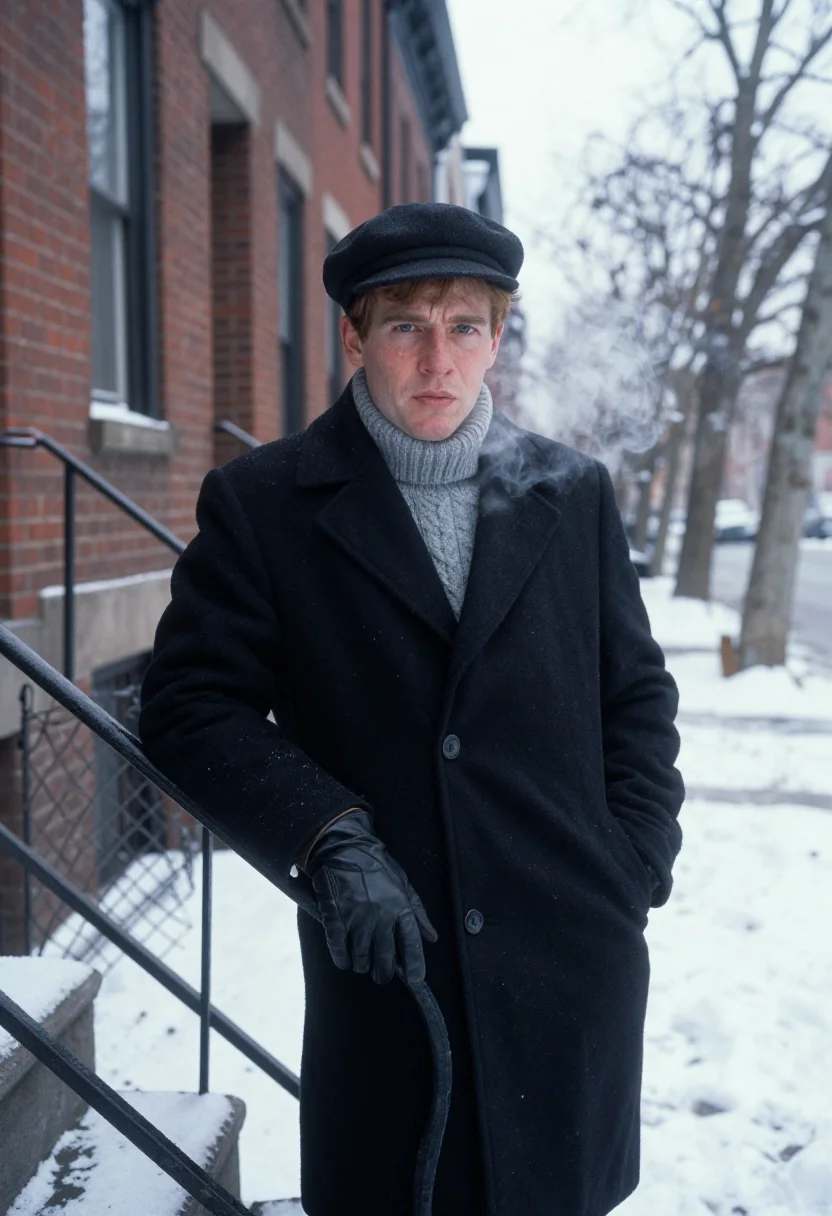
Nine photographs of you, styled in a mid-1980s South Boston register: navy peacoat and watch cap, cable-knit and Claddagh ring, harbour fog at the docks and neon in a Broadway dive bar. A period aesthetic, not a depiction of any real person, in portrait format. The nine vary in crop, expression and light, so there are real choices, not nine identical files.
/boston-irish-mob · lifestyle · 3 scenes
Irish Mob Portraits, South Boston 1985
6–20 photos of yourself · we email you when your model is ready
More docks and dive bars
one model wears them all →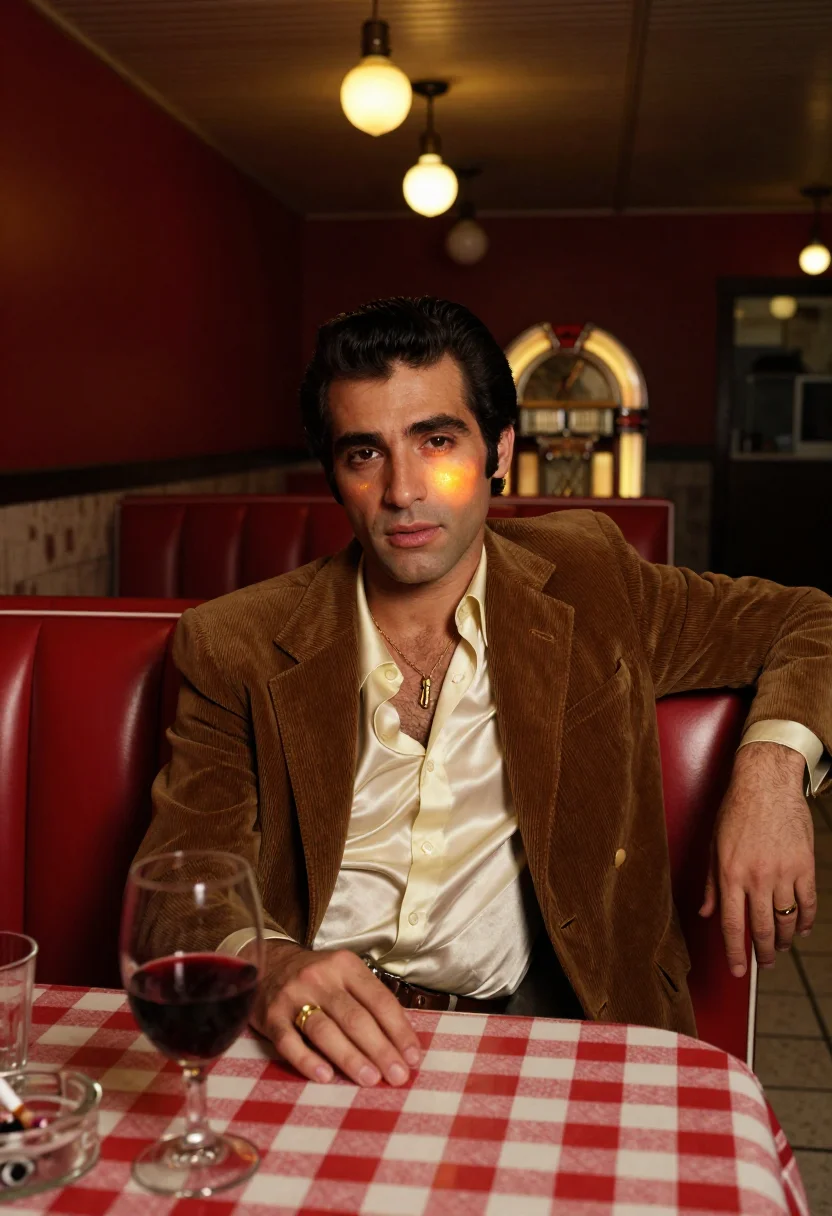
all 9 photos in this pack ↓
How it works
Three steps.
1
Add your photos
Add photos of yourself. We check each one when you add it.
2
We create your model
We create your AI model from your photos. Your photos are ready in a few hours.
3
Every pack, with your face
This pack and every other pack on Narcis can then be made with your face, and single photos too.
The Southie register
South Boston in the eighties is a cold register, not a glossy one, and that is what makes it photograph so well. Triple-deckers with vinyl siding, chain-link over frozen mud, a Broadway barroom with a neon shamrock burning in a painted-over window. Down at the docks, container cranes stand in harbour fog and gulls work the pilings. The wardrobe is what people actually wore to be outside all day: a navy peacoat, a dark wool watch cap, a grey cable-knit sweater, a Claddagh ring, coffee from a paper cup. The register is the New England crime picture — a code about who talks that everyone learned before they could read.
Three situations carry it. The working docks at dawn in a peacoat over cable-knit, watch cap on, paper coffee cup in hand, a rusted hull and container cranes going grey in the fog. A Broadway dive bar at night, collar down, cap on the counter, a glass of dark beer and a folded racing page under the neon shamrock and a shelf of well bottles. Then a brick rowhouse stoop in winter, black wool overcoat over the sweater, leather gloves, keys, breath showing, with chain-link and triple-decker porches behind.
Photographically it lives on two lights and no gloss. Outside is flat cold blue — dawn off the water, overcast daylight bouncing up from dirty snow — and inside is warm red-green neon doing all the work at close range. The palette holds to navy, grey, brick and the two bar colours. Framing is chest-up and half-length with a documentary distance to it, and the grain is deliberate: this should look like a photograph somebody took, not a portrait somebody sat for.
The output is photoreal. These are AI photographs of you in the peacoat and the cap, at the docks and in the bar — not an illustration, not a painting, not a cosplay photo of a model.
How to photograph yourself for an Irish mob photoshoot
Better source photos make better portraits.
- Even, soft lightStand near a window with indirect daylight on your face. Overhead bulbs and phone flash flatten features, and that is the usual reason an AI portrait misses a likeness.
- Front or three-quarter angleCamera at eye level, facing it or turned slightly. No selfie-stick uplook, no shot from below — the pack shoots at a documentary distance and the input should match.
- Face fully clearHat off, sunglasses off, hair off the forehead. A clear front-facing photo is the best photo for an AI portrait, and it matters here because the watch cap crops the frame down to your face.
- A flat, unsmiling expressionThis register does not perform. A level gaze and a closed mouth carry the cold far better than a broad smile.
- Plain background is fineYour own room does not matter — the docks and the bar replace it. A plain wall just helps the model concentrate on your face.
Frequently asked questions
- What do the nine photos actually look like?
- Nine photoreal portraits across three situations: the working docks at dawn in a navy peacoat and watch cap with cranes in harbour fog, a Broadway dive bar at night under a neon shamrock with a dark beer and a folded racing page, and a brick rowhouse stoop in winter in a black overcoat with breath showing. Flat cold daylight outside, warm neon inside, eighties grain.
- Is this a specific film, or a real person?
- Neither. It is a place-and-period register — South Boston in the mid-1980s as New England crime cinema photographs it — not a scene from any film, not a depiction of any real individual or character, and not affiliated with any studio.
- Can women use this pack?
- The sample and styling are built for men — the peacoat over cable-knit, the watch cap, the overcoat — so it reads masculine throughout.
- Why does it look colder and plainer than the other packs?
- Because the register is. No rim light, no gloss, no styling that looks recent — flat harbour daylight and bar neon are the only two light sources in the world, and holding to that is what makes it read as an eighties photograph rather than a costume shoot.
- Can I use it as a profile picture or on a dating app?
- Yes to the profile picture — it is plain, cold and unusually convincing. On a dating app it works if you carry it as a styled winter portrait rather than as a photograph of your Tuesday.
- Can I use it for an author photo or a band image?
- It suits both, particularly for crime writing, New England subjects and any band that wants a winter dock rather than a studio. It also holds up as a press or podcast image.
- Can I use it as a costume or party reference?
- Yes — for an eighties, Boston or crime-cinema themed night, the nine frames double as an invite image and as a styling reference for the coat, the cap and the sweater.
- Will the photos look like me?
- Every photo looks like you, well photographed. If one is nearly right, say what to change, in your own words.
- Do I have to write a prompt?
- No. There is nothing to write: you pick a pack, and it is ready in seconds.
- How many photos of myself do I add?
- Between six and twenty, from different days and in different light, with your face clear. We check each one when you add it.
- What happens to the photos I add?
- They are used only to create your model, on our own servers in the European Union. They are not shared and not sold.
When the Southie pack fits
- For a profile picture that reads plain and real rather than posed
- For a social post in an eighties working-harbour register
- For an author photo when the genre is crime, New England or noir
- For a band photo, album cover or podcast image with cold light in it
- For a themed party or Halloween costume you want to see on yourself first
- For anyone who has always wanted the peacoat-and-watch-cap winter portrait
- For a gift for someone who rewatches Boston crime pictures every winter
- For a phone or desktop wallpaper in navy, fog and neon
- For a print or framed portrait that looks like a found photograph
- For a character look reference for a writer, illustrator or art department
- For a dating profile that wants one honest, unglossy winter frame
About narcis
Most AI photo tools put every pose, job, era, and style in one giant catalog. The photos all look like every other AI photo on the internet — a glaze over a stock face. Narcis goes the other way. One job: photos of you that look like photographs. You add at least 6 photos of yourself, and we create your AI model from them. Your photos are ready in a few hours, and we email you when they are. Then this pack and every other pack on Narcis can be made with your face. Each pack is curated against real references — paintings, photographers, places — and tested on real faces before it goes live. Built and run by one small team, on our own servers.
All images are AI-generated. By using this service, you confirm you are 18+, that any face photo you upload is your own or used with explicit consent. Full Terms