AI Dalida Generator — Free Preview, Then Train Your Model
See a Free Preview in Seconds, Before You Commit
Train Your Model Once, Render Dalida in About Ten Seconds
Studio-Quality Results Without a Studio Visit
Narcis generates a free preview of your dalida from one uploaded photo. The preview streams in seconds — a quick sketch, close but not you yet. If you like it, train your model once — 12 to 20 photos, we email you when it's ready — and the full pack of nine is €9,99, rendered from your model in about ten seconds a portrait. No signup before the preview, and no waiting for an email until you choose to train.
The pack is nine professional dalida rendered in portrait aspect ratio (2:3) — the shape LinkedIn banners, CVs, and print profiles actually use. Each image shows varied crops, expressions, and light angles so you have real choices, not nine identical files.
Photos are processed on European servers. We use your photo to generate your headshots; we do not share it with third parties.
/dalida · lifestyle · 3 scenes
A Dalida Photoshoot, Olympia to Montmartre
no account · ~15s · the first shot is free
More icons of Beyond the West
one model wears them all →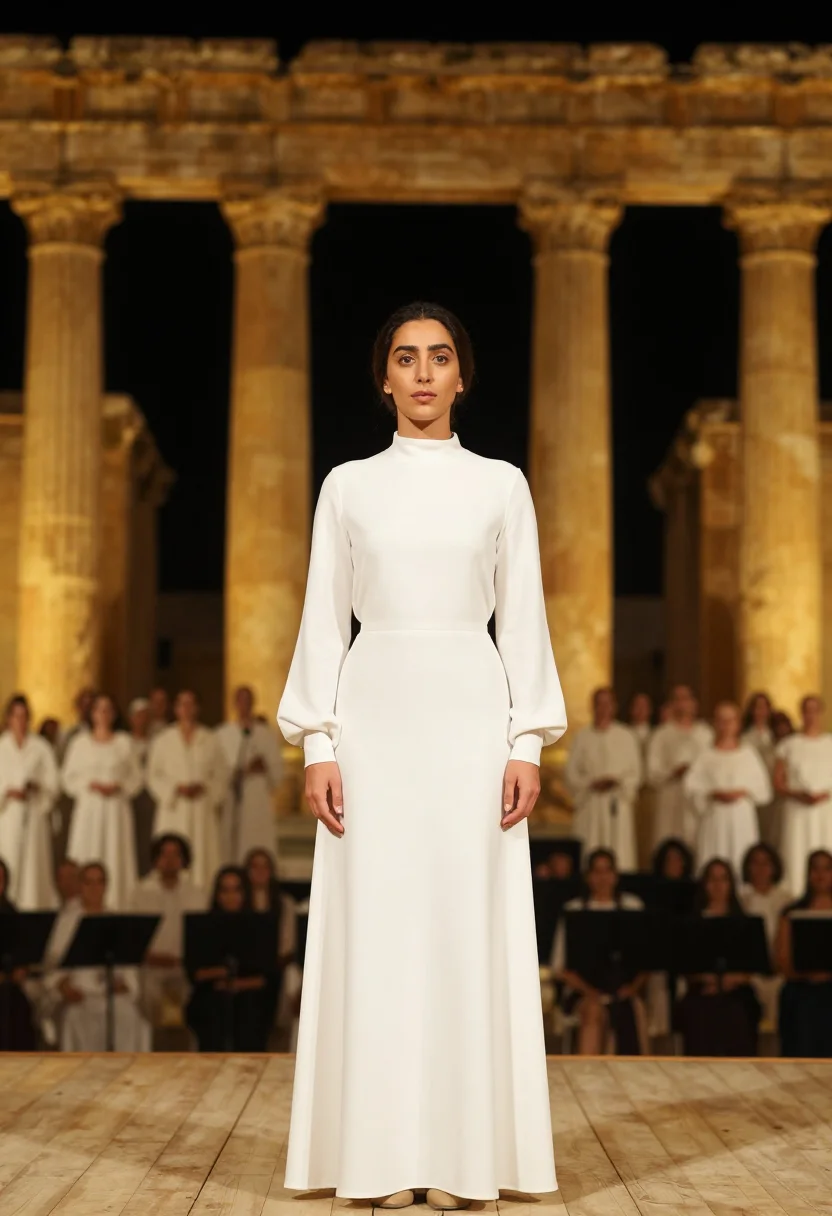
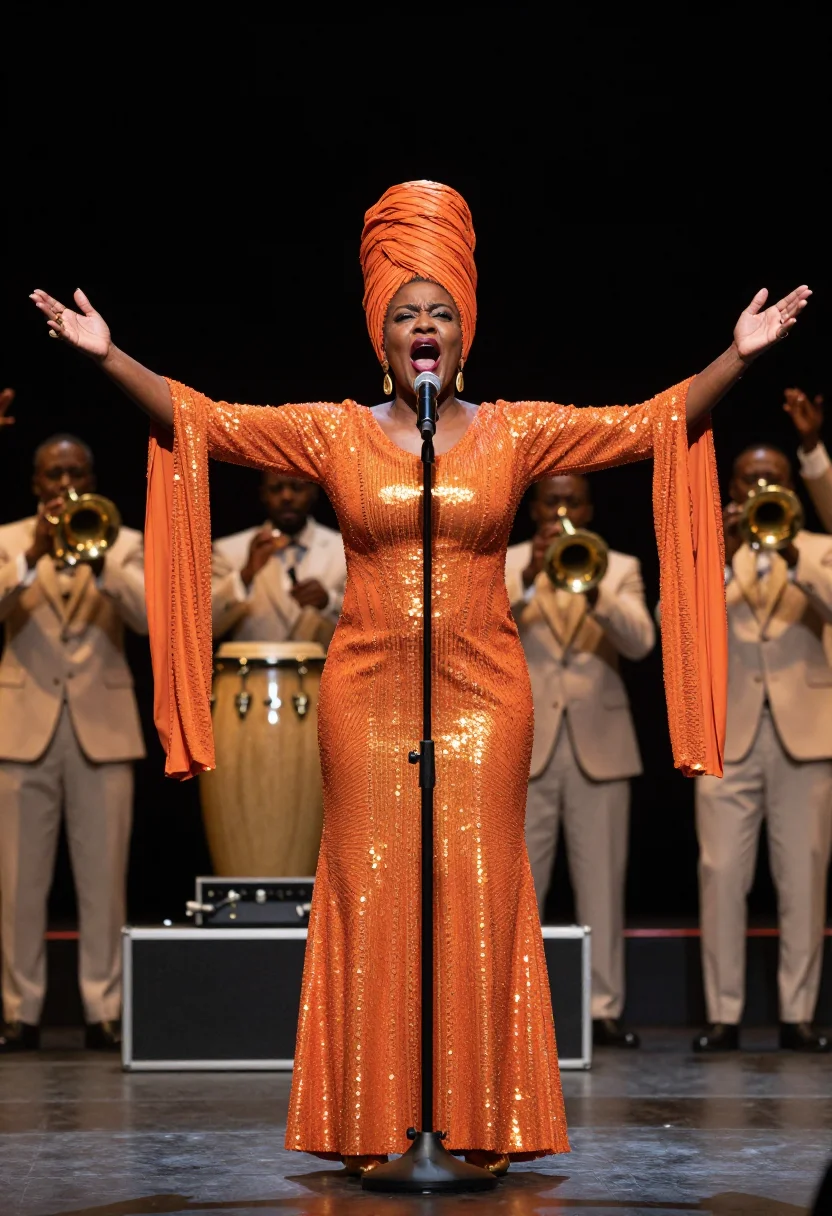
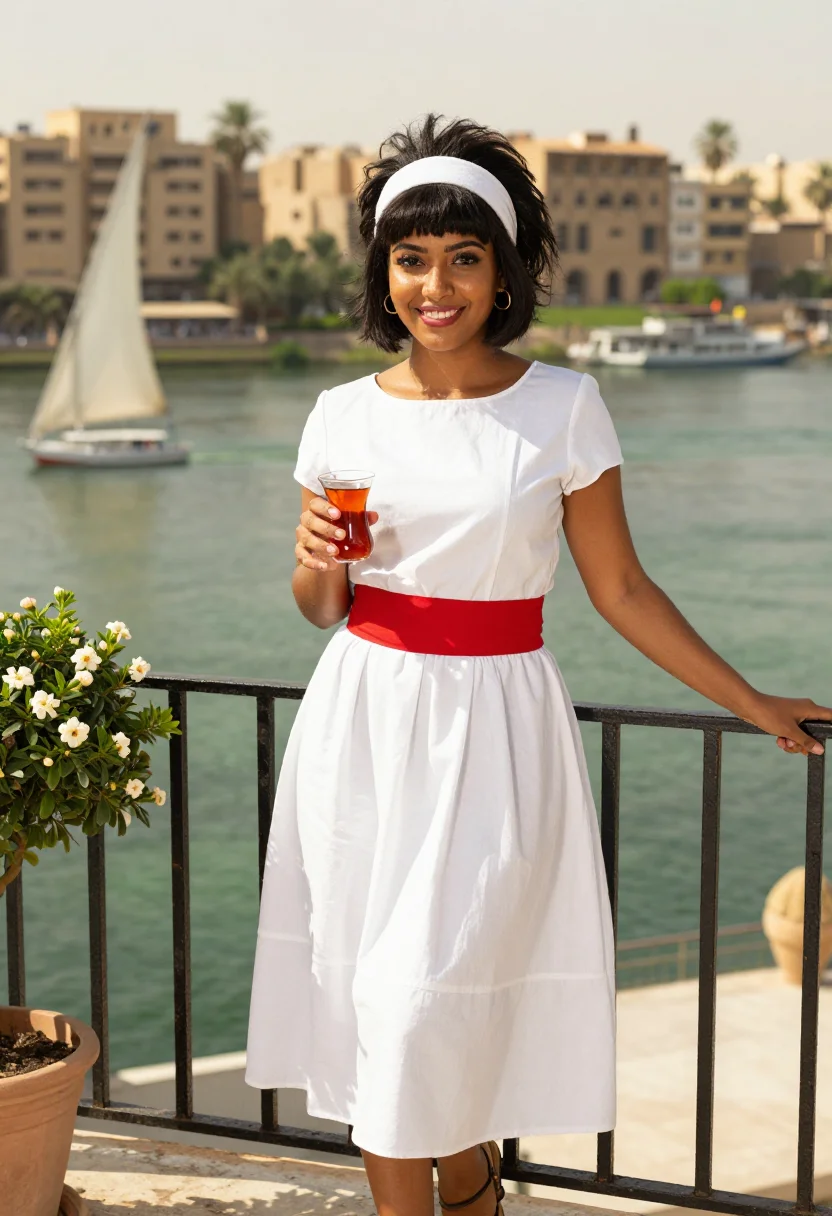
all 9 looks — from one photo ↓
How it works
Three steps. Upload, preview, deliver.
1
Upload 1 to 5 selfies
One is enough for the free preview. More angles sharpen the likeness.
2
See a free preview
A quick sketch of your likeness streams in seconds — close, not you yet, before you pay.
3
Train your model, then unlock 9
€9,99 one-time. Train your model once — 12 to 20 photos, we email you when it's ready — and all nine render in about ten seconds each. Every future pack and Studio portrait render the same way, no repeat training.
The Dalida register
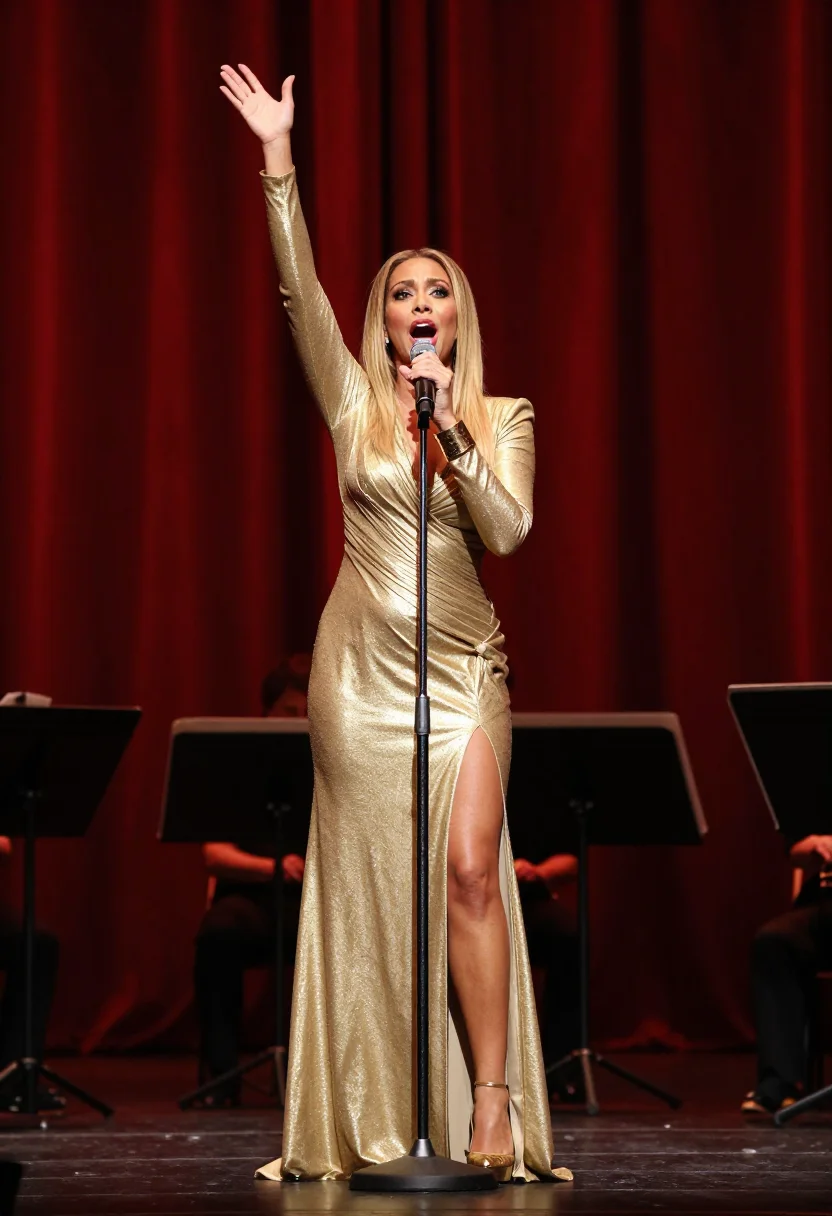
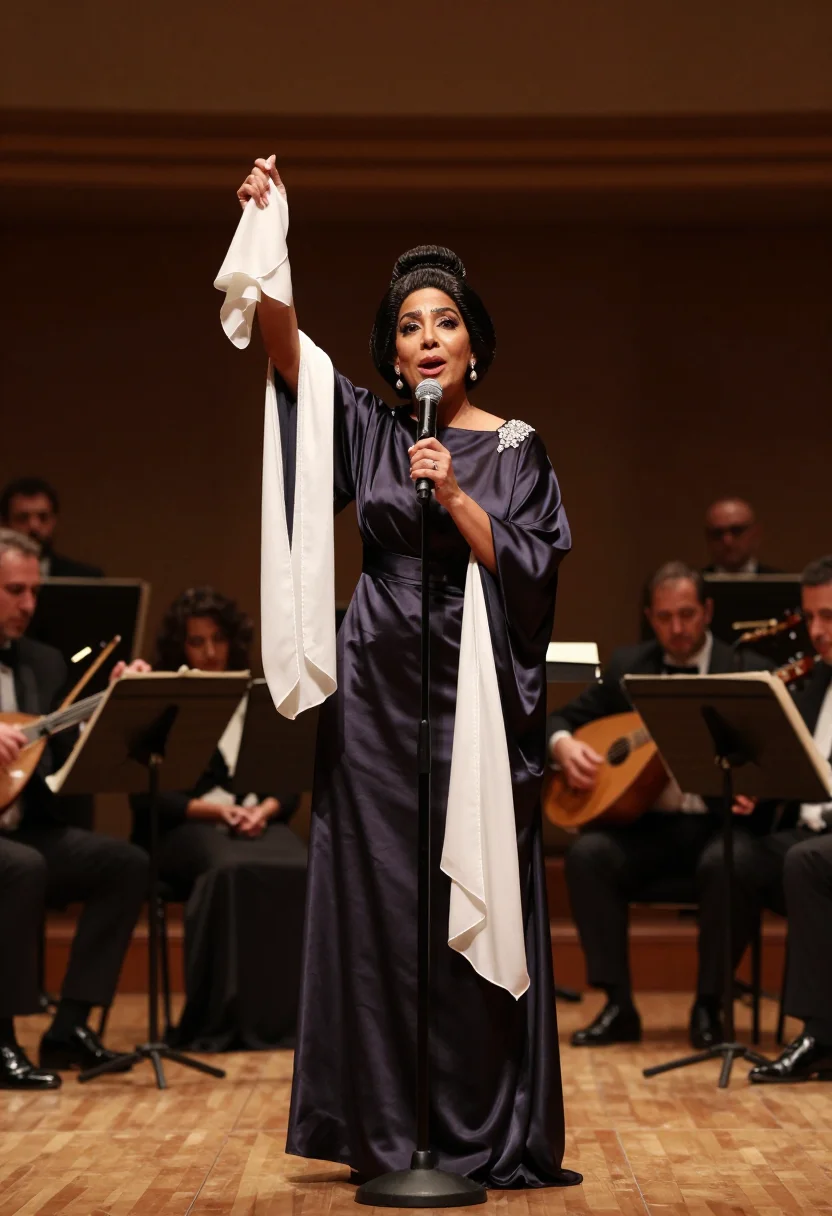
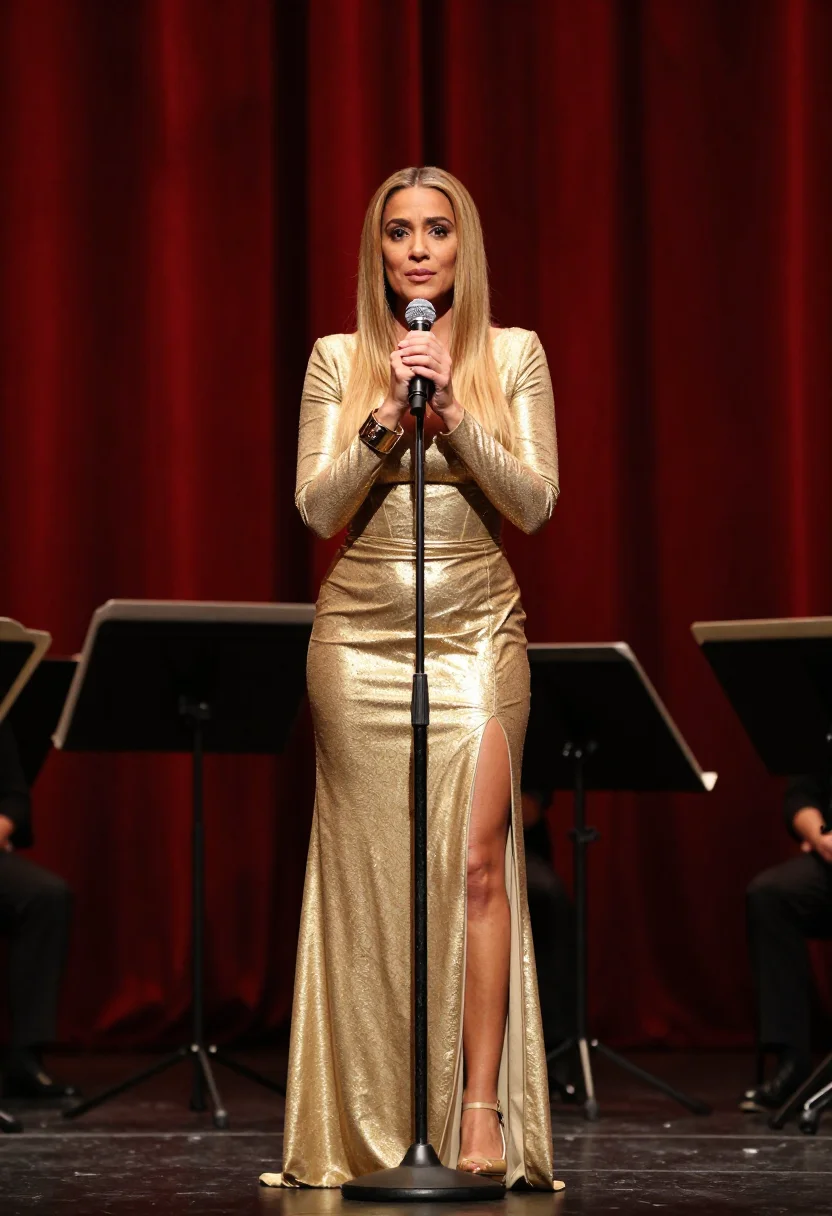
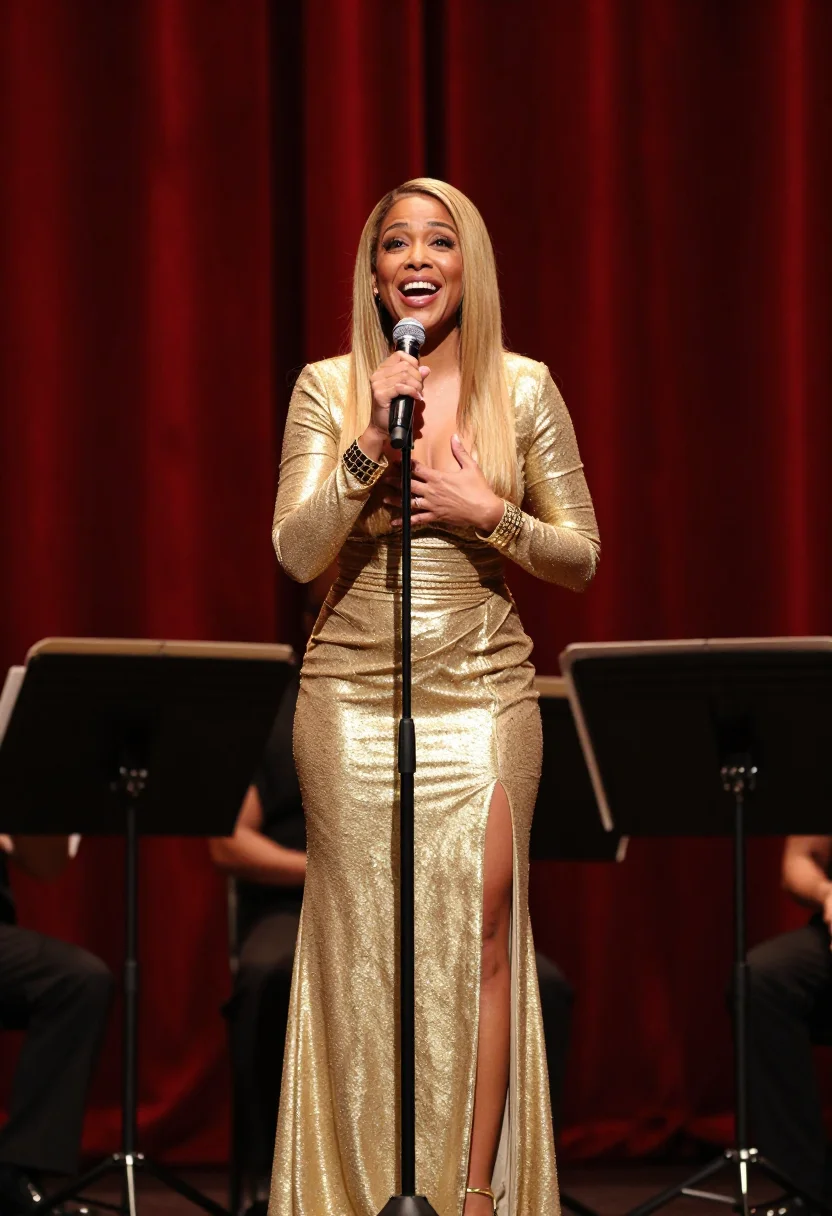
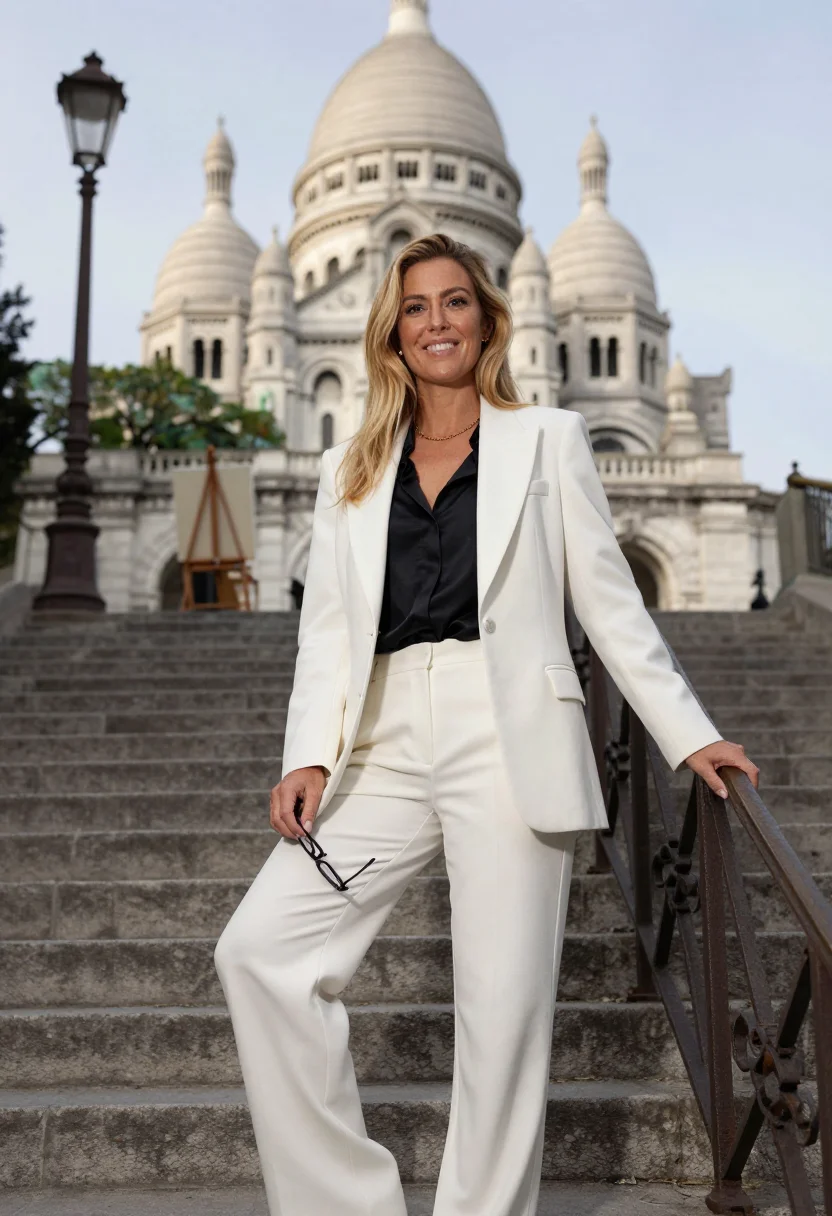
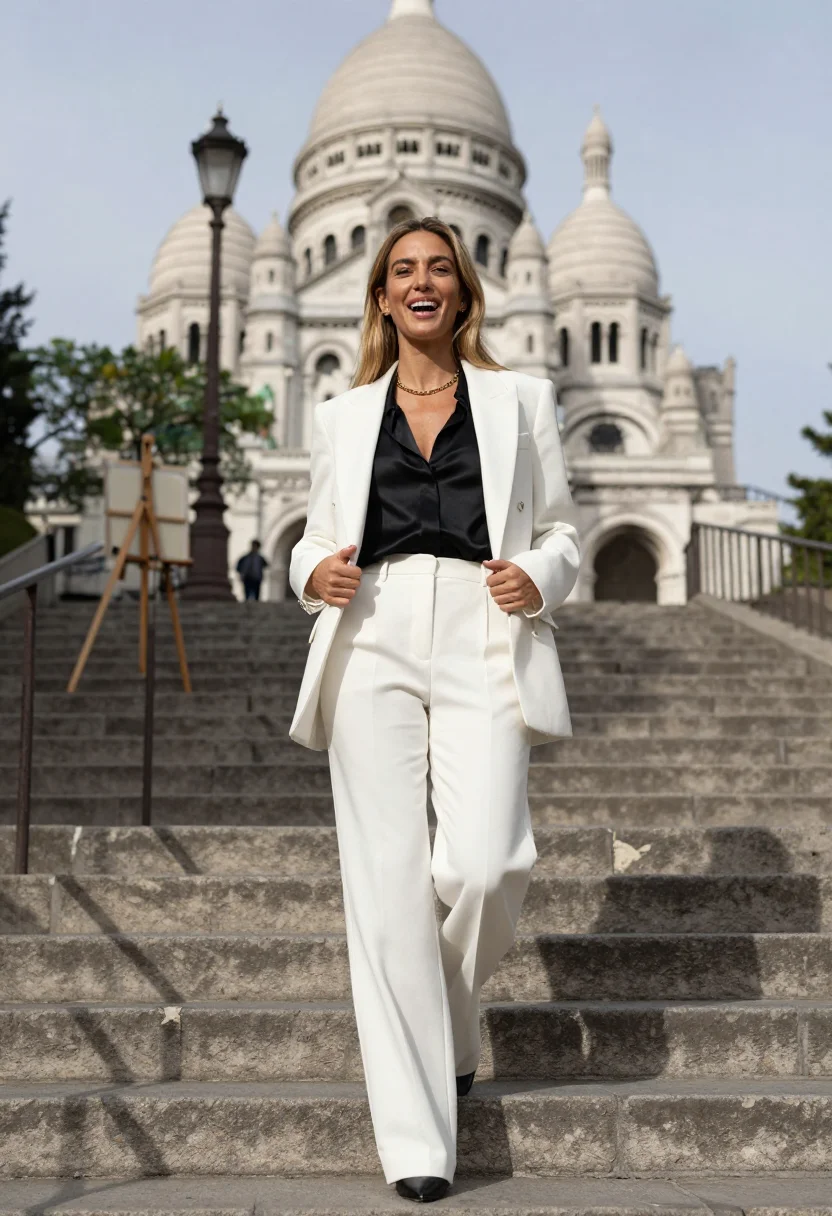
This pack is one of Icônes' documented-shoot series — fashion icons and the photographs that made them — this one built on Dalida: the gold lamé gown flashing under the Olympia's red curtain in 1971, the white trouser suit worn down Montmartre's own steps above the house on the rue d'Orchampt, the Cairo courtyard she carried in her voice long after she left it. The value is the most loved singer of France's postwar decades, on the two grounds — the Olympia and the hill — that made her a national instrument.
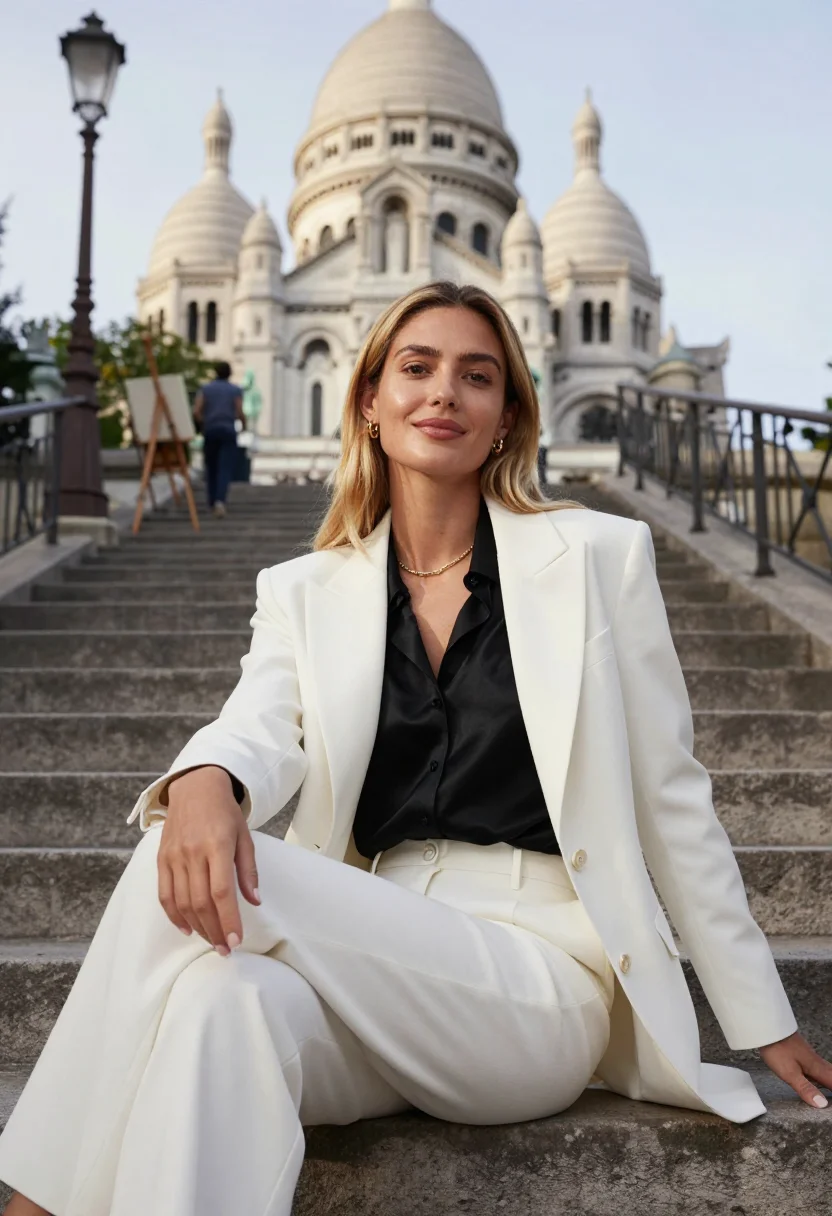
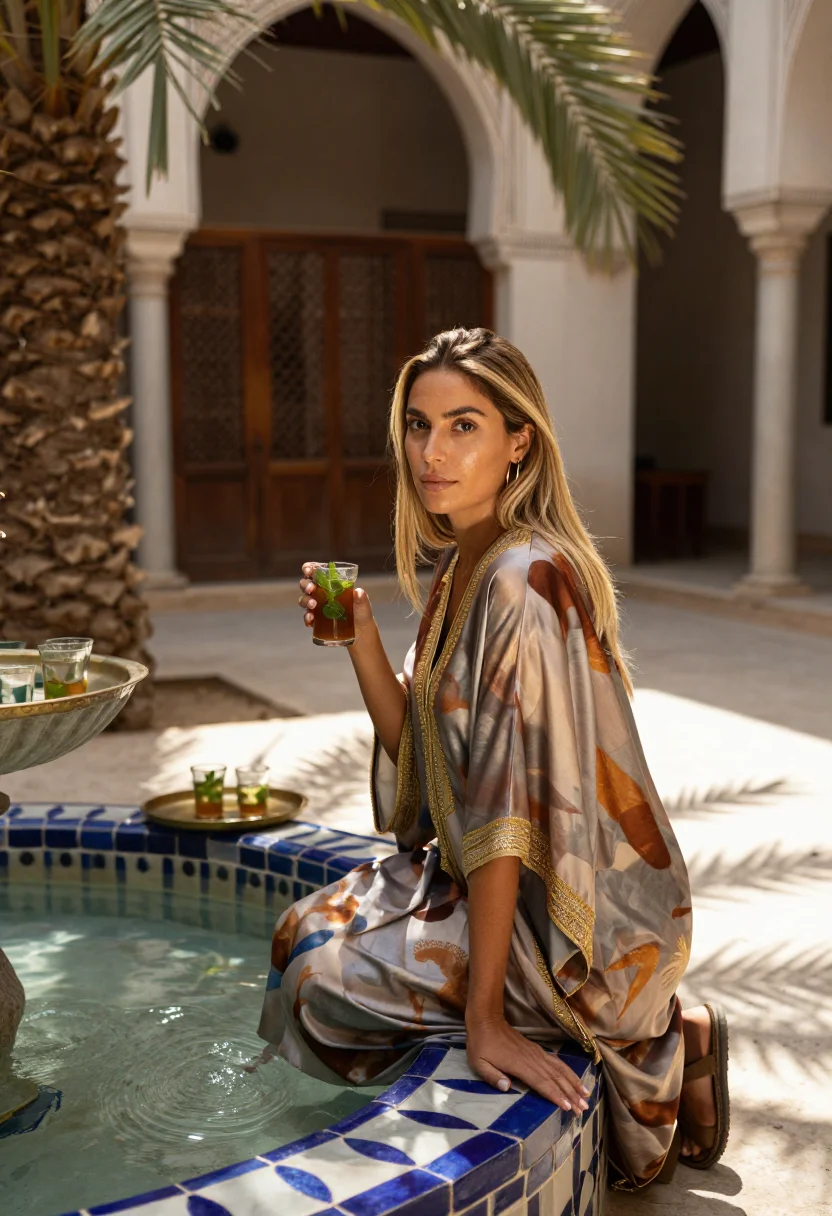
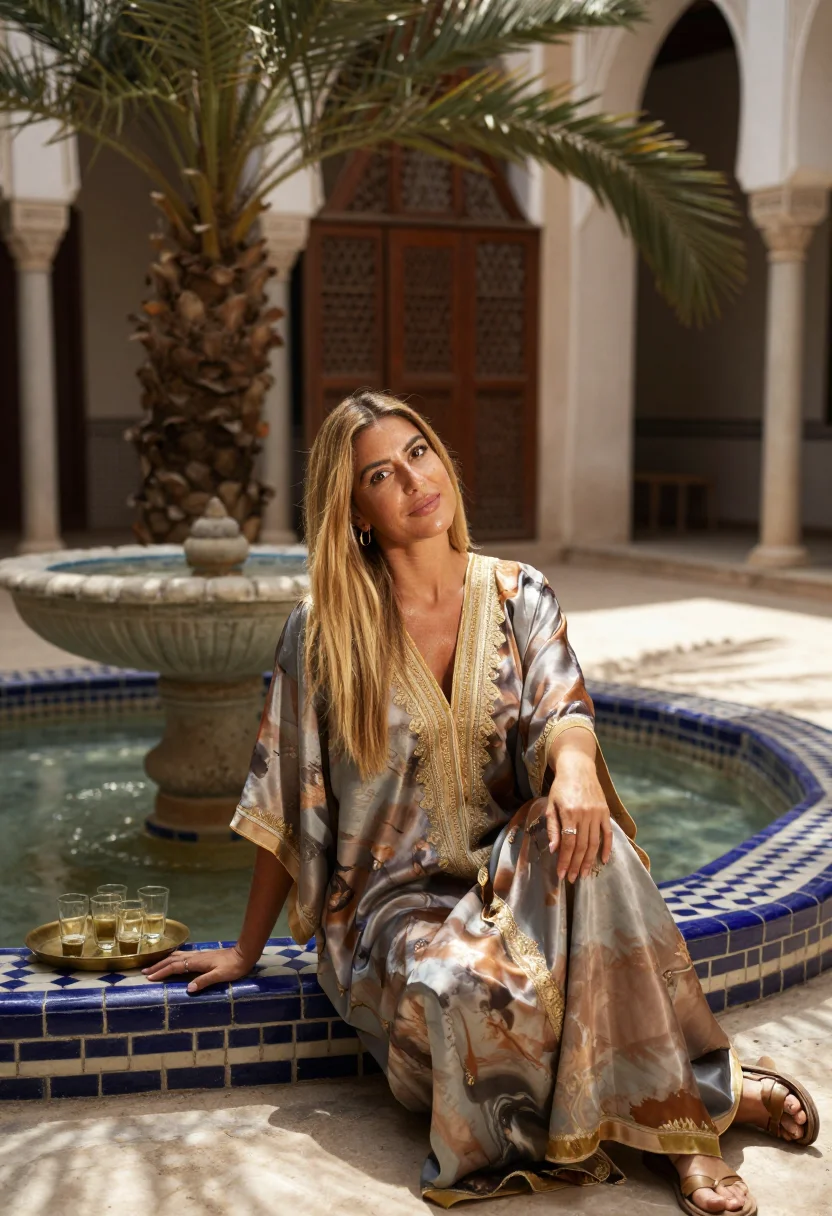
Photographically the register is hard, warm stage light against a curtain of deep red, a hundred points of lamé catching the front and rim illumination at once; against it, soft afternoon light on white Montmartre stone, and dappled palm-filtered warmth in a tiled Cairo courtyard. The palette runs gold lamé, Olympia red, Montmartre white, Cairo sand — three distinct lighting worlds carrying one woman.
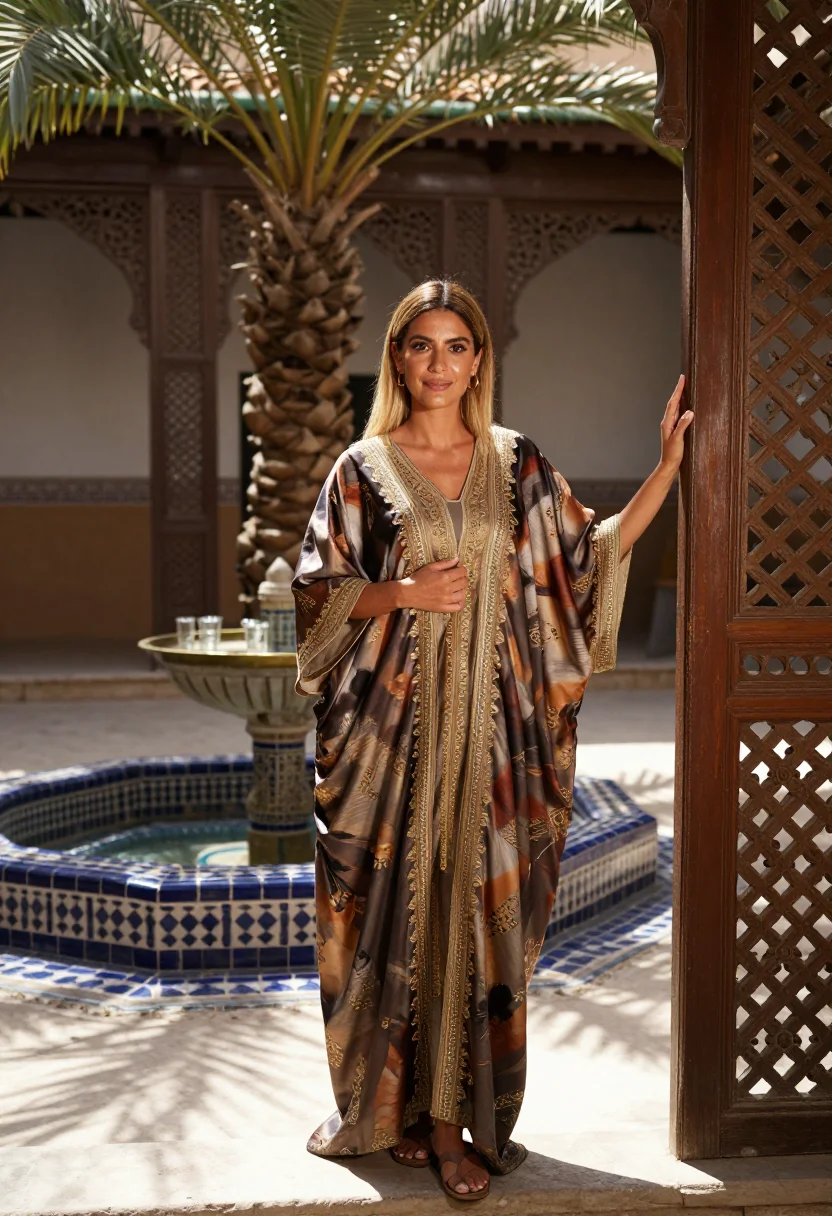
Three scenes carry the pack: at the Olympia's microphone, one arm raised in the song's climax, gold platform shoes and a bracelet catching the light; on the Montmartre steps with the Sacre-Coeur's dome blurred behind, a wide smile and a gold chain over a black blouse; in a Cairo courtyard at a tiled fountain, a glass of mint tea in hand, the look nostalgic and warm. Each is a genuine facet of the Dalida world, not one gown moved through three backdrops.
The output is photoreal — a real-looking photograph of you in that world, styled like a stage or street portrait, not an illustration despite the seventies references. It's a costume portrait built from your own uploaded face; it isn't a depiction of the historical singer herself, and it doesn't claim to be.
How to photograph yourself for a Dalida photoshoot
Better source photos make better portraits. The pack works with an ordinary phone selfie — the free preview tells you in seconds — but a few things sharpen the likeness before the lamé and the stage light go on top.
- Even, soft lightStand near a window with indirect daylight on your face. The pack adds its own hard stage light or soft Montmartre afternoon later — a flat, well-lit selfie gives it the clearest face to build from.
- Front or three-quarter angleCamera at eye level, facing it or turned slightly to three-quarter. No selfie-stick uplook, no shot from below.
- Face fully clearHair off the face, no hats or heavy filters in the source photo. A clear, front-facing photo is the best input for an AI portrait.
- A confident, open expressionThe Olympia scene favors an open mouth mid-song and shining eyes; a natural, unguarded expression in your source photo blends more easily into that energy.
- Plain background is fineDon't worry about your own backdrop — the Olympia stage, the Montmartre steps, and the Cairo courtyard replace it entirely. A plain wall behind you just helps the model focus on your face.
Frequently asked questions
- Will it actually look like a real photo, and like Dalida's world?
- Yes on both. The output is photoreal — not an illustration — and the gold lamé gown, the Olympia's red curtain, and the Montmartre steps are built to read as genuine seventies references, not a generic sequin-dress costume.
- Is this a real photo of Dalida, or of me?
- It's a portrait of you. The pack borrows Dalida's register — the gold lamé, the white trouser suit, the Cairo kaftan — as a costume and visual reference; every frame is generated from your own uploaded face and doesn't depict the historical singer herself.
- What's the difference between the free preview and the full pack?
- The free preview is one photo from your uploaded face, shown live in seconds so you can judge the likeness before you commit. The full pack is nine photos across the Olympia stage, the Montmartre steps, and the Cairo courtyard — different crops, expressions, and light.
- How is this different from a generic 70s disco AI filter?
- Most seventies-style AI photos default to a vague disco ball and sequins. This pack is anchored to specific, documented Dalida details — the Olympia's red curtain, the rue d'Orchampt steps, the Cairo tilework — so it reads as her actual world, not a costume-party approximation.
- Can men use this pack?
- The styling and sample set are built for women — the gold lamé gown, the blonde hair, the trouser suit cut for her figure — so it reads feminine. A men's version isn't shipped in this pack.
- What if my source photo isn't great?
- One clear phone selfie is usually enough. The free preview shows you the likeness in seconds — if it's off, the prep tips above are the fastest fix, and lighting is the most common culprit.
- Can I use this as a profile picture or on a dating app?
- Yes — it's a striking, glamorous portrait that reads well on either. Used honestly, as a stylised AI photoshoot rather than a claim of a real Olympia performance, it works well on any profile.
- What happens to the photo I upload?
- Your photo is processed on European servers to generate your preview and, if you continue, your full pack. It is not sold or shared with third parties.
- Can I use it for a themed party or cabaret night invitation?
- Personal use like this is fine — an invitation, a themed party, a keepsake print. It isn't licensed for commercial resale.
- Do I need an actual lamé gown or the real Olympia stage for this to work?
- No — the pack builds the gown, the stage light, and the settings around your uploaded face. You don't need any of it in real life; that's what the photoshoot supplies.
When the Dalida pack fits
- For an Instagram or social feed chasing a seventies glamour aesthetic with a real historical reference behind it
- For a profile picture with gold-lamé, stage-light energy
- For a wall print or framed portrait in an Olympia-stage register
- For a gift for anyone who reveres Dalida's music or postwar French pop
- For a themed cabaret night or birthday photoshoot invitation
- For a dating profile photo that reads glamorous without reading costume-store
- For a phone or desktop wallpaper with real gold and red in it
- For a vision board built around the seventies-diva aesthetic and disco-glam trend
- For a keepsake print for a music, fashion, or French-culture-obsessed friend
- For anyone who has hummed the Olympia recordings more times than they'll admit
About narcis
Most AI portrait tools ship every pose, profession, era, and aesthetic in one giant catalog. The output looks like every other AI photo on the internet — a glaze over a stock face. Narcis goes the other way. One tool, one job: turn photos of you into portraits worth keeping. Drop a selfie and your free preview streams in seconds — a quick sketch: close, not you yet. For portraits that are truly you, train your own model on 12 to 20 photos; it trains in the background, and we email you when it is ready. Train once, render everywhere — this pack, every other pack, and the Studio all come out of that one model, about ten seconds a portrait, and it stays yours to retrain or delete. Each pack is hand-curated against actual references — paintings, photographers, registers — and tested on real faces before it ships. See a free preview before you pay, not after. Packs are one-time — no subscription to buy one; Studio, the unlimited composer, is optional at €12/month and every pack includes 30 days of it. No template generator. Built and run by one team, on our own infrastructure.
All images are AI-generated. By using this service, you confirm you are 18+, that any face photo you upload is your own or used with explicit consent. Full Terms