A Harlem Renaissance Photoshoot, Studio and Street
Nine photos of you in one setting
How your model is created from your photos
Every pack on Narcis, made with your face
Nine photographs of you in one setting: one pack of the Narcis catalogue.
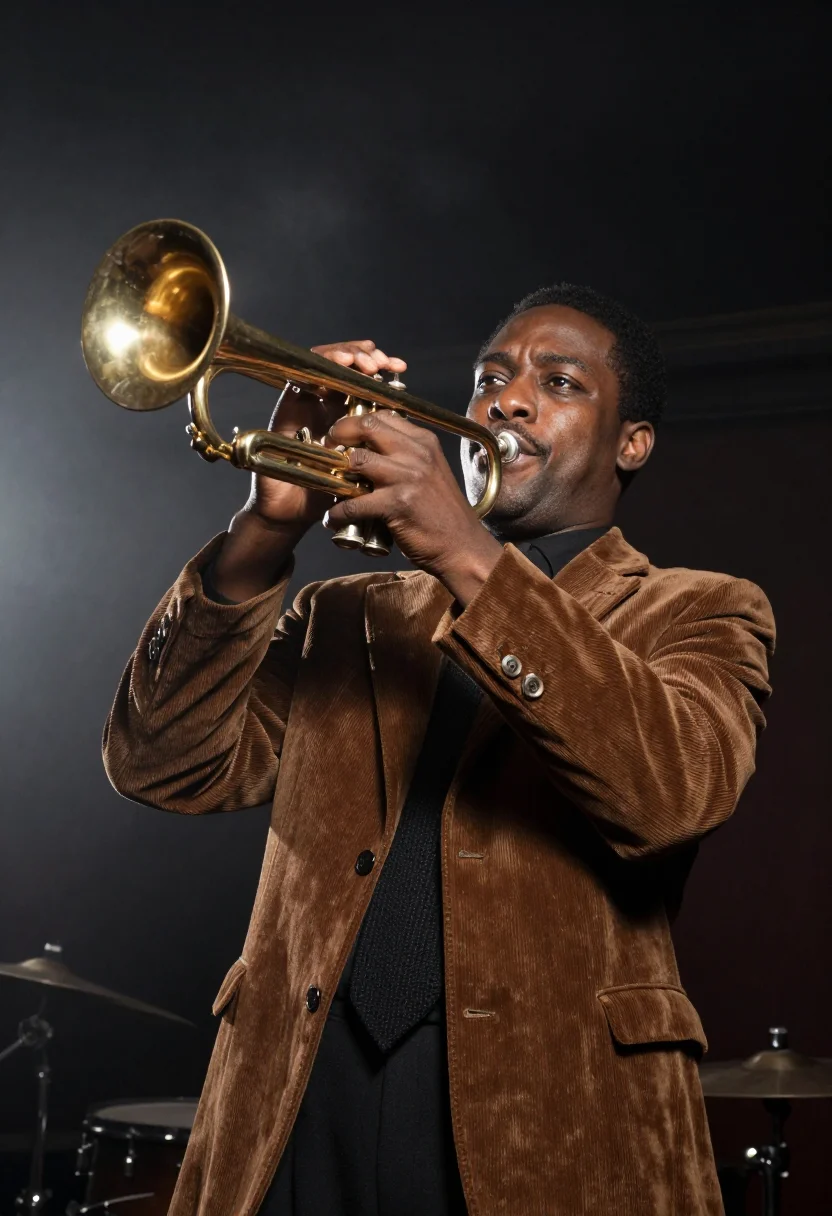
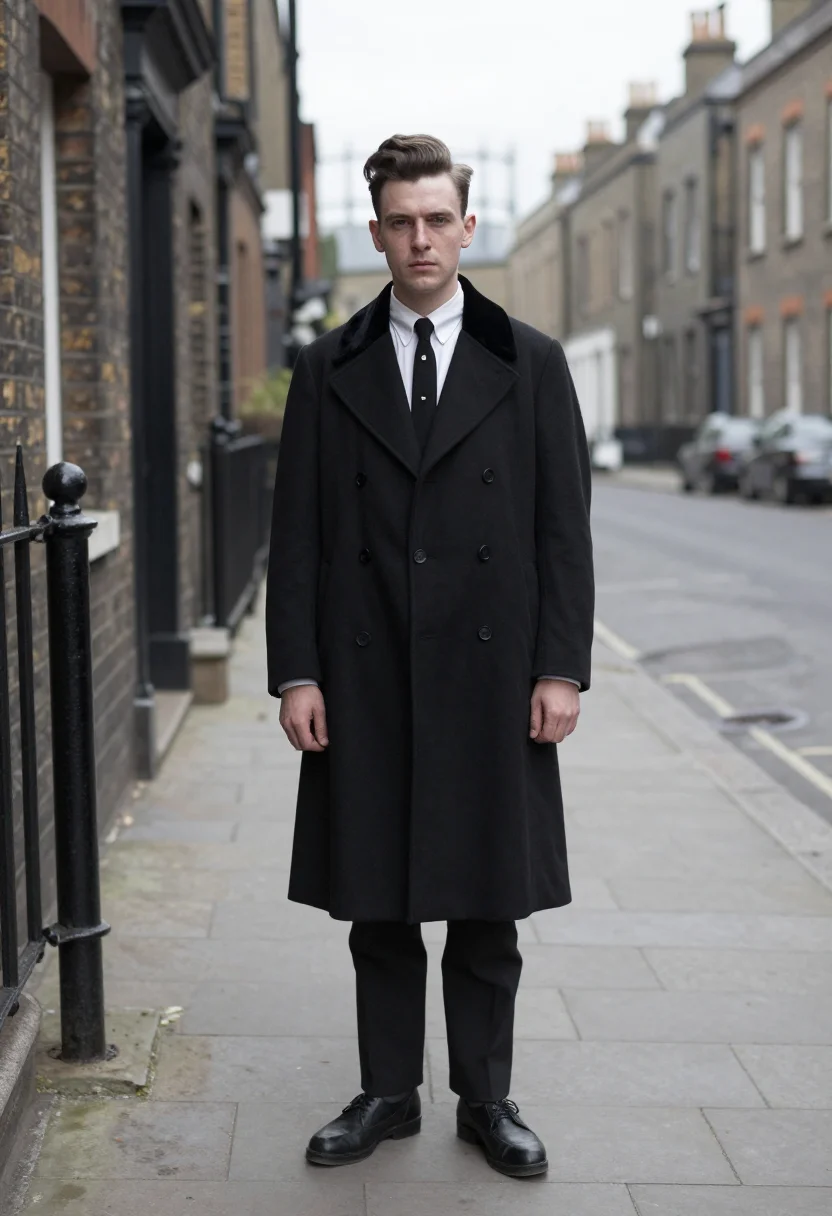
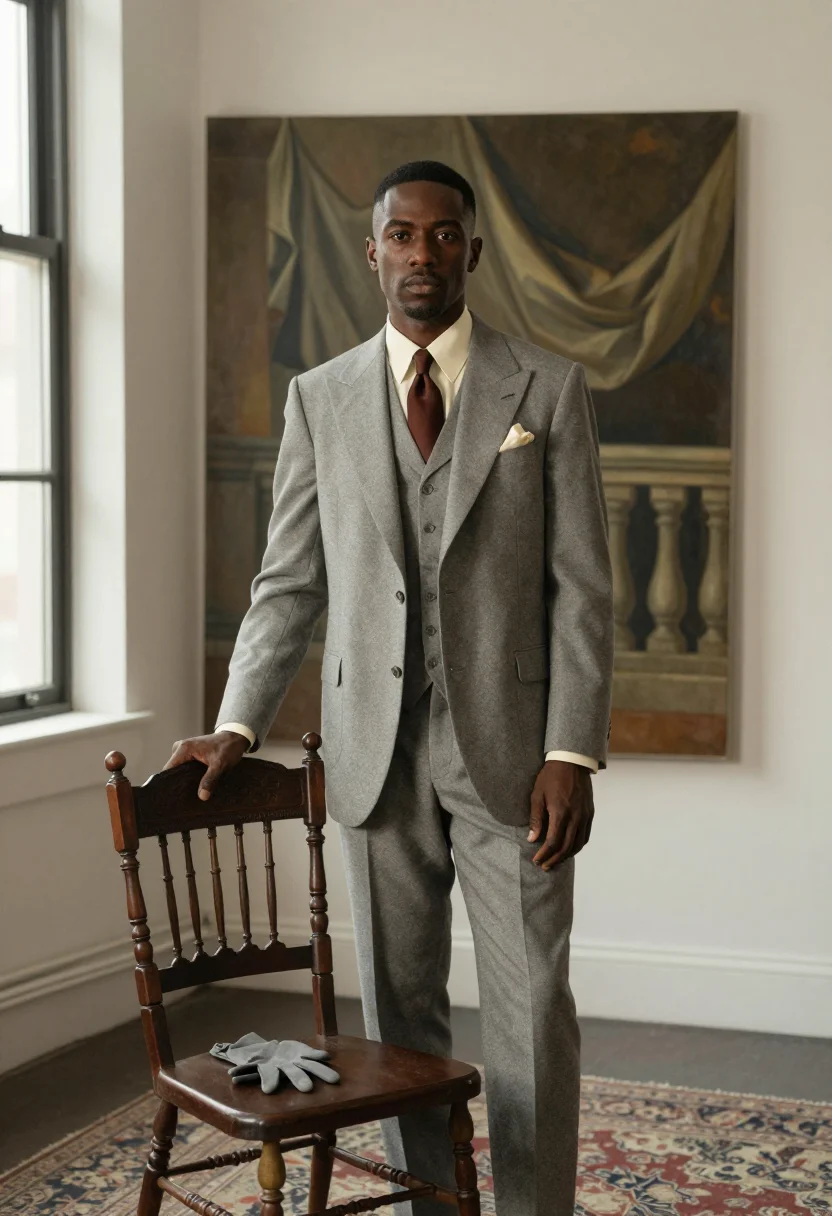
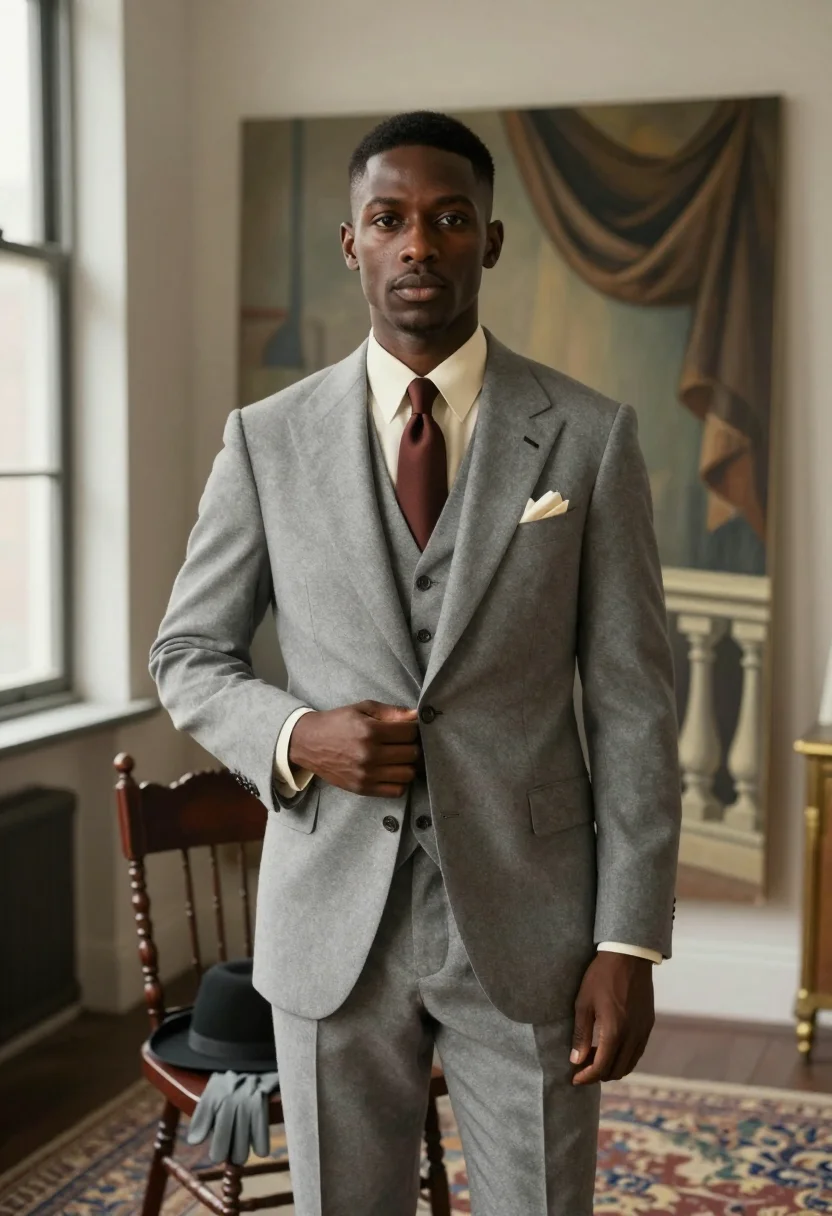
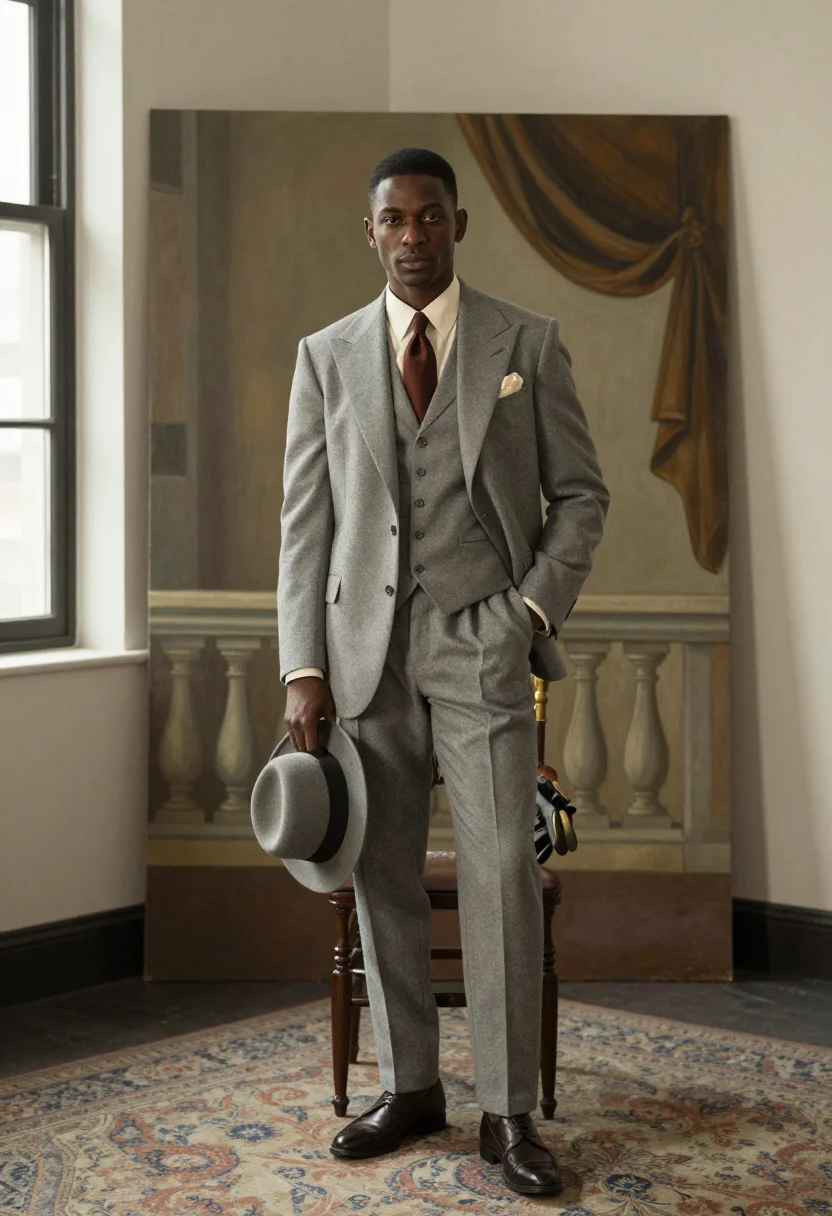
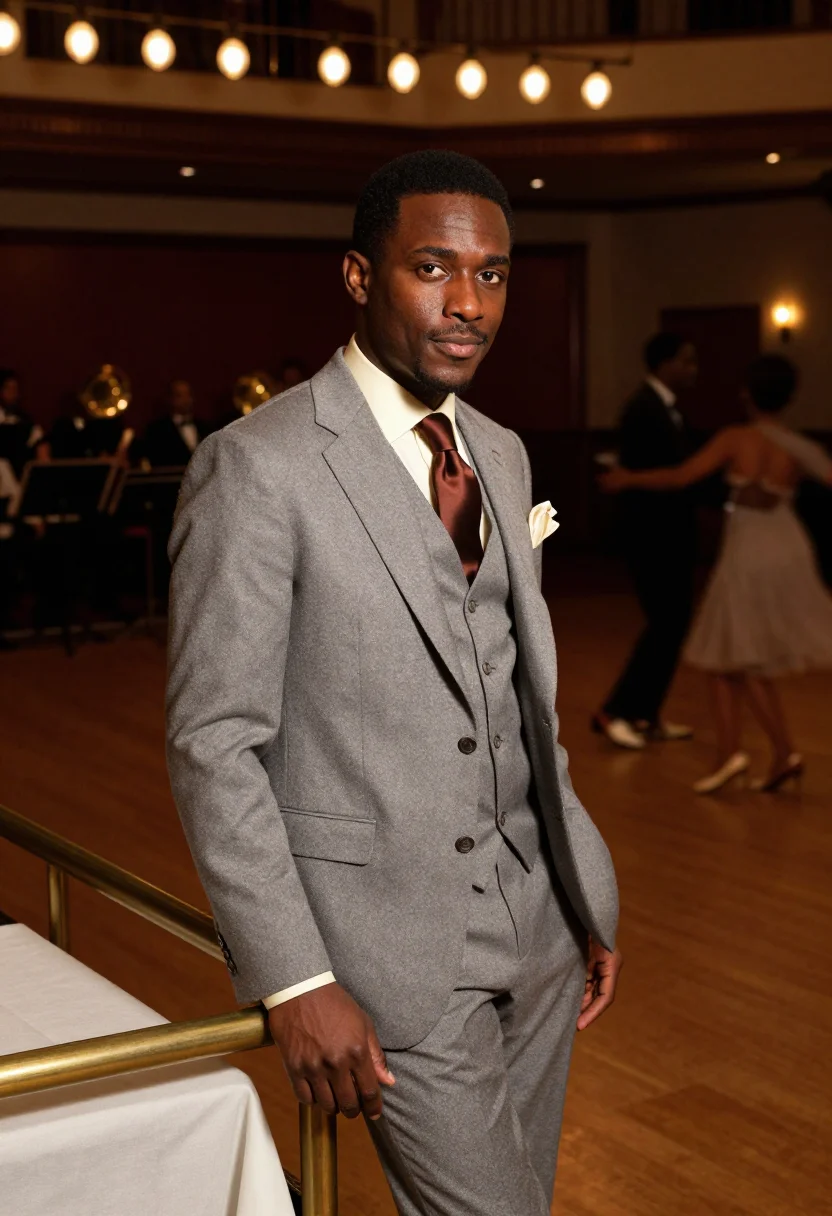
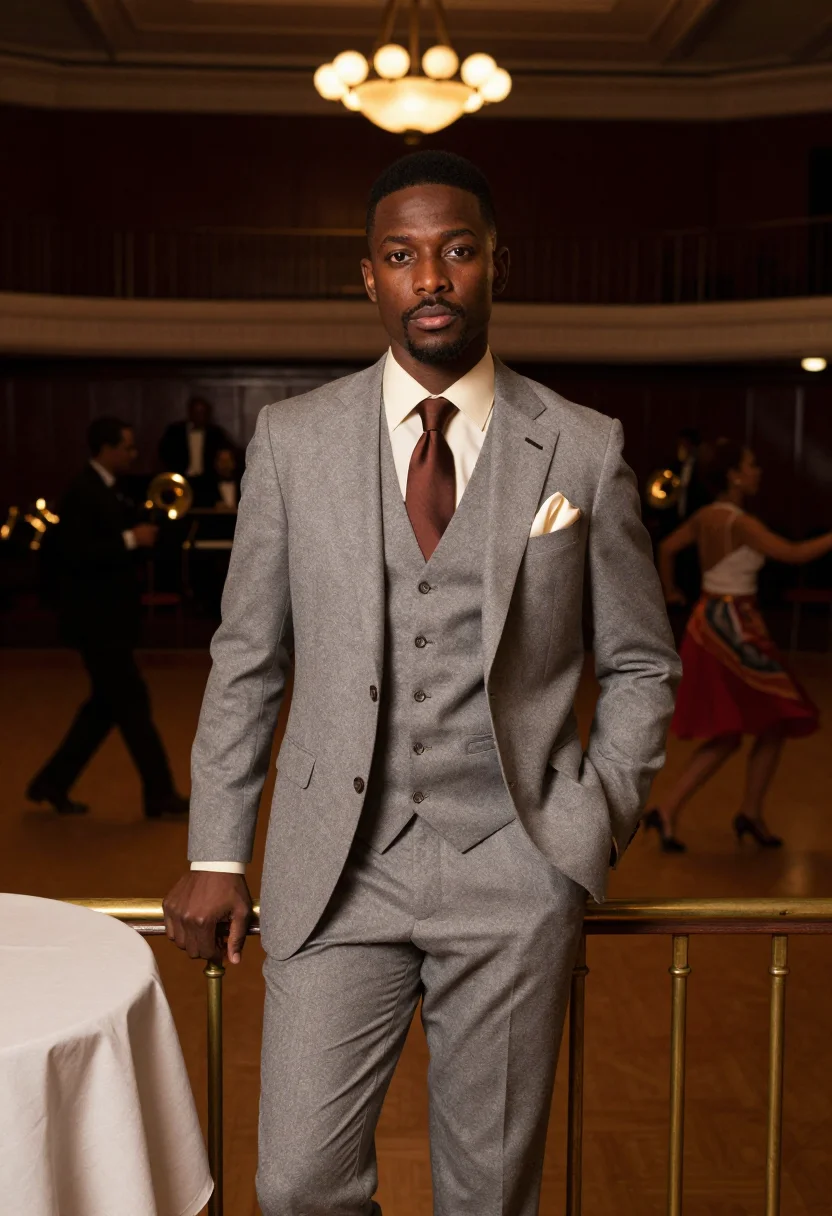
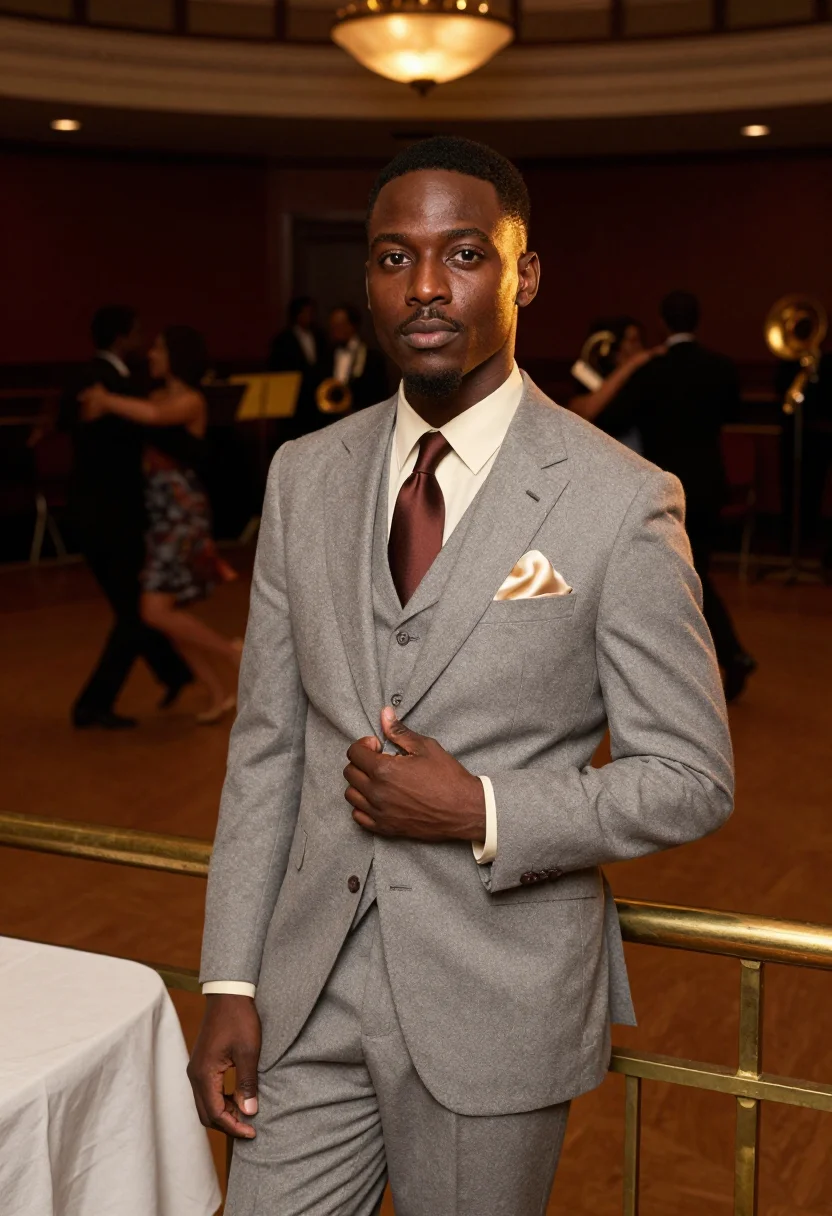
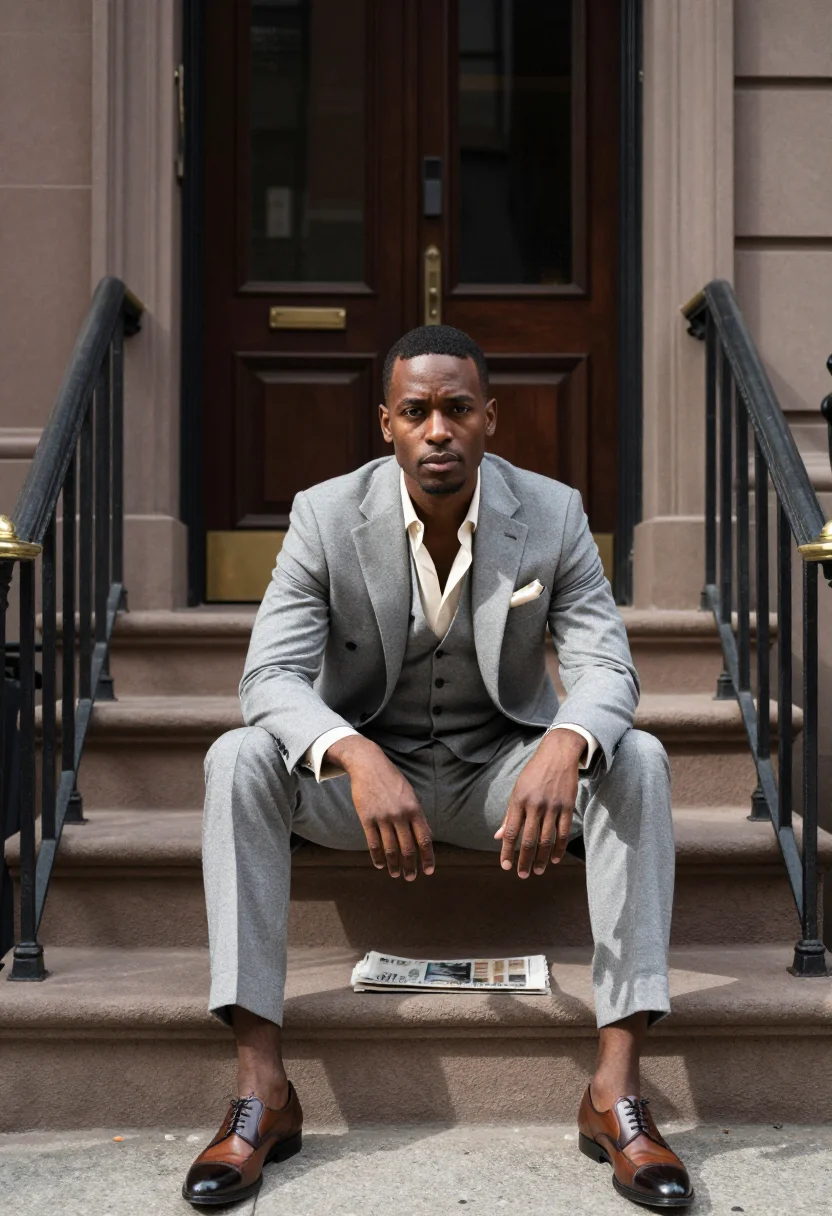
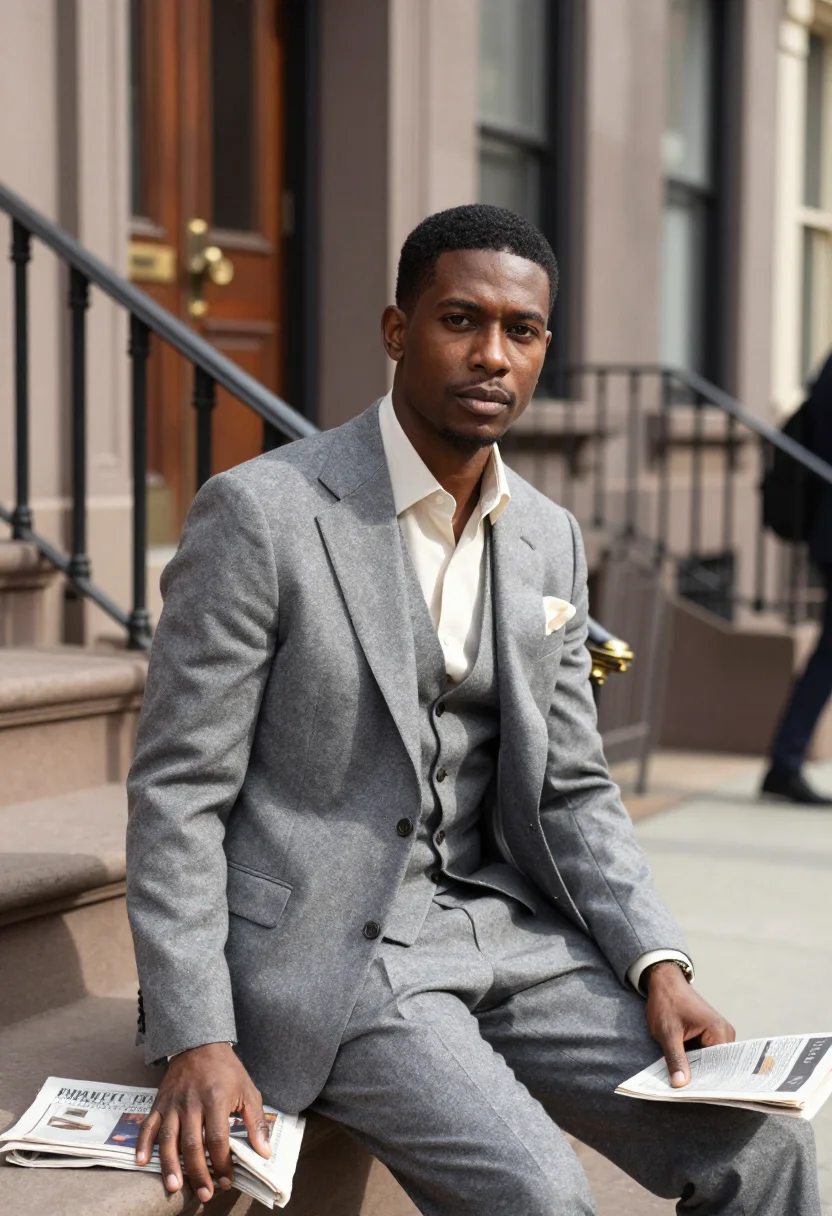
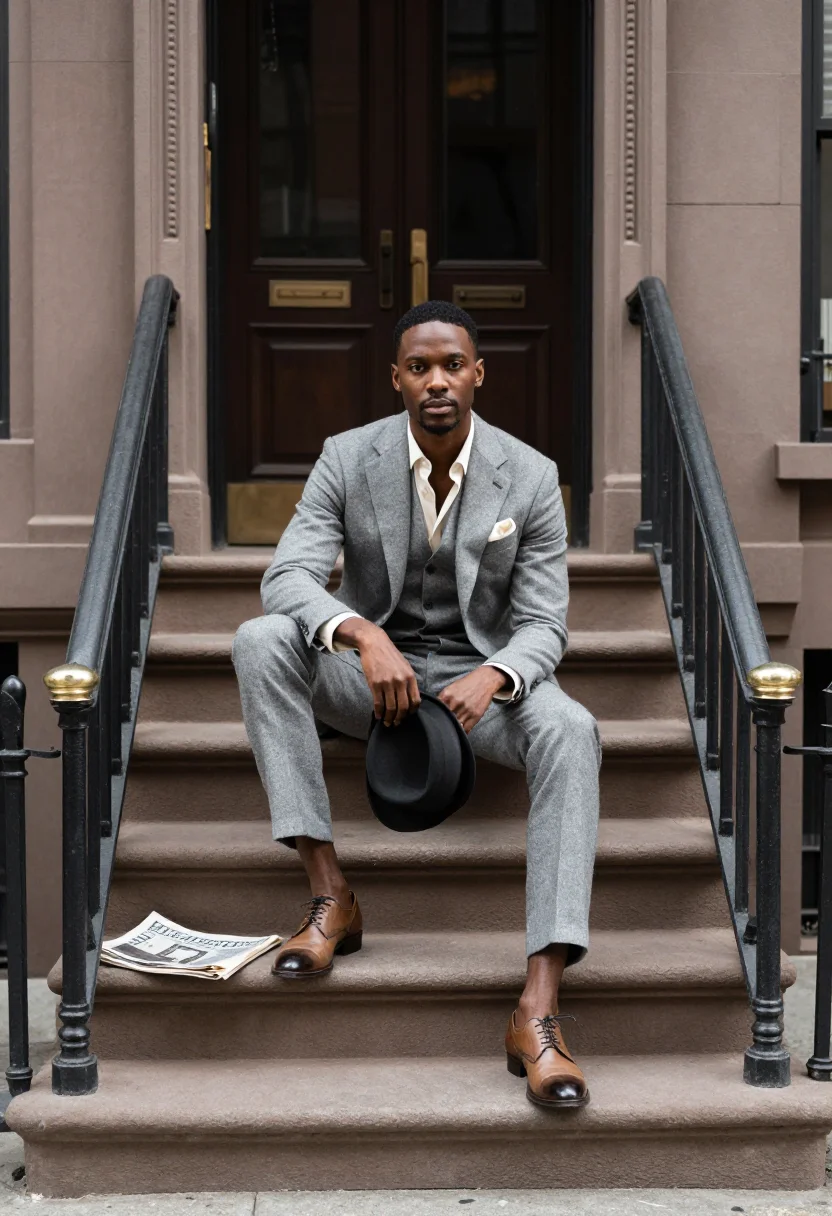
Nine photographs of you, styled after James Van Der Zee's Harlem, 1928 — a formal studio sitting, the Savoy Ballroom's rail, a Lenox Avenue stoop, in portrait format. The nine vary in crop, expression and light, so there are real choices, not nine identical files.
/harlem-renaissance · photo · 3 scenes
A Harlem Renaissance Photoshoot, Studio and Street
no account · ~15s · try it on with one selfie
More jazz, more tailoring
one model wears them all →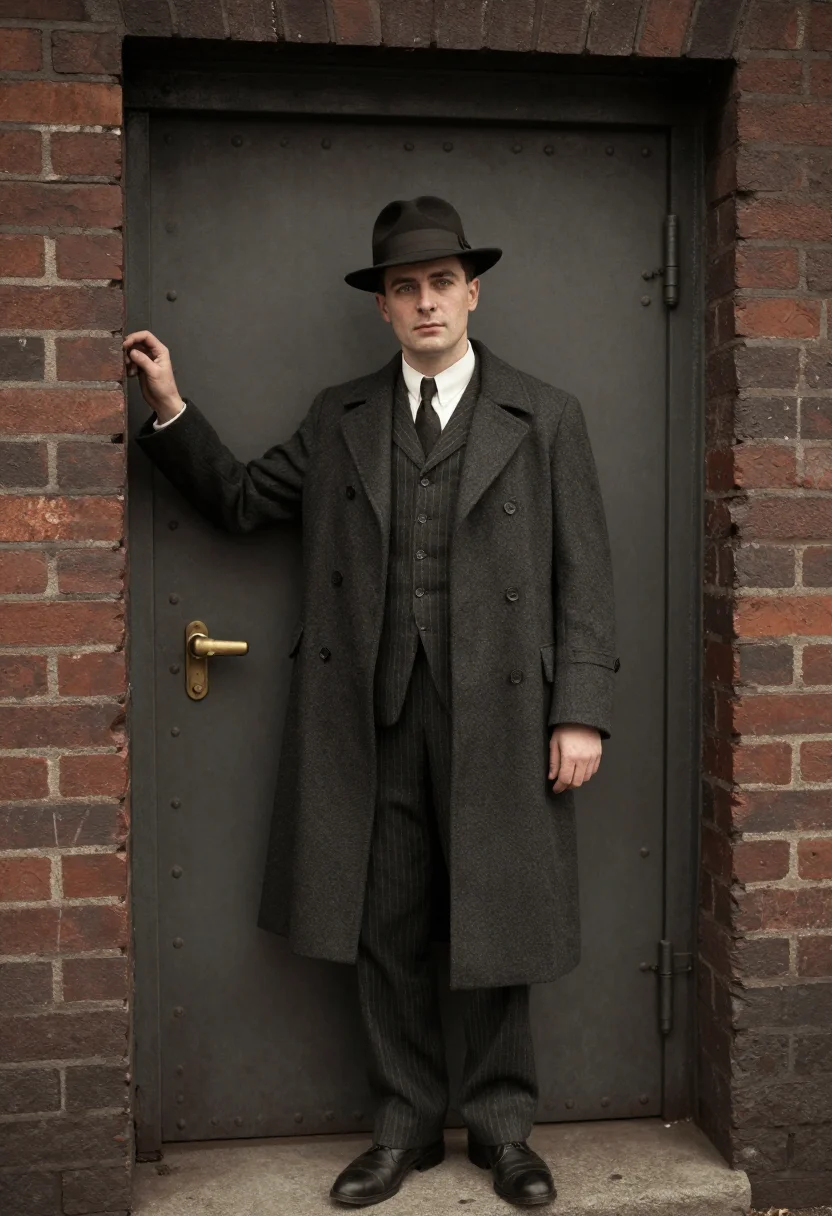
all 9 photos in this pack ↓
How it works
Three steps.
1
Add your photos
Add photos of yourself. We check each one when you add it.
2
We create your model
We create your AI model from your photos. Your photos are ready in a few hours.
3
Every pack, with your face
This pack and every other pack on Narcis can then be made with your face, and single photos too.
The Harlem Renaissance photoshoot register
Harlem, 1928, at full renaissance: a jazz age men fashion register drawn from James Van Der Zee's studio, where the community sat for posterity in painted-backdrop formality. Sharply tailored three-piece suits with wide peak lapels, silk pocket squares, two-tone spectators, a homburg carried rather than worn.
The palette is dove grey, cream, mahogany, brass — dignified monochrome warmth. Three moods: a formal studio sitting before a painted backdrop of drapery, even north-light softness and unhurried symmetry; the Savoy Ballroom's rail in motion-warm tungsten, one foot keeping time to a blur of dancers; a Lenox Avenue stoop in morning sun, newspaper folded beside, neighbors passing at the frame's edge.
The output is photoreal, drawing directly on Van Der Zee's own studio-portrait genre — a real-looking photograph of you, not a painting or an illustration. A vintage suit photoshoot only lands when it reads as an actual studio sitting.
How to photograph yourself for a Harlem Renaissance photoshoot
Better source photos make better portraits.
- Even, soft lightWindow light on your face, no overhead bulbs or flash — the studio-sitting register was built on soft even north light.
- Front or three-quarter angleEye level, facing the camera or turned slightly. No selfie-stick uplook.
- Face fully clearNo hats or sunglasses in the source photo — the model needs your face fully visible to build the homburg-carried, not-worn look.
- A composed, unhurried expressionVan Der Zee's studio gaze is posterity's — level and owed, not a big grin. A calm, confident look reads truest.
- Plain background is fineThe painted backdrop replaces your own entirely — a plain wall behind you just keeps the model's focus on your face.
Frequently asked questions
- Will it actually look like a real studio photo?
- Yes. The output is photoreal — a real-looking portrait of you in the studio sitting, on the Savoy's rail, and on the stoop — not an illustration or a painted rendering.
- Which scenes does the pack cover?
- Three moods from Harlem, 1928: the formal studio sitting, the Savoy Ballroom's rail, and the Lenox Avenue stoop. Nine portraits, three per scene.
- Is it honest to post this as an actual family archive photo?
- It's a genuine portrait of you, styled in that studio register — not a period photo. Use it as a portrait you're proud of, not as a claim of a real historical sitting.
- How is this different from booking a portrait studio?
- A real Van Der Zee-style sitting means sourcing a tailored three-piece suit, a painted backdrop, and a photographer trained in that studio lighting. This gives you the same sitting, the same rail, the same stoop.
- Can women use this pack?
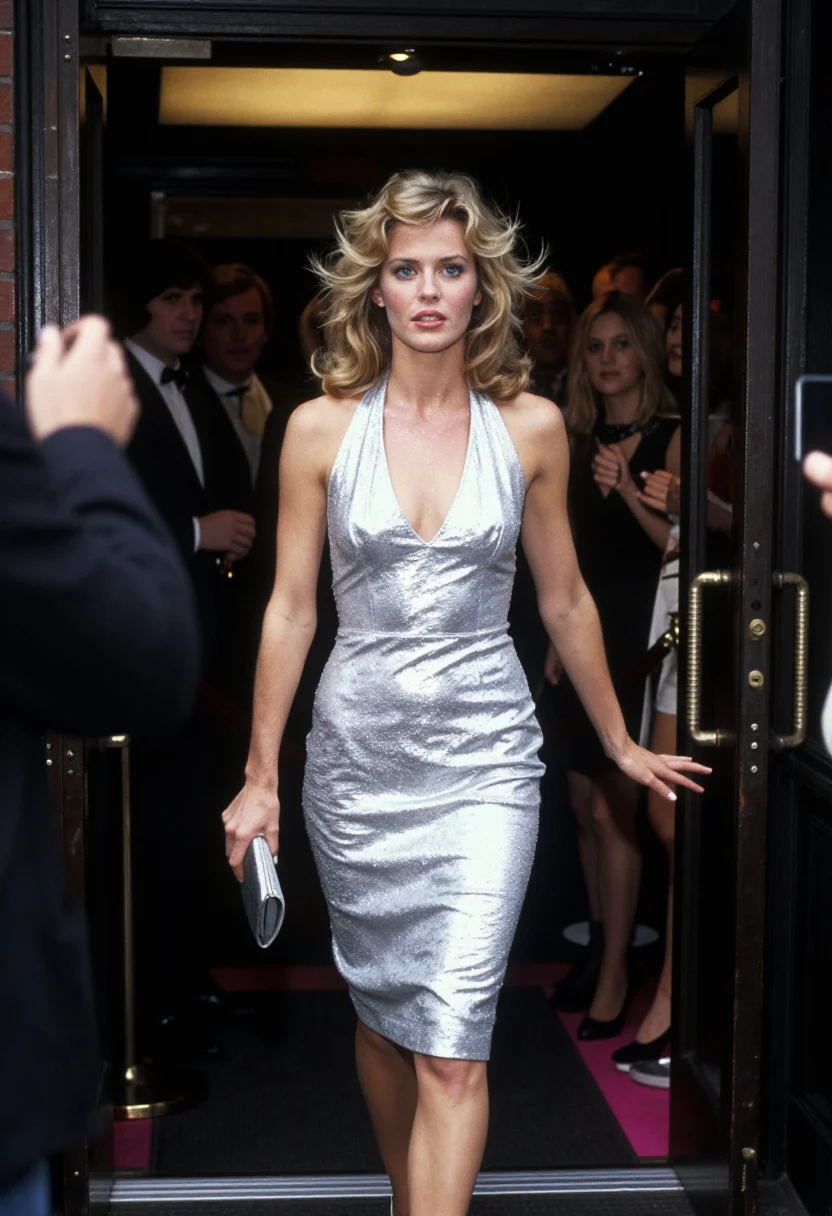
- The tailoring — three-piece suits, homburgs, spectators — is built for men's Harlem Renaissance style.
- Will the photos look like me?
- Every photo looks like you, well photographed. If one is nearly right, say what to change, in your own words.
- Do I have to write a prompt?
- No. There is nothing to write: you pick a pack, and it is ready in seconds.
- How many photos of myself do I add?
- Between six and twenty, from different days and in different light, with your face clear. We check each one when you add it.
- What happens to the photos I add?
- They are used only to create your model, on our own servers in the European Union. They are not shared and not sold.
When the Harlem Renaissance pack fits
- For a formal portrait honoring Black excellence and the Harlem Renaissance era
- For a profile picture with dignified, studio-grade polish
- For an Instagram feed built around vintage jazz age men fashion
- For a portrait gift for anyone who loves Van Der Zee, the Savoy, or the Harlem Renaissance
- For a phone or desktop wallpaper with real archival weight
- For a print or framed portrait for a home or office wall
- For a personal brand photo with formal, composed authority
- For a family or milestone gift honoring heritage and history
About narcis
Most AI photo tools put every pose, job, era, and style in one giant catalog. The photos all look like every other AI photo on the internet — a glaze over a stock face. Narcis goes the other way. One job: photos of you that look like photographs. You add at least 6 photos of yourself, and we create your AI model from them. Your photos are ready in a few hours, and we email you when they are. Then this pack and every other pack on Narcis can be made with your face. Each pack is curated against real references — paintings, photographers, places — and tested on real faces before it goes live. Built and run by one small team, on our own servers.
All images are AI-generated. By using this service, you confirm you are 18+, that any face photo you upload is your own or used with explicit consent. Full Terms