Kalakuta Afrobeat Portraits
Nine photos of you in one setting
How your model is created from your photos
Every pack on Narcis, made with your face
Nine photographs of you in one setting: one pack of the Narcis catalogue.
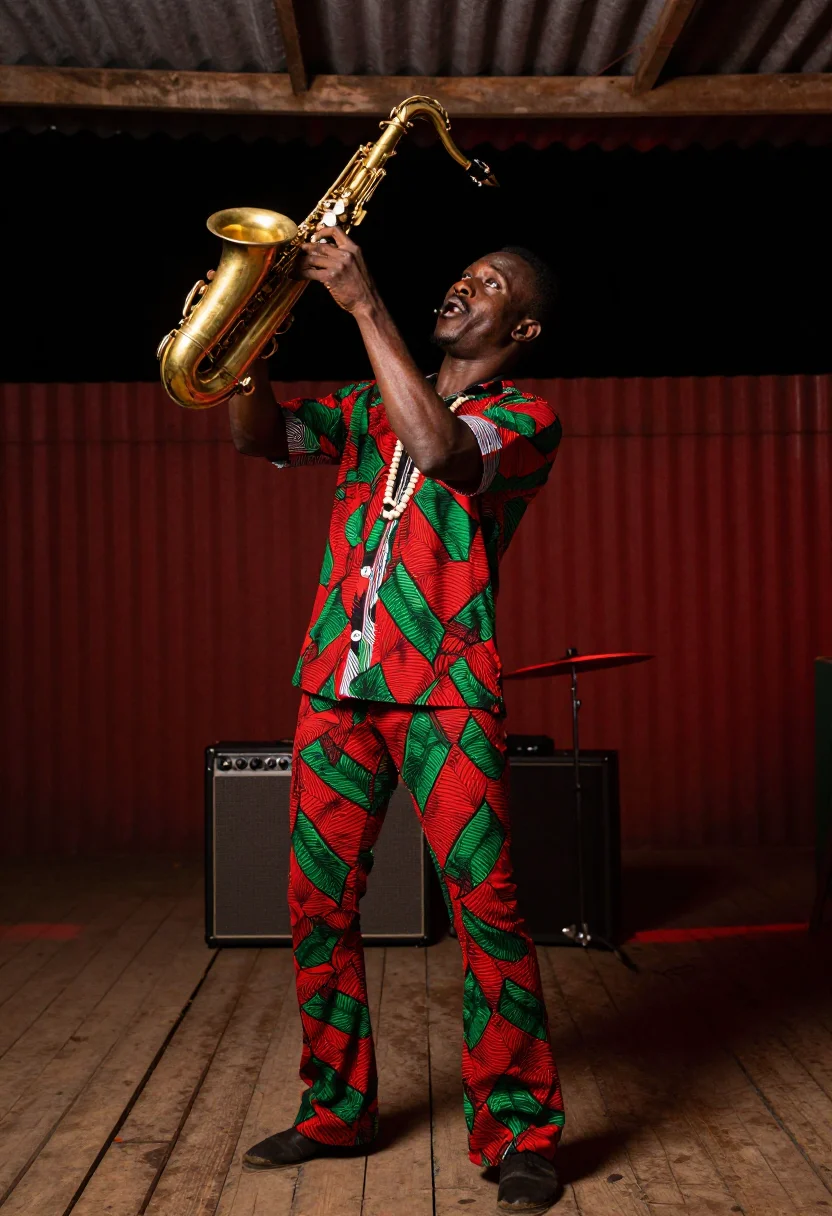
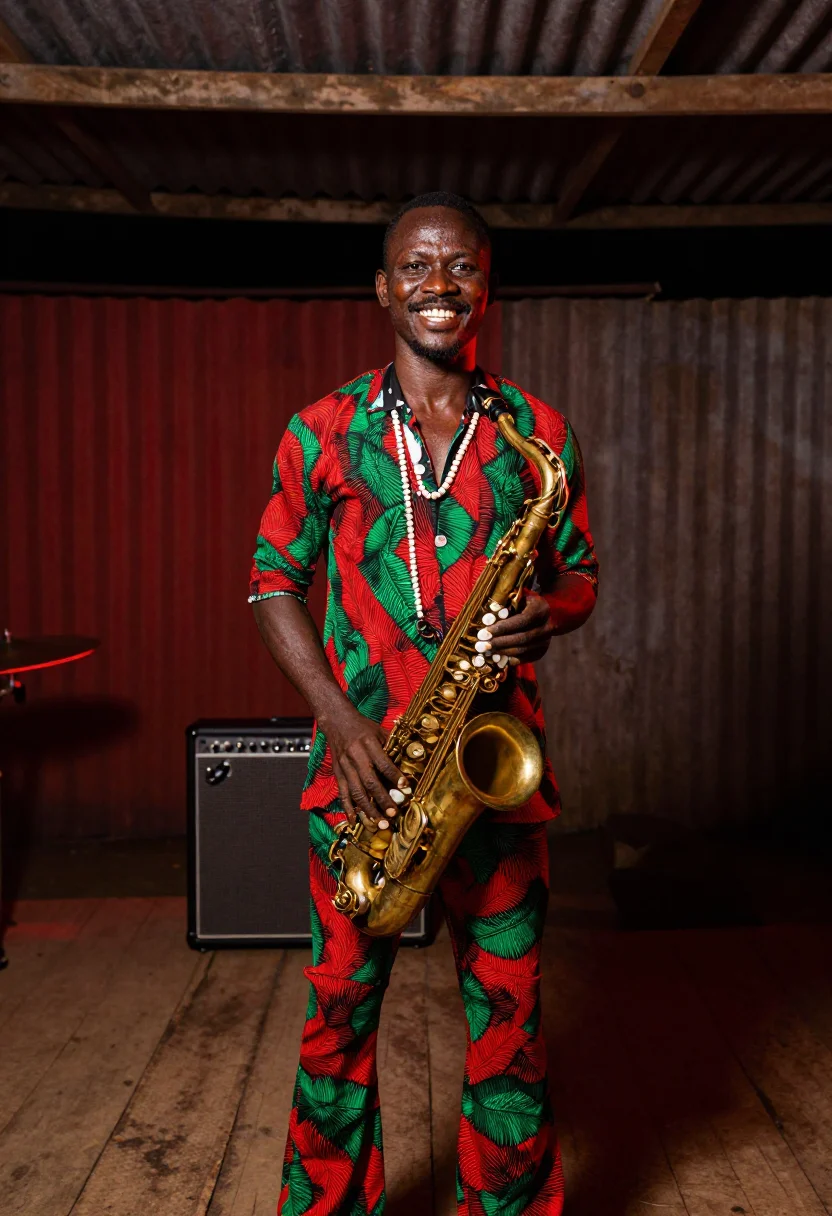
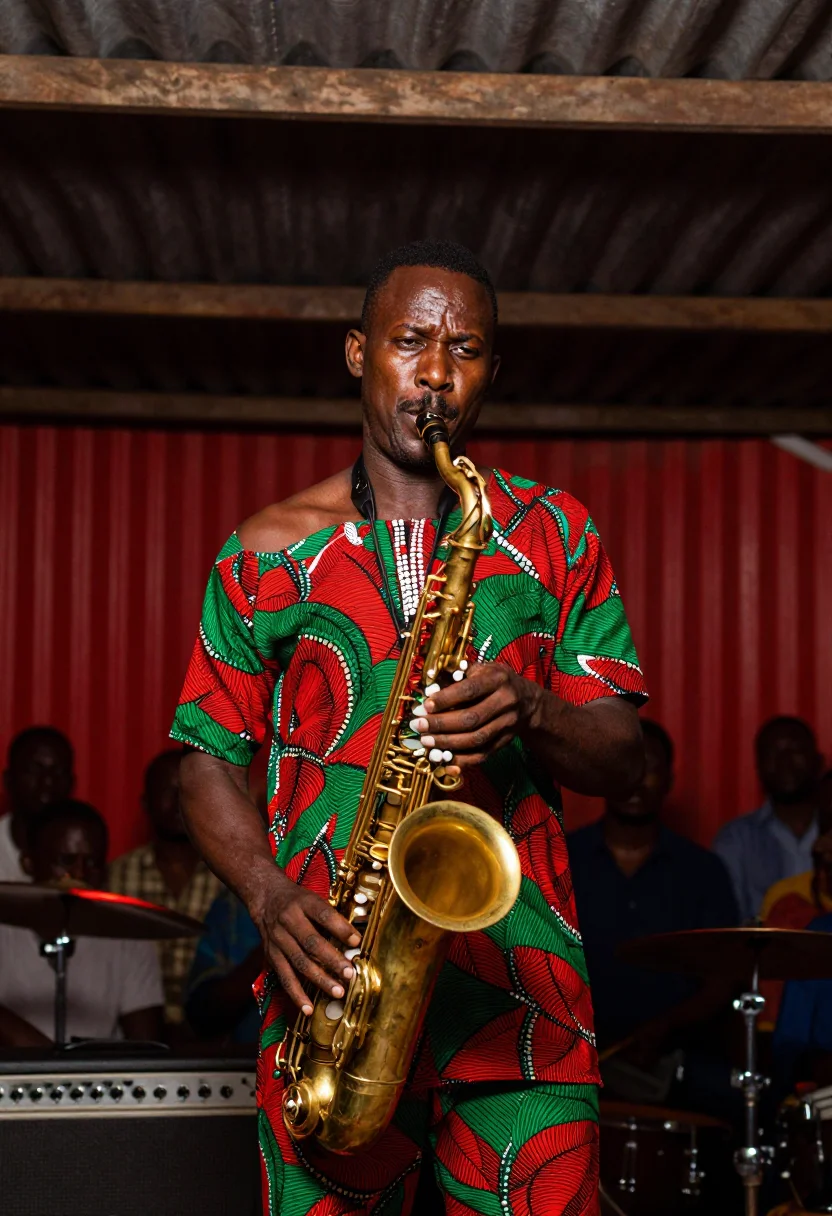
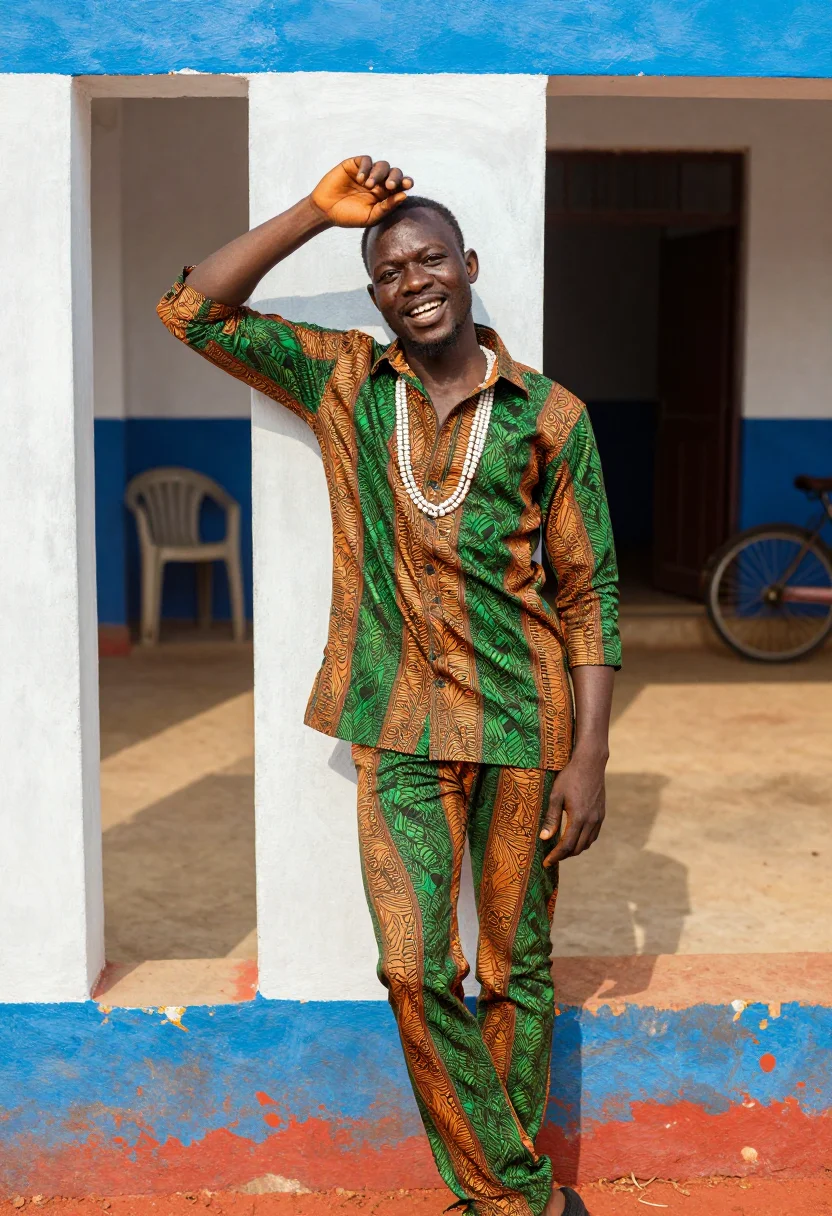
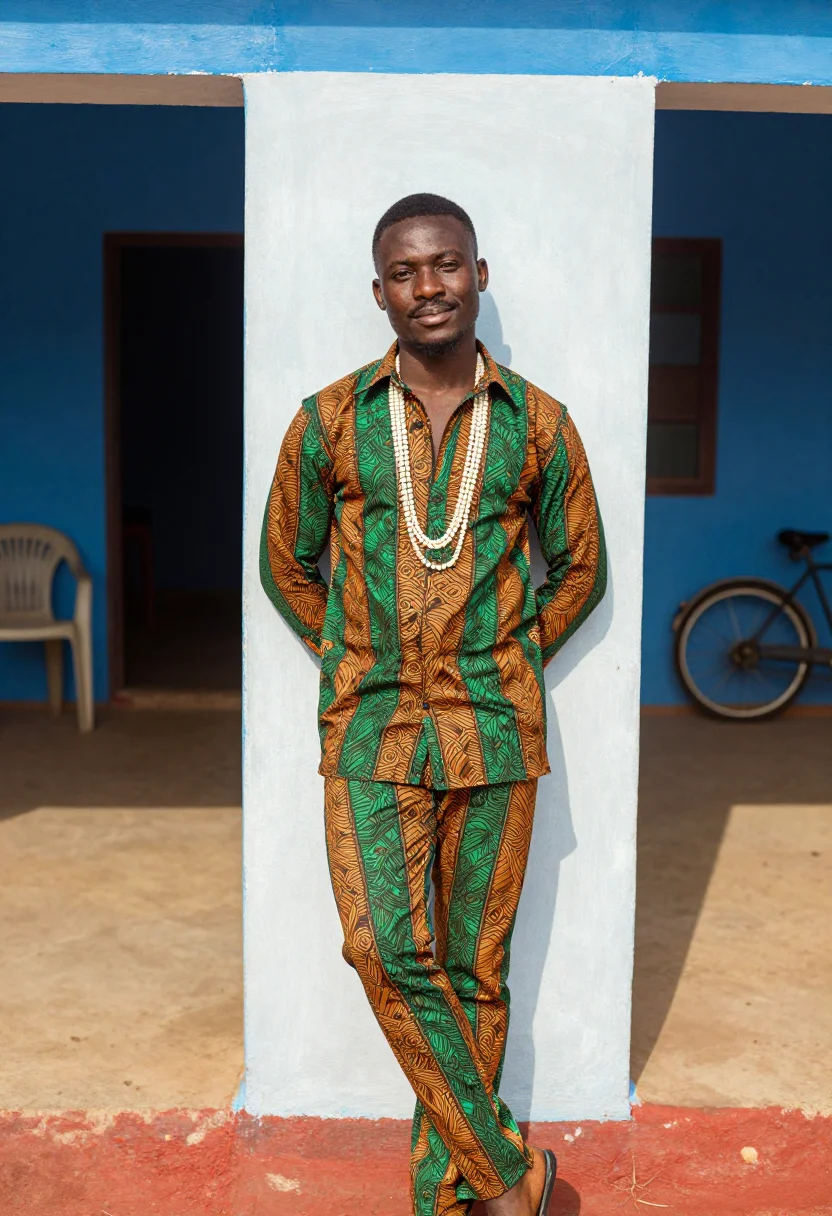
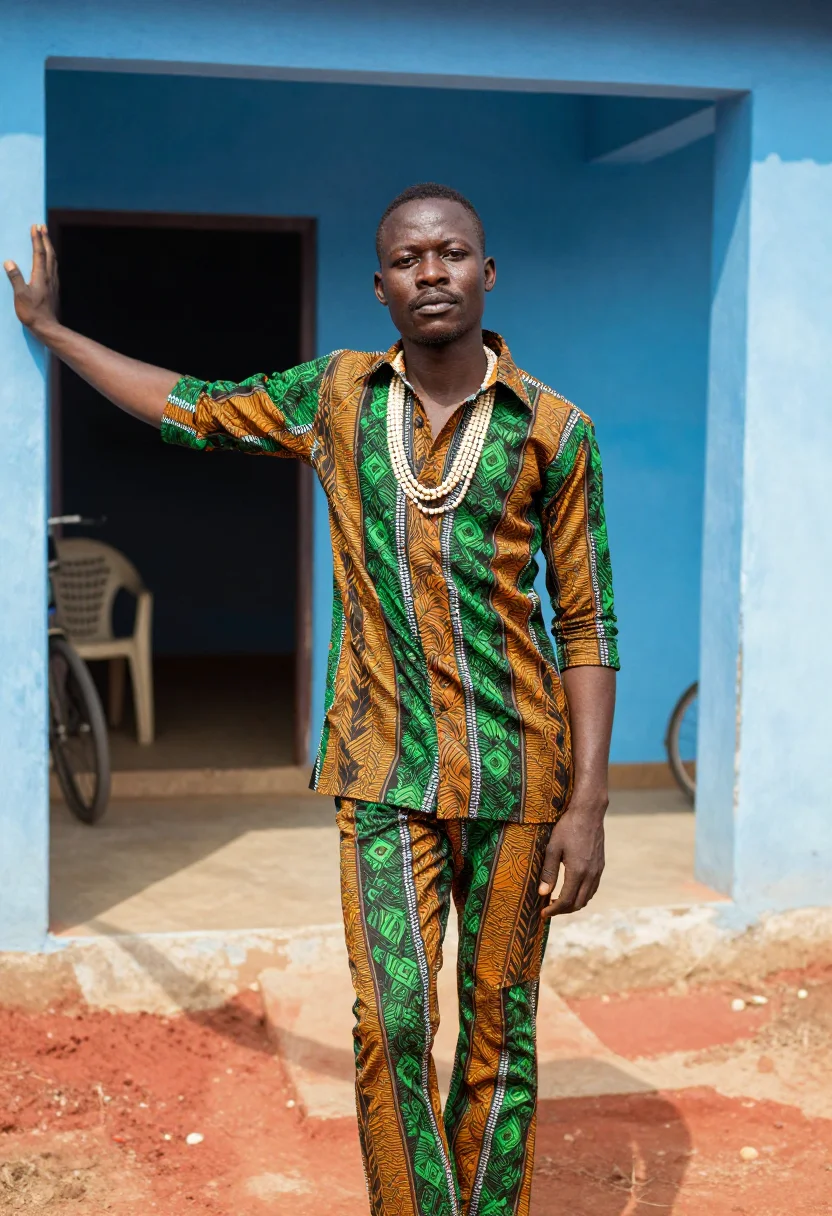
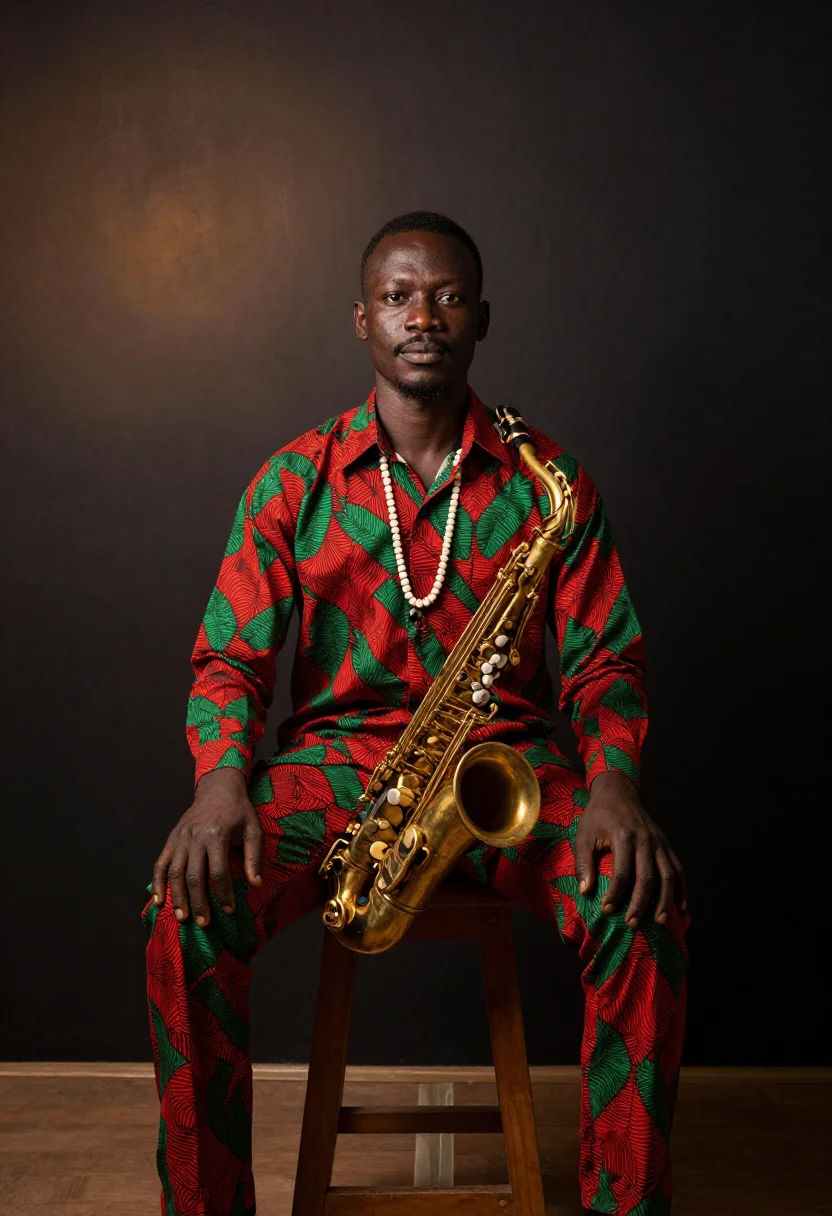
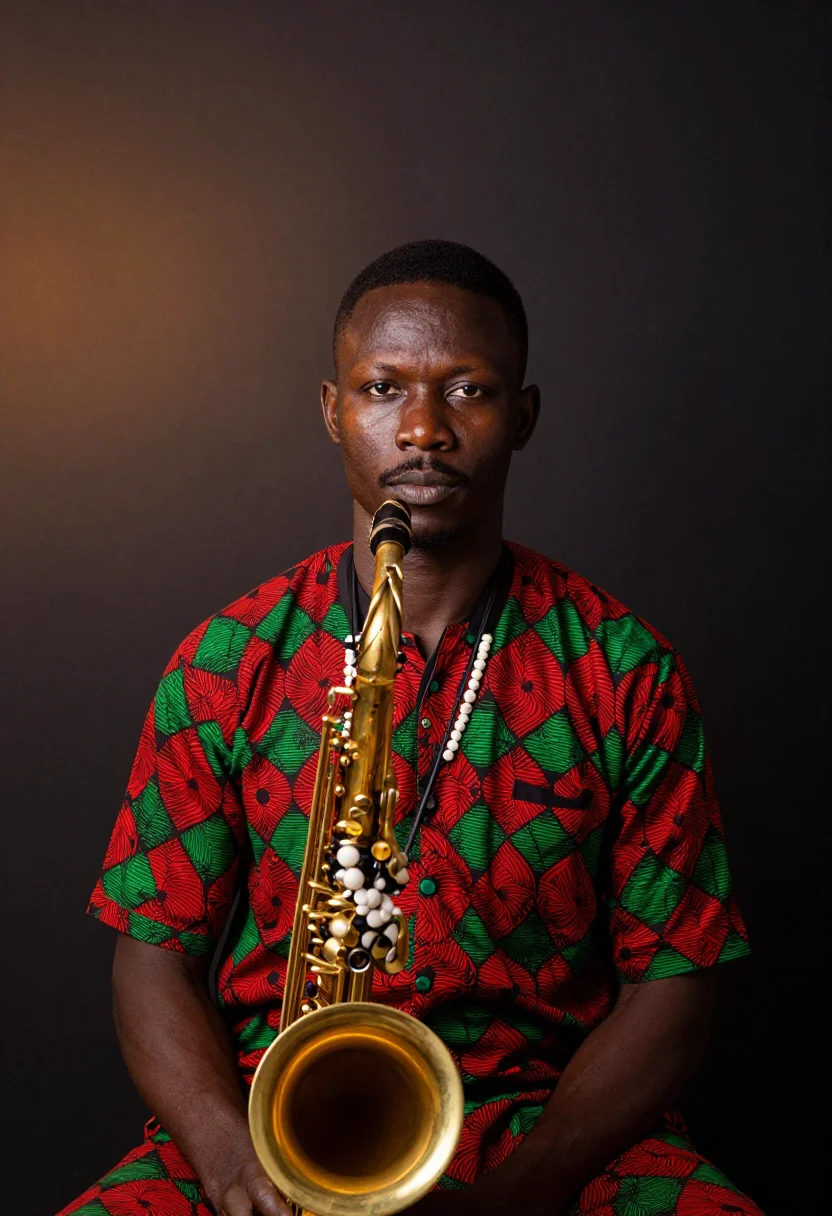
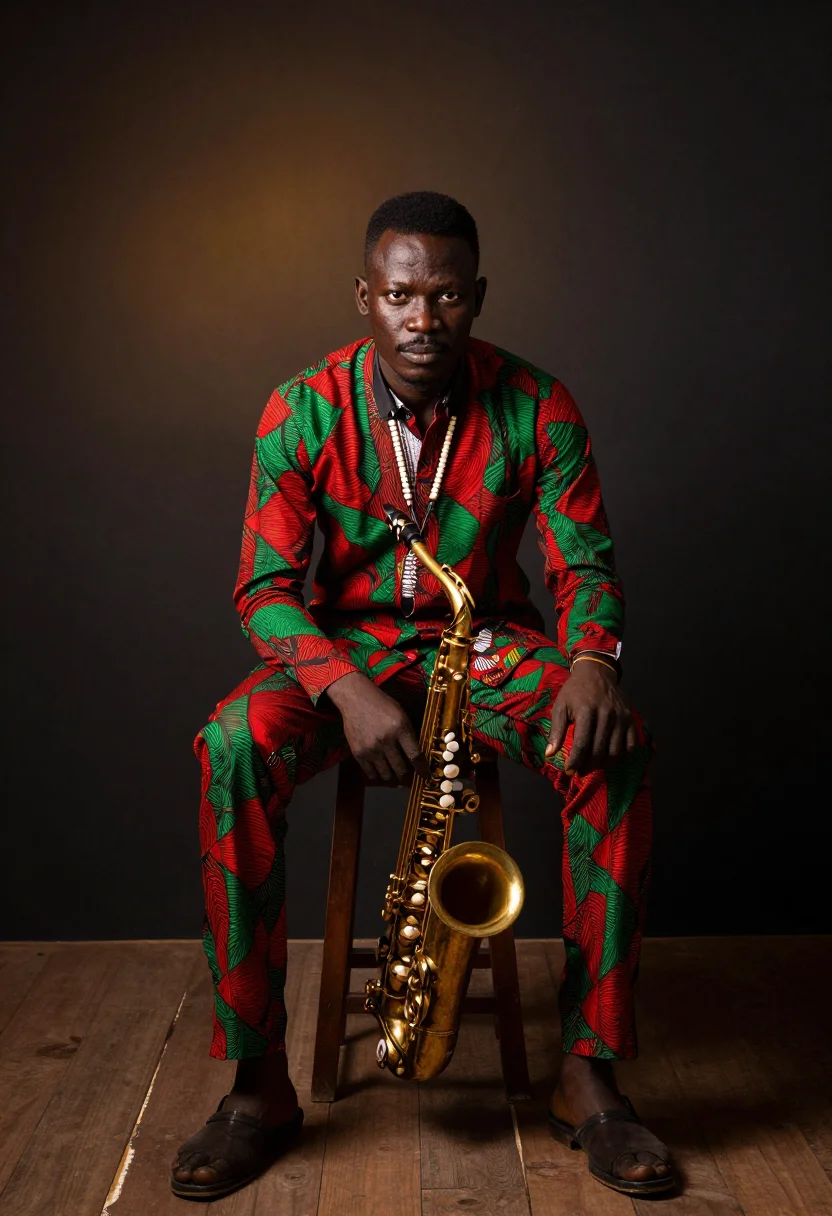
Nine photographs of you, styled in the seventies Lagos afrobeat register — a bold printed shirt open at the chest, tight flared trousers, beads and a saxophone — on a stage under a corrugated roof, against a painted compound wall, and before a plain dark backdrop, in portrait format. The nine vary in crop, expression and light, so there are real choices, not nine identical files.
/kalakuta · lifestyle · 3 scenes
Kalakuta Afrobeat Portraits
no account · ~15s · try it on with one selfie
More stages and scenes
one model wears them all →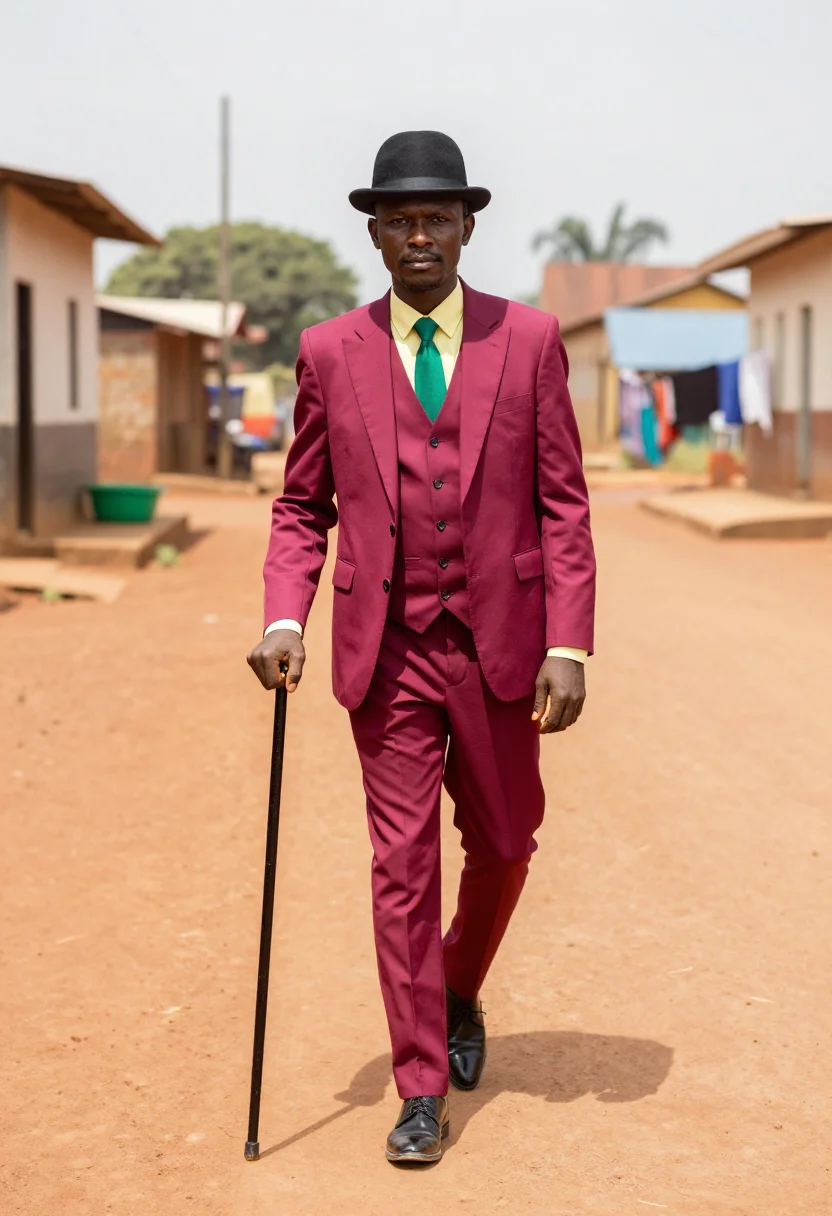
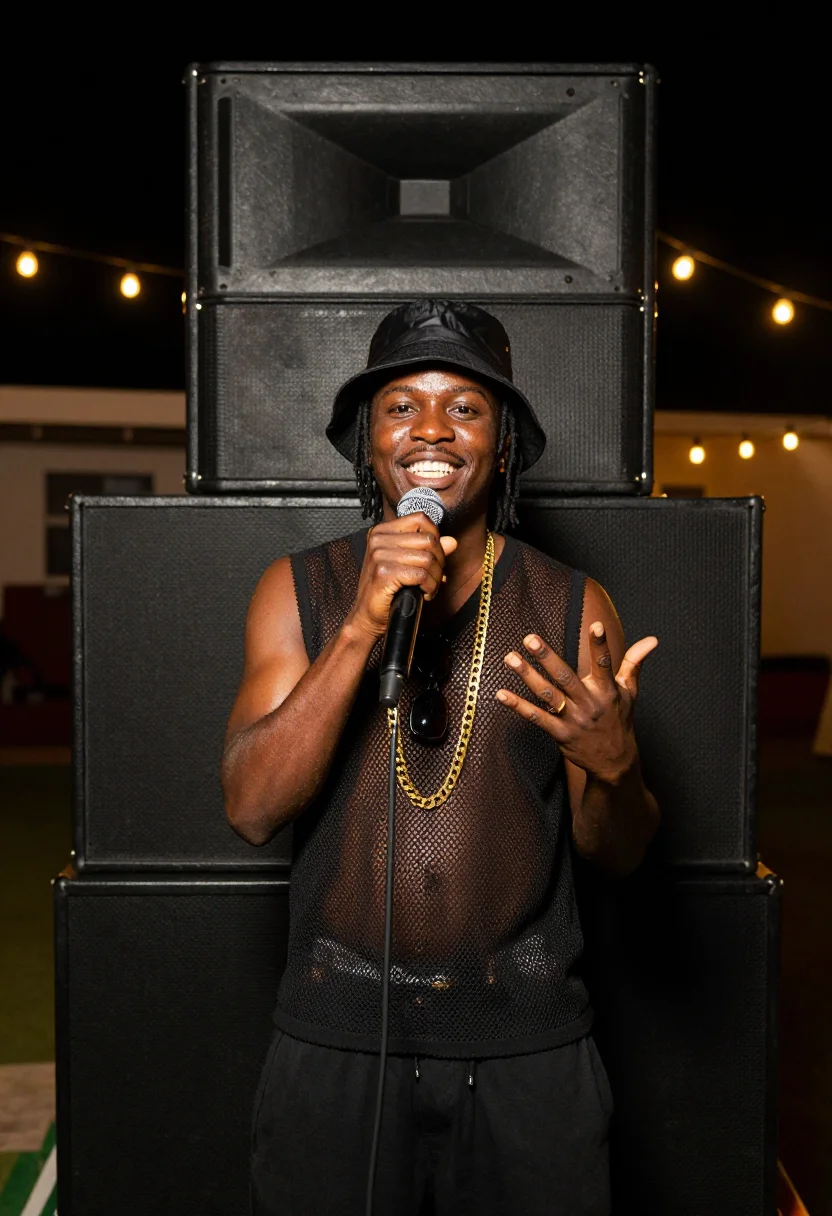
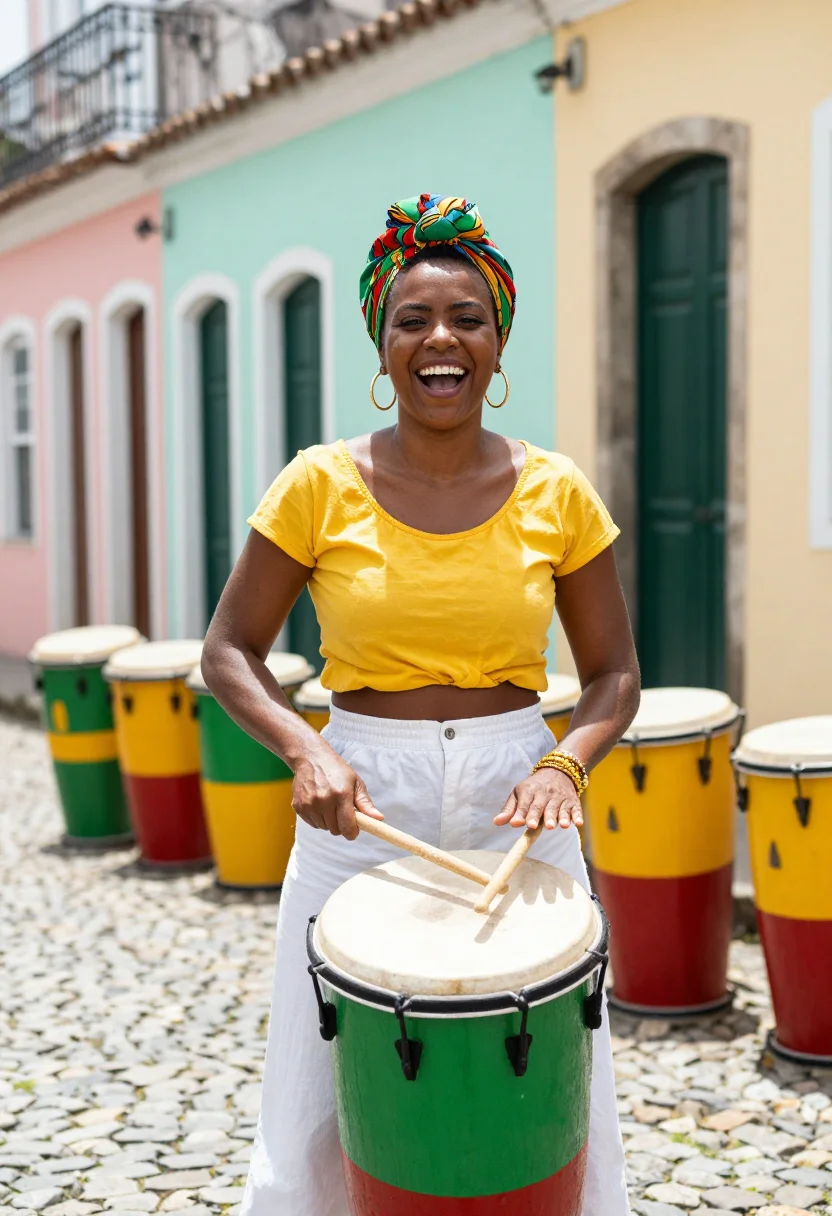
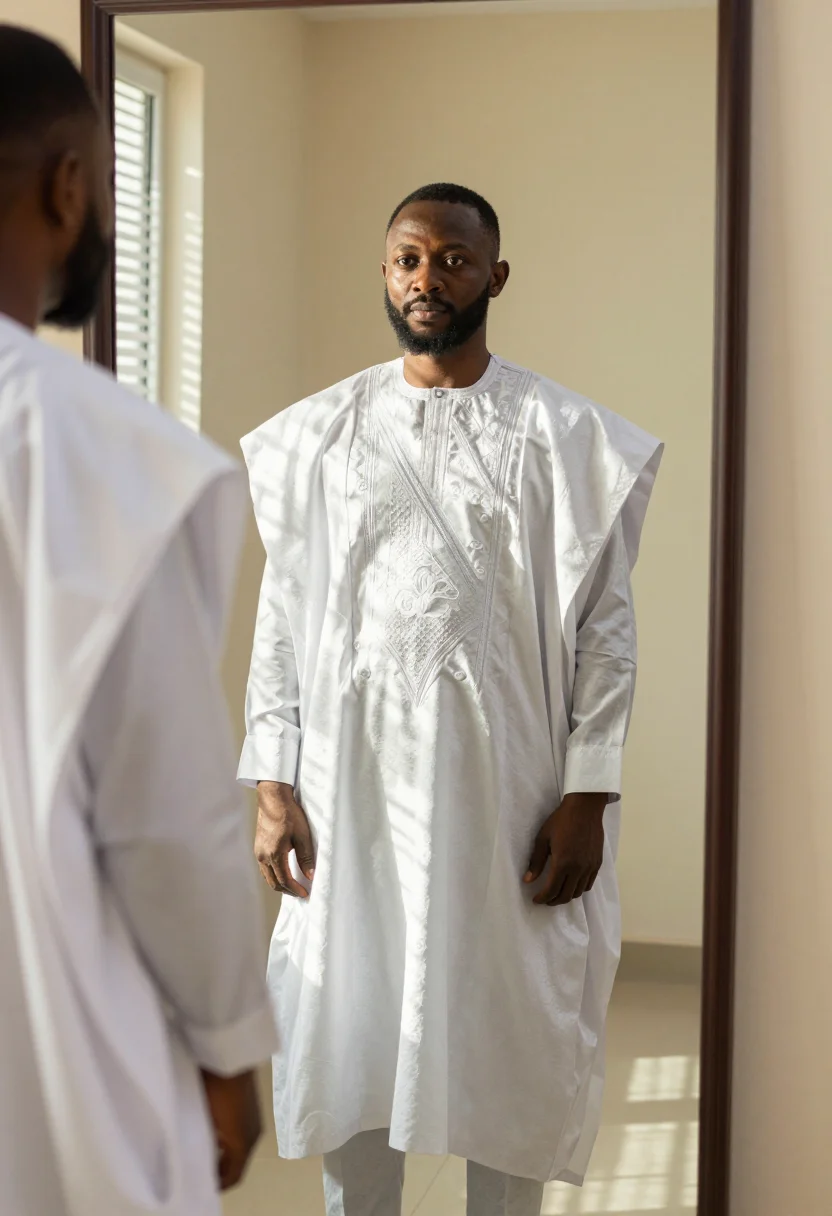
all 9 photos in this pack ↓
How it works
Three steps.
1
Add your photos
Add photos of yourself. We check each one when you add it.
2
We create your model
We create your AI model from your photos. Your photos are ready in a few hours.
3
Every pack, with your face
This pack and every other pack on Narcis can then be made with your face, and single photos too.
The Kalakuta afrobeat register
Afrobeat was built in Lagos at the end of the 1960s and through the 1970s, out of highlife's horn sections, American jazz and funk, and Yoruba percussion — long grooves that run fifteen minutes before anyone sings, held down by a rhythm section that never hurries. It was played at the Shrine, in front of a crowd, in heat, by a band big enough to fill a stage twice over, and it came attached to a compound where the musicians and dancers actually lived. The visual register followed the music: a bold printed shirt worn open to the chest, tight flared trousers, beads at the neck, a saxophone in hand, sweat as part of the costume rather than a failure of it. Stage light in that room was coloured and unforgiving — red and amber from the front, a corrugated roof throwing everything back down. The palette this pack runs is print colour, brass gold, stage red and Lagos night. It is a loud register, deliberately, because the music was an argument as much as a groove.
Three situations carry it. On stage you stand centre under the corrugated roof with the saxophone raised, coloured light across the shirt, caught mid-note with the band implied around you. In the compound you lean on a painted wall in the same shirt with one hand raised, flat afternoon light, grinning at something off-frame. In the portrait you sit before a plain dark backdrop with the sax across your knees, shirt open, gaze level and defiant — the frame that puts the whole thing on record. The output is photoreal: a real-looking 70s Lagos portrait of you in the printed shirt, not a painting. What the pack borrows is the dress, the stage and the light of an afrobeat photoshoot; what it reproduces is your face. It renders you in that register — it does not depict, impersonate or claim any real musician, band or venue.
How to photograph yourself for an afrobeat photoshoot
Better source photos make better portraits.
- Even, soft lightStand near a window with indirect daylight. Avoid overhead bulbs and direct flash — the stage supplies its own colour.
- Front or three-quarter angleEye level, facing forward or turned slightly. No selfie-stick uplook, no overhead crop.
- Face fully clearHair off the forehead, no sunglasses. A clear face gives the most to match under coloured stage light.
- A defiant, unsmiling gaze — or a real grinThe register carries both: the stage and studio frames want a level, defiant look, the compound frame wants an easy laugh. A neutral, direct source photo lets the pack decide.
- Plain background is fineThe stage, the painted compound wall and the dark backdrop replace whatever is behind you — a plain wall just helps the model focus on your face.
Frequently asked questions
- Will it actually look like a real Lagos music photoshoot?
- Yes. The output is photoreal — a real-looking photograph of you on stage with the horn raised, against the compound wall, or seated with the sax across your knees. Not a painting, not a cartoon, not a filter.
- Which scenes does the pack cover?
- Three: the Shrine's stage under a corrugated roof with the saxophone raised mid-note, the compound's painted wall in afternoon light, and a plain dark-backdrop portrait with the sax across the knees. Nine portraits, three per scene.
- Does this make me look like a specific afrobeat musician?
- No, and it isn't meant to. The pack renders you in the register — the printed shirt, the sax, the stage, the seventies Lagos light. It depicts no real musician, band or venue, and claims no affiliation with any.
- Can women use this pack?
- The dress and framing render as a male sitter by default — the open printed shirt, the flared trousers, the beads. Olodum Pelourinho covers a feminine Black-music register, in Bahia rather than Lagos.
- How is this different from the Kingston Sound System pack?
- Both are Black music at full volume; the machinery differs. Kalakuta is a live band — brass, a stage, a fifteen-minute groove. Kingston Sound System is records: a selector, a wall of speaker boxes, a yard at night.
- Can I use it commercially?
- It's for personal use — profile pictures, prints, gifts — not licensed stock photography for resale or paid ad campaigns.
- Will the photos look like me?
- Every photo looks like you, well photographed. If one is nearly right, say what to change, in your own words.
- Do I have to write a prompt?
- No. There is nothing to write: you pick a pack, and it is ready in seconds.
- How many photos of myself do I add?
- Between six and twenty, from different days and in different light, with your face clear. We check each one when you add it.
- What happens to the photos I add?
- They are used only to create your model, on our own servers in the European Union. They are not shared and not sold.
When the Kalakuta pack fits
- A profile picture with a horn section behind it
- A musician's page that wants a seventies stage look
- A gift for anyone who plays brass or lives on afrobeat records
- A framed print of a saxophone portrait for a listening room
- A phone wallpaper in print colour, brass gold and stage red
- An album or gig announcement post, staged without a venue
- A character reference for a writer or game designer building a seventies Lagos world
- A dating profile photo used honestly as styled AI portraiture
- Anyone with Nigerian or West African roots who wants a portrait in that decade's own light
About narcis
Most AI photo tools put every pose, job, era, and style in one giant catalog. The photos all look like every other AI photo on the internet — a glaze over a stock face. Narcis goes the other way. One job: photos of you that look like photographs. You add at least 6 photos of yourself, and we create your AI model from them. Your photos are ready in a few hours, and we email you when they are. Then this pack and every other pack on Narcis can be made with your face. Each pack is curated against real references — paintings, photographers, places — and tested on real faces before it goes live. Built and run by one small team, on our own servers.
All images are AI-generated. By using this service, you confirm you are 18+, that any face photo you upload is your own or used with explicit consent. Full Terms