AI Klein Blue Generator — Free Preview, Then Train Your Model
See a Free Preview in Seconds, Before You Commit
Train Your Model Once, Render Klein Blue in About Ten Seconds
Studio-Quality Results Without a Studio Visit
Narcis generates a free preview of your klein blue from one uploaded photo. The preview streams in seconds — a quick sketch, close but not you yet. If you like it, train your model once — 12 to 20 photos, we email you when it's ready — and the full pack of nine is €9,99, rendered from your model in about ten seconds a portrait. No signup before the preview, and no waiting for an email until you choose to train.
The pack is nine professional klein blue rendered in portrait aspect ratio (2:3) — the shape LinkedIn banners, CVs, and print profiles actually use. Each image shows varied crops, expressions, and light angles so you have real choices, not nine identical files.
Photos are processed on European servers. We use your photo to generate your headshots; we do not share it with third parties.
/klein-blue · lifestyle · 3 scenes
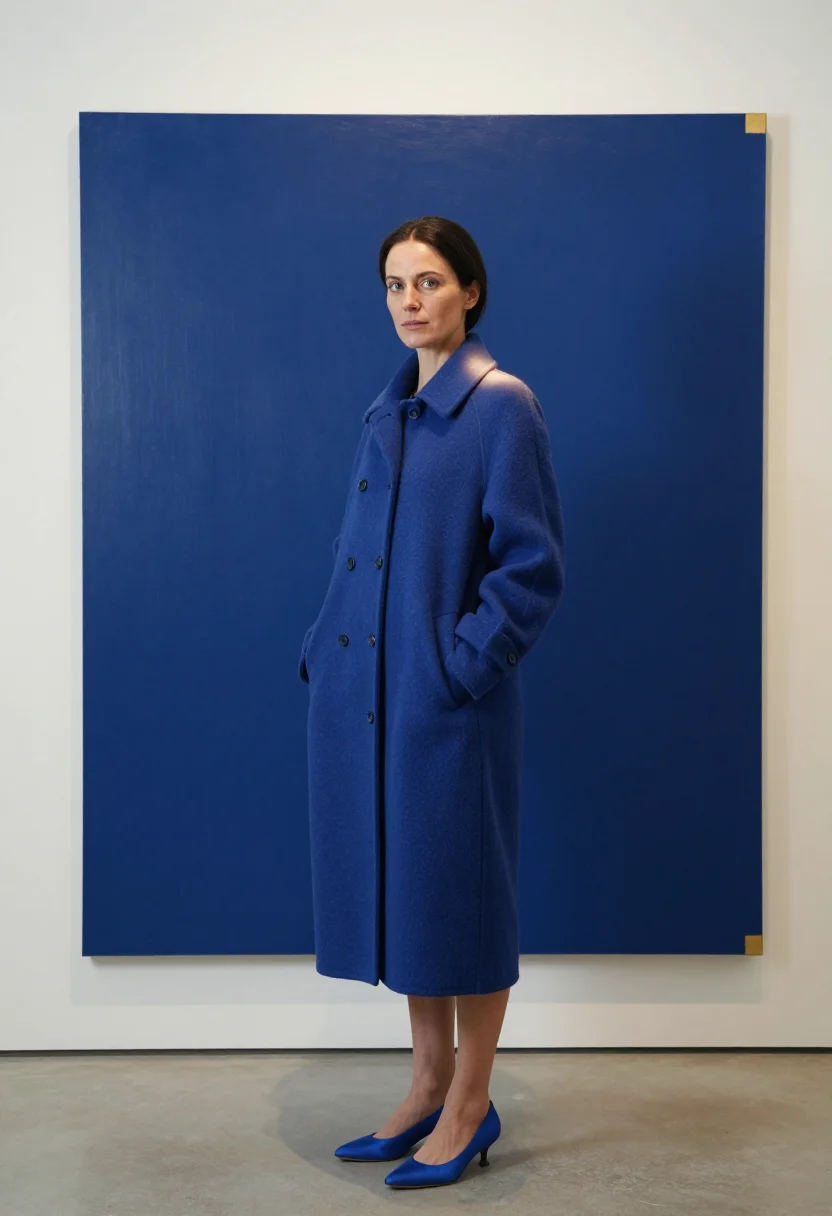
The Klein Blue Photoshoot — One Colour, Wall to Floor, Paris 1960
no account · ~15s · the first shot is free
More of the cool tones
one model wears them all →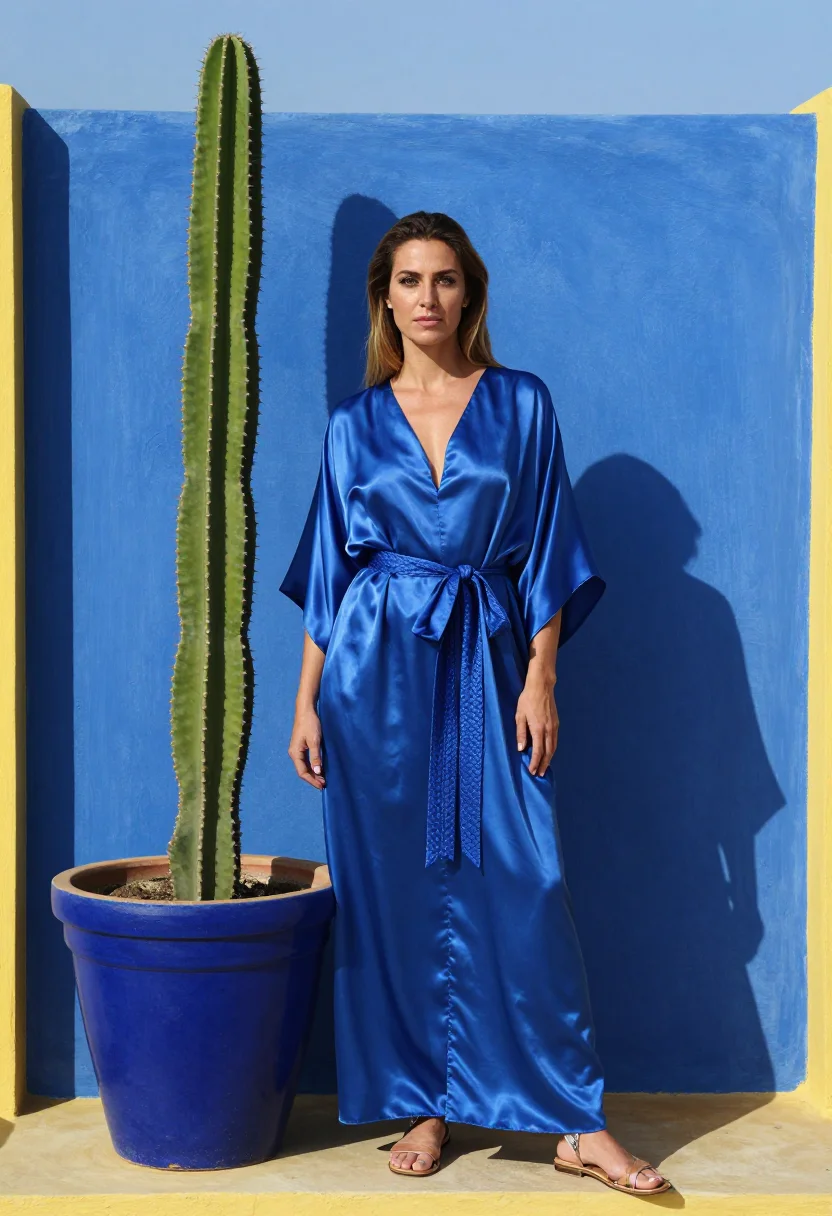

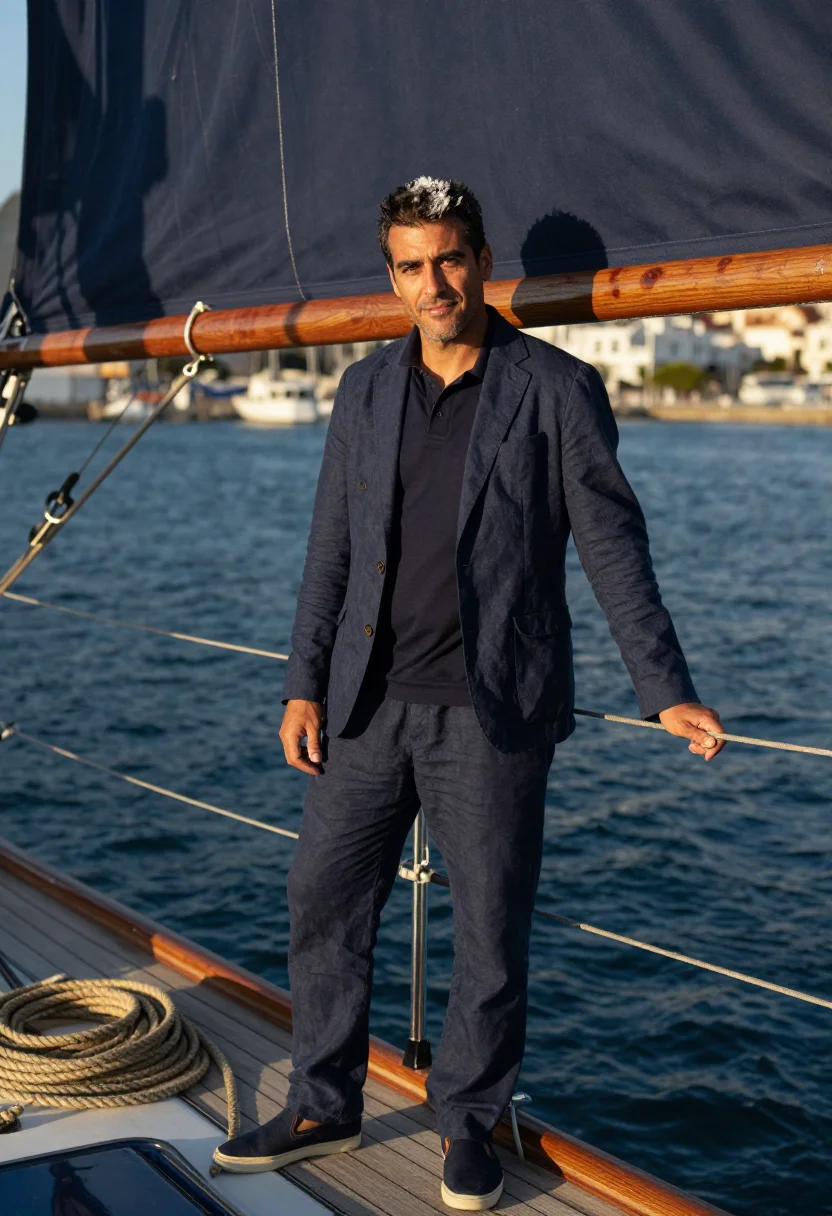
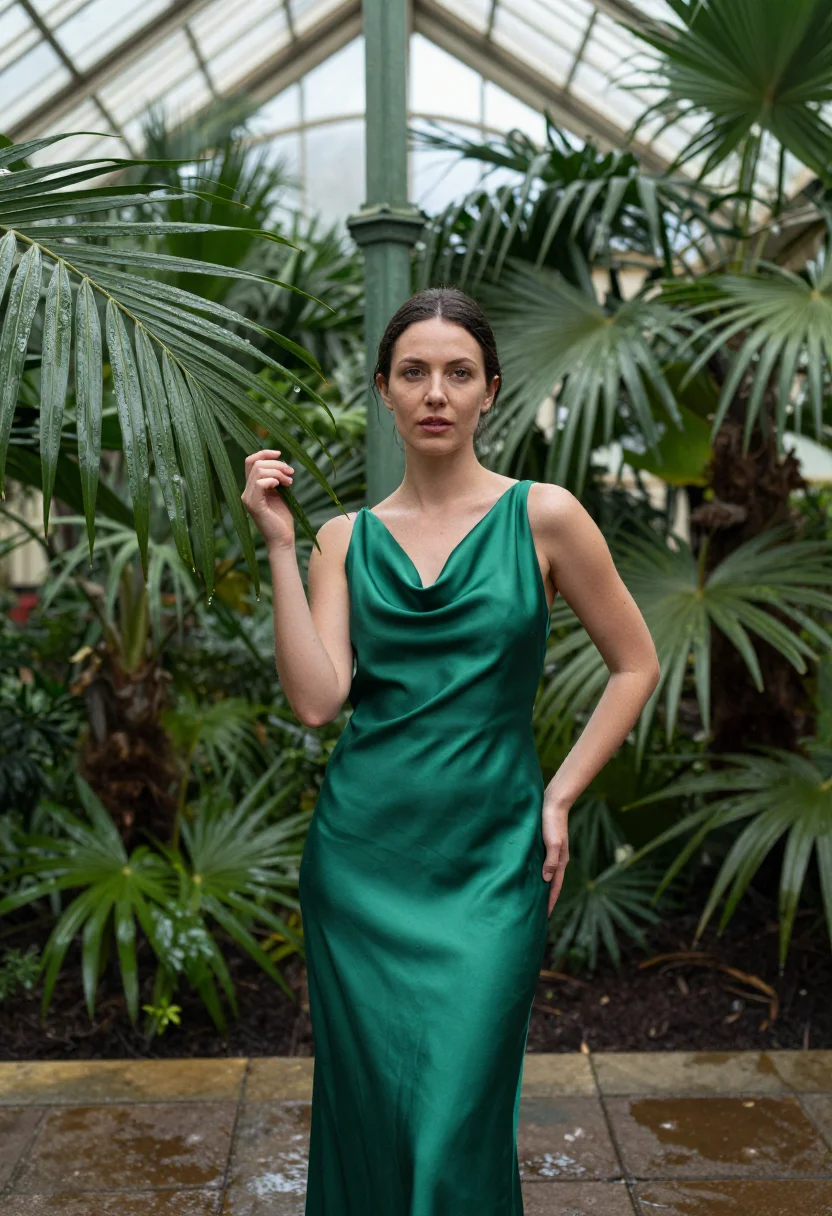
all 9 looks — from one photo ↓
How it works
Three steps. Upload, preview, deliver.
1
Upload 1 to 5 selfies
One is enough for the free preview. More angles sharpen the likeness.
2
See a free preview
A quick sketch of your likeness streams in seconds — close, not you yet, before you pay.
3
Train your model, then unlock 9
€9,99 one-time. Train your model once — 12 to 20 photos, we email you when it's ready — and all nine render in about ten seconds each. Every future pack and Studio portrait render the same way, no repeat training.
The Klein Blue register
In 1960 Yves Klein patented the ultramarine he had spent years chasing — a pigment suspended in a binder that refuses to dull it, so it stays matte and bottomless, more like a hole in the wall than a colour on it. He showed the monochromes at Galerie Iris Clert on the rue des Beaux-Arts and made them in the studio on the rue Campagne-Première. This pack puts you inside that proposition: a room that is entirely one colour, and one figure standing in it.
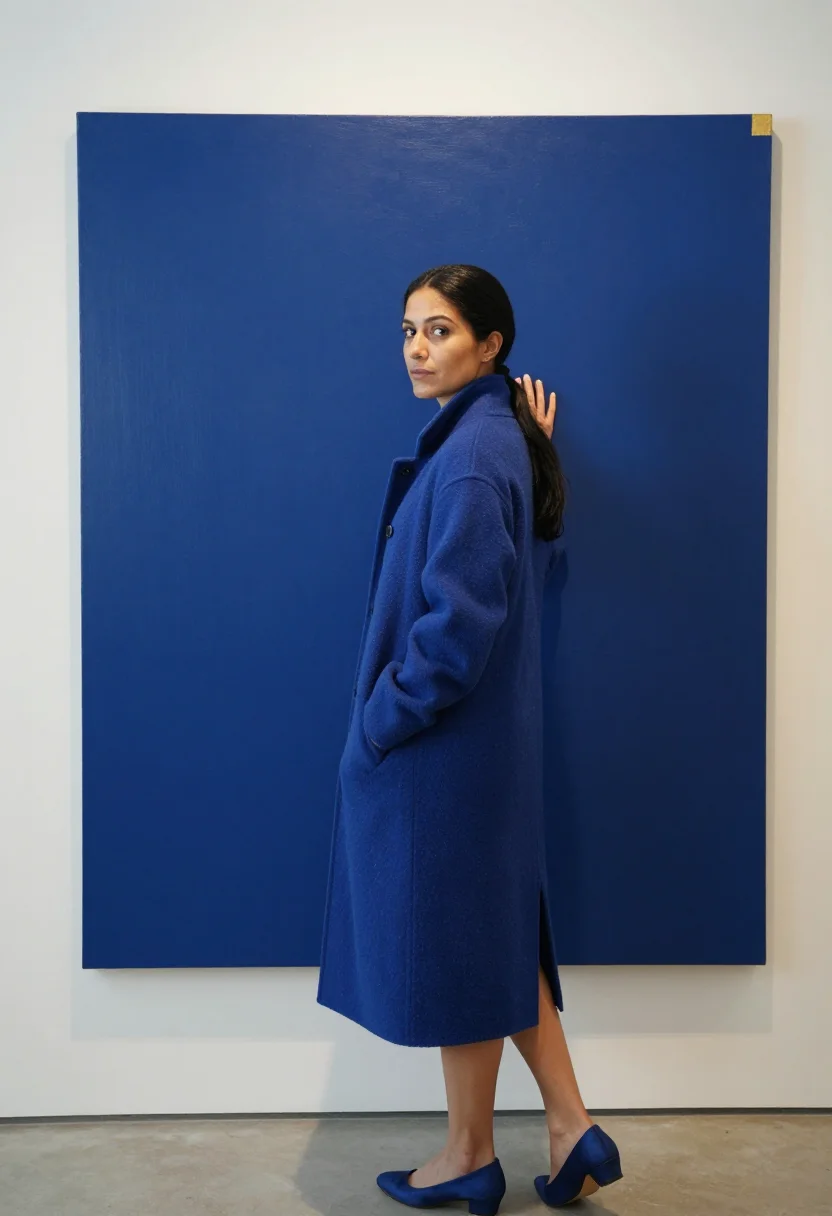
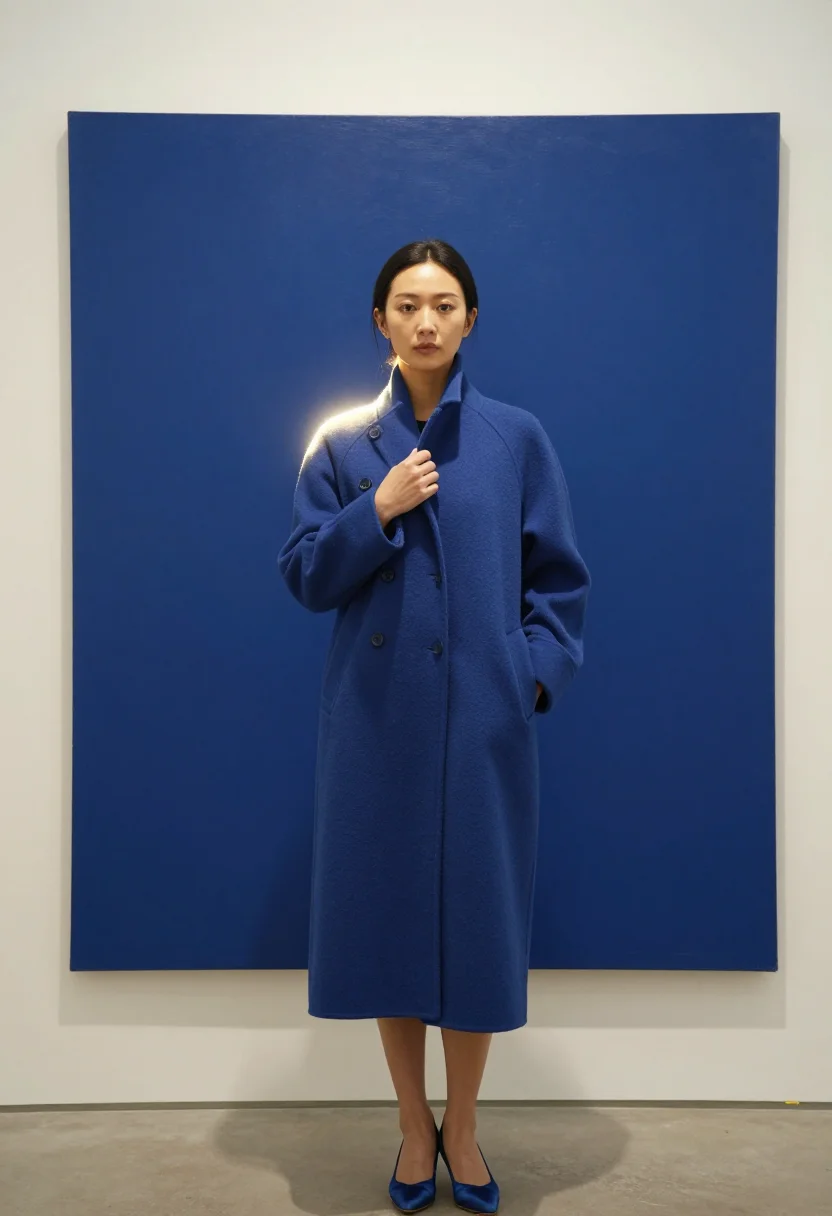
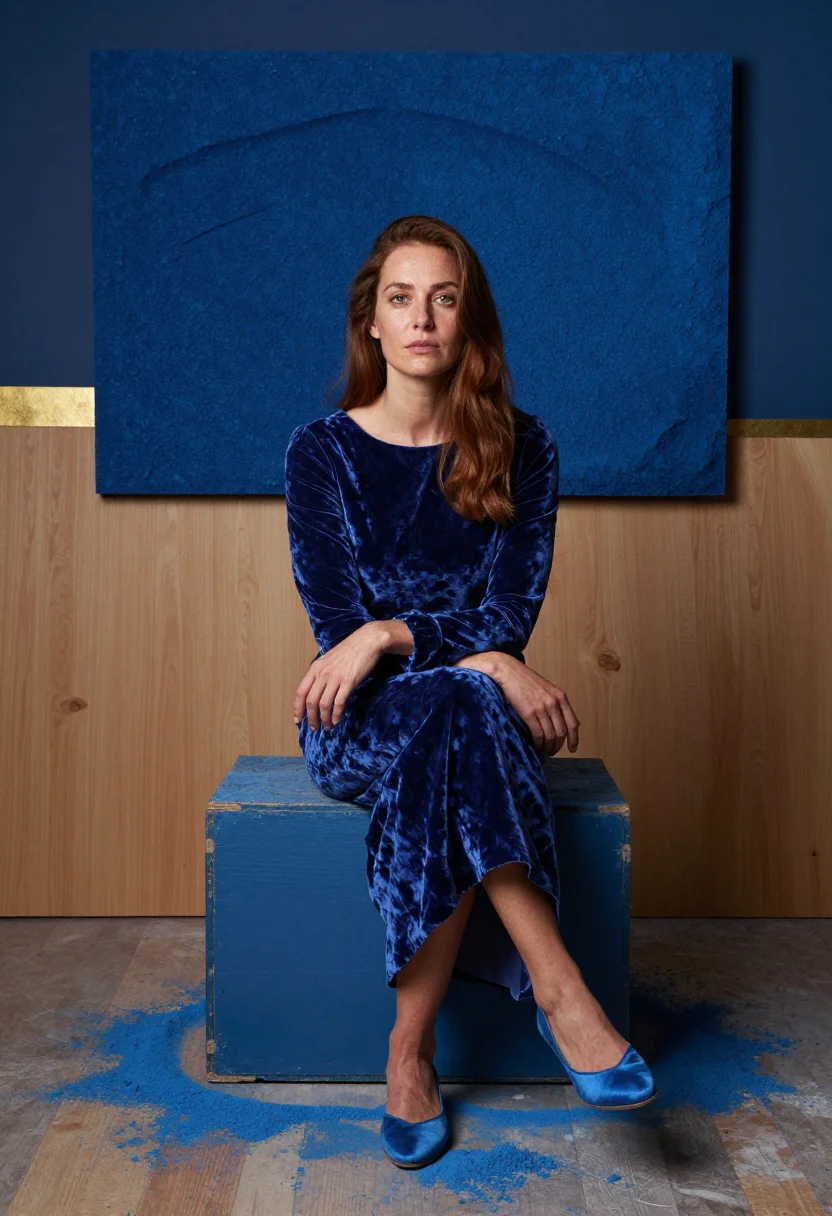
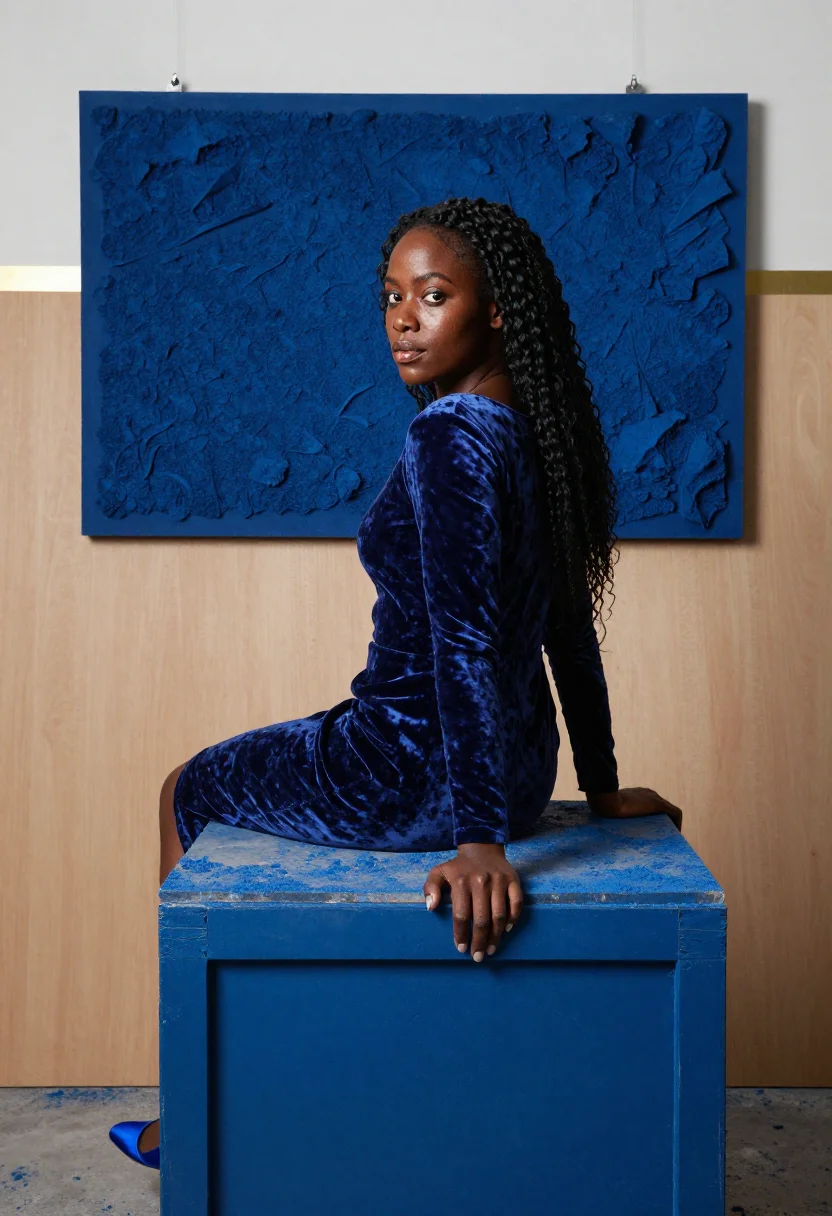
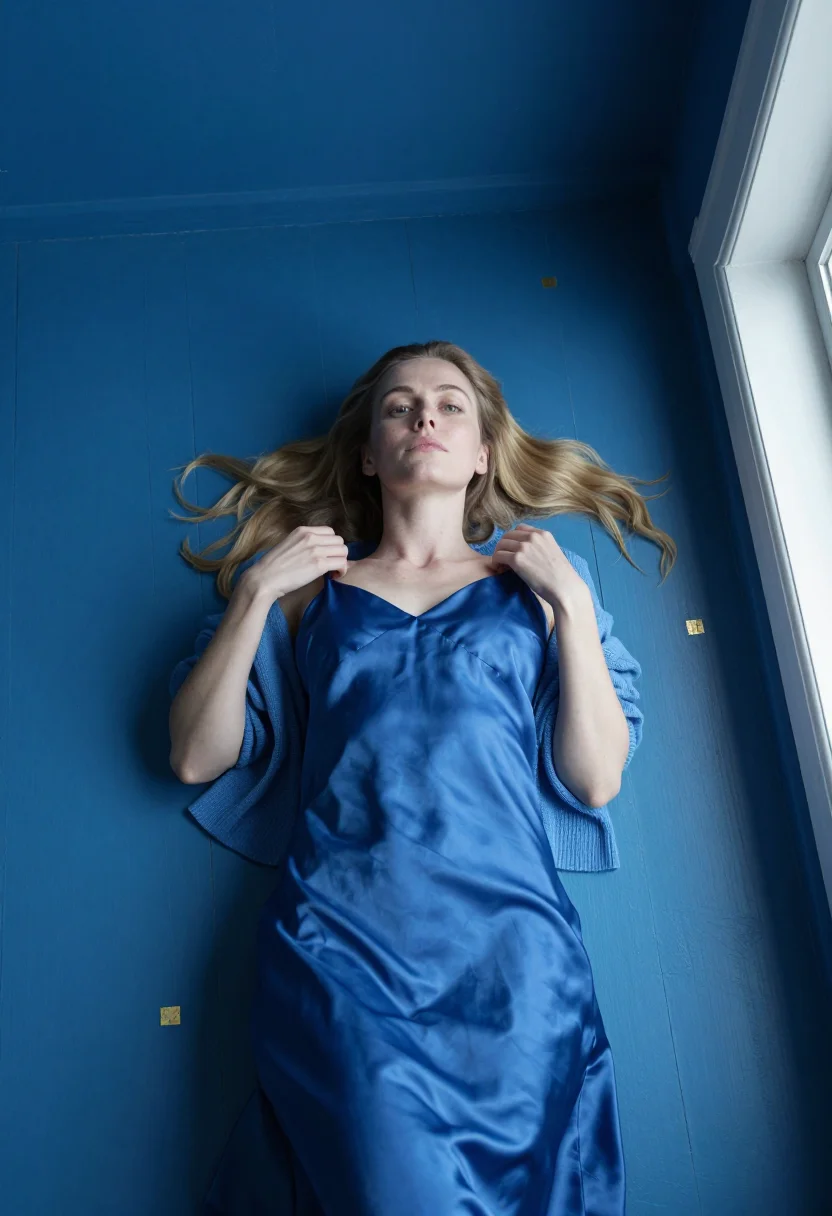
The wardrobe is early-sixties Paris art world — an ultramarine wool coat with a deep nap, a blue velvet column dress, a blue satin slip worn under a blue cardigan, hair pinned or falling straight. The palette is ultramarine at every saturation the eye can hold, with the pigment's own powder loose on the floorboards and a single small square of gold leaf as the only thing in the frame permitted to be another colour.
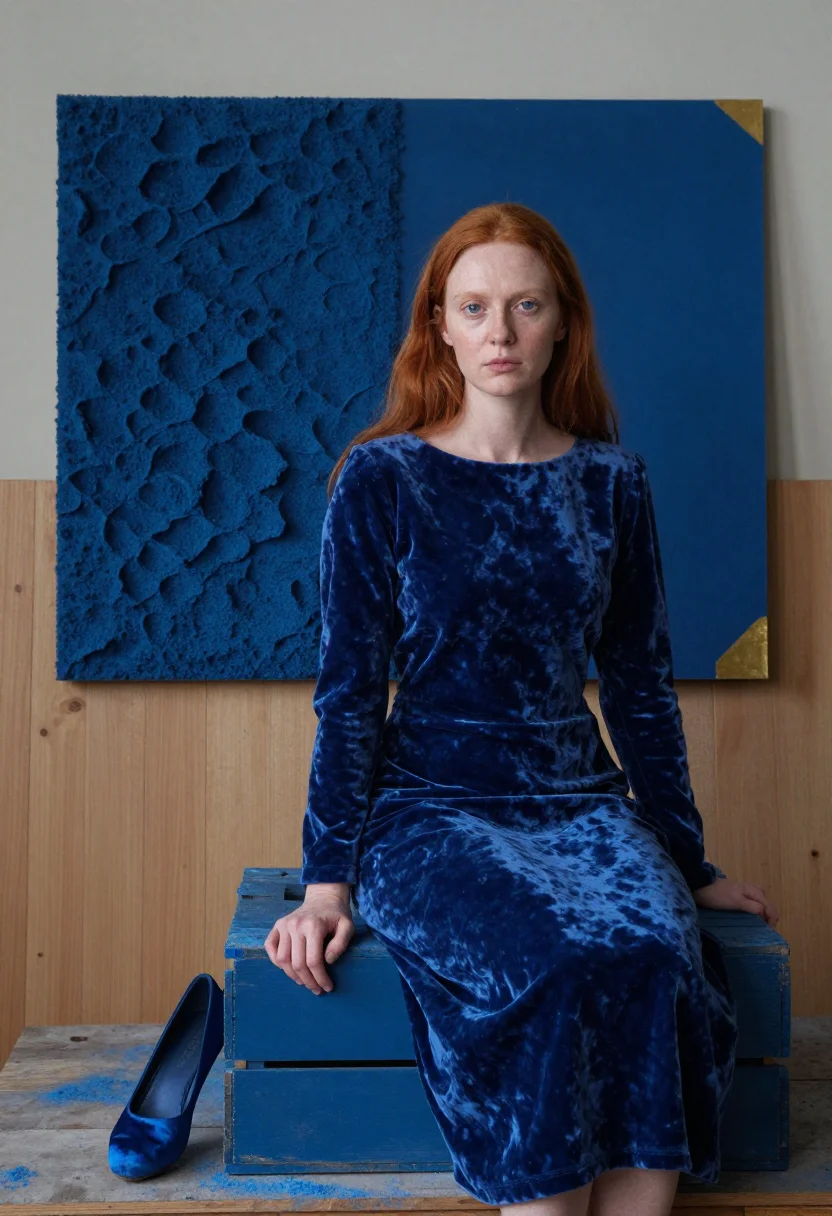
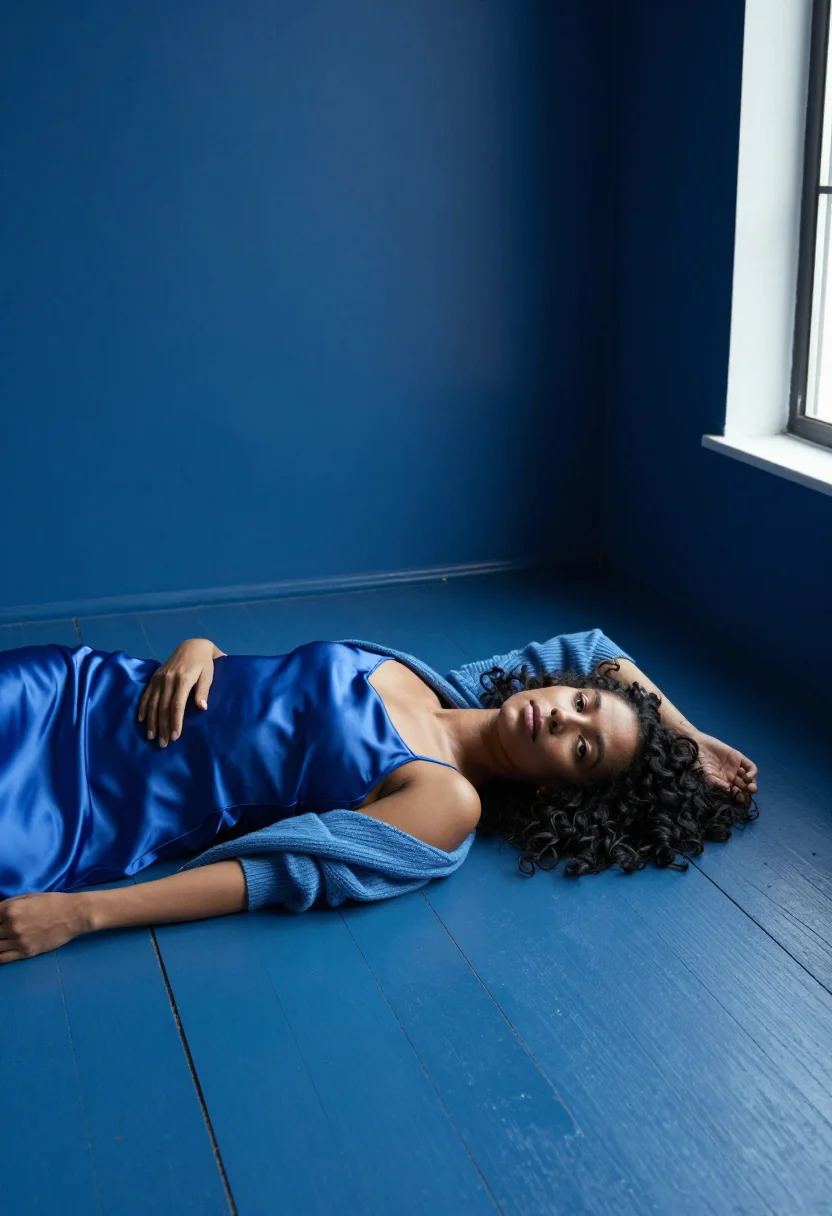
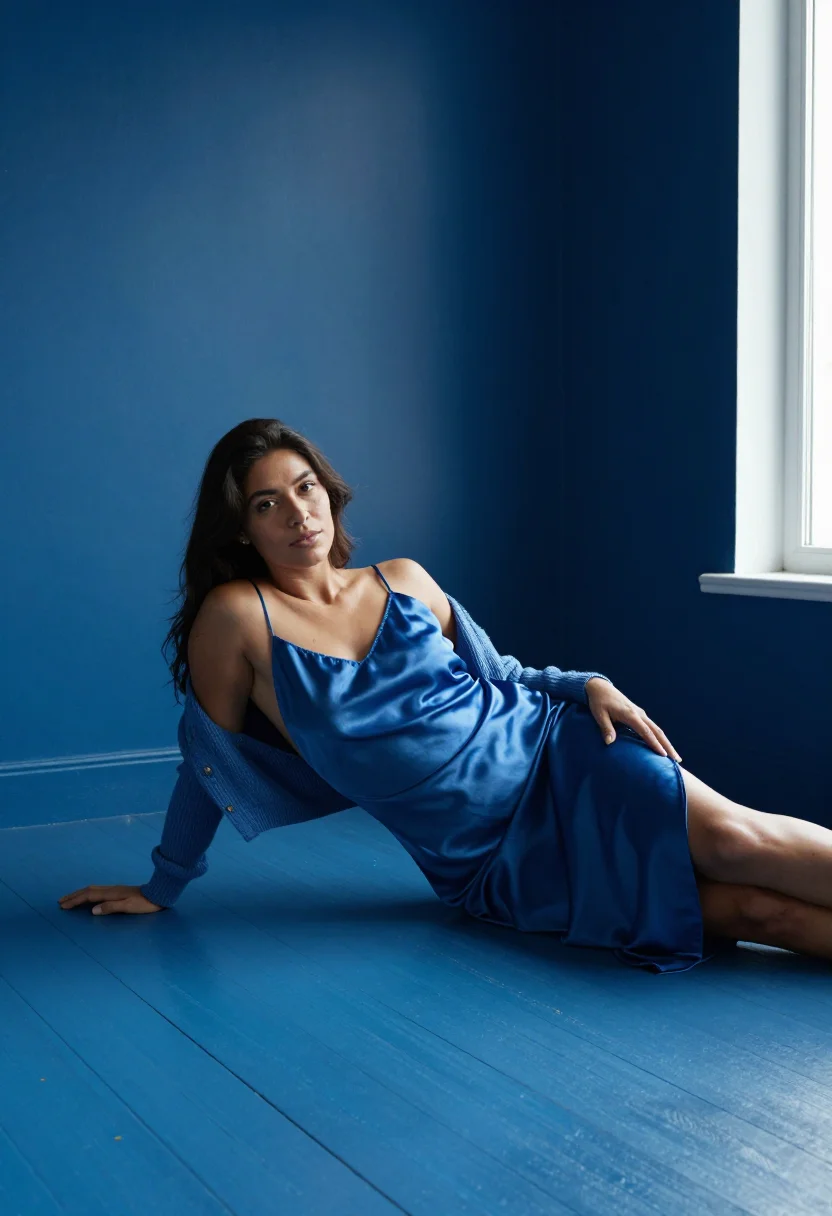
Tone on tone is not a colour scheme here, it is the entire structure of the picture. Wool nap drinks the light, velvet holds a bloom along the shoulder, satin throws a hard specular line — three fabrics, one hue, and the whole separation between figure and room comes from how each surface answers the light. Three takes carry the pack: standing before a large ultramarine canvas in the wool coat; seated on a painted crate in the studio in the velvet column dress with pigment dust on the boards; lying across an ultramarine floor in the satin slip and cardigan.
The output is photoreal — a photograph of you in that room, built from your own uploaded face, not a painting and not a reproduction of any Klein work. The pack borrows the pigment, the studio light and the period wardrobe as costume and reference; it does not depict Yves Klein or place you inside a documented photograph of his gallery.
How to photograph yourself for a Klein Blue photoshoot
Better source photos make better portraits. The pack works with an ordinary phone selfie — the free preview tells you in seconds — but a few things sharpen the likeness before the ultramarine closes in.
- Even, soft lightStand near a window with indirect daylight on your face. The pack builds its own studio light on top; a flat, well-lit selfie gives it the clearest face to work from.
- Front or three-quarter angleCamera at eye level, facing it or turned slightly. No selfie-stick uplook, no shot from below.
- Face fully clearHair off the face, no hats, sunglasses or filters in the source photo. A clear, front-facing photo is the best input for an AI portrait.
- Shoot against a neutral wallA saturated backdrop in your selfie pushes a colour cast into your skin, and in a monochrome outfit photoshoot the face is the one place a cast will show. White, grey or beige behind you is ideal.
- A still, composed expressionThe register is gallery-quiet — a level look carries it better than a broad smile, and reads as deliberate rather than snapshot.
Frequently asked questions
- Will it actually look like a real photograph?
- Yes. The output is photoreal — a period art-world portrait, not a painting or an illustration — built from documented details of the register: an ultramarine wool coat before a monochrome canvas, a velvet column dress on a painted crate with pigment dust on the boards, a satin slip across an ultramarine floor.
- Is this a real photo of Yves Klein's gallery, or of me?
- It's a portrait of you. The pack borrows the pigment, the studio setting and the period wardrobe as costume and visual reference; every frame is generated from your own uploaded face. It doesn't depict Klein himself, and it isn't a documented photograph of the rue des Beaux-Arts shows.
- What's the difference between the free preview and the full pack?
- The free preview is one photo from your uploaded face, shown live in seconds so you can judge the likeness before you commit. The full pack is nine photos across the three takes — the wool coat before the canvas, the velvet dress on the crate, the satin slip on the painted floor — with different crops, expressions and light.
- How is this different from a generic blue AI filter?
- A filter tints a photograph after the fact and flattens everything it touches. Here the room, the floor and the wardrobe are one ultramarine from the start, and the picture holds together on fabric alone — nap, bloom and specular line. That is a very different image from a blue-tinted snapshot.
- Can men use this pack?
- The styling and sample set are built for women — a velvet column dress and a satin slip among them — so it reads feminine. A men's version isn't shipped in this pack.
- What if my source photo isn't great?
- One clear phone selfie is usually enough. The free preview shows you the likeness in seconds — if it's off, the prep tips above are the fastest fix, and lighting is the most common culprit.
- Can I use this as a profile picture or on a dating app?
- Yes. A single-hue frame is unusually legible at small sizes and reads as an intentional portrait rather than a phone snap. Used honestly, as a stylised AI photoshoot, it works well on any profile.
- What happens to the photo I upload?
- Your photo is processed on European servers to generate your preview and, if you continue, your full pack. It is not sold or shared with third parties.
- Can I use it for an album cover, an invitation or a gift?
- Personal use like this is fine — an invitation, a keepsake print, a sleeve for a project of your own. It isn't licensed for commercial resale.
- Do I need blue clothes, or a blue room, for this to work?
- No. The pack builds the wardrobe and paints the room around your uploaded face. Painting an actual room ultramarine is the part nobody does; that's what the photoshoot supplies.
When the Klein Blue pack fits
- For a portrait that behaves like an artwork rather than a photo of a person in a room
- For a profile picture that stops a scroll on colour alone
- For anyone whose taste runs to sixties Paris, galleries and one perfect pigment
- For an album cover, a zine cover or a project sleeve
- For a large wall print where the blue carries the whole room
- For a moodboard or vision board built on ultramarine and tonal dressing
- For a gift for a painter, a gallery-goer, or a friend who owns too much blue
- For a dating profile photo with genuine art-world confidence in it
- For a phone or desktop wallpaper that is essentially a colour field with a face in it
- For anyone who has wanted to stand inside a monochrome instead of in front of one
About narcis
Most AI portrait tools ship every pose, profession, era, and aesthetic in one giant catalog. The output looks like every other AI photo on the internet — a glaze over a stock face. Narcis goes the other way. One tool, one job: turn photos of you into portraits worth keeping. Drop a selfie and your free preview streams in seconds — a quick sketch: close, not you yet. For portraits that are truly you, train your own model on 12 to 20 photos; it trains in the background, and we email you when it is ready. Train once, render everywhere — this pack, every other pack, and the Studio all come out of that one model, about ten seconds a portrait, and it stays yours to retrain or delete. Each pack is hand-curated against actual references — paintings, photographers, registers — and tested on real faces before it ships. See a free preview before you pay, not after. Packs are one-time — no subscription to buy one; Studio, the unlimited composer, is optional at €12/month and every pack includes 30 days of it. No template generator. Built and run by one team, on our own infrastructure.
All images are AI-generated. By using this service, you confirm you are 18+, that any face photo you upload is your own or used with explicit consent. Full Terms