Ottonian Knight Portraits
Nine photos of you in one setting
How your model is created from your photos
Every pack on Narcis, made with your face
Nine photographs of you in one setting: one pack of the Narcis catalogue.
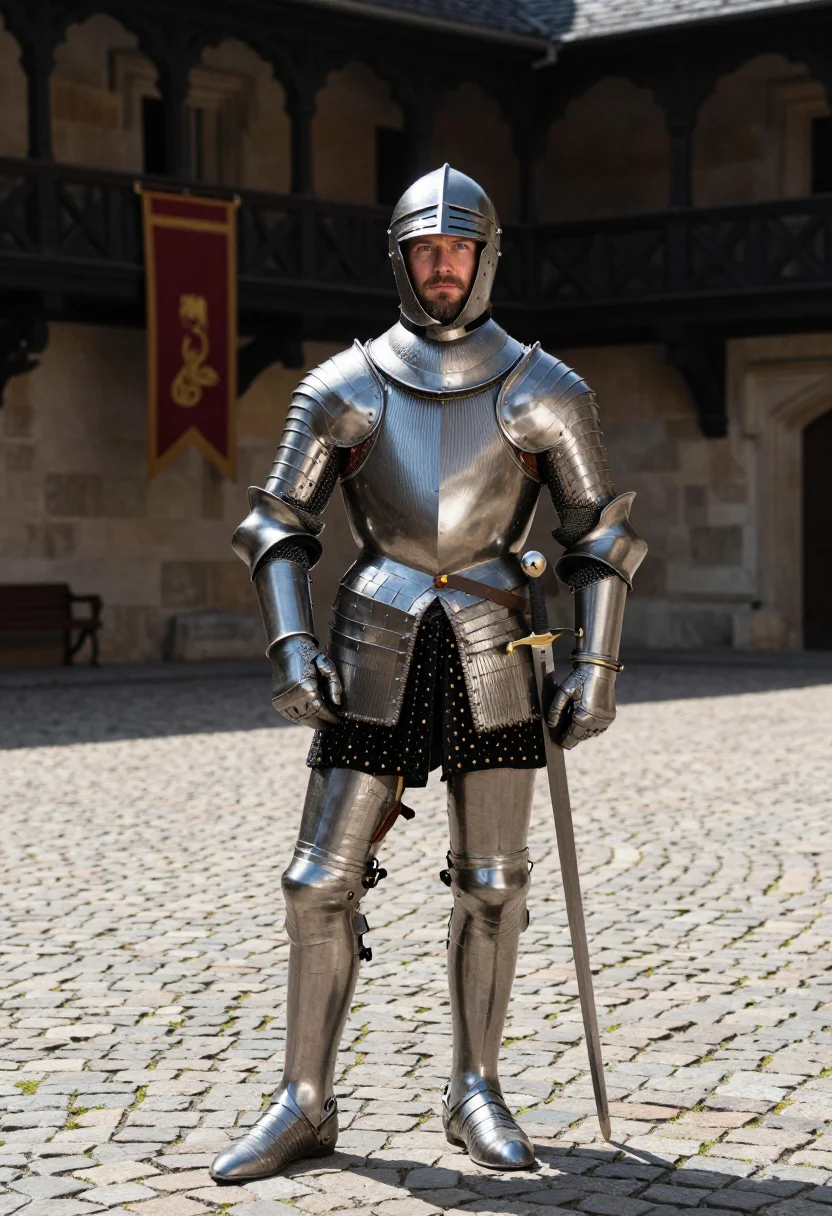
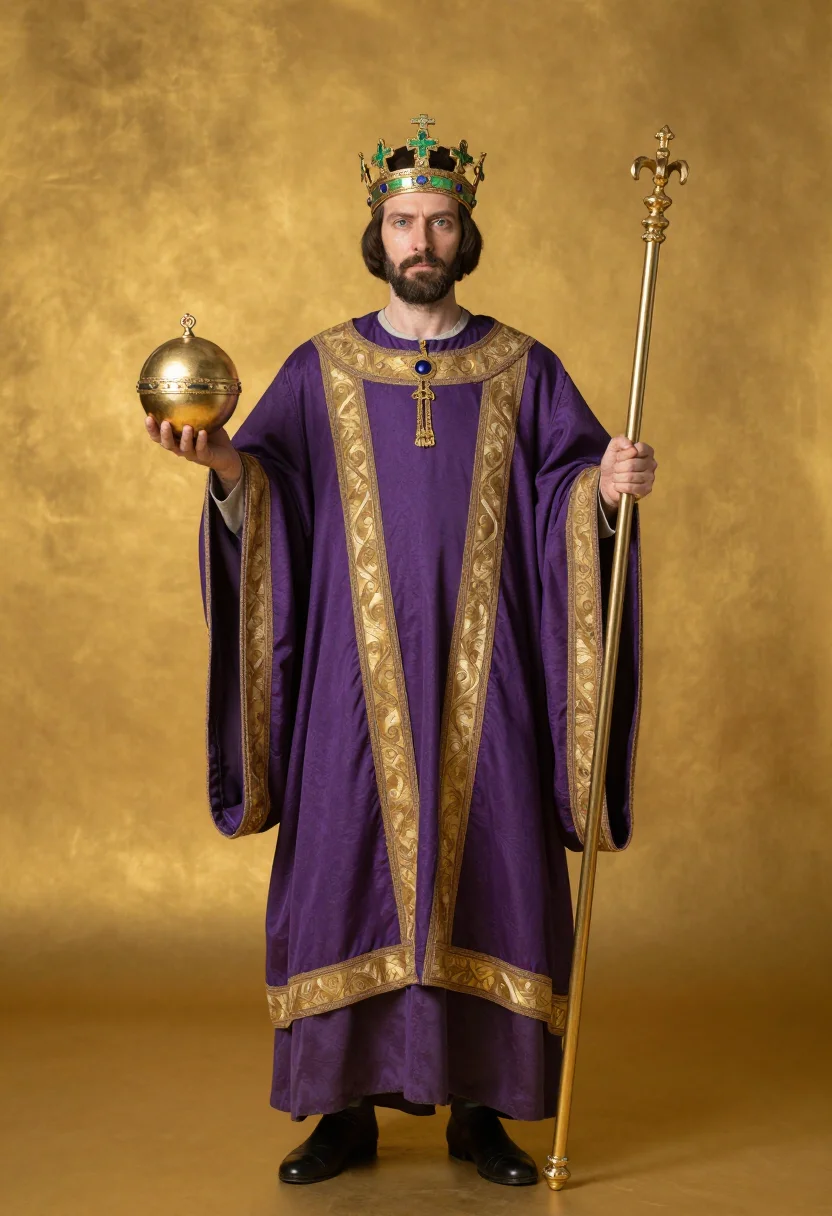
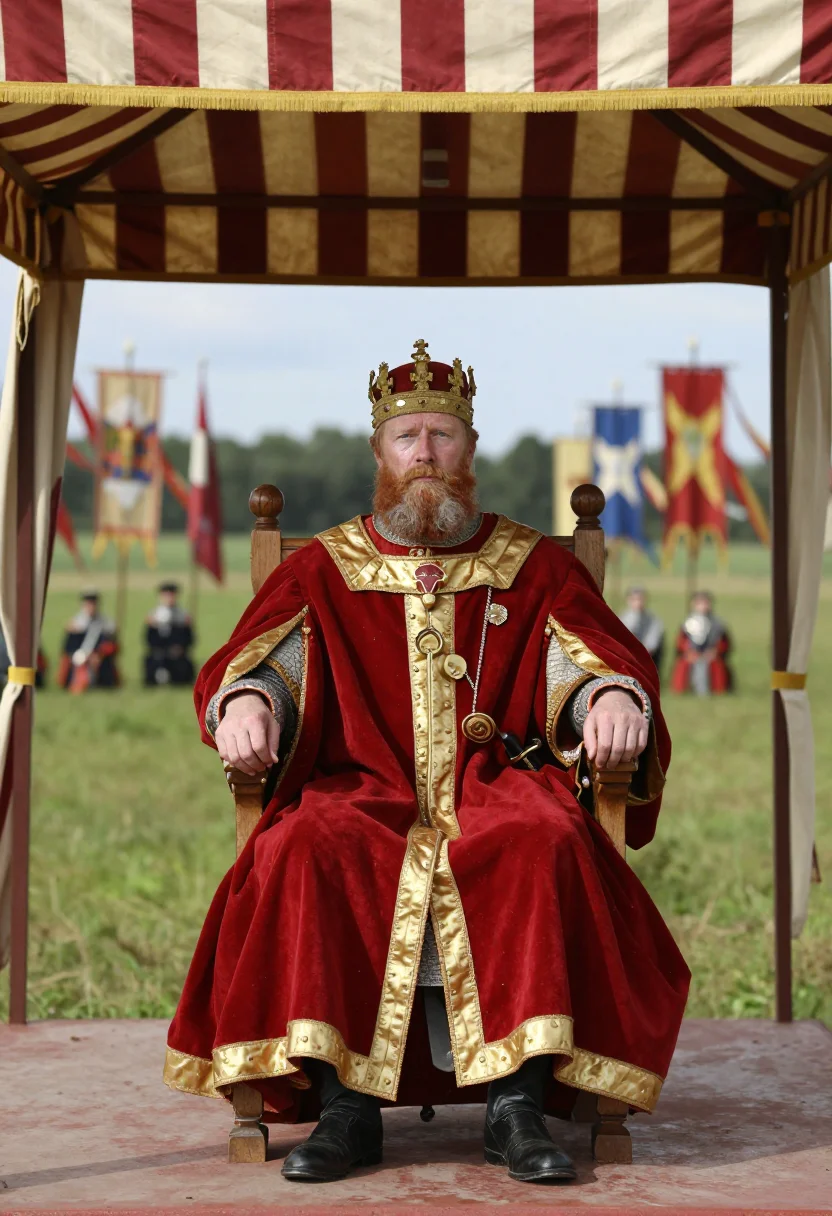
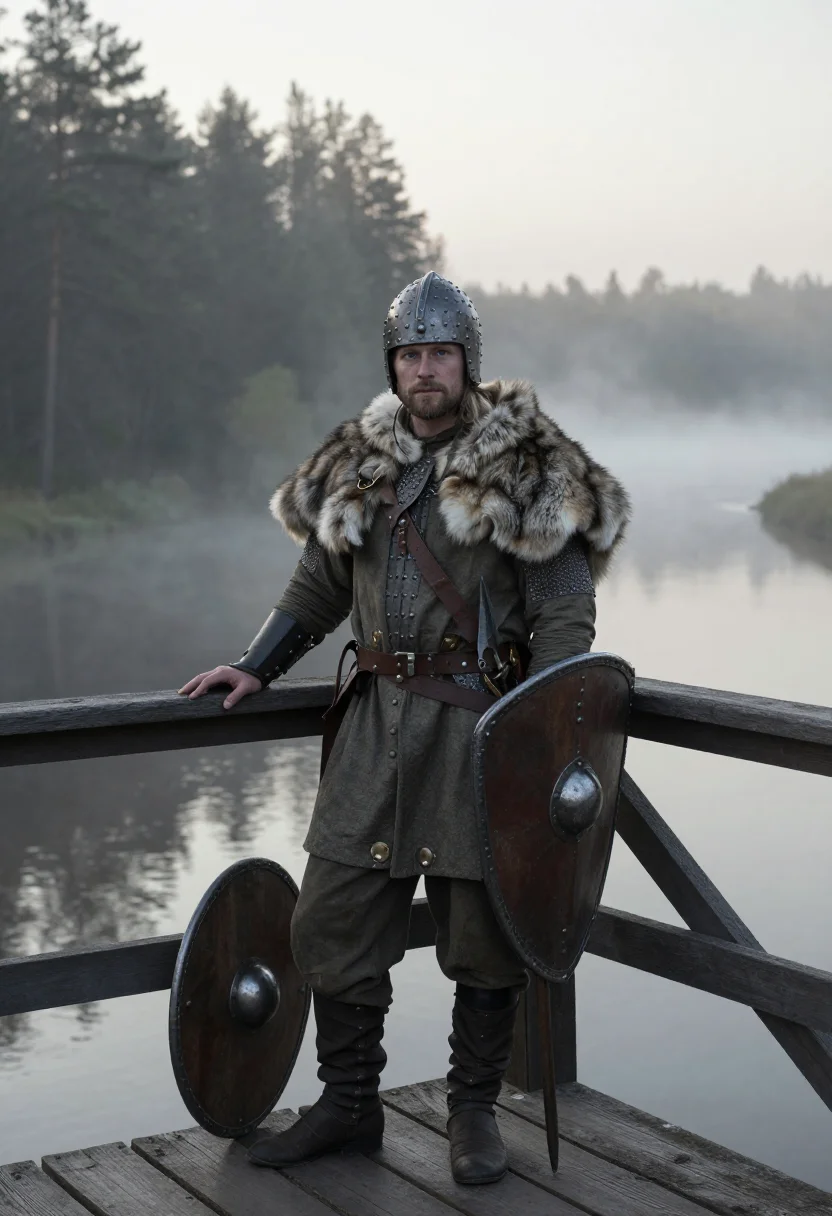
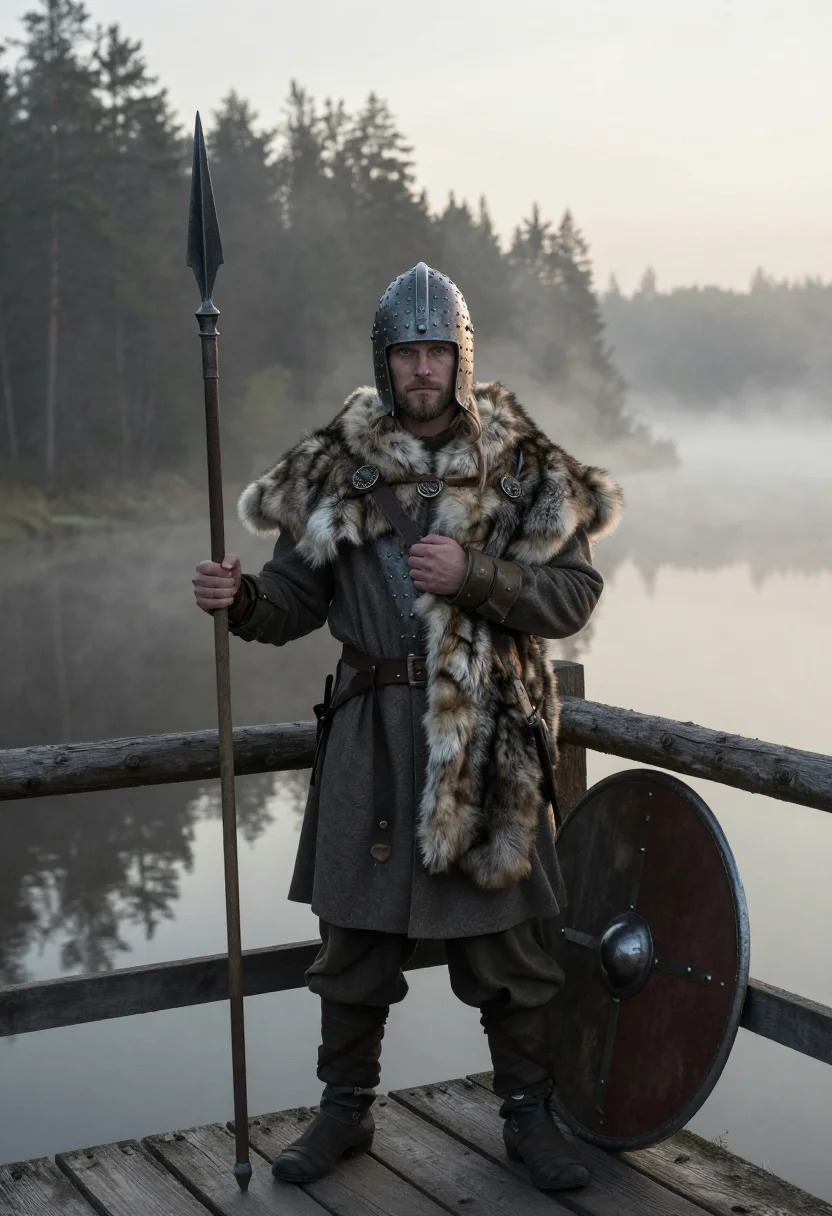
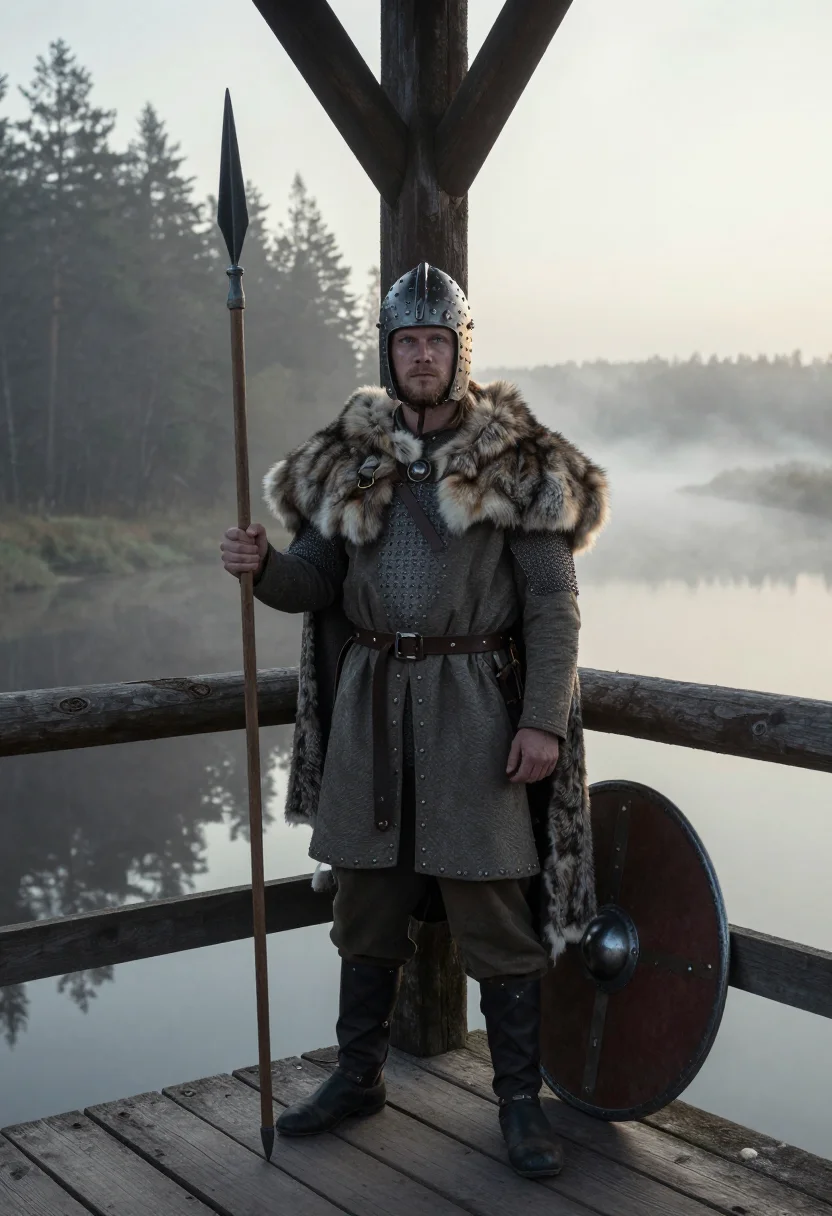
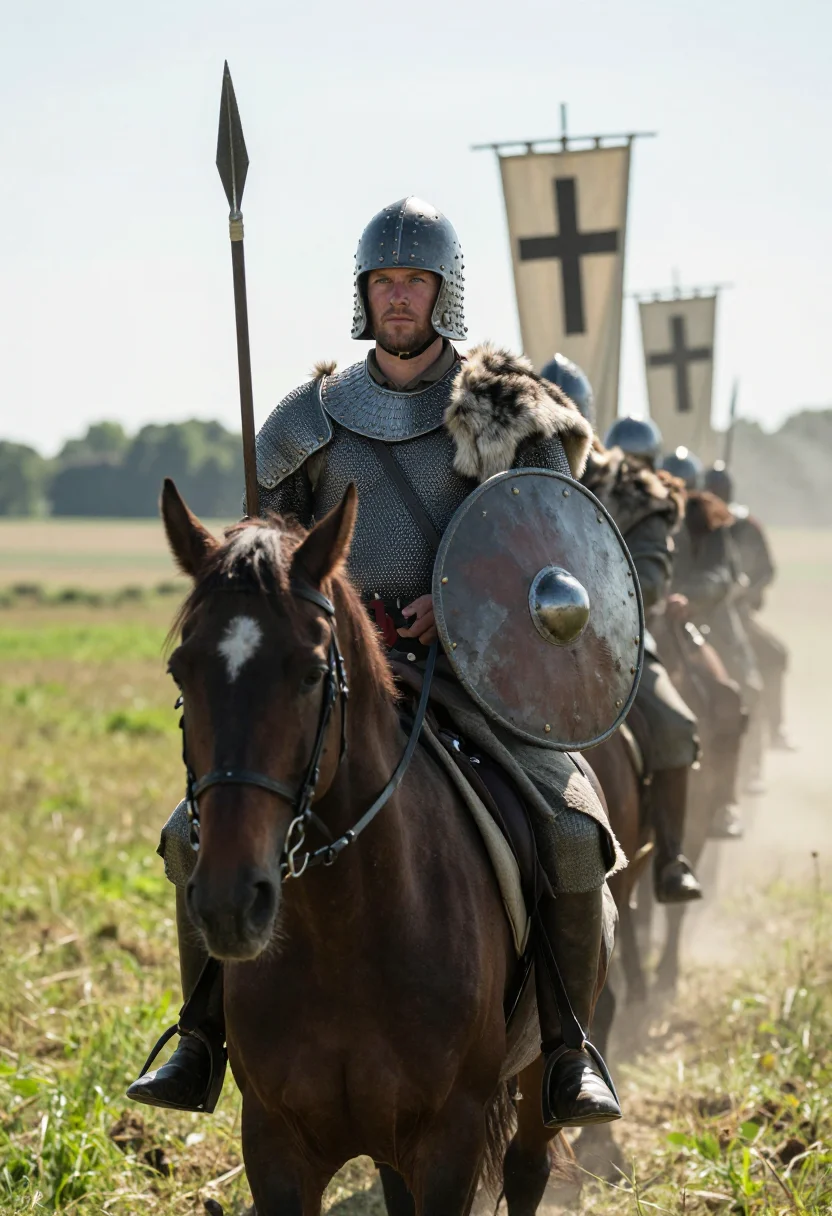
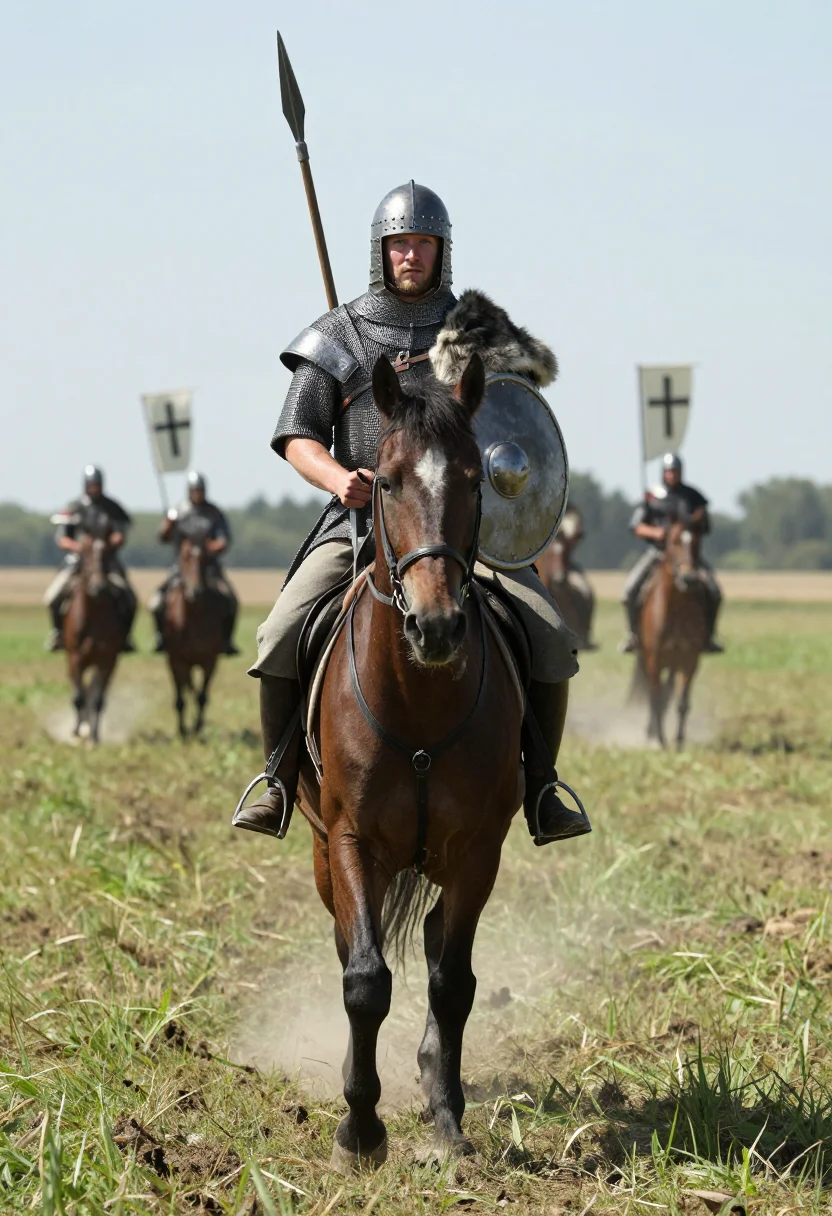
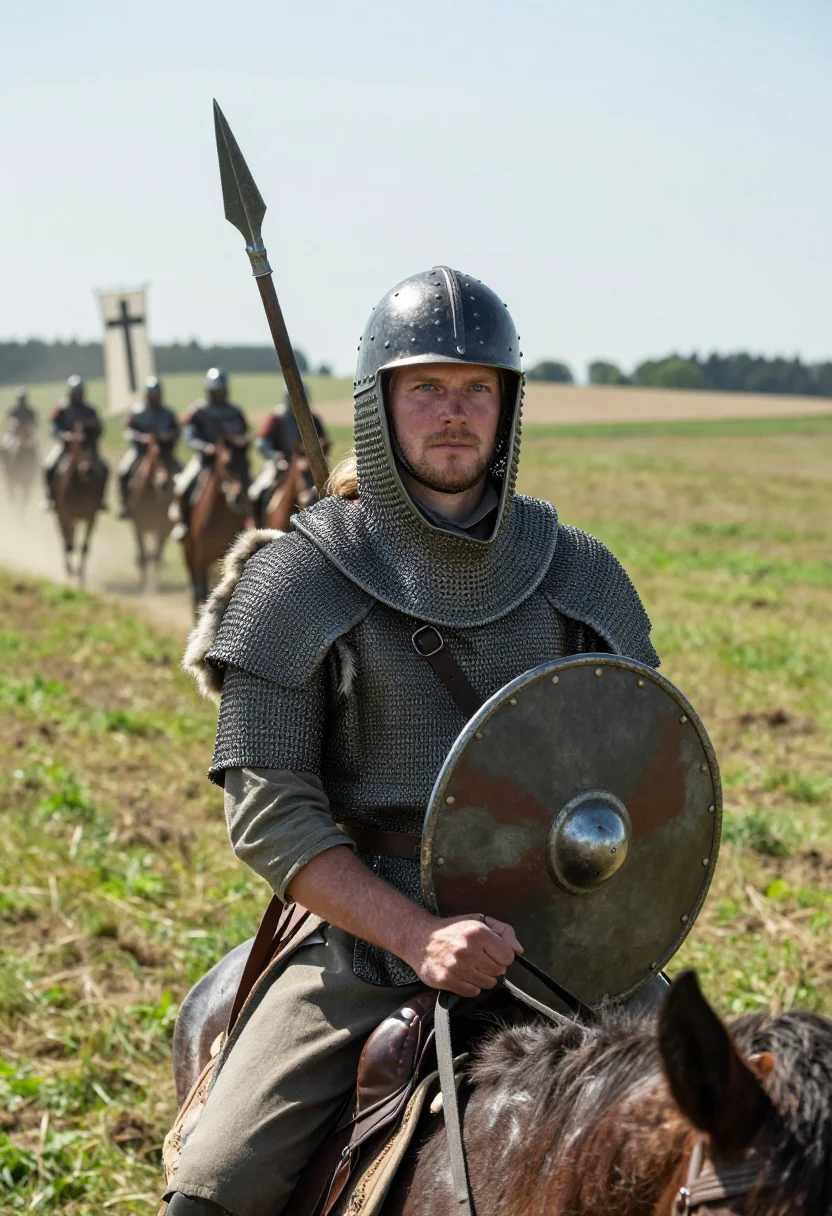
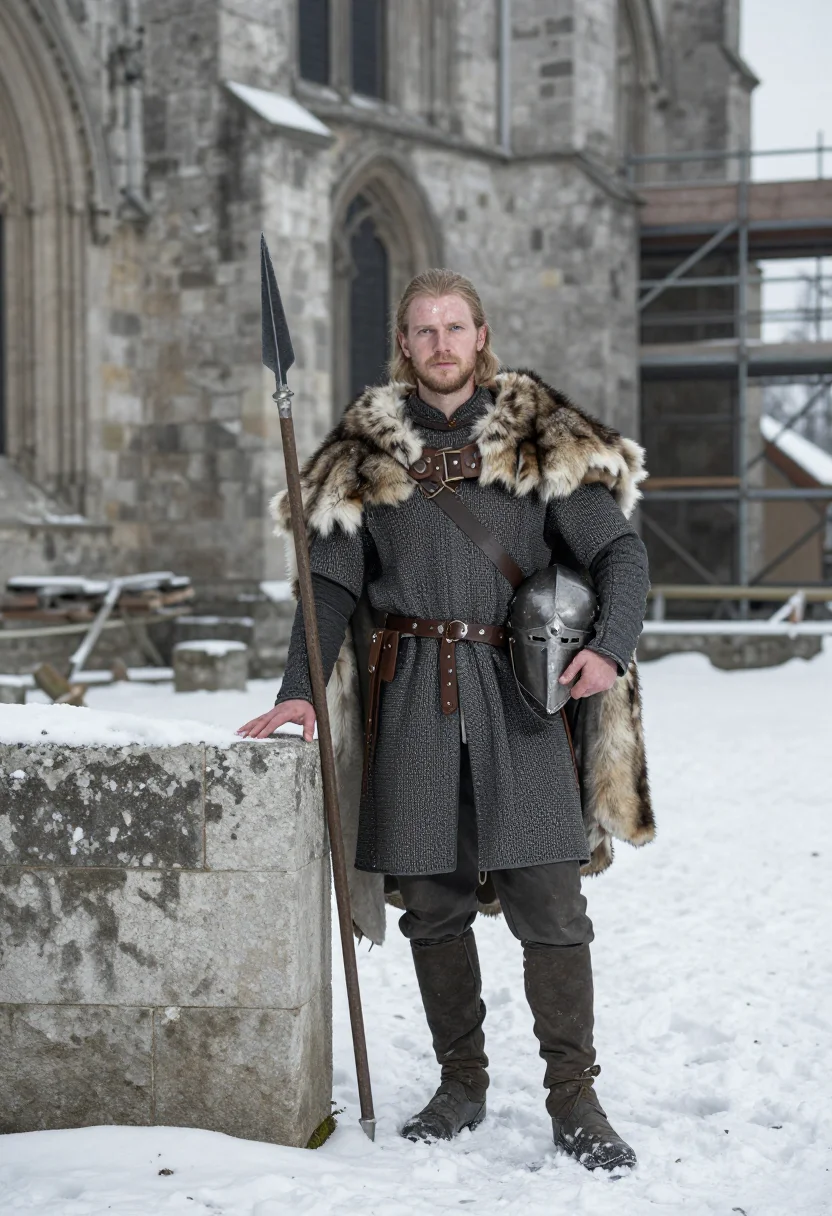
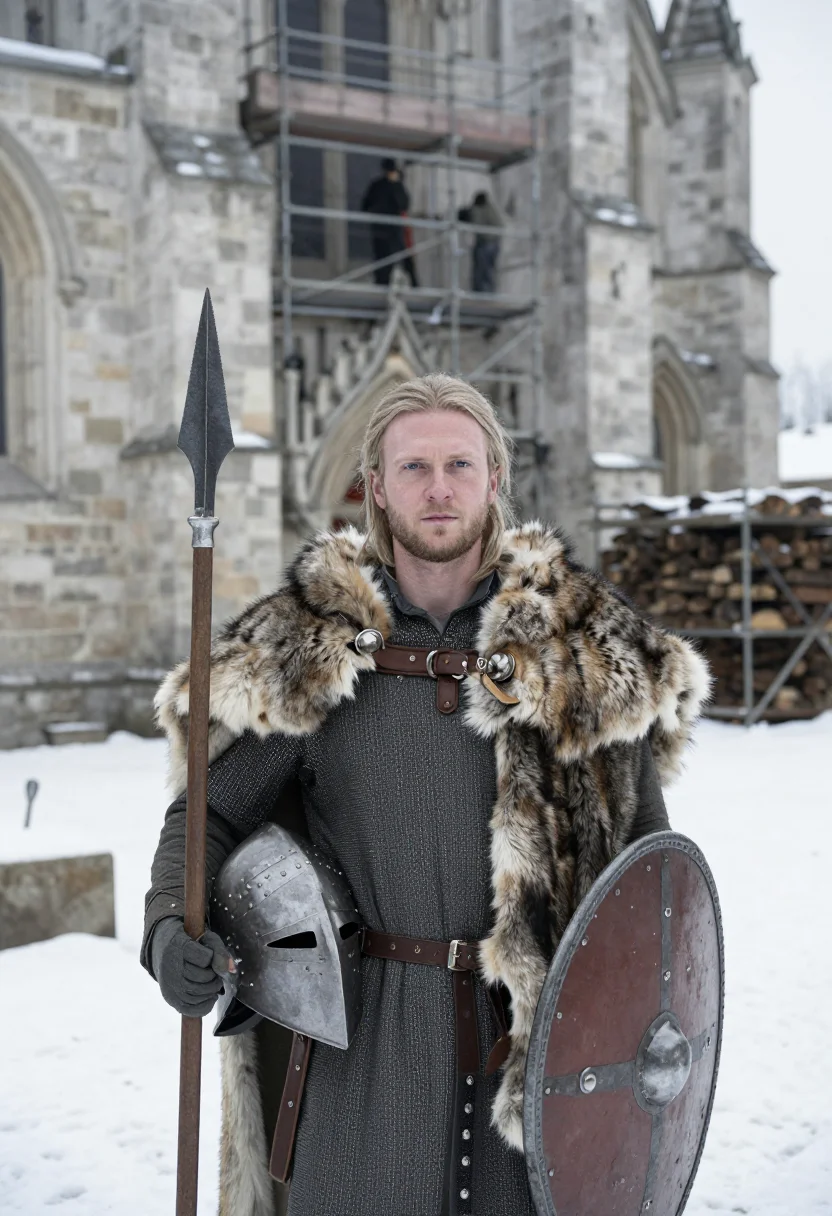
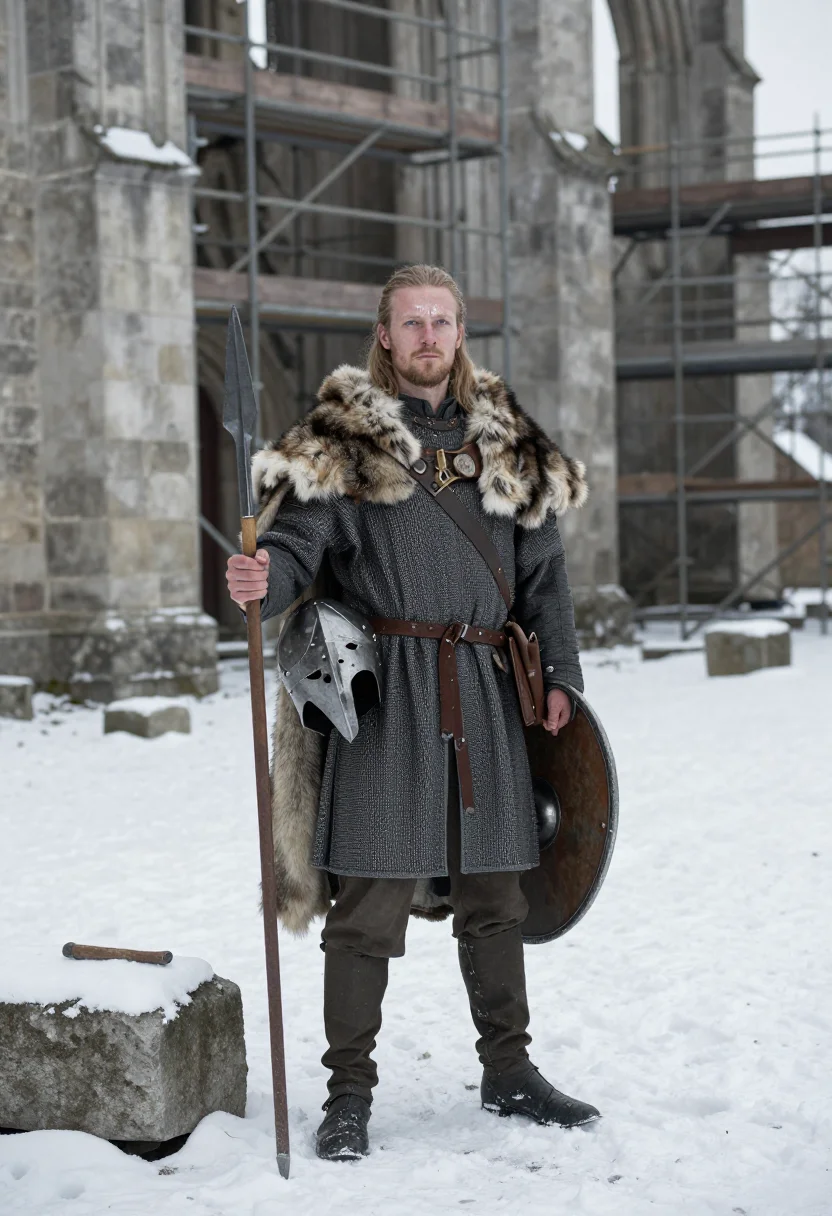
Nine photographs of you, styled as a tenth-century Ottonian horseman — mail shirt, round shield, winged spear — across three settings on the Saxon eastern march, in portrait format. The nine vary in crop, expression and light, so there are real choices, not nine identical files.
/ottonian · photo · 3 scenes
Ottonian Knight Portraits
6–20 photos of yourself · we email you when your model is ready
The Empire in iron
one model wears them all →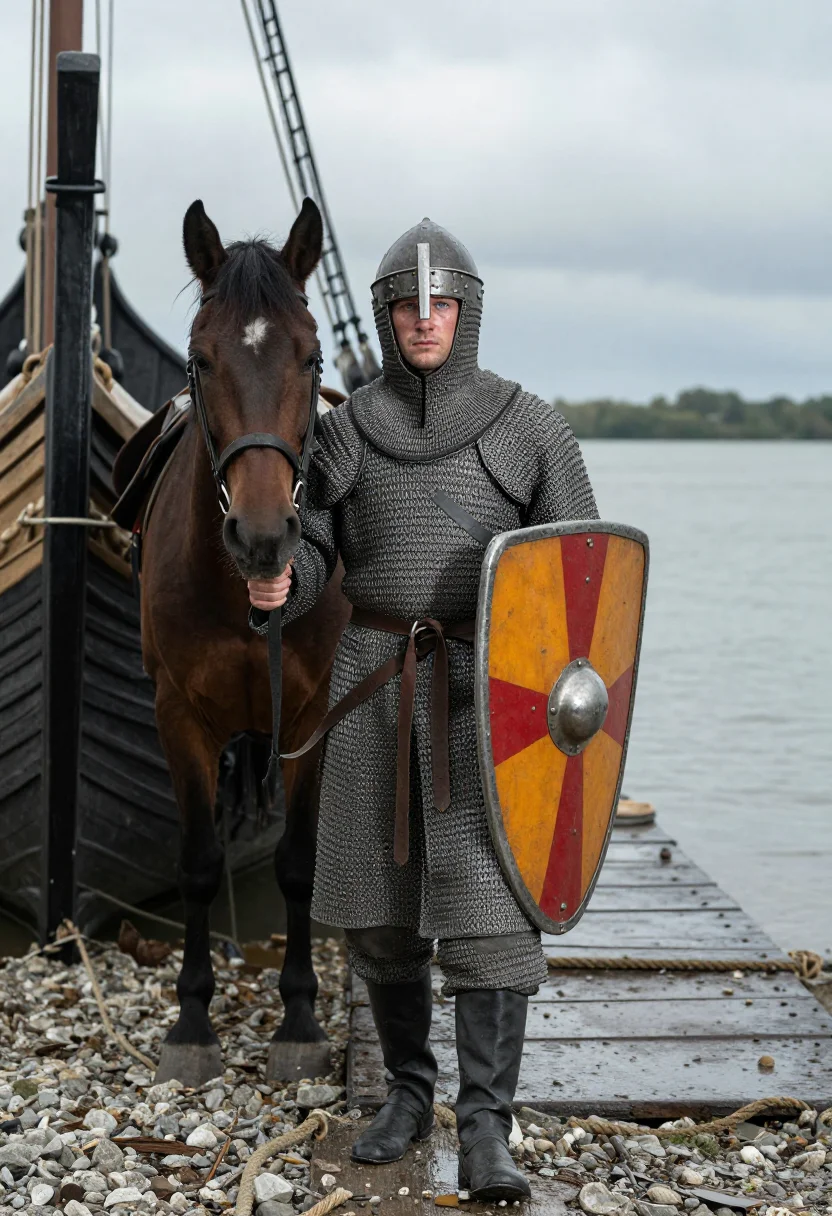
all 9 photos in this pack ↓
How it works
Three steps.
1
Add your photos
Add photos of yourself. We check each one when you add it.
2
We create your model
We create your AI model from your photos. Your photos are ready in a few hours.
3
Every pack, with your face
This pack and every other pack on Narcis can then be made with your face, and single photos too.
The Ottonian knight register
This pack is the Saxon duchy's horseman of the tenth century — the Empire before plate, before even the word 'knight' had settled into what it would become. Short mail over a wool tunic, a round shield with an iron boss, a winged spear, a simple spangenhelm, a wolf-fur cloak for the march. The register is early-imperial and plainer than the high-medieval orders in this wave, palette of iron, undyed wool, pine dark, snow.
Three situations carry it. The march tower: standing on a timber watchtower's platform above a river bend at first light, spear against the rail, forest to the horizon. The Lechfeld line: mounted among a loose line of riders on trampled summer grass, shield up on the arm, a banner with a plain cross ahead. The cathedral yard: dismounted in a half-built stone cathedral's yard, masons' scaffolding behind, helm under arm, the new stone very white against old iron.
What the pack renders is photoreal — a real-looking photograph of you in early-medieval German war dress, not an illustration.
This is one of Chevalerie's medieval armor photoshoot packs — an early medieval knight photoshoot deliberately plainer than the wave's high-medieval and holy roman empire orders, because the tenth century actually was plainer. A german warrior portrait here means the knight before he had the word for it, not a scaled-down version of later plate.
How to photograph yourself for an Ottonian knight photoshoot
The AI adds the mail, the spear, and the march-and-frontier light — a plain, well-lit selfie is the best photo for an AI portrait.
- Even, soft lightFace a window with indirect daylight on you. Avoid overhead bulbs and phone flash — both flatten the face.
- Front or three-quarter angleCamera at eye level. No selfie-stick uplook, no shot from below.
- Face fully clearHair off the forehead, no sunglasses across the eyes — the spangenhelm needs a clear read of your face.
- A plain, watchful expressionThe register is early and unpolished, not glamorous — a steady, frontier-guard gaze reads truer than a grin.
- Plain background is fineDon't worry about your own backdrop — the watchtower, the line, and the cathedral yard replace it entirely.
Frequently asked questions
- Will it actually look like an Ottonian knight photoshoot, and like a real photo?
- Yes on both. The mail shirt, the round shield, and the timber watchtower on the eastern march come back detailed and unmistakable, and the output is photoreal — a real-looking photograph, not a painting or a cartoon.
- Why does this pack look plainer than the other knight packs in this wave?
- Because it's earlier. This is the tenth century, before plate armor and heraldic mantles — short mail, a round shield, a spangenhelm. The plainness is the actual period, not an unfinished look.
- Can women use this pack?
- The mail and spear styling are built for men. Chevalerie's own women's world is the Châtelaine pack, alongside it in this wave.
- Can I use this for a costume idea or D&D character art?
- Yes — both are common uses. An early-medieval or Holy Roman Empire warrior portrait of you works well as reference for either.
- Will the photos look like me?
- Every photo looks like you, well photographed. If one is nearly right, say what to change, in your own words.
- Do I have to write a prompt?
- No. There is nothing to write: you pick a pack, and it is ready in seconds.
- How many photos of myself do I add?
- Between six and twenty, from different days and in different light, with your face clear. We check each one when you add it.
- What happens to the photos I add?
- They are used only to create your model, on our own servers in the European Union. They are not shared and not sold.
When the Ottonian knight pack fits
- For an early-medieval German costume idea before building the real mail and shield
- For a profile picture with plain, frontier-guard presence, not a phone photo
- Character art for a D&D early-medieval fighter or frontier-ranger class
- For a gift — a framed portrait for anyone who reads Holy Roman Empire history
- For a history or early-medieval classroom illustration
- For a dating profile with a distinctive, composed shot
- For a book cover or author photo with an early-imperial tone
- For anyone who's wanted the timber watchtower shot without the trip
About narcis
Most AI photo tools put every pose, job, era, and style in one giant catalog. The photos all look like every other AI photo on the internet — a glaze over a stock face. Narcis goes the other way. One job: photos of you that look like photographs. You add at least 6 photos of yourself, and we create your AI model from them. Your photos are ready in a few hours, and we email you when they are. Then this pack and every other pack on Narcis can be made with your face. Each pack is curated against real references — paintings, photographers, places — and tested on real faces before it goes live. Built and run by one small team, on our own servers.
All images are AI-generated. By using this service, you confirm you are 18+, that any face photo you upload is your own or used with explicit consent. Full Terms