The Opening Night, in Black
Nine photos of you in one setting
How your model is created from your photos
Every pack on Narcis, made with your face
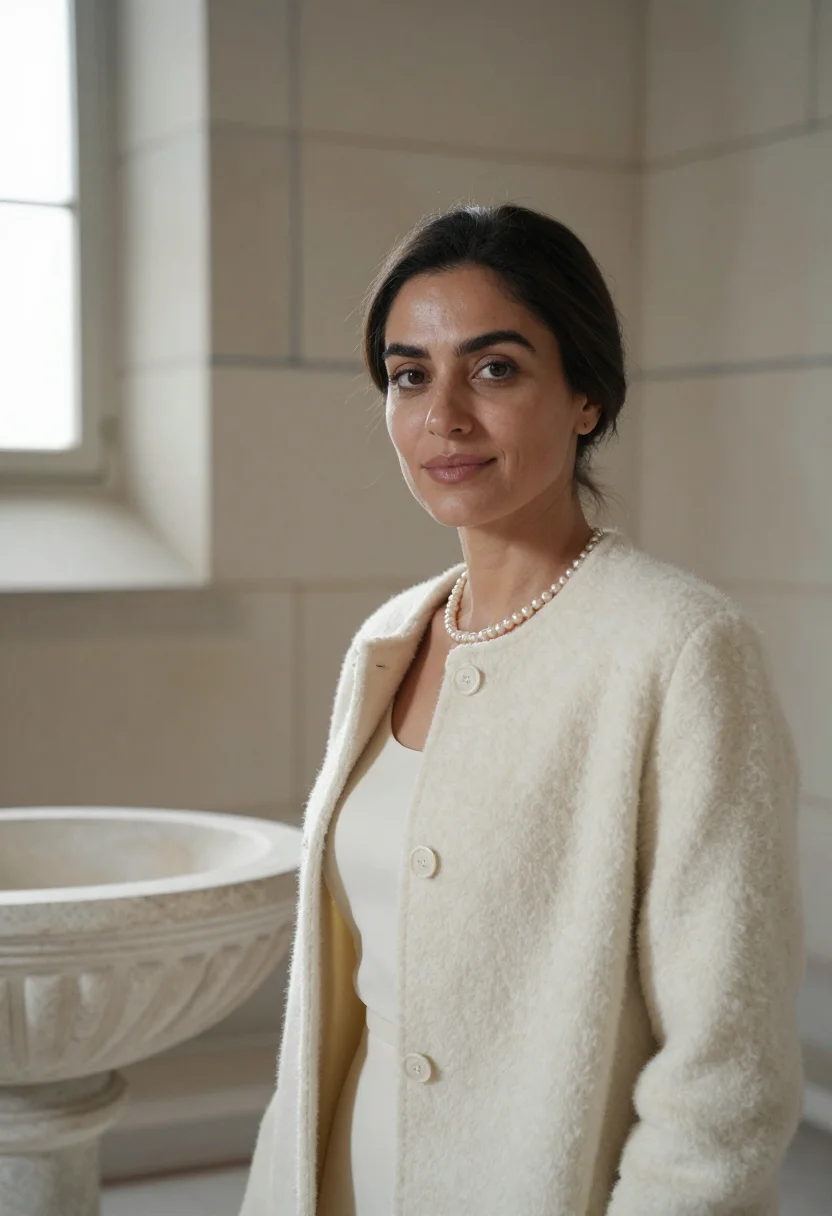
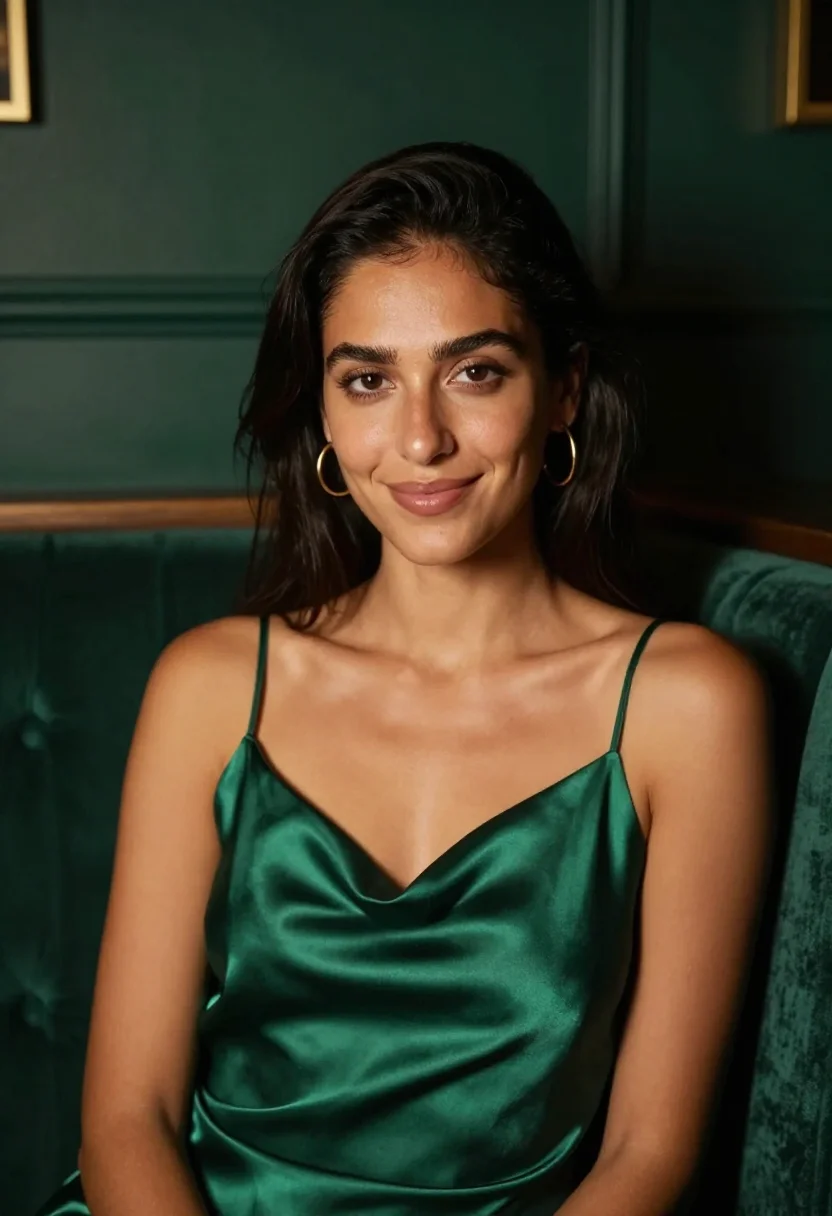
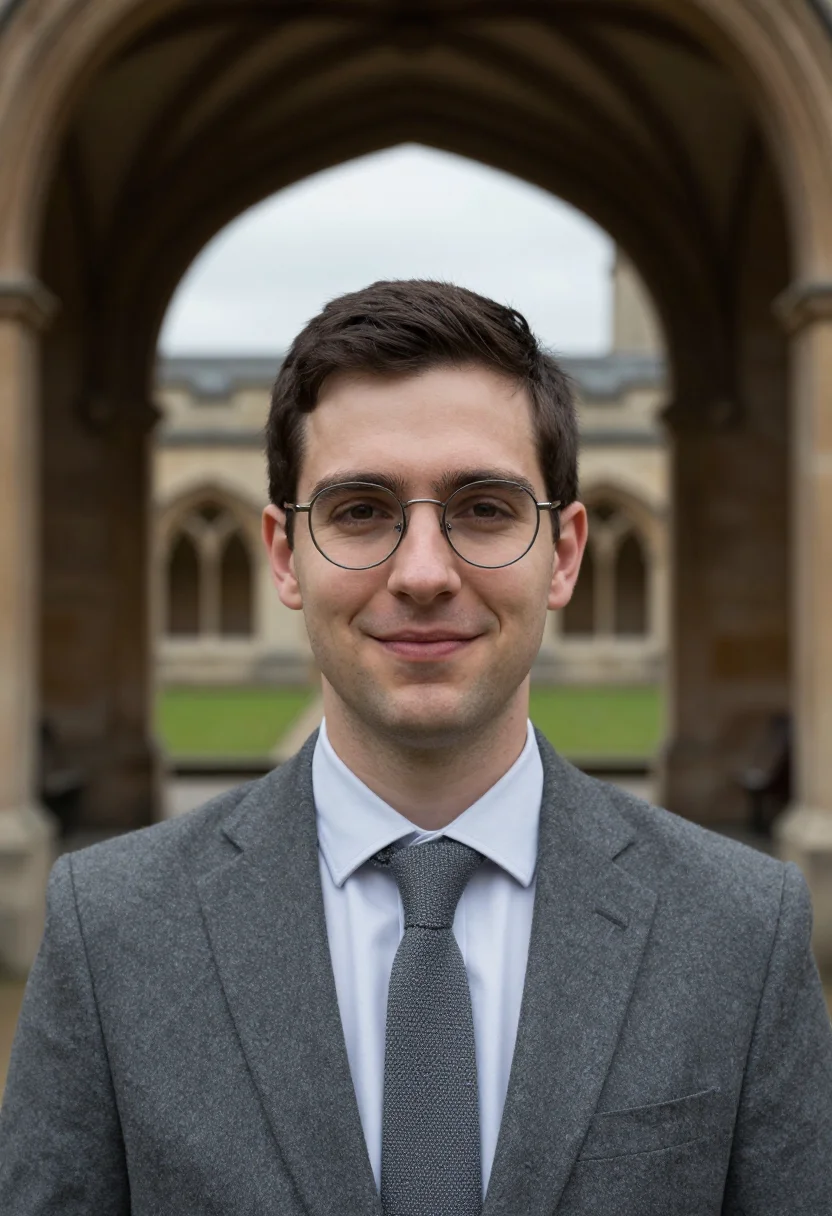
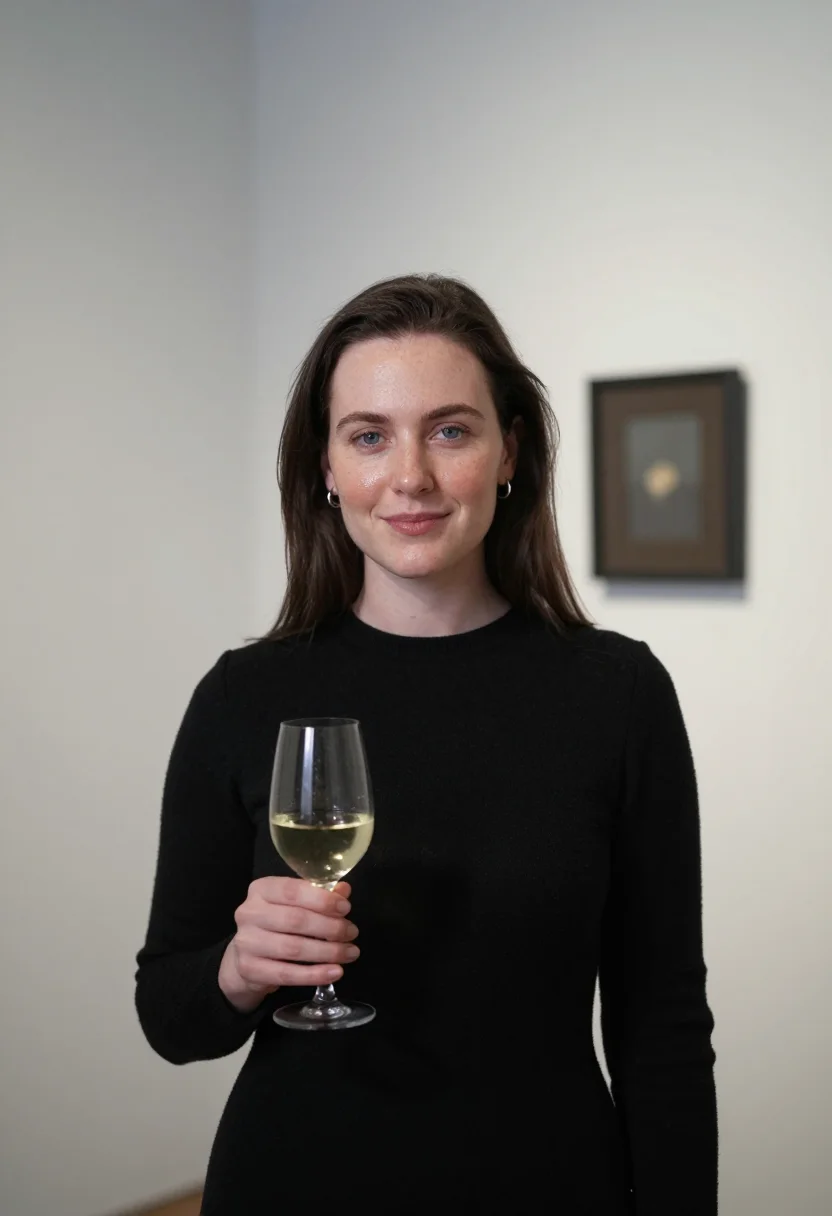
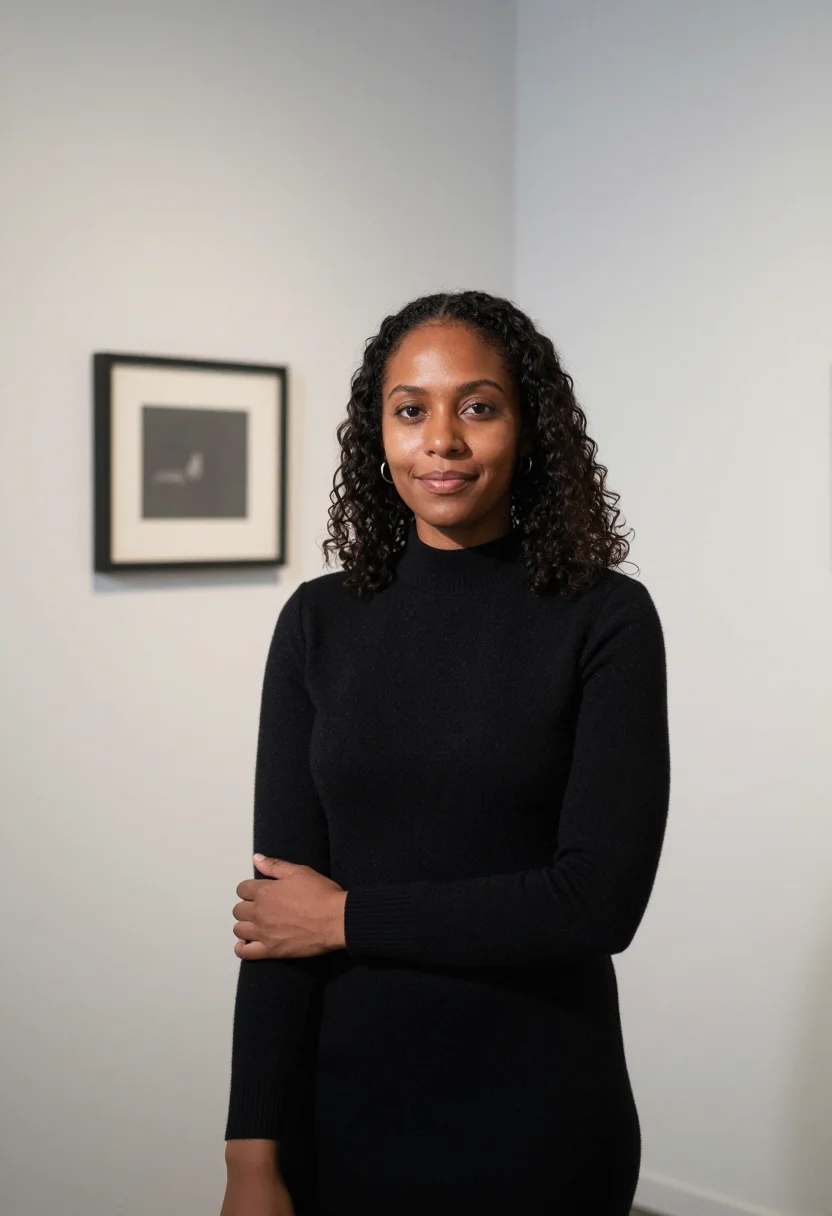
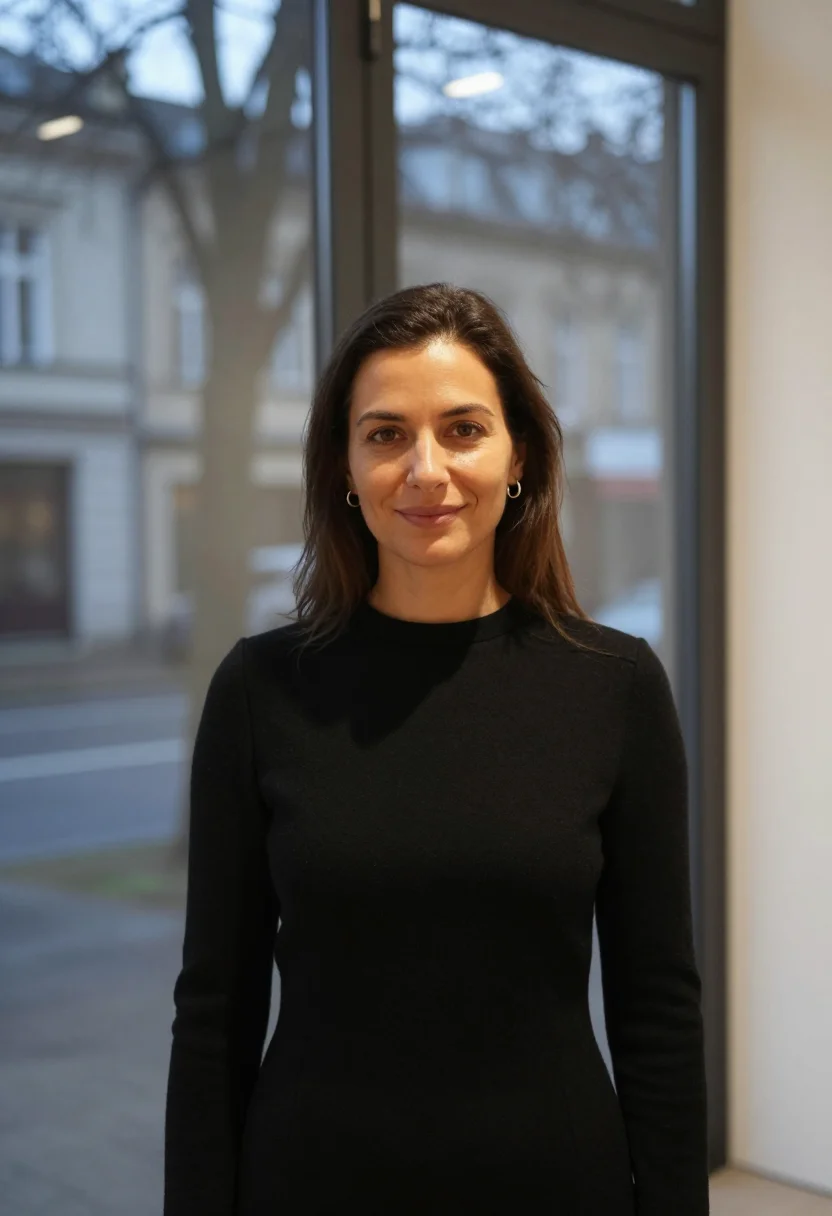
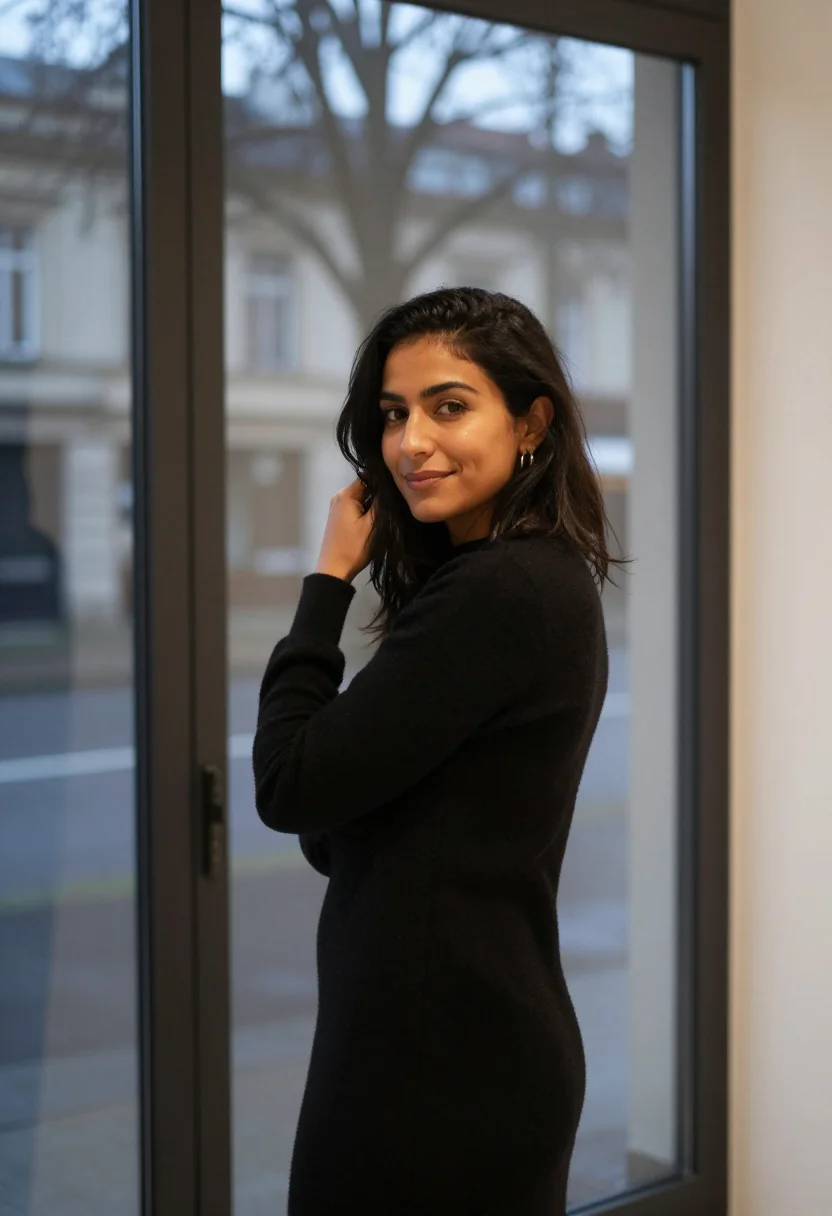
Nine photographs of you in one setting: one pack of the Narcis catalogue.
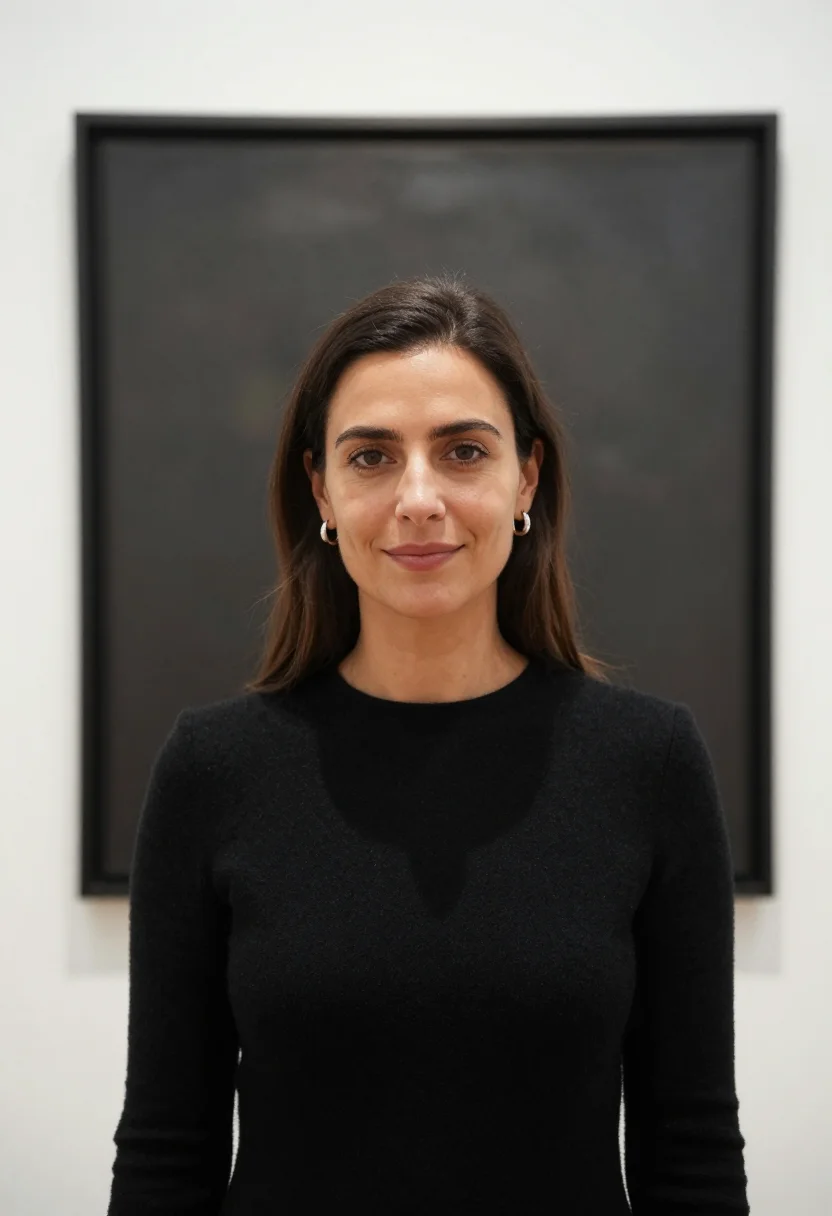
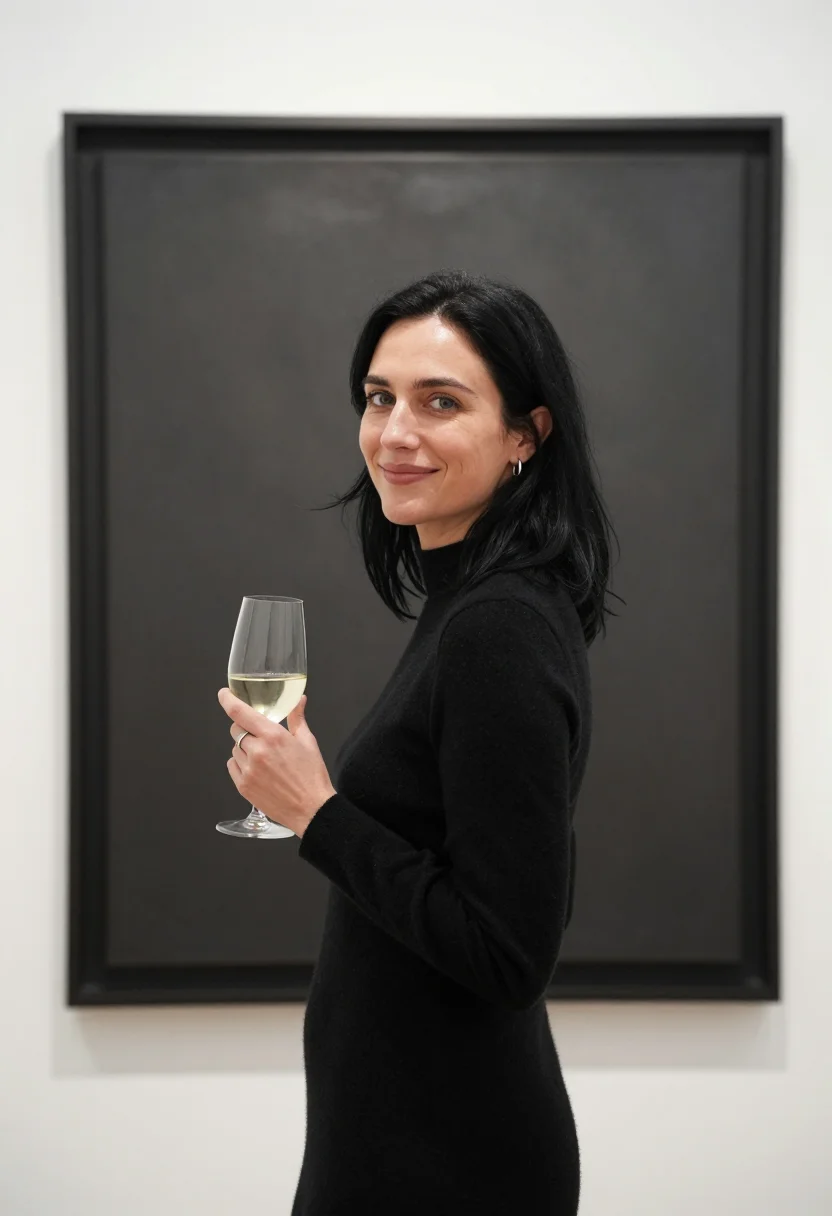
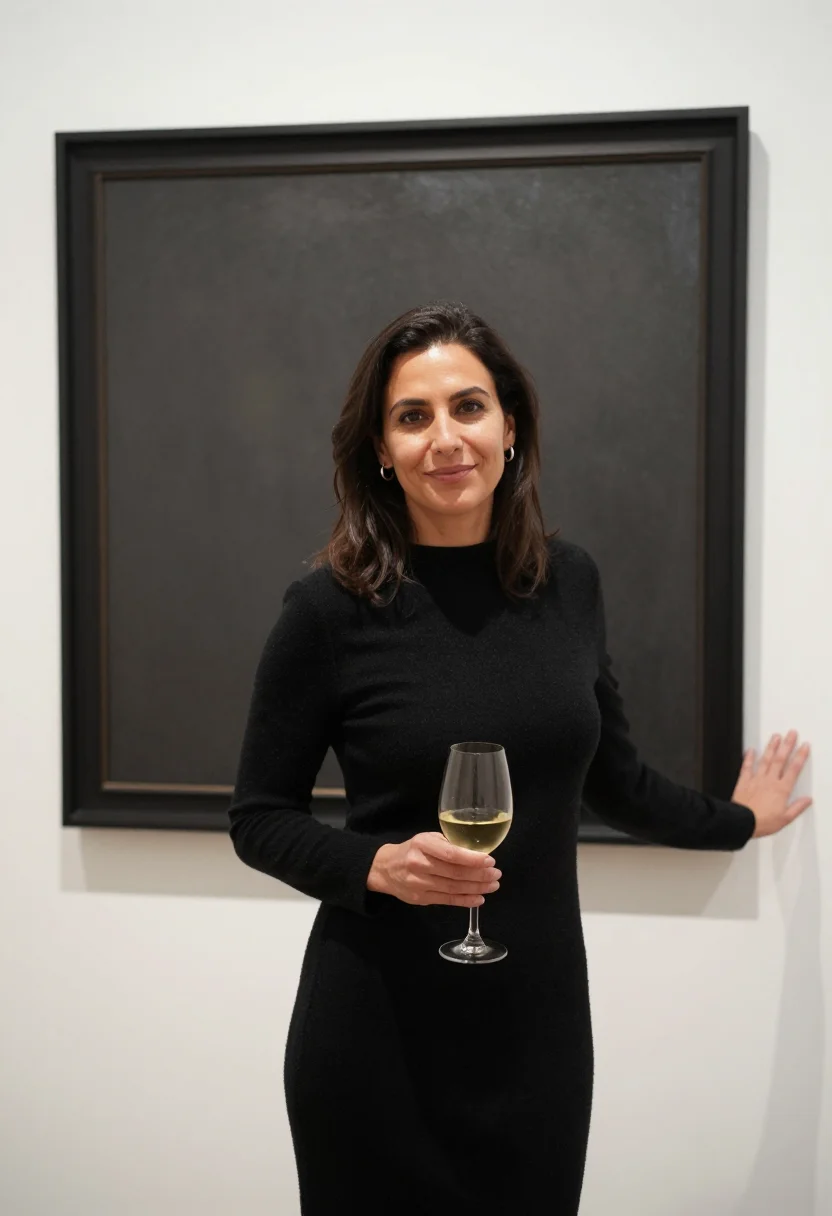
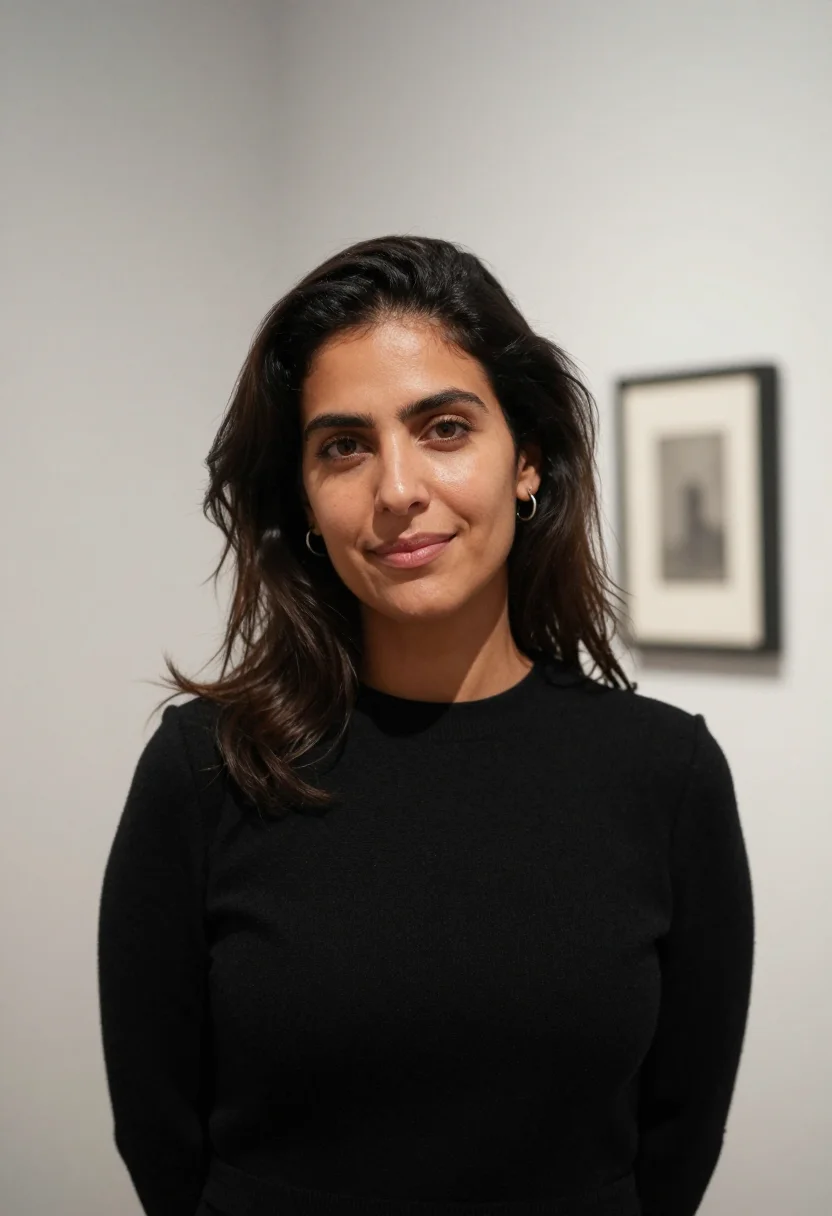
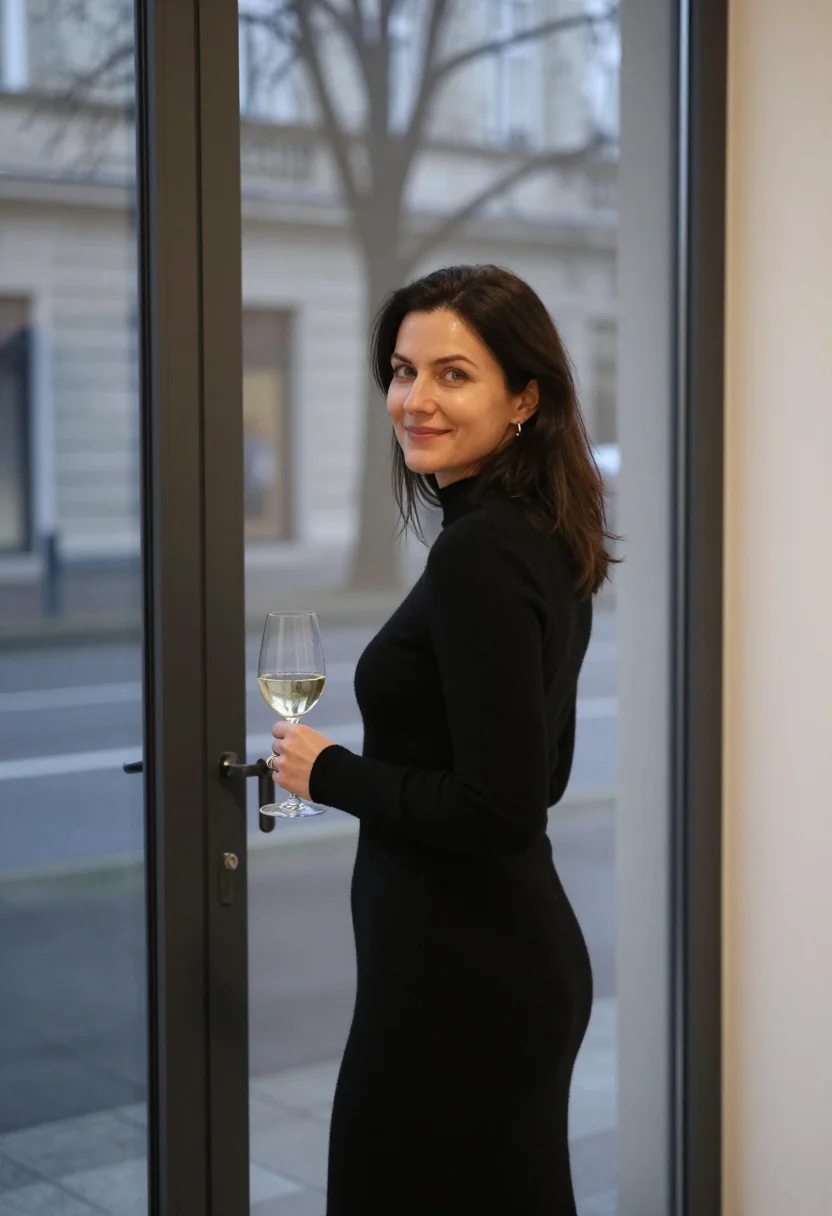
Nine photographs of you, styled for an artist's own opening night in black — a black wool dress, a white gallery, in portrait format. The nine vary in crop, expression and light, so there are real choices, not nine identical files.
/own-show-gallery-opening-black · photo · 3 scenes
The Opening Night, in Black
6–20 photos of yourself · we email you when your model is ready
More of life's occasions
one model wears them all →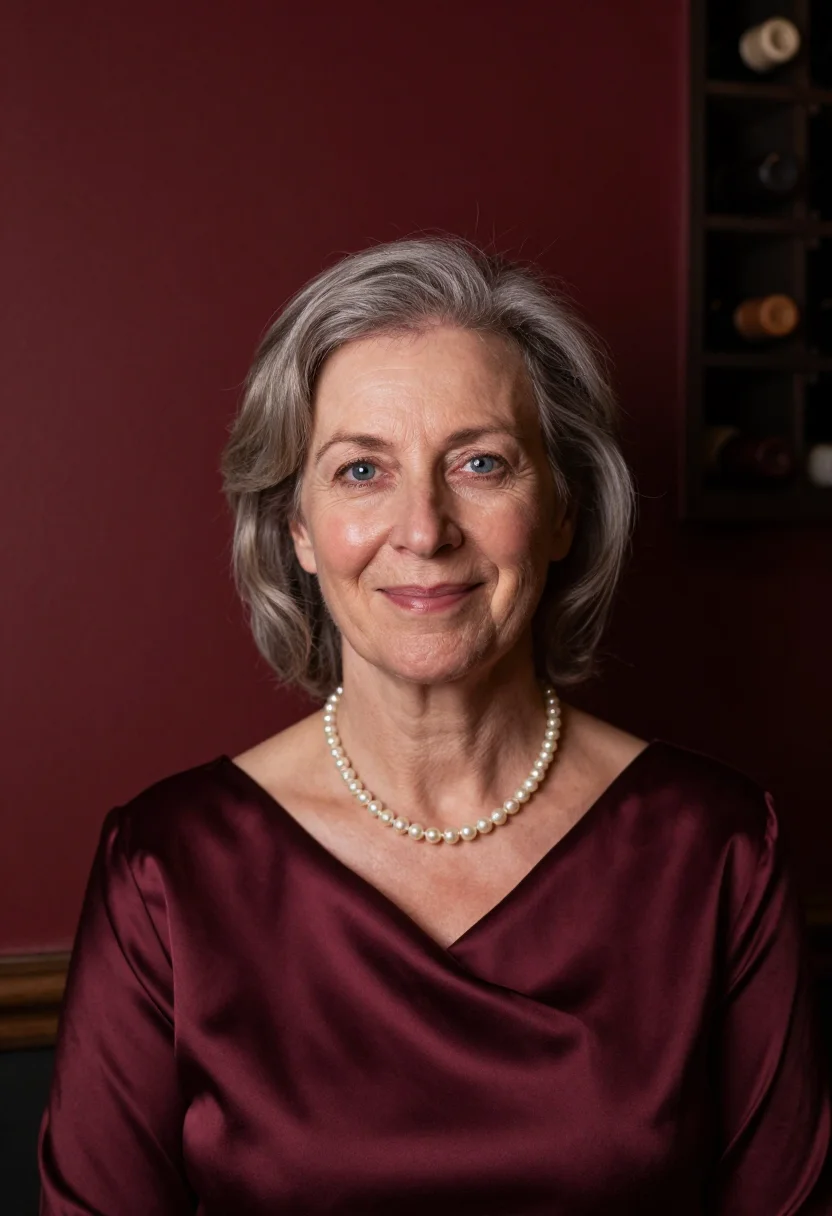
all 9 photos in this pack ↓
How it works
Three steps.
1
Add your photos
Add photos of yourself. We check each one when you add it.
2
We create your model
We create your AI model from your photos. Your photos are ready in a few hours.
3
Every pack, with your face
This pack and every other pack on Narcis can then be made with your face, and single photos too.
The The Opening Night register
A white gallery on opening night in November, the works held to values, a black wool dress, a glass held. The artist's own opening, photographed today against her wall. Black on white values: the dress, the frames held dark; the license is the artist's black as one hue against the gallery's white, the glass the attribute.
A black wool dress, hair dark, loose; small silver hoops; a glass held. Camaïeu black on white values: wool, frame. Three looks: (1) Against the white wall beside a dark frame, the gallery's even light. (2) In the gallery's corner, the black close. (3) Half-length at the gallery's glass door, the November street grey. Camaïeu: garment and ground share the one hue; separation by texture, specular and the direction of light; the face the only other colour.
The output is photoreal — a real-looking photograph of you at an artist's own opening night, not a painting or an illustration. Camaïeu is a lighting-and-material logic borrowed from portrait painting's history, not a stylised filter; a black wool dress and the room render exactly as a camera would see them, with your own face carrying the likeness throughout.
How to photograph yourself for opening night portraits
Better source photos make better portraits.
- Even, soft lightStand near a window with indirect daylight on your face. The pack builds its own light on top — a flat, well-lit selfie gives it the clearest face to work from.
- Front or three-quarter angleCamera at eye level, facing it or turned slightly to three-quarter. No selfie-stick uplook, no shot from below.
- Face fully clearHair off the face, no hats, sunglasses, or filters in the source photo. A clear, front-facing photo is the best input for an AI portrait.
- A composed expressionThe black register favours a level, present expression over a big grin — a calm expression in your source photo blends more naturally into the frame.
- Plain background is fineDon't worry about your own backdrop — a white gallery replaces it entirely. A plain wall behind you just helps the model focus on your face.
Frequently asked questions
- Will it actually look like a real photograph?
- Yes. The output is photoreal — a real-looking photograph, not a painting or an illustration — built around a black wool dress and a white gallery, the details the register is anchored to.
- Can men use this pack?
- The styling and sample set are built for one gender — a black wool dress among them — so it reads that way.
- Can I use it as a dating profile photo or a gift?
- Yes — it's a striking, well-composed portrait of an artist's own opening night that reads well on either. As a gift it works especially well for the exhibiting artist.
- Do I need a black wool dress for this to work?
- You don't need any of it in real life; that's what the photoshoot supplies.
- Can I print or frame the images?
- Personal use like this is fine — a print, a frame, a keepsake for the family album. It isn't licensed for commercial resale.
- Will the photos look like me?
- Every photo looks like you, well photographed. If one is nearly right, say what to change, in your own words.
- Do I have to write a prompt?
- No. There is nothing to write: you pick a pack, and it is ready in seconds.
- How many photos of myself do I add?
- Between six and twenty, from different days and in different light, with your face clear. We check each one when you add it.
- What happens to the photos I add?
- They are used only to create your model, on our own servers in the European Union. They are not shared and not sold.
When The Opening Night fits
- Black on black women gallery — a portrait kept for the mantel, not just the phone.
- First solo show, printed as a keepsake or framed for the hallway.
- Exhibition opening portrait, done properly, once — not a hurried phone shot on the day.
- A portrait of an artist's own opening night for the family album, or a print sent to the exhibiting artist afterwards.
- A profile picture that reads considered rather than rushed.
- A gift for anyone who was actually there, or couldn't be.
- A phone or desktop wallpaper carrying the black palette through the season.
- A dating profile photo with a genuine sense of occasion behind it.
About narcis
Most AI photo tools put every pose, job, era, and style in one giant catalog. The photos all look like every other AI photo on the internet — a glaze over a stock face. Narcis goes the other way. One job: photos of you that look like photographs. You add at least 6 photos of yourself, and we create your AI model from them. Your photos are ready in a few hours, and we email you when they are. Then this pack and every other pack on Narcis can be made with your face. Each pack is curated against real references — paintings, photographers, places — and tested on real faces before it goes live. Built and run by one small team, on our own servers.
All images are AI-generated. By using this service, you confirm you are 18+, that any face photo you upload is your own or used with explicit consent. Full Terms