Reggaeton Photoshoot
Nine photos of you in one setting
How your model is created from your photos
Every pack on Narcis, made with your face
Nine photographs of you in one setting: one pack of the Narcis catalogue.
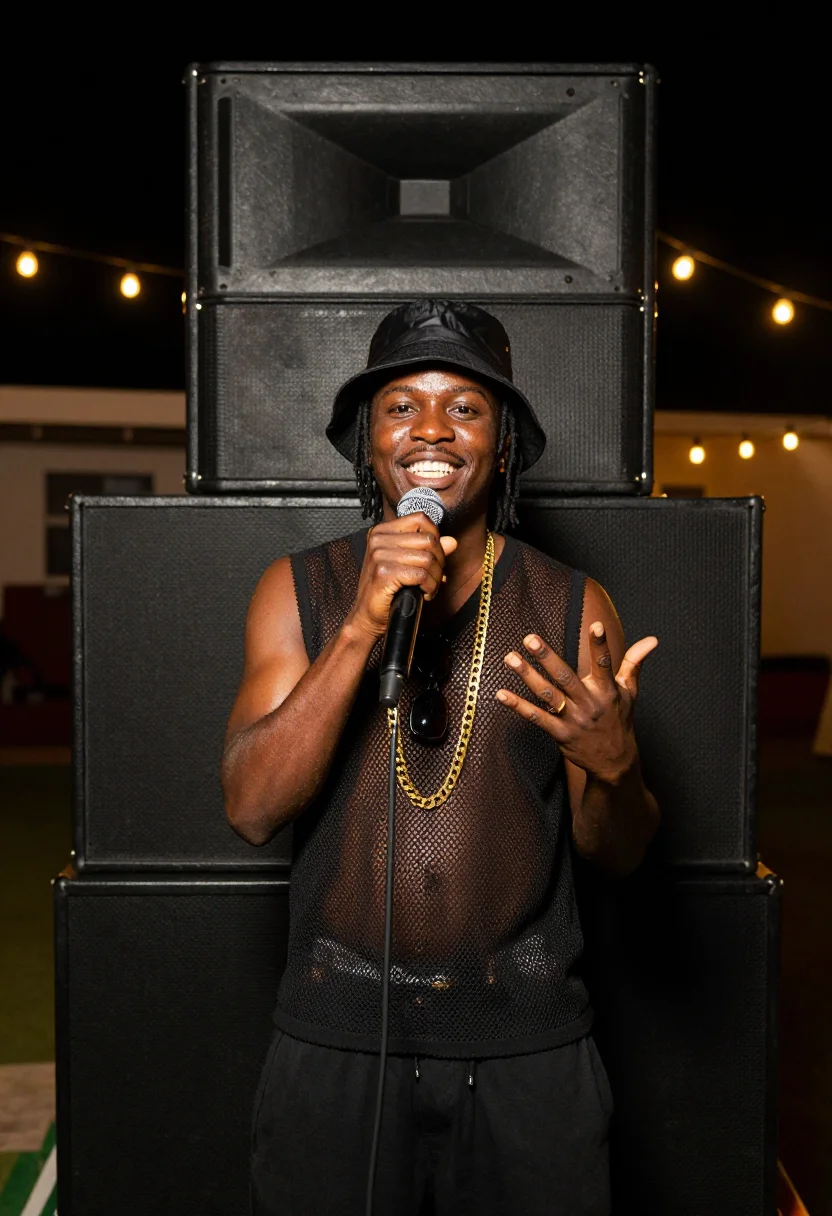
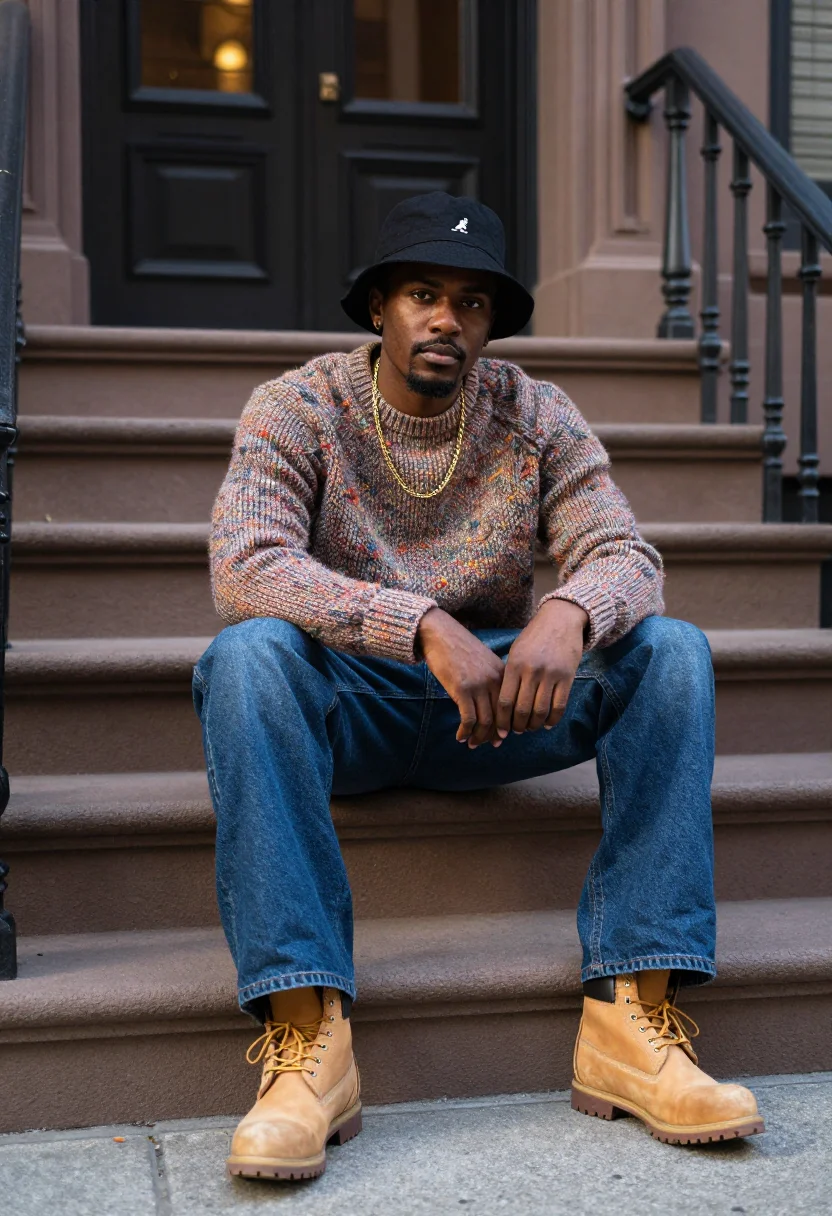
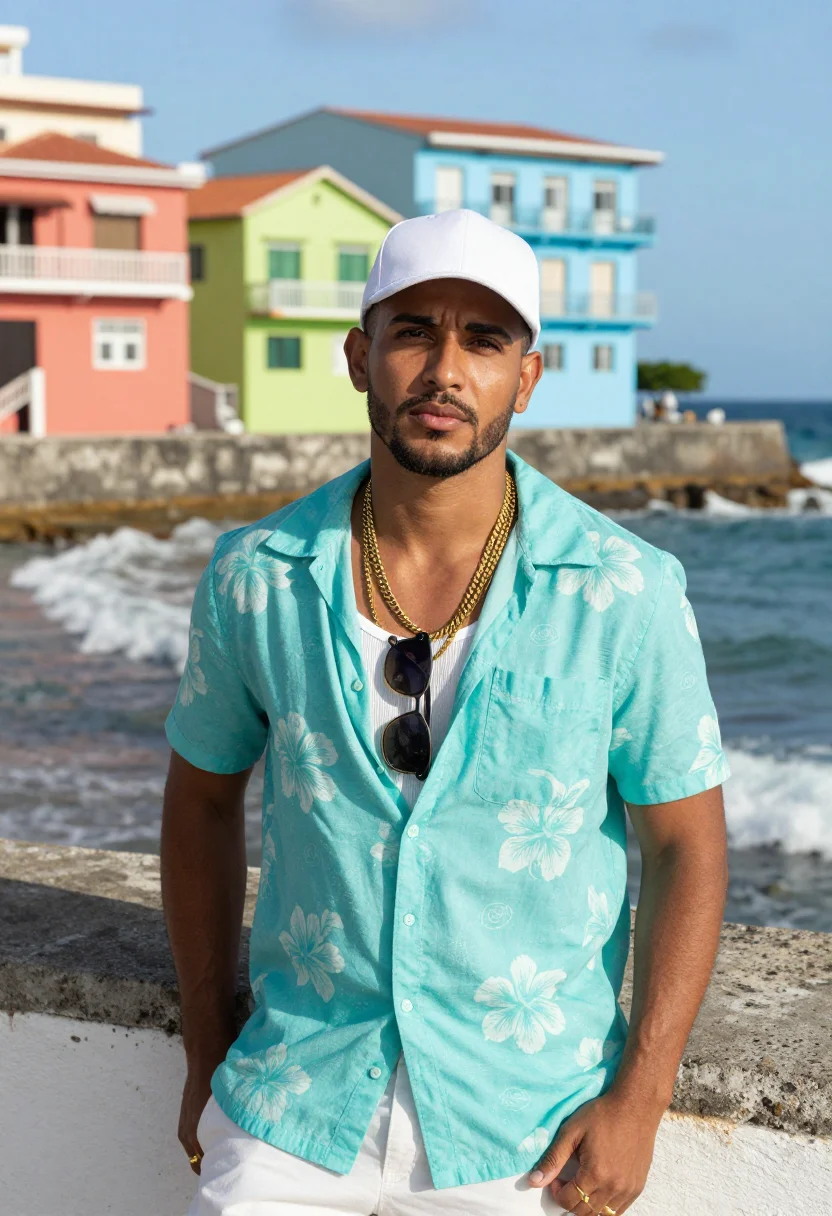
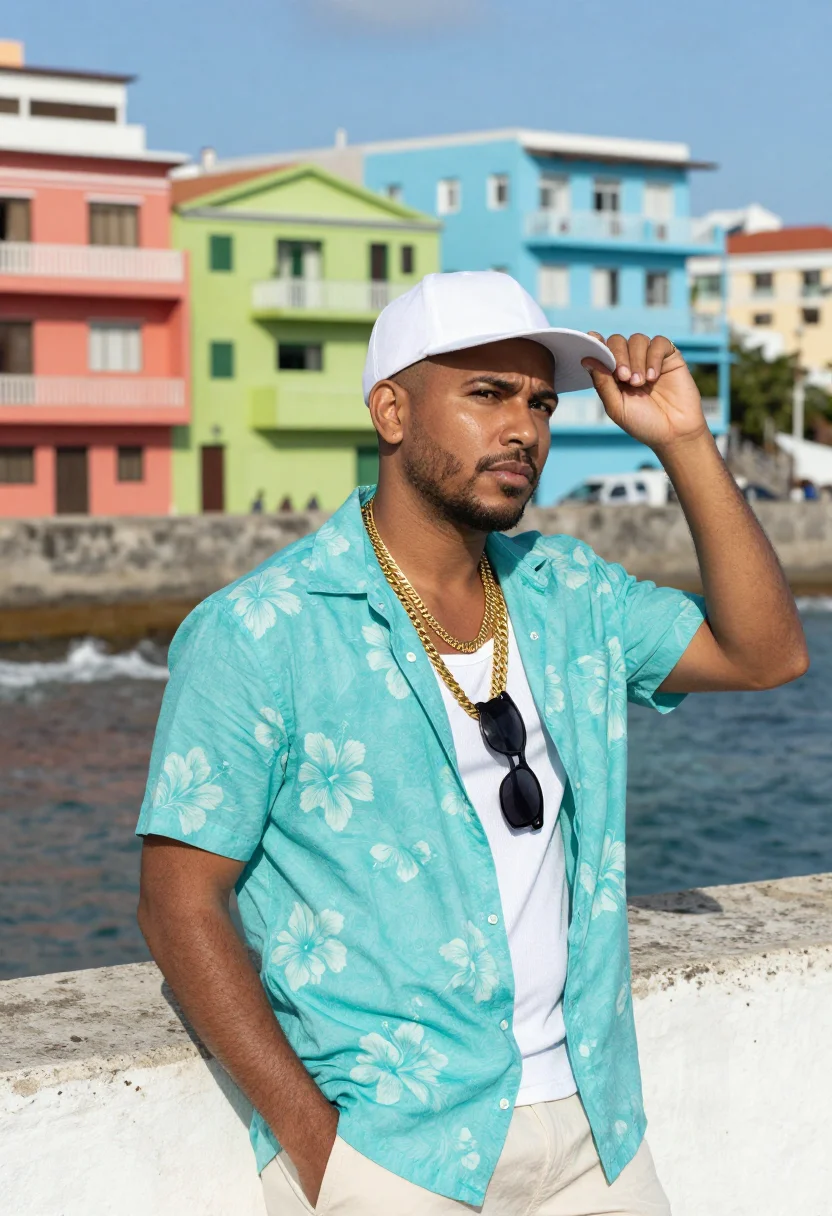
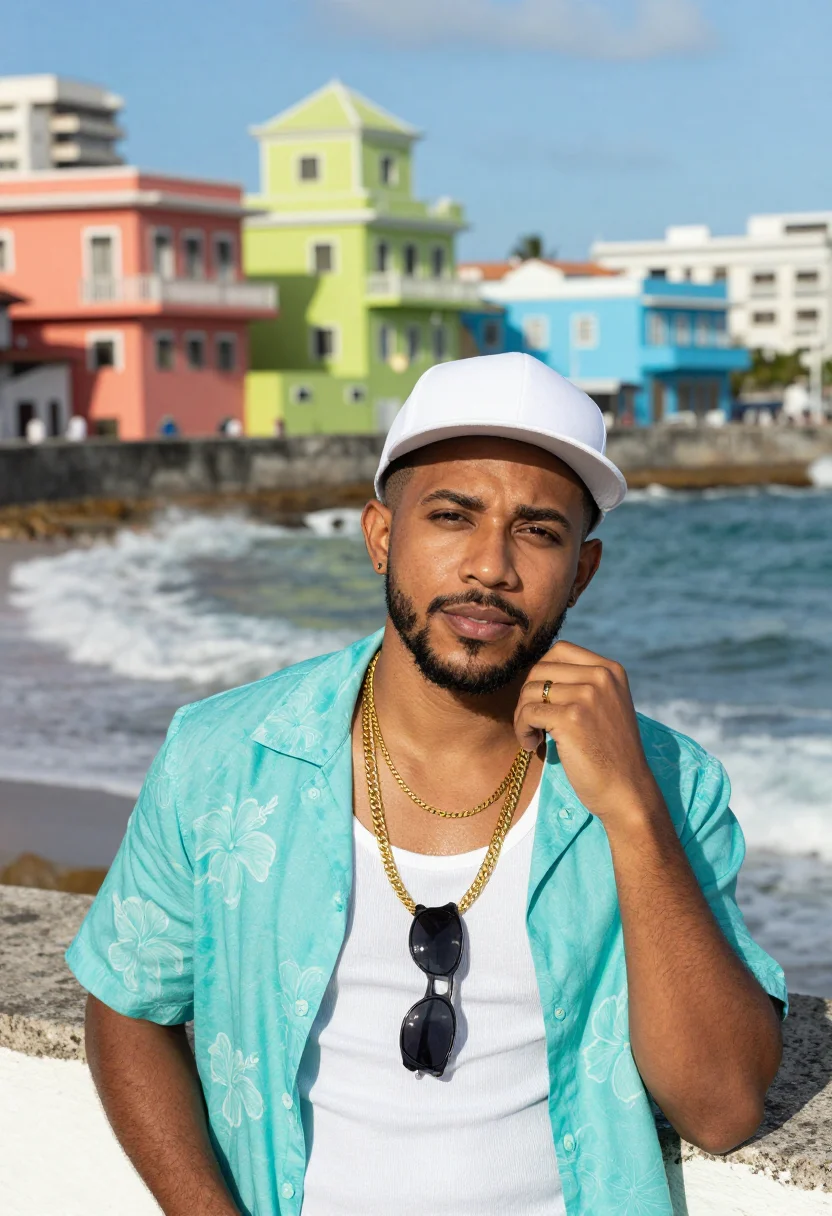
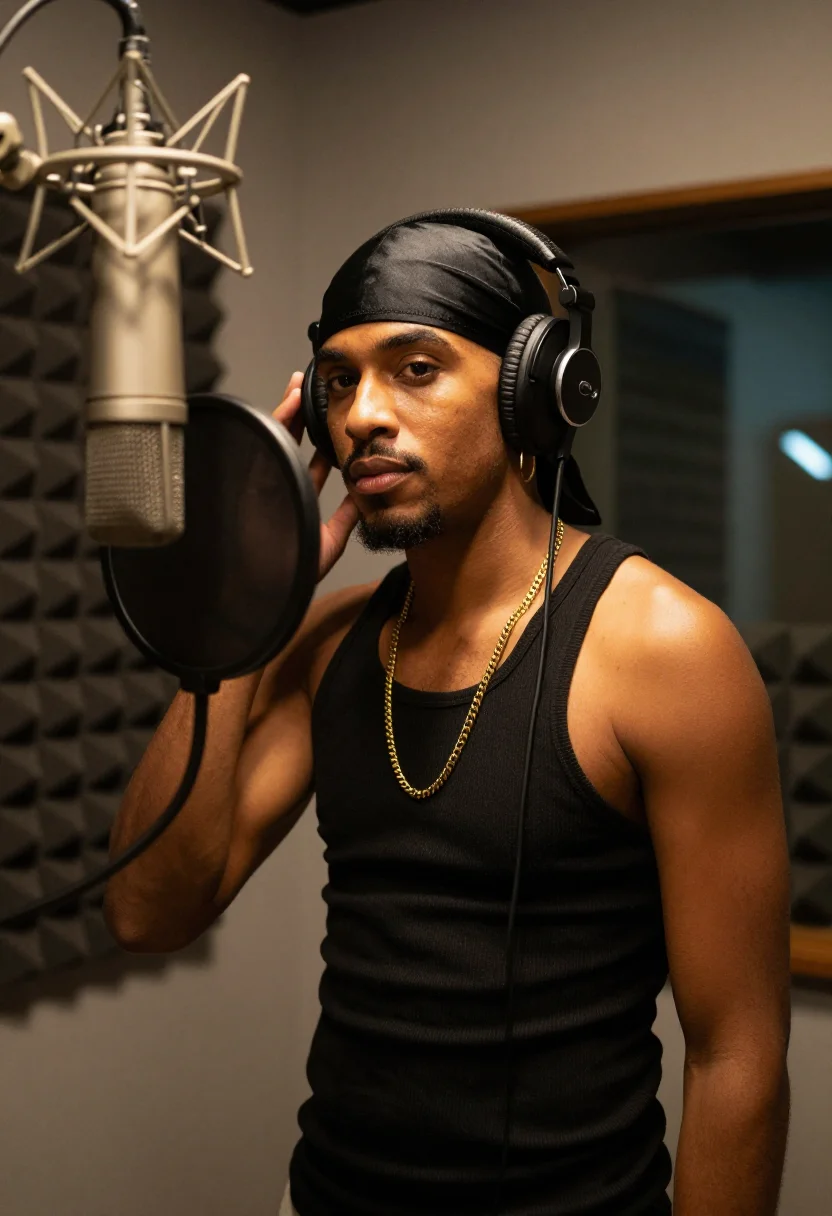
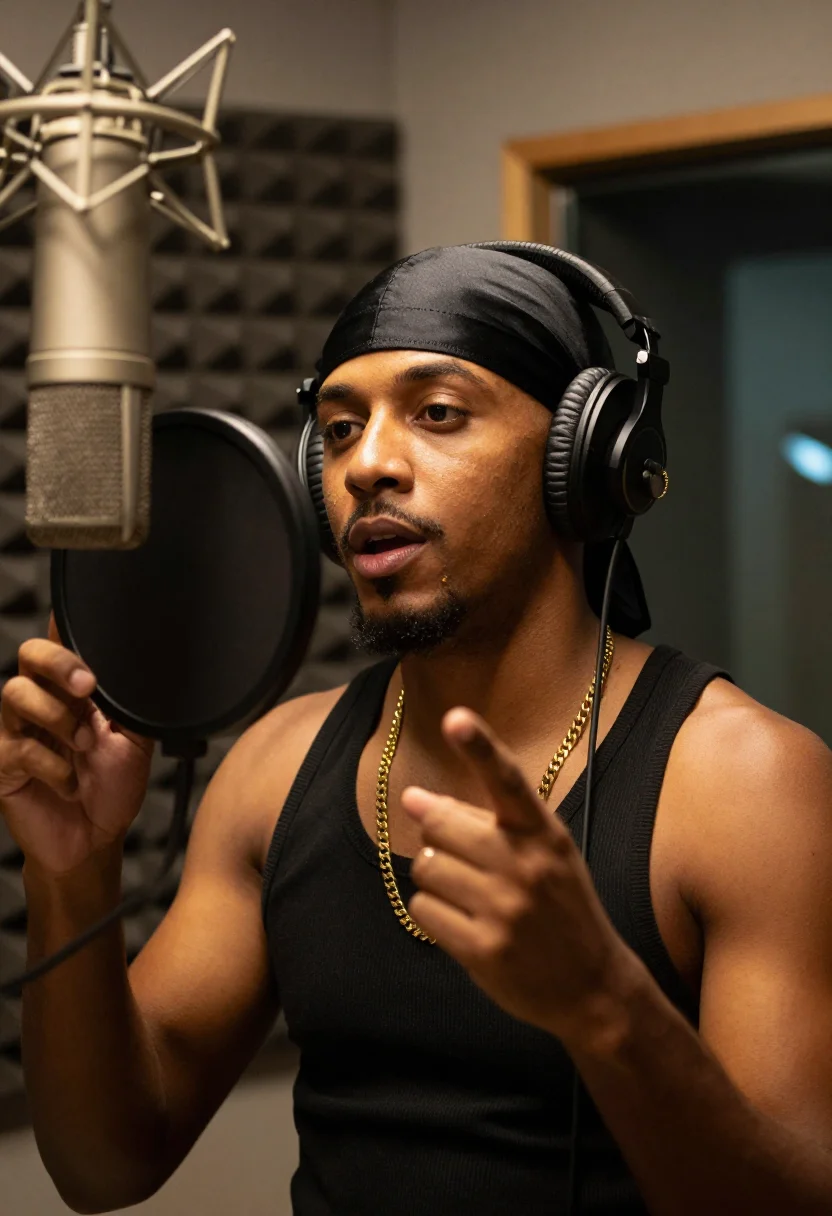
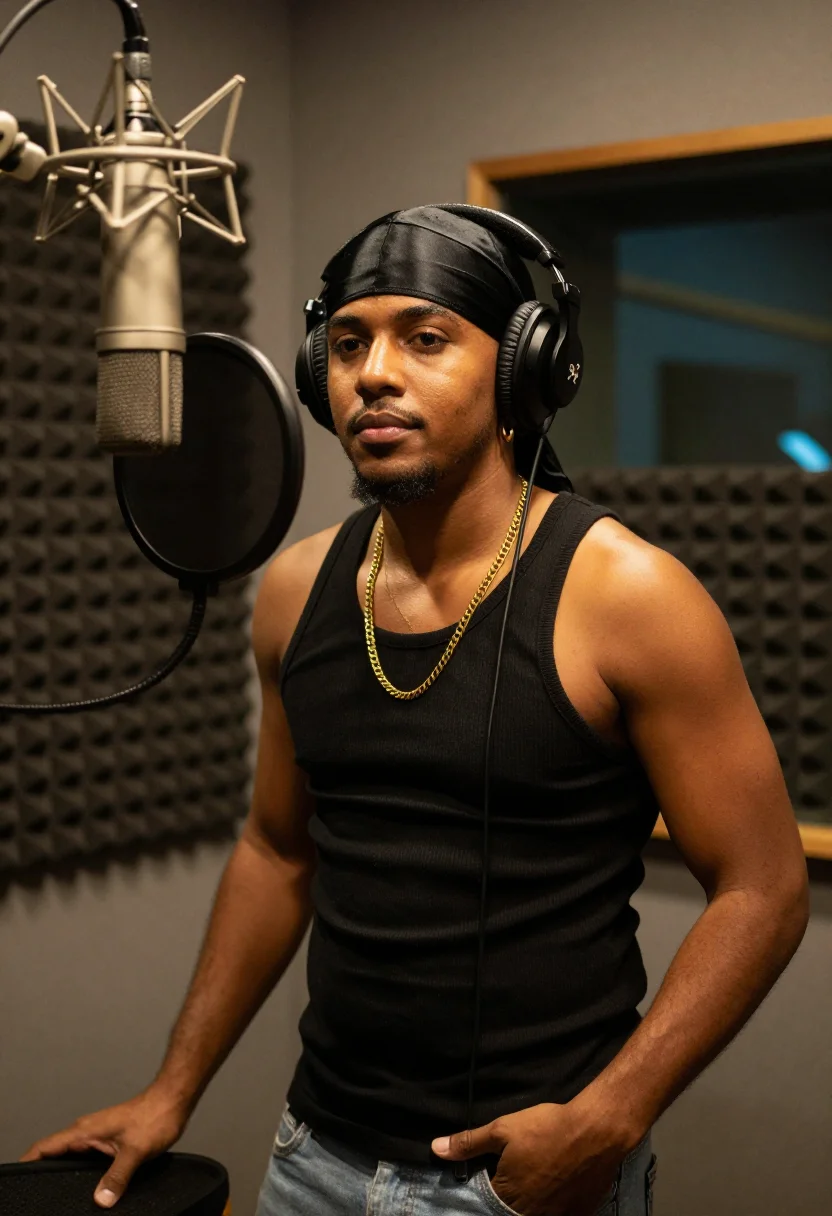
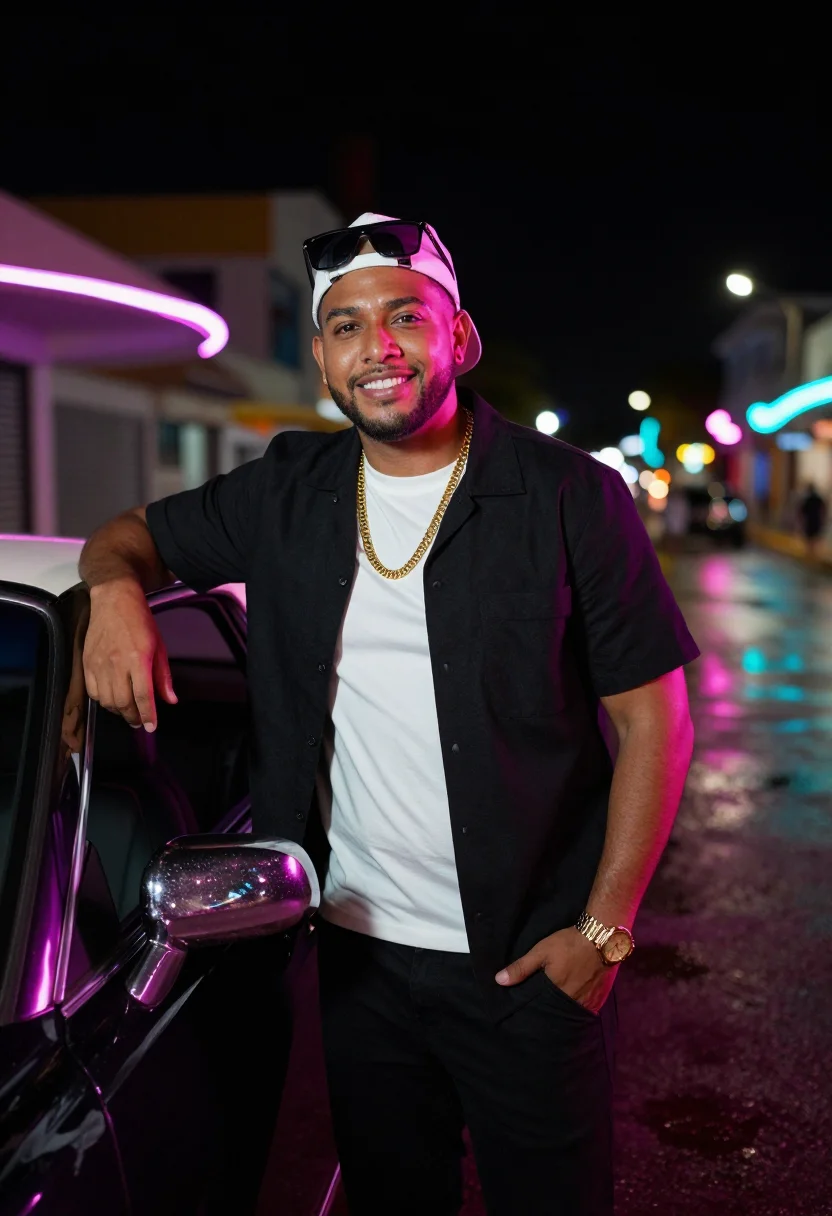
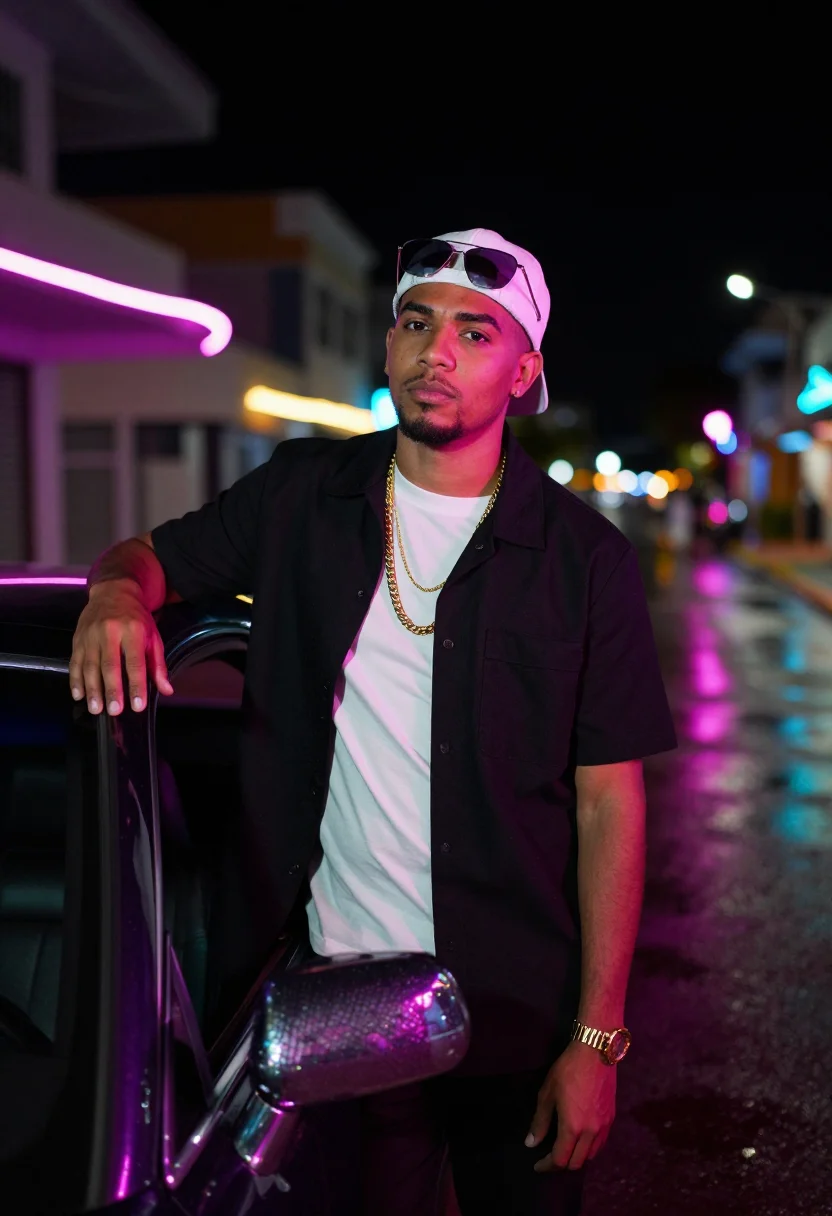
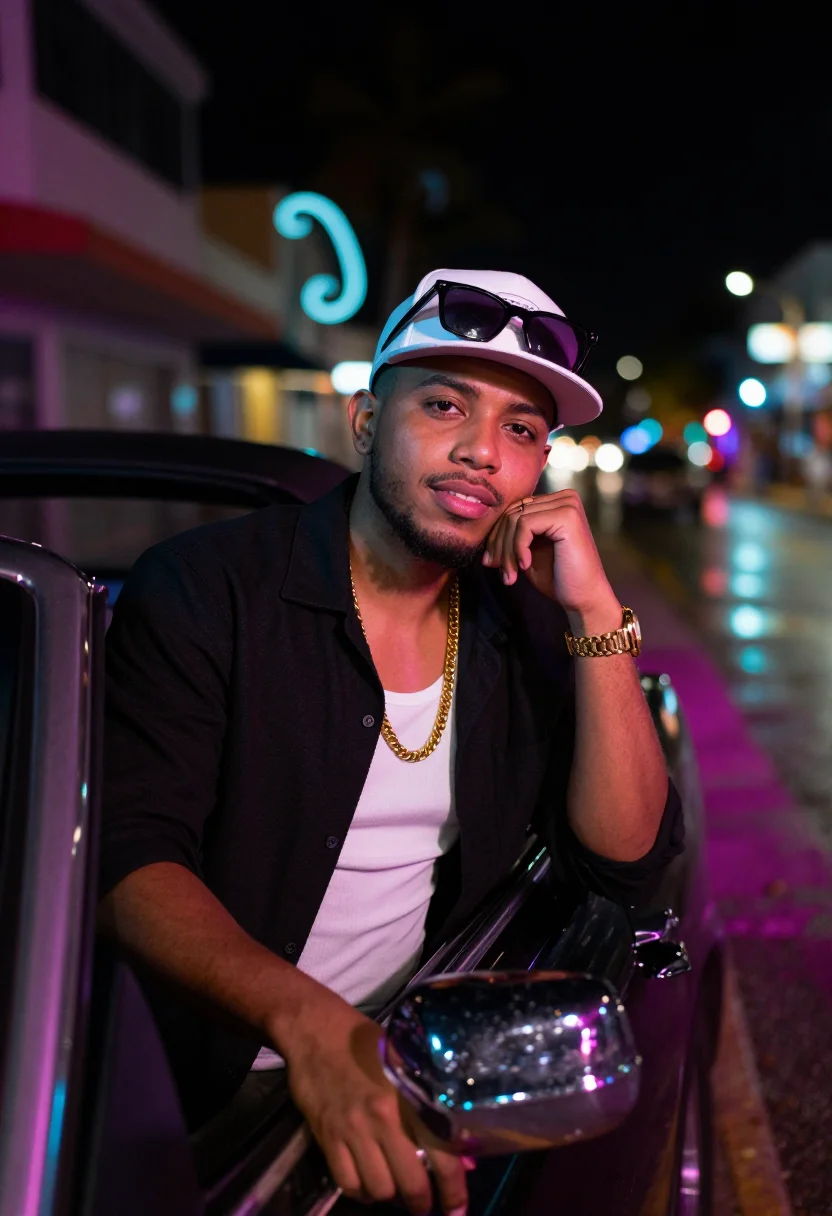
Nine photographs of you, styled as a San Juan reggaeton artist — layered chains, an open printed shirt and a fitted cap at La Perla's painted sea wall, in a recording booth, and on the Condado strip at night, in portrait format. The nine vary in crop, expression and light, so there are real choices, not nine identical files.
/reggaeton-san-juan · lifestyle · 3 scenes
Reggaeton Photoshoot
6–20 photos of yourself · we email you when your model is ready
More stages and scenes
one model wears them all →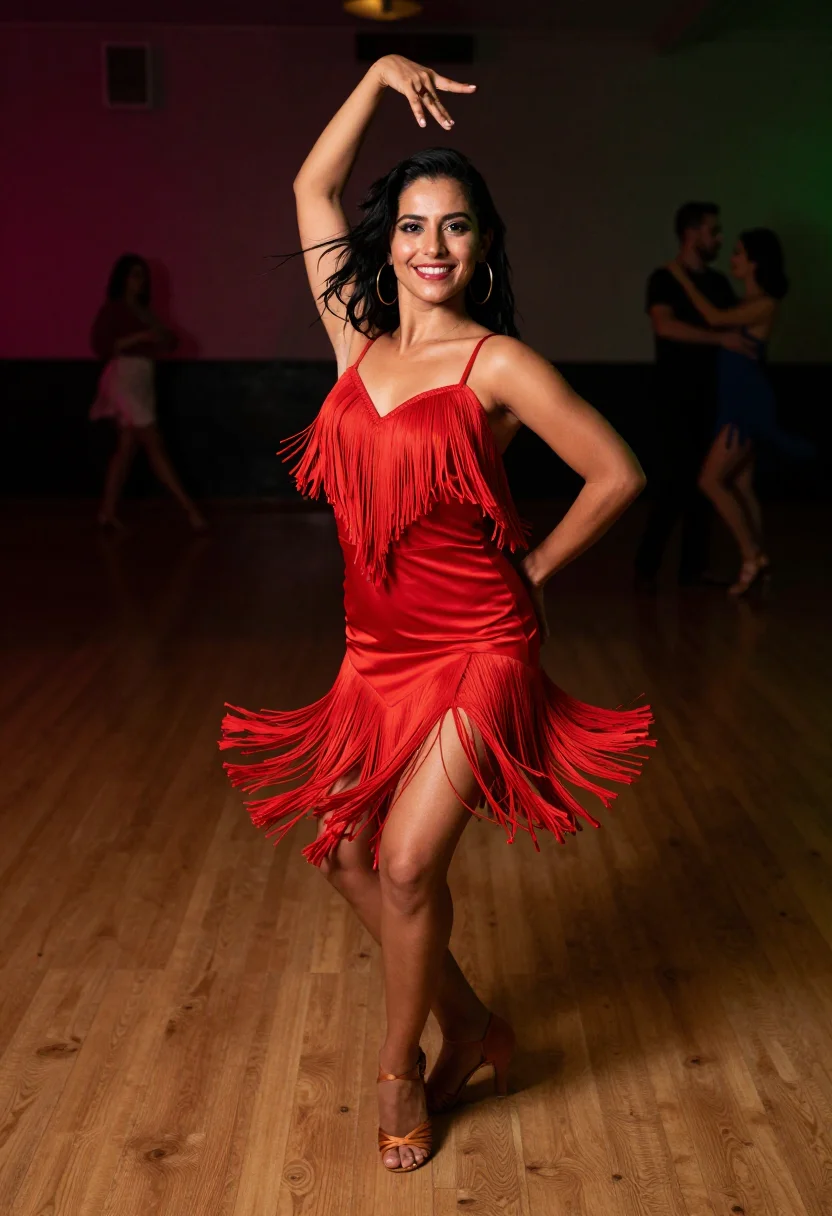
all 9 photos in this pack ↓
How it works
Three steps.
1
Add your photos
Add photos of yourself. We check each one when you add it.
2
We create your model
We create your AI model from your photos. Your photos are ready in a few hours.
3
Every pack, with your face
This pack and every other pack on Narcis can then be made with your face, and single photos too.
The San Juan reggaeton register
Reggaeton is a Puerto Rican invention and San Juan photographs like it knows. This pack takes the register from the island rather than from a generic city-at-night stock look. The wardrobe is bright and gold: an open printed shirt or a fitted tee, layered chains at the throat, a fitted cap or a durag, sunglasses when the sun demands them. The palette runs La Perla's painted colour — the blues, pinks and yellows of houses stacked along the sea wall — against chain gold, sea turquoise and the neon of a Condado night. What makes a reggaeton photoshoot work is light discipline: Caribbean midday is hard and unforgiving, and the register leans into it rather than softening it. Shadows are sharp under the cap brim, metal is bright, and the sea behind is a flat wall of turquoise. Then the pack turns the light over completely for the night cells, and the same face reads under neon instead.
Three situations carry it. La Perla puts you on the sea wall in front of the painted houses with the ocean behind and the cap low, chains catching the sun — the frame most people picture when they picture the island's music. The booth cell is the working one: standing at a mic in a studio with headphones on one ear, warm light, focused rather than performing, the puerto rico photoshoot frame that says the music is made and not just posed with. The strip cell is the night: leaning on a convertible's door on a neon-lit road, sunglasses on, a grin — pure swagger, and unembarrassed about it. The output is photoreal — a real-looking san juan photoshoot portrait of you in the chains and the cap, not an illustration.
How to photograph yourself for a reggaeton photoshoot
Better source photos make better portraits.
- Even, soft lightStand near a window with indirect daylight. Avoid overhead bulbs and flash; the pack supplies its own hard Caribbean sun and neon, so a neutral source photo gives it room.
- Front or three-quarter angleEye level, facing forward or turned slightly. No selfie-stick uplook, no overhead phone angle.
- Face fully clearHair off the forehead, no sunglasses in the source photo. The cap sits low in two of the three cells, so the model needs a clear read of the face underneath it.
- A confident, easy expressionThis register runs on swagger rather than intensity — a grin or a level, unhurried look suits the sea wall and the strip. The booth cell is the one that carries focus.
- Plain background is fineThe painted houses, the booth and the neon strip replace whatever's behind you — a plain wall just helps the model focus on your face.
Frequently asked questions
- Will it actually look like a real reggaeton photoshoot?
- Yes. The output is photoreal — a real-looking photograph of you on the sea wall at La Perla, in a studio booth, and on a neon strip at night. Not a painting, not an illustration.
- Which scenes does the pack cover?
- Three that trace the island's sound: La Perla's painted houses on the sea wall, a recording booth mid-take, and the Condado strip at night with a convertible. Nine portraits, three per scene.
- Do I need to actually make music?
- No. The booth cell is a register, not a claim — plenty of people buy it because it photographs well. If you do release music, it is the closest thing here to an artist photo.
- Can women use this pack?
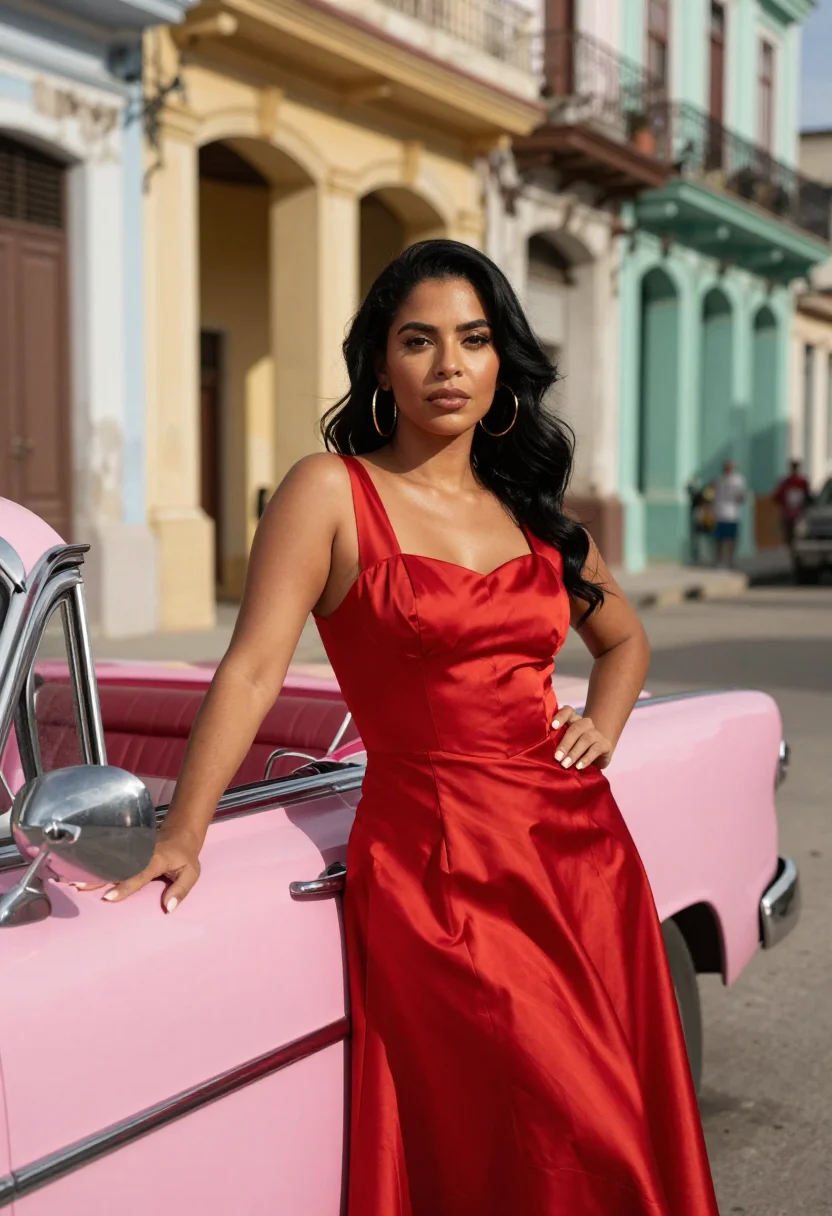
- This one renders as a male sitter — the open printed shirt, the fitted cap, the durag. Salsa Cali covers the female Latin dance register separately: fringed dress, heels, the Cali floor.
- Can I use it commercially?
- It's for personal use — profile pictures, prints, gifts, social posts — not licensed stock photography for resale or ad campaigns. A real single cover should be shot as one.
- Will the photos look like me?
- Every photo looks like you, well photographed. If one is nearly right, say what to change, in your own words.
- Do I have to write a prompt?
- No. There is nothing to write: you pick a pack, and it is ready in seconds.
- How many photos of myself do I add?
- Between six and twenty, from different days and in different light, with your face clear. We check each one when you add it.
- What happens to the photos I add?
- They are used only to create your model, on our own servers in the European Union. They are not shared and not sold.
When the San Juan reggaeton pack fits
- A profile picture with genuine street presence rather than a plain headshot
- A gift for someone whose playlist has been Puerto Rican for a decade
- A booth-style portrait for a music account, a bio or a personal project
- A framed print with La Perla's colour on the wall behind you
- A neon-strip portrait as a phone or laptop wallpaper
- A travel post from a trip to Old San Juan, styled rather than snapshotted
- A dating profile photo used honestly as styled AI portraiture
- A character reference for fiction, roleplay or a game set in the urban Latin world
- Anyone who has walked La Perla's sea wall and wanted an urban latin portrait of themselves in it
About narcis
Most AI photo tools put every pose, job, era, and style in one giant catalog. The photos all look like every other AI photo on the internet — a glaze over a stock face. Narcis goes the other way. One job: photos of you that look like photographs. You add at least 6 photos of yourself, and we create your AI model from them. Your photos are ready in a few hours, and we email you when they are. Then this pack and every other pack on Narcis can be made with your face. Each pack is curated against real references — paintings, photographers, places — and tested on real faces before it goes live. Built and run by one small team, on our own servers.
All images are AI-generated. By using this service, you confirm you are 18+, that any face photo you upload is your own or used with explicit consent. Full Terms