AI Renaissance Portrait Generator — Nine Photos From Your Own Model
See Your Free Preview in Seconds, Before You Pay
Nine Renaissance Portrait from Your Trained Model
Studio-Quality Results Without a Studio Visit
Narcis generates a free preview of your renaissance portrait from one uploaded photo. The preview streams in seconds — a quick sketch, close but not you yet. If you like it, you train your model on 12–20 photos of yourself; training runs in the background, and we email you when it is ready. From then on, the full pack of nine — €4,99 — and every other pack and the portrait studio all render from that one model.
The pack is nine professional renaissance portrait rendered in portrait aspect ratio (2:3) — the shape LinkedIn banners, CVs, and print profiles actually use. Each image shows varied crops, expressions, and light angles so you have real choices, not nine identical files.
Preview photos are processed on European servers. Training photos train only your model — delete your model and they go with it. We do not share your photos with third parties.
/renaissance-portrait · lifestyle · 3 scenes
Renaissance Portrait
no account · ~15s · the first shot is free
More like this
one model wears them all →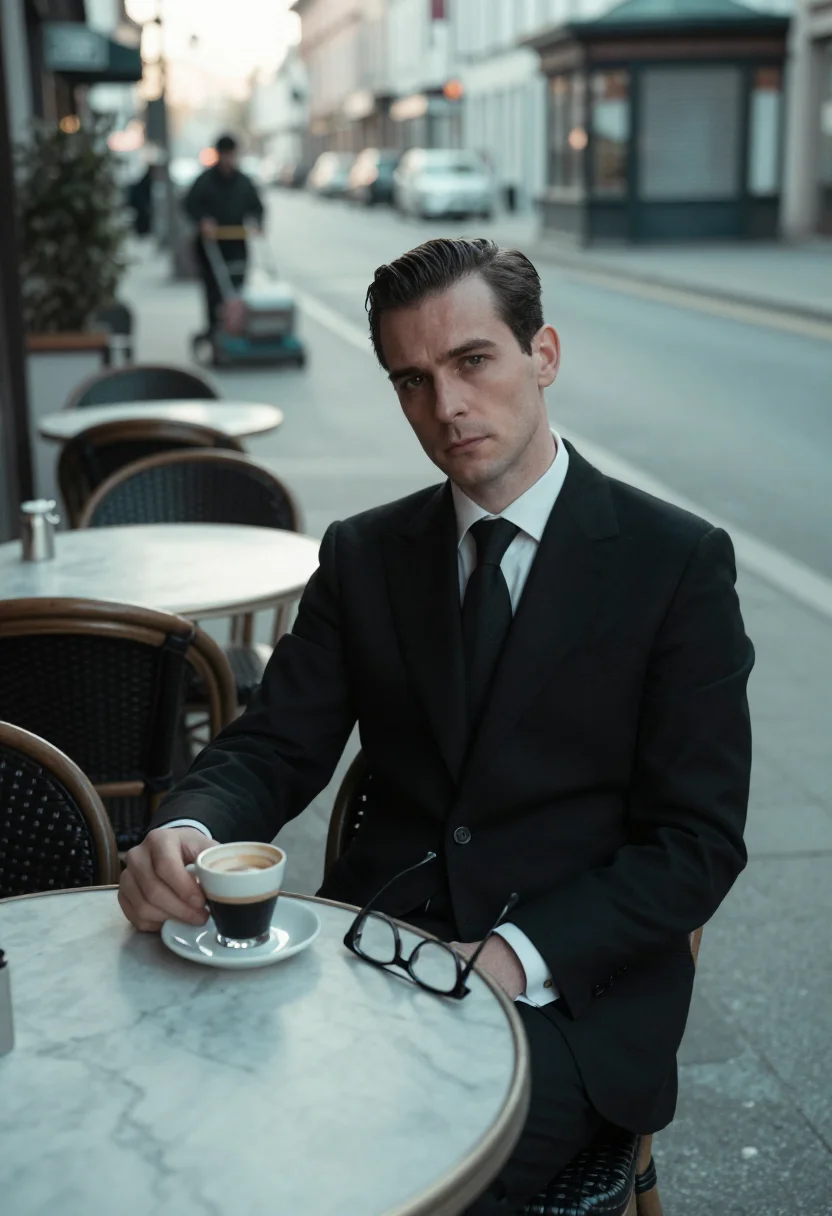
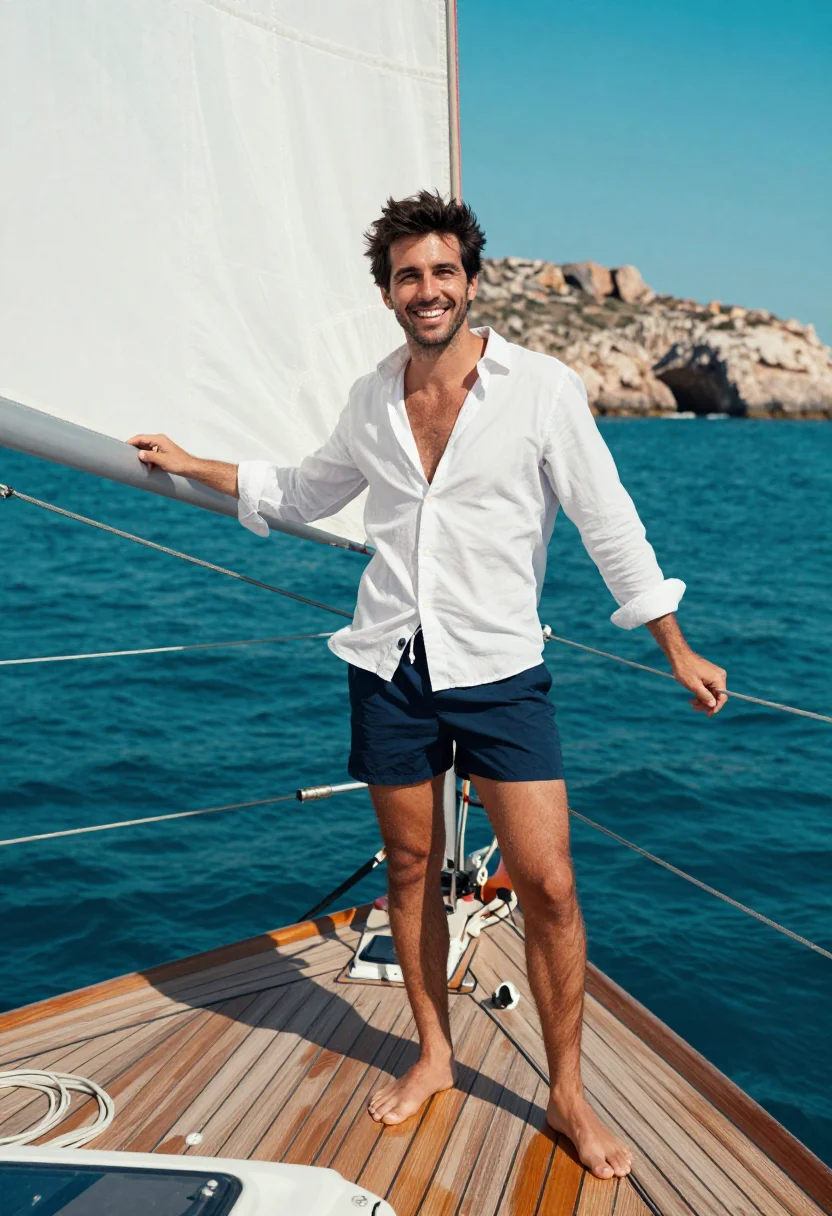
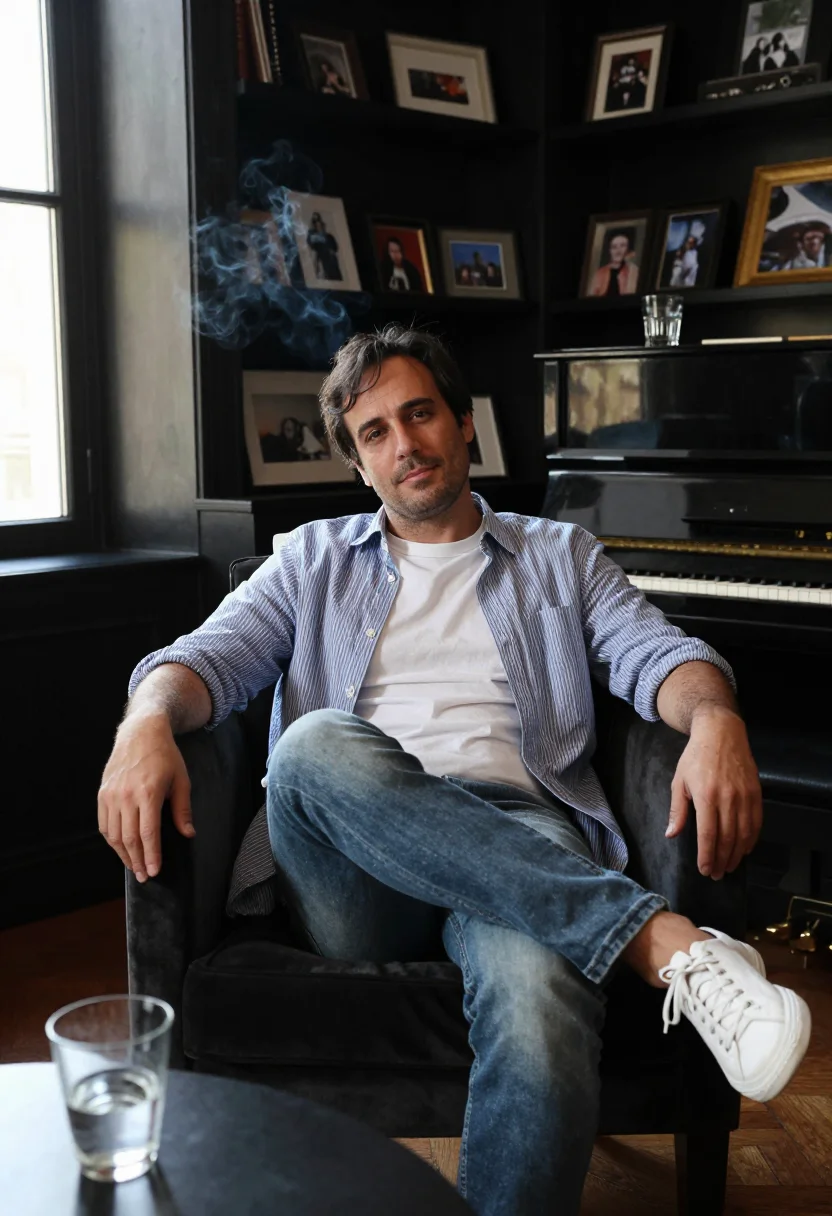
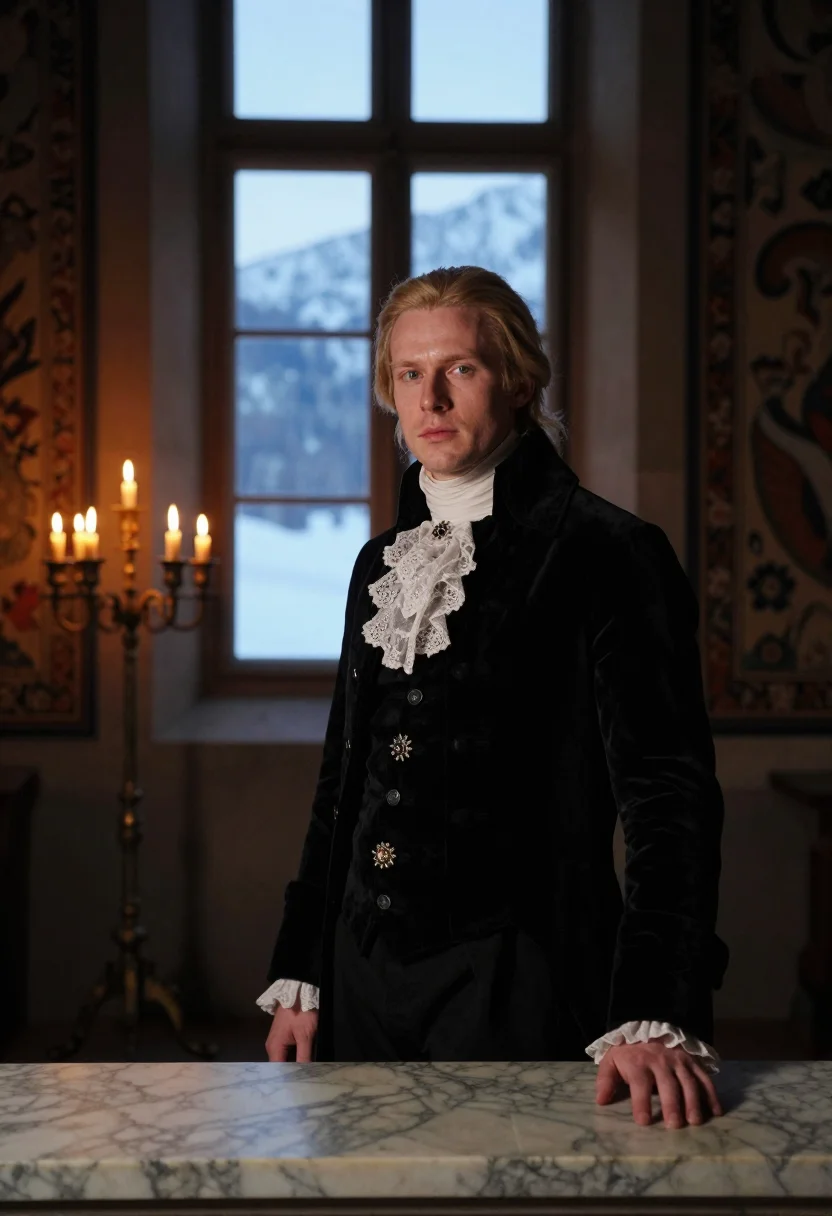
all 9 looks — from one photo ↓
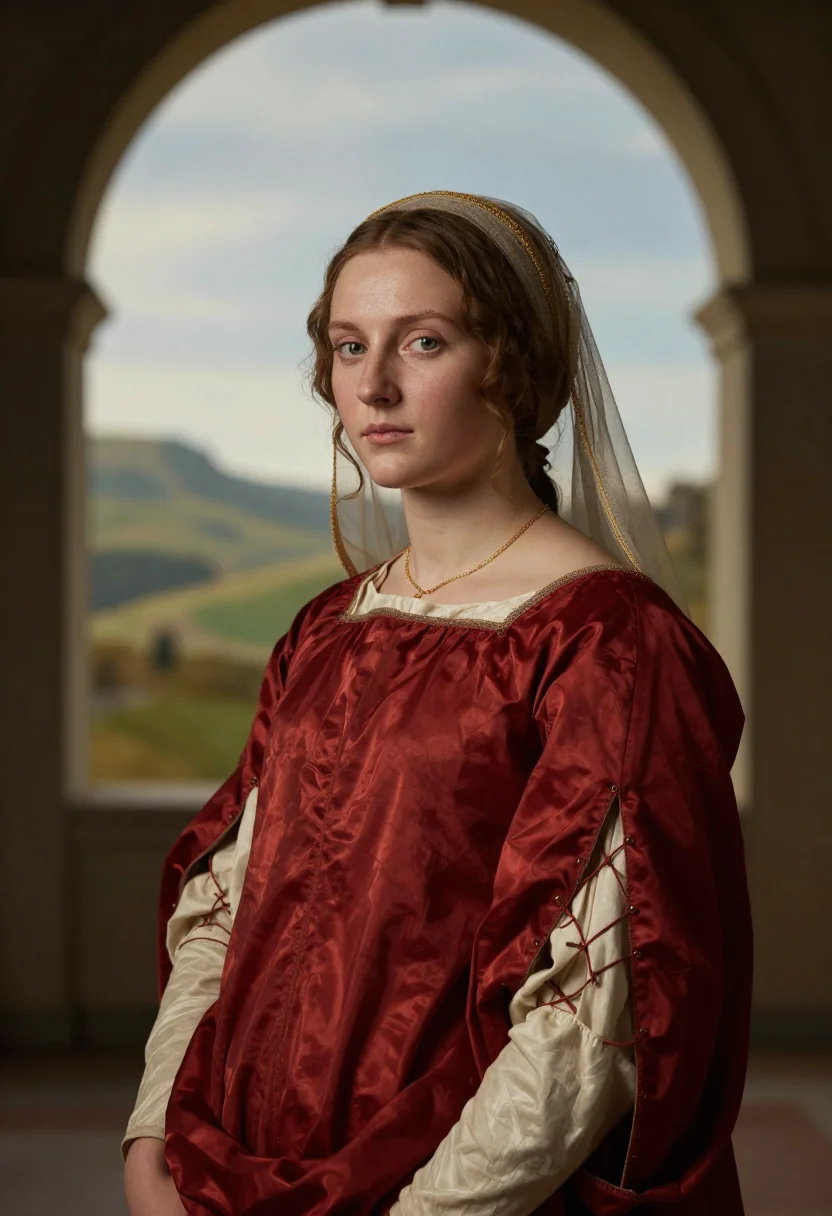
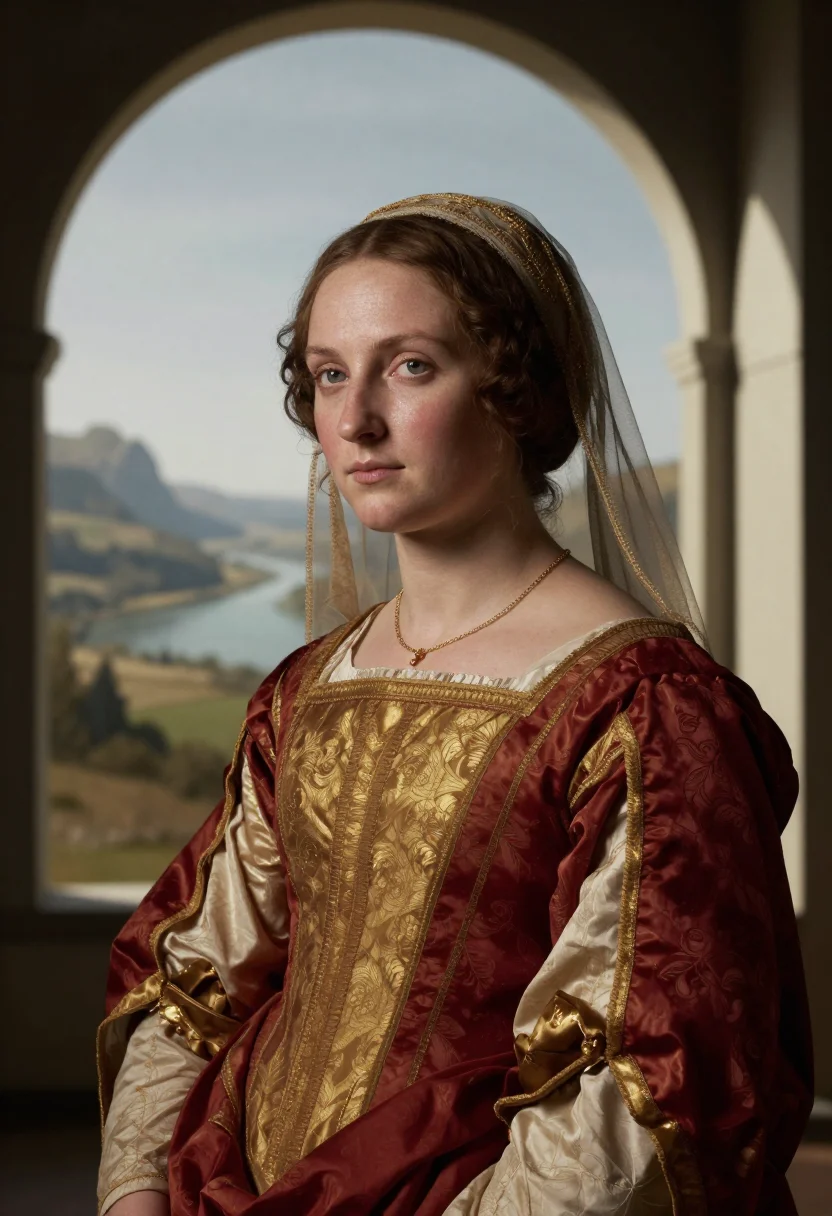
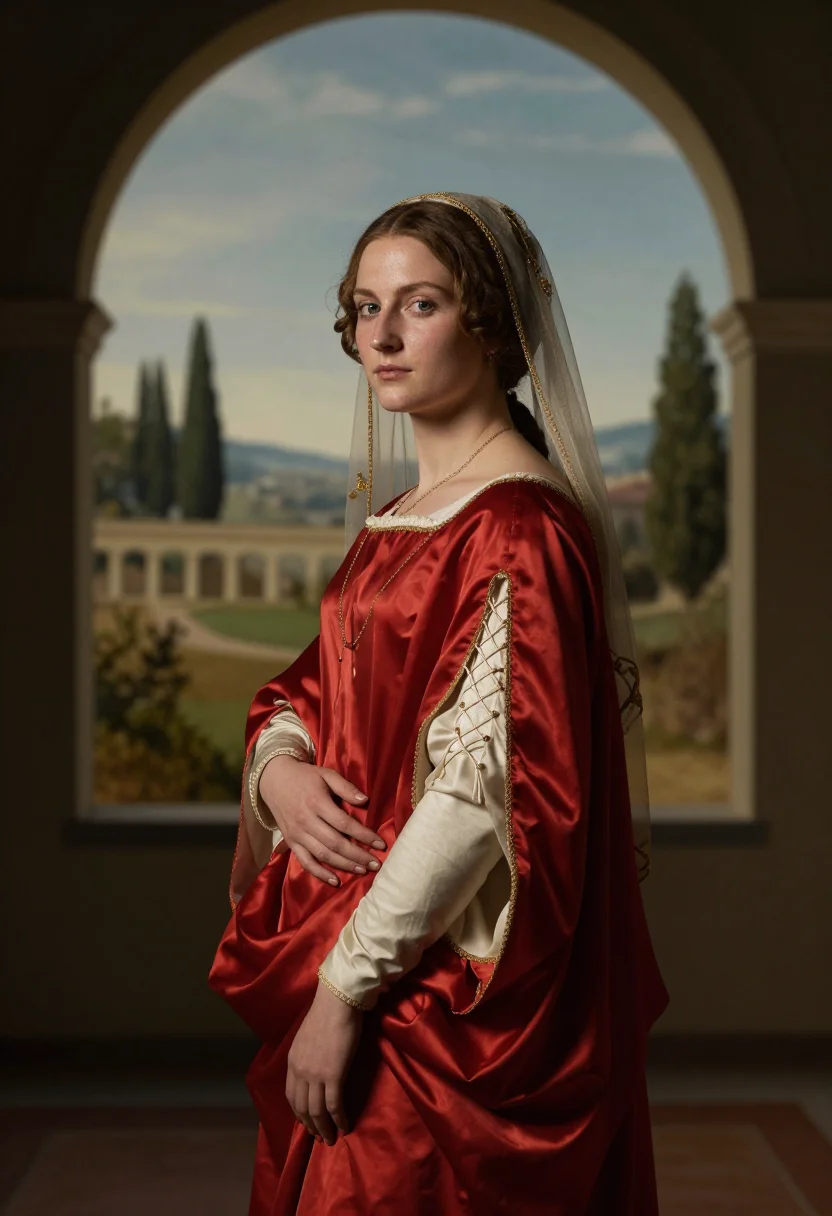
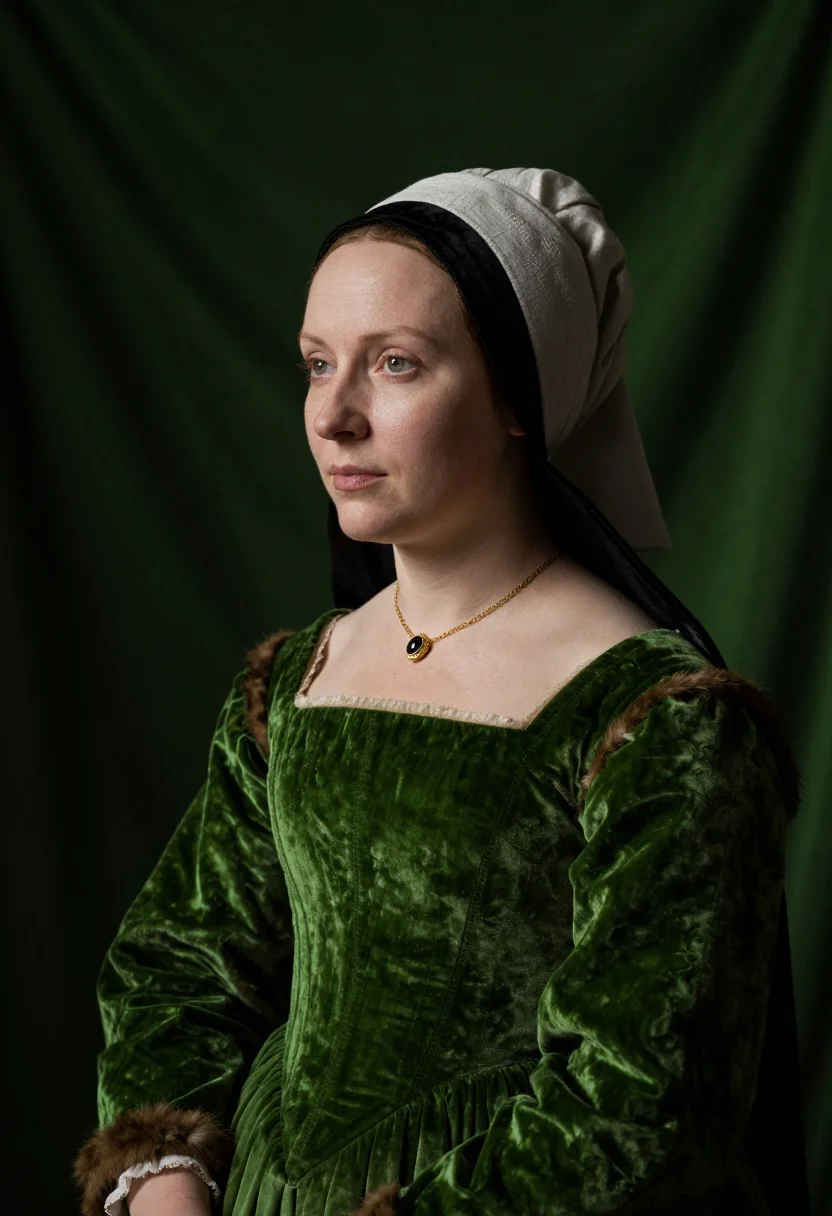
How it works
Three steps. Upload, preview, deliver.
1
Drop a selfie
Your free preview streams in seconds — a quick sketch: close, not you yet.
2
Train your model
Add 12–20 photos of yourself. Your model trains in the background — safe to leave, we email you when it's ready.
3
Nine portraits, truly you
Every shot renders from your model in about ten seconds — this pack, every other pack, and the Studio. €4,99 one-time.
The Renaissance register
The Renaissance settled what a portrait could be. Between roughly 1480 and 1530 the painters of Florence, Rome and the North — Leonardo, Raphael, Botticelli, Van Eyck, Holbein — turned the human face into the centre of a composed world: the level gaze, the turned shoulder, the landscape dissolving through an arched window, the hands set quietly at the waist. This pack stages you in that register, across three of its distinct schools.
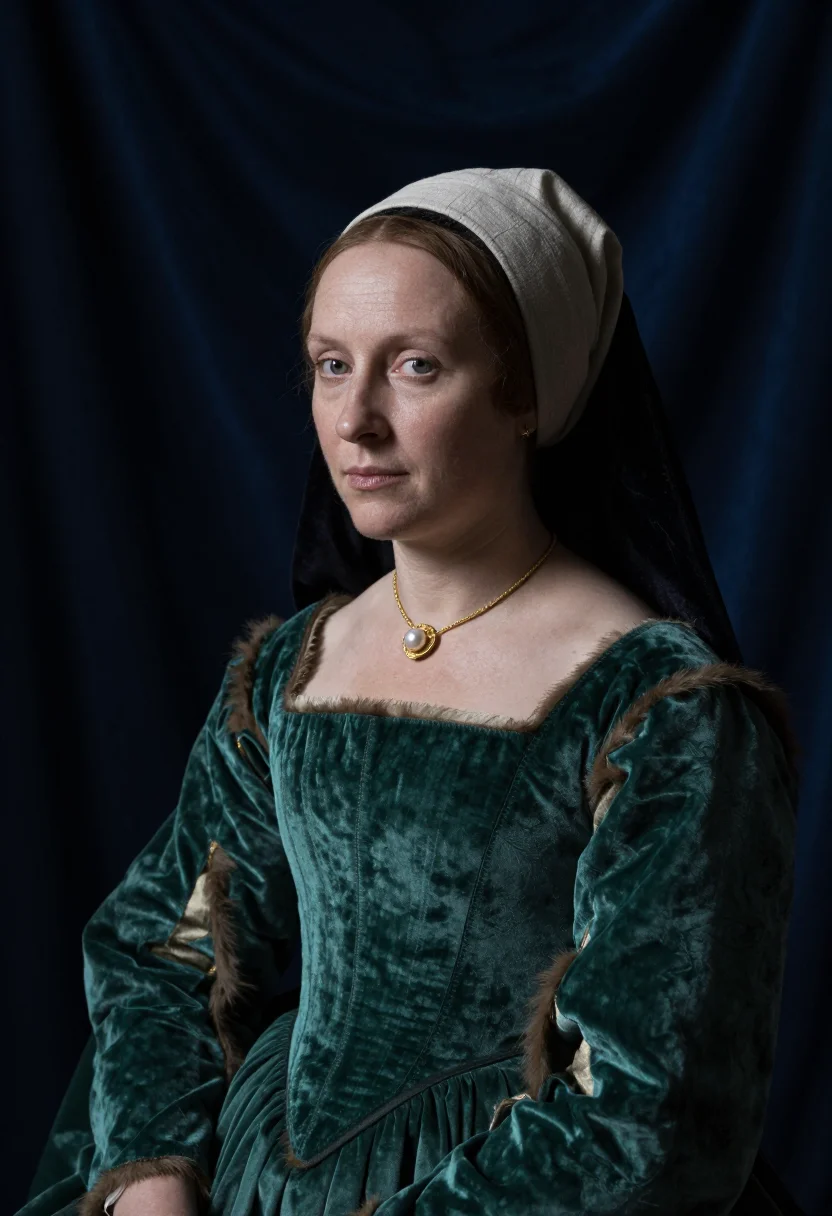
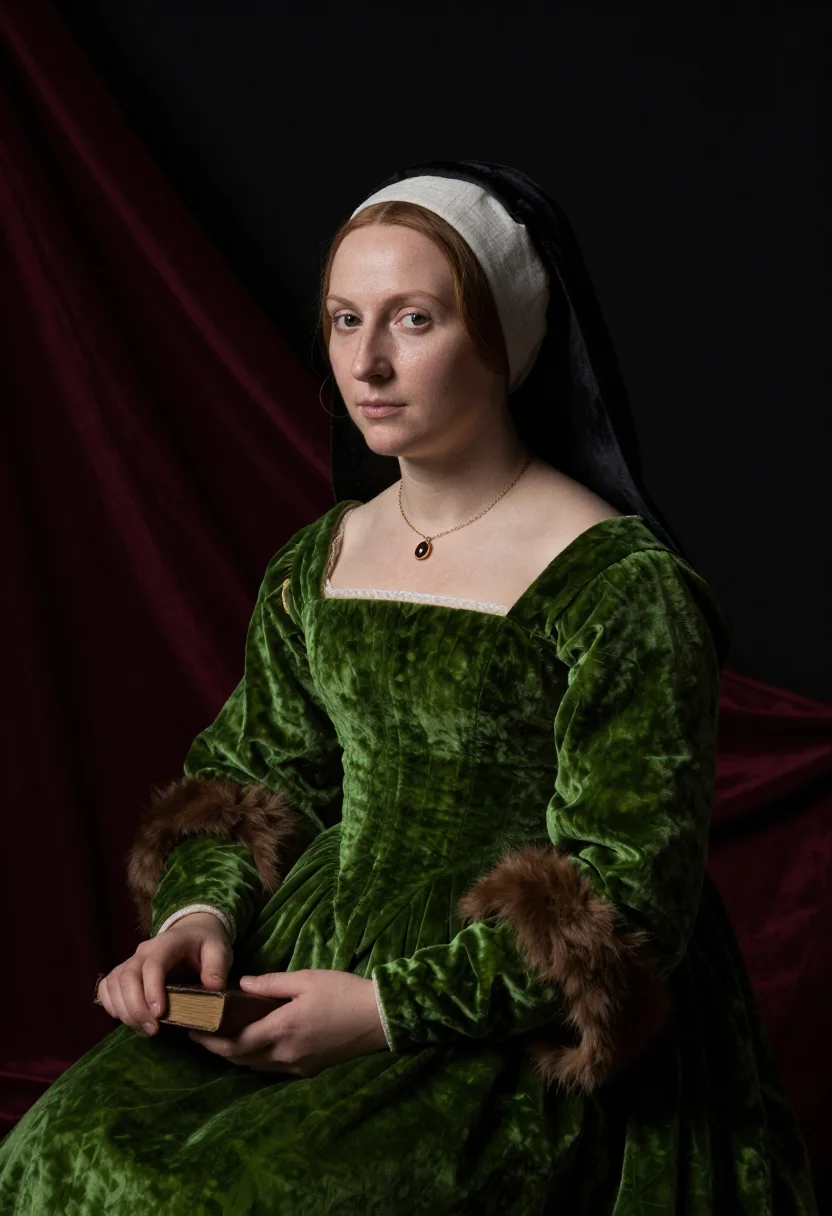
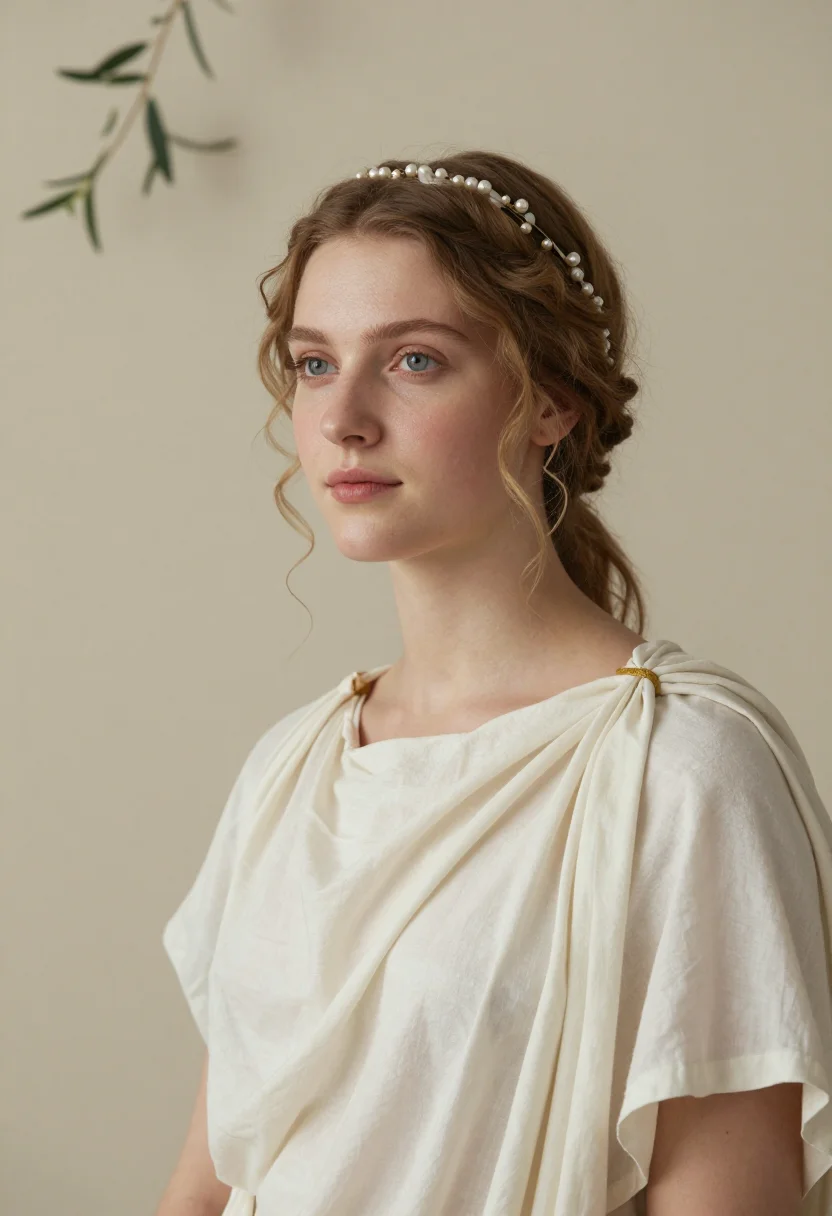
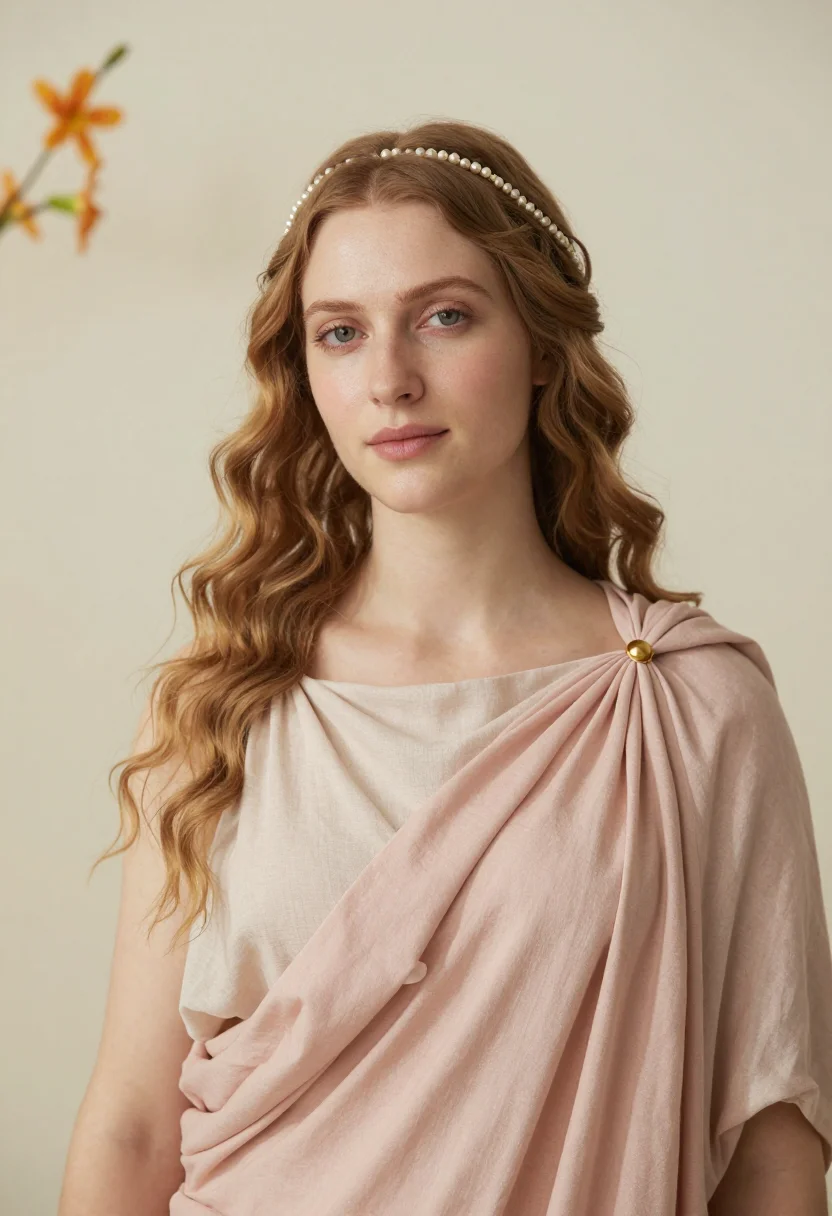
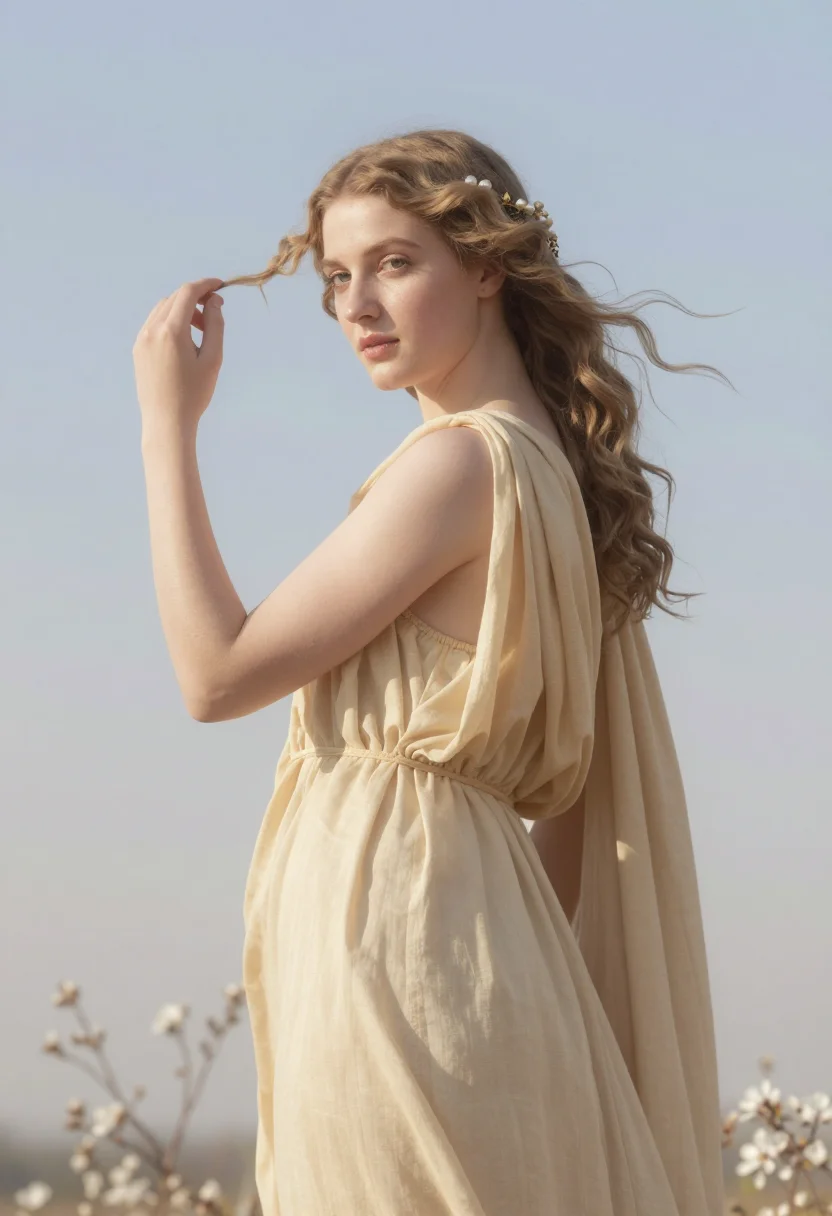
The first look is Italian High Renaissance — the Leonardo-and-Raphael grammar the Mona Lisa belongs to: a deep-red silk brocade gown with slashed sleeves, a sheer veil set back off the face, a fine gold chain, a sfumato hill-landscape hazing into blue distance behind a stone arch. The second is Northern Renaissance — the precise, jewel-lit world of Van Eyck and Holbein: emerald velvet, a structured linen coif, a single restrained jewel against a dark jewel-tone ground. The third is early-Florentine Botticelli — loose waved hair threaded with pearl, a pale classical drape, a luminous high-key ground, the palette of ivory, rose and pale gold.
Here is the one thing to be clear about: the pack does not paint you. The output is a photograph. What it borrows from the Renaissance is everything except the medium — the composition, the period dress, the direction and softness of the light, the still and unsmiling expression the masters gave their sitters. There is no brushwork, no canvas weave, no varnish. Each of the nine is a photographic portrait of you, staged and lit the way a Renaissance master staged and lit a noblewoman five hundred years ago.
And like those sitters, you hold still. No grin, no pose — a steady look just past the lens, the bearing of someone sitting for a portrait meant to outlast them. Nine portraits hold that stillness across three schools in one face: the Italian, the Northern, the Florentine.
How to photograph yourself for a Renaissance portrait
Better source photos make better portraits. The pack works with imperfect inputs — the free preview tells you in seconds — but a few things help.
- Even, soft daylightFace a window with indirect daylight on you. Avoid overhead bulbs and phone flash — both flatten the face the portrait is built on.
- Face and jawline clearRenaissance masters drew the line of the neck and jaw, and the veils sit back off the face. Hair off the jaw gives the staging more to work with.
- A still, composed expressionNot a smile, not a pose. Look at the lens or just past it, the way you would look at someone listening.
- Front or three-quarter angleEye level. No selfie-stick uplook, no overhead shot.
- Plain backgroundThe pack builds the window, the landscape and the jewel-tone ground — you only bring the face.
Frequently asked questions
- Will the result look painted, or photographic?
- Photographic. The pack does not reproduce oil paint or brushwork — the output is a photograph of you. What it borrows from the Renaissance is the staging: the composition, the period dress, the soft directional light, the still and unsmiling gaze the masters gave their sitters. If you want literal brushstrokes and canvas weave, this is not that pack. If you want a photograph arranged with the eye of a Renaissance master, this is.
- What do the nine portraits look like?
- Nine across three Renaissance schools — Italian High Renaissance (red brocade, slashed sleeves, a sfumato landscape through an arched window), Northern Renaissance (emerald velvet, a structured coif, a dark jewel-tone ground), and early-Florentine Botticelli (loose pearl-threaded hair, a pale classical drape, a luminous ground) — varied in pose, framing and colour, never one pose twice. All portrait ratio (2:3).
- Can I get a Mona Lisa-style portrait?
- Yes — that is the Italian High Renaissance look. The level three-quarter pose, the sheer veil and the hazed sfumato landscape behind a stone arch are the Leonardo-and-Raphael grammar the Mona Lisa belongs to. The result is a photograph of you staged that way, not a copy of the painting with your face dropped in.
- How is this different from the Sargent and Vermeer packs?
- Different centuries, different light. This pack is the Renaissance — roughly 1480 to 1530, Italy and the North. The Sargent pack is Belle-Epoque society portraiture of the 1880s and 1890s; the Vermeer pack is the Dutch Golden Age of the 1660s, soft domestic window light. Same idea — a photograph of you staged by a master — three different eras to choose from.
- Why not just prompt Midjourney or Stable Diffusion for a Renaissance portrait?
- Go ahead — and you will get what an AI thinks 'Renaissance painting' means: a handsome generic noblewoman who is not you, smeared in fake brushwork, different in every image. This pack does the opposite. It stages three specific Renaissance registers and holds your actual likeness across all nine, consistently, from your own trained model. The point is not a painting. The point is a recognisable photograph of you that happens to be staged five hundred years ago.
- Can men use this pack?
- The references here are women in Renaissance dress, so the styling reads feminine. The composition and light would suit anyone, but the gowns, veils and coifs are female — a masculine Renaissance register is not in this pack.
- Can I use these as a profile picture or on LinkedIn?
- Yes — as a portrait that reads as character and taste rather than corporate polish, closer to an author or museum portrait than a headshot. For a straight professional headshot, the LinkedIn Headshots pack fits better.
- Is this a good art gift — for a birthday, wedding, anniversary or Christmas?
- Yes, particularly for someone who loves art and history. The portraits print and frame cleanly at standard sizes, and nine registers across the pack mean you can pick the one that suits the person. It is a portrait they would never sit for but would notice if they did.
- Is it a good fit for a dating app?
- Honest answer: probably not. Dating photos work best when they read approachable and contemporary; this reads as fine art and history. A strong picture for signalling taste, a weaker one for maximising matches.
- What if I only have a casual phone selfie — and what happens to my photo?
- The free preview tells you in seconds whether the likeness lands; if it does not, it is usually lighting (see the prep tips above). Your photo is processed on European servers to make your preview and, if you buy, your nine portraits — we do not share it with third parties.
When the Renaissance Portrait pack fits
- For a classical, museum-style profile picture that reads as taste and history
- For a Mona Lisa-style or Italian Renaissance portrait without a sitting
- For a dark academia, classical-art or art-history feed
- For an author headshot, poetry collection or novel jacket with weight
- For an album cover, EP or single artwork in a fine-art register
- For a custom art gift — birthday, wedding, anniversary, Mother's Day or Christmas
- For a Renaissance-woman or period-portrait look for a costume or theme
- For replacing a generic AI avatar, AI yearbook or AI selfie with a portrait that carries history
- As a wall print for someone who would never sit for a painted portrait but would notice if they did
- For a portrait that reads as art-direction rather than a snapshot
About narcis
Most AI portrait tools ship every pose, profession, era, and aesthetic in one giant catalog. The output looks like every other AI photo on the internet — a glaze over a stock face. Narcis goes the other way. One tool, one job: turn photos of you into portraits worth keeping. Drop a selfie and your free preview streams in seconds — a quick sketch: close, not you yet. For portraits that are truly you, train your own model on 12 to 20 photos; it trains in the background, and we email you when it is ready. Train once, render everywhere — this pack, every other pack, and the Studio all come out of that one model, about ten seconds a portrait, and it stays yours to retrain or delete. Each pack is hand-curated against actual references — paintings, photographers, registers — and tested on real faces before it ships. See a free preview before you pay, not after. Packs are one-time — no subscription to buy one; Studio, the unlimited composer, is optional at €12/month and every pack includes 30 days of it. No template generator. Built and run by one team, on our own infrastructure.
All images are AI-generated. By using this service, you confirm you are 18+, that any face photo you upload is your own or used with explicit consent. Full Terms