A Sukeban Photoshoot — 1970s Japanese Girl Gang Portraits
Nine photos of you in one setting
How your model is created from your photos
Every pack on Narcis, made with your face
Nine photographs of you in one setting: one pack of the Narcis catalogue.
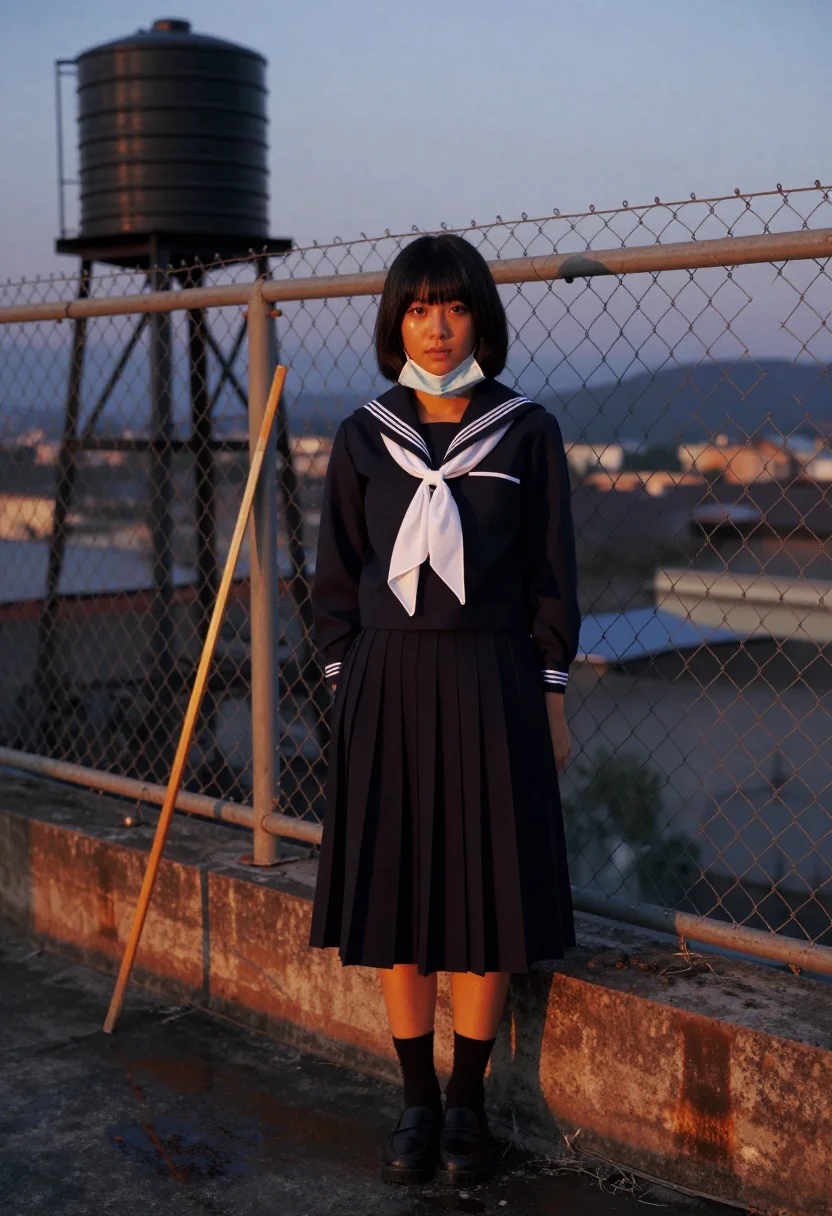
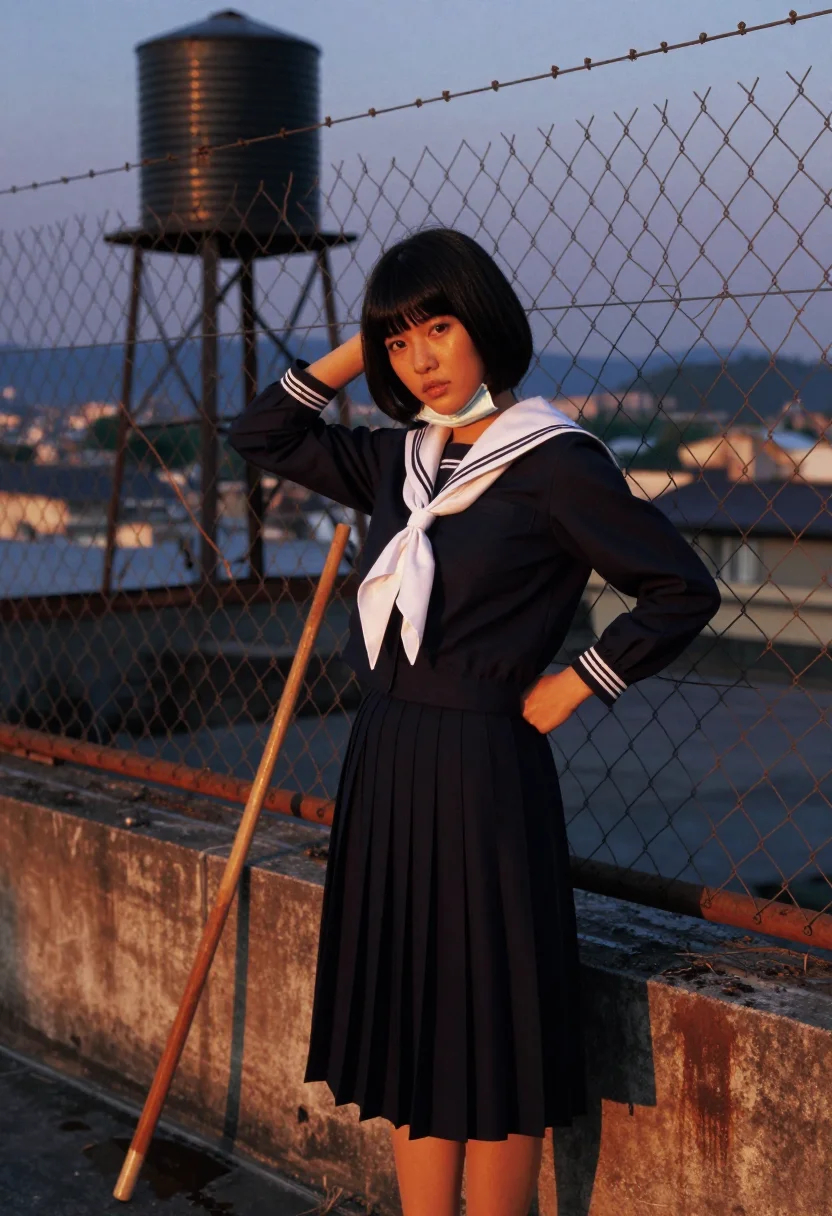
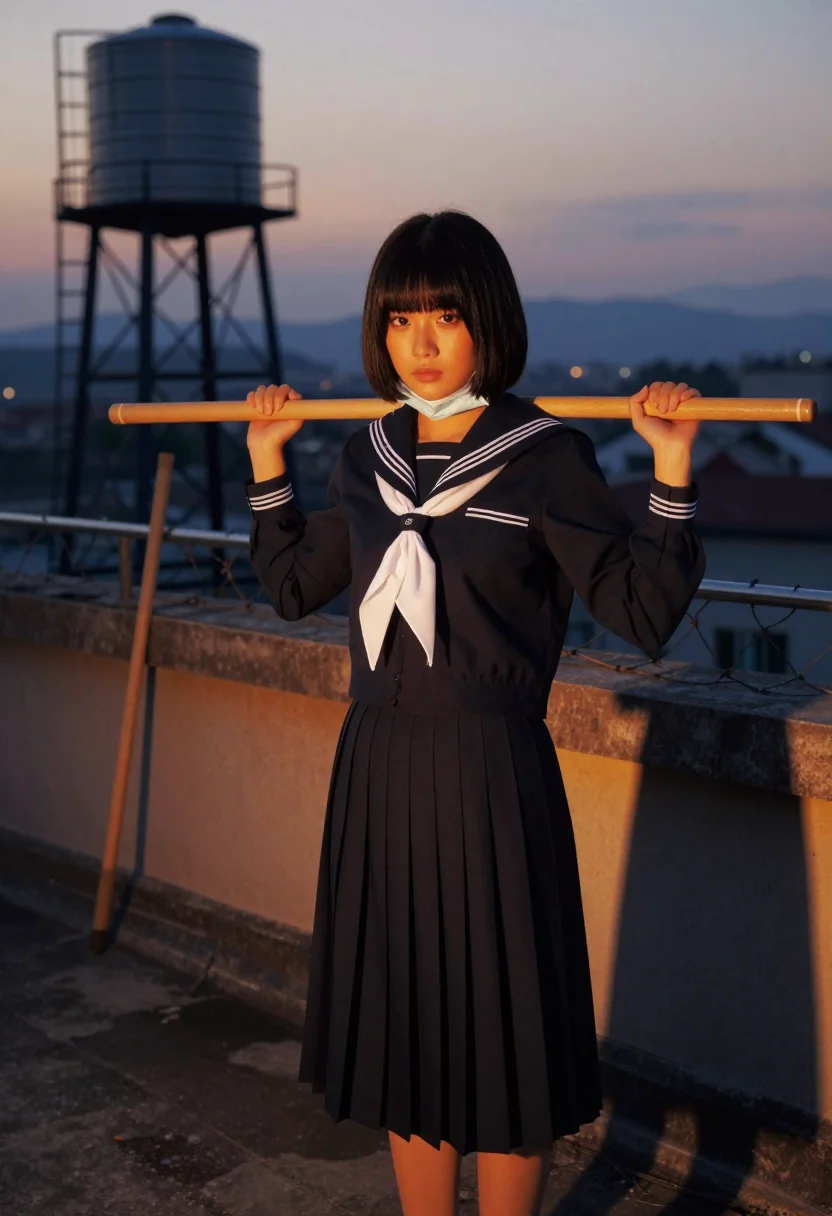
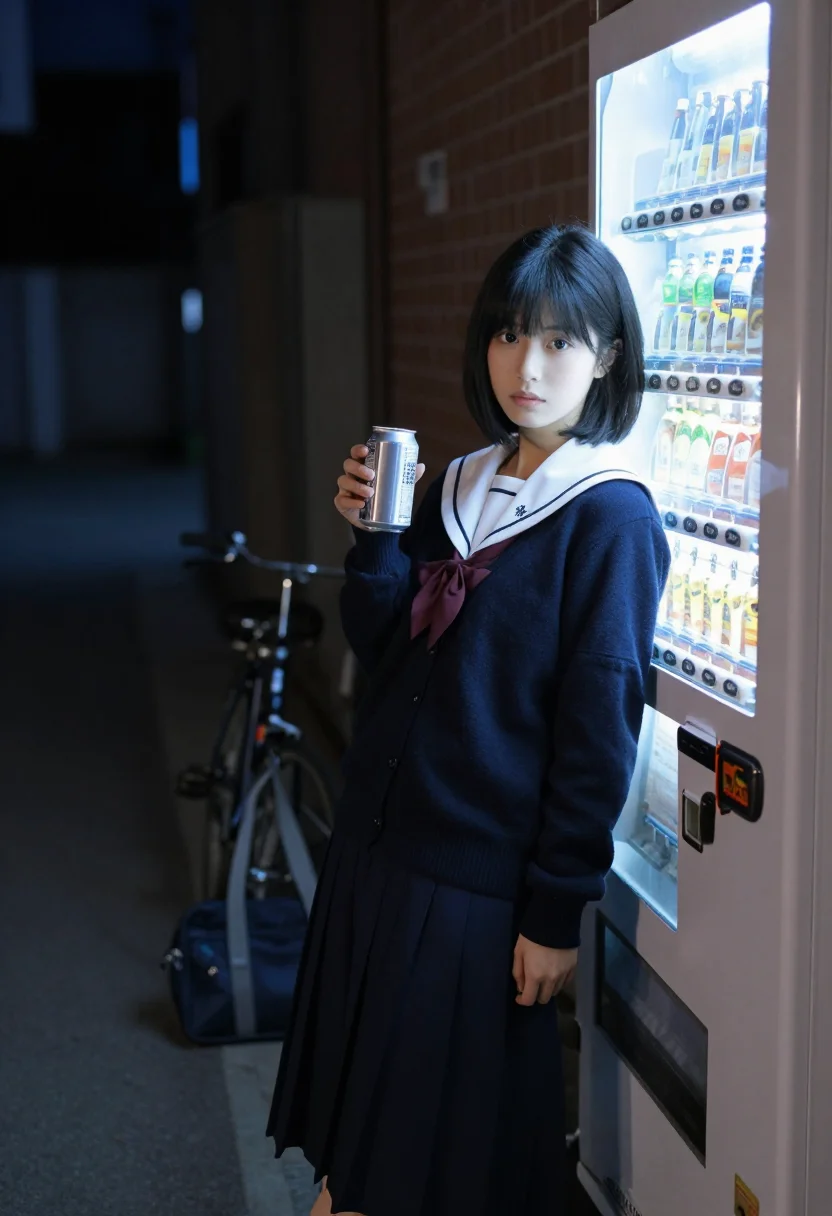
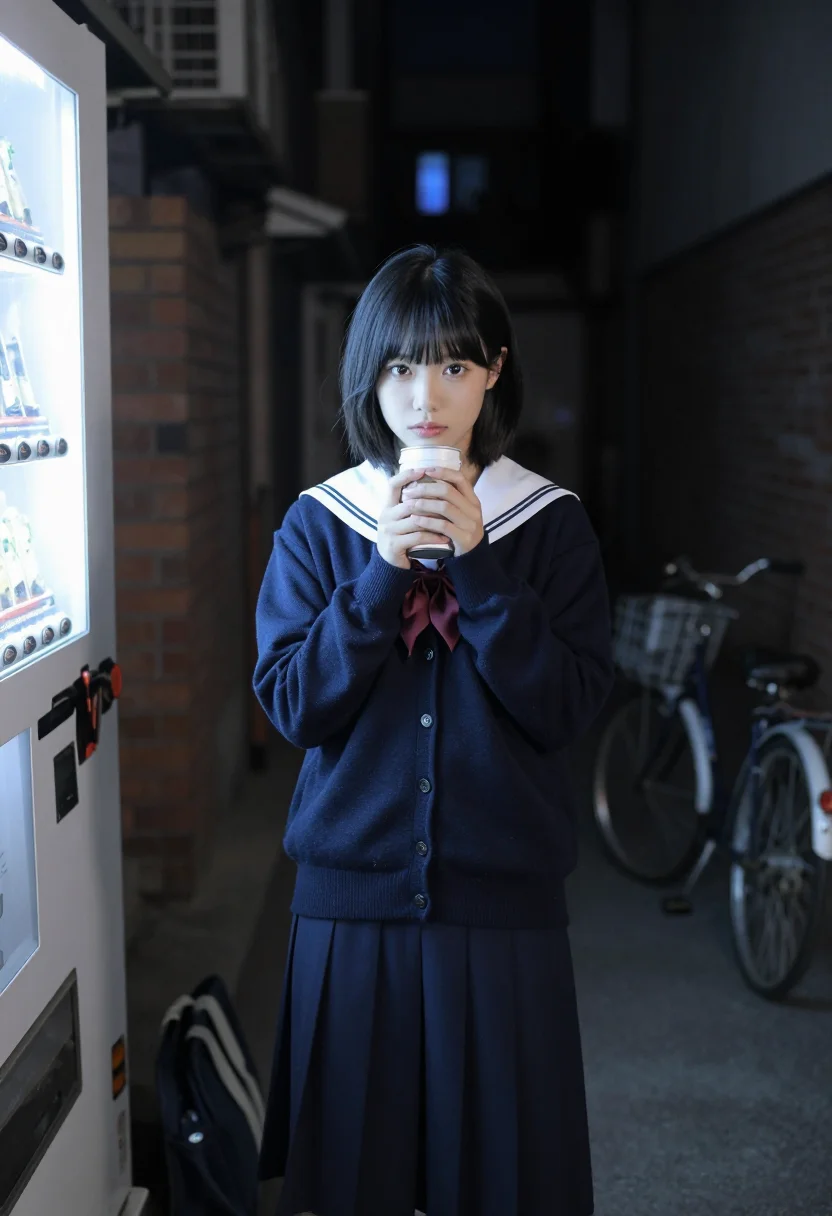
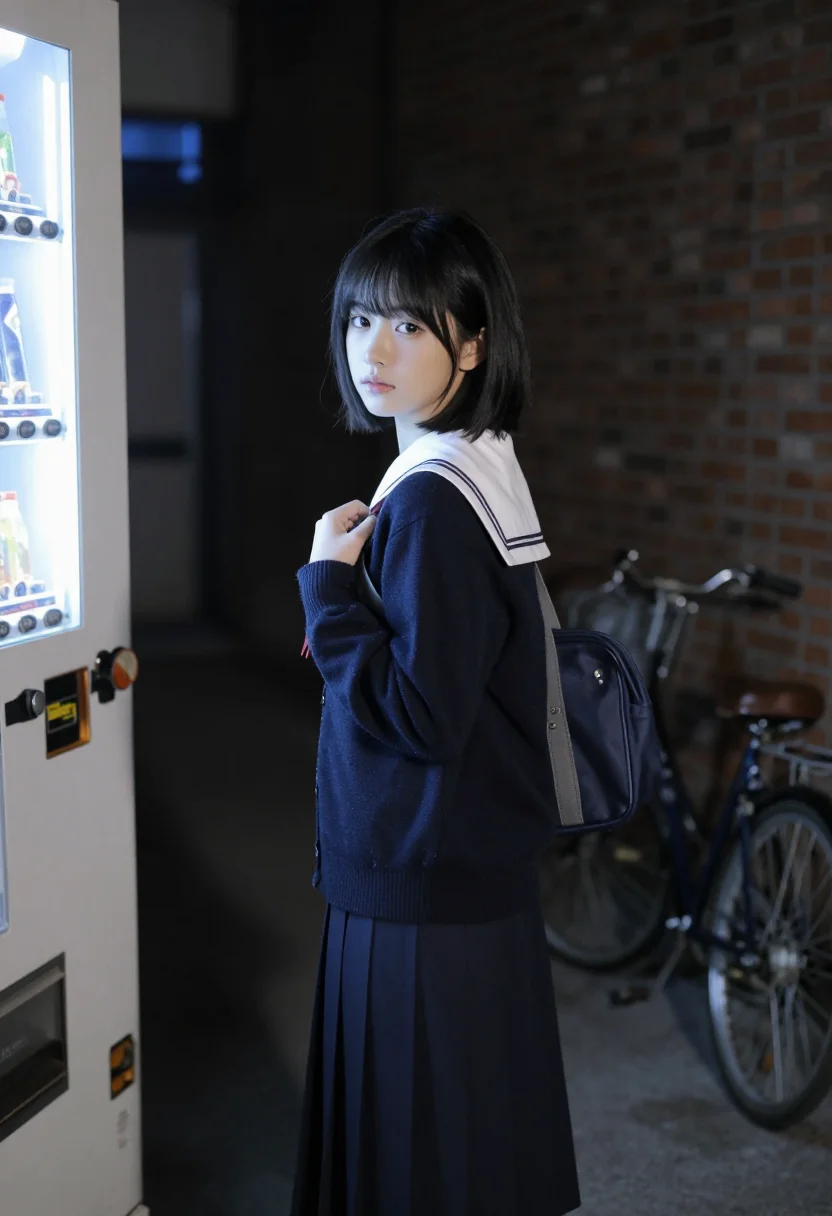
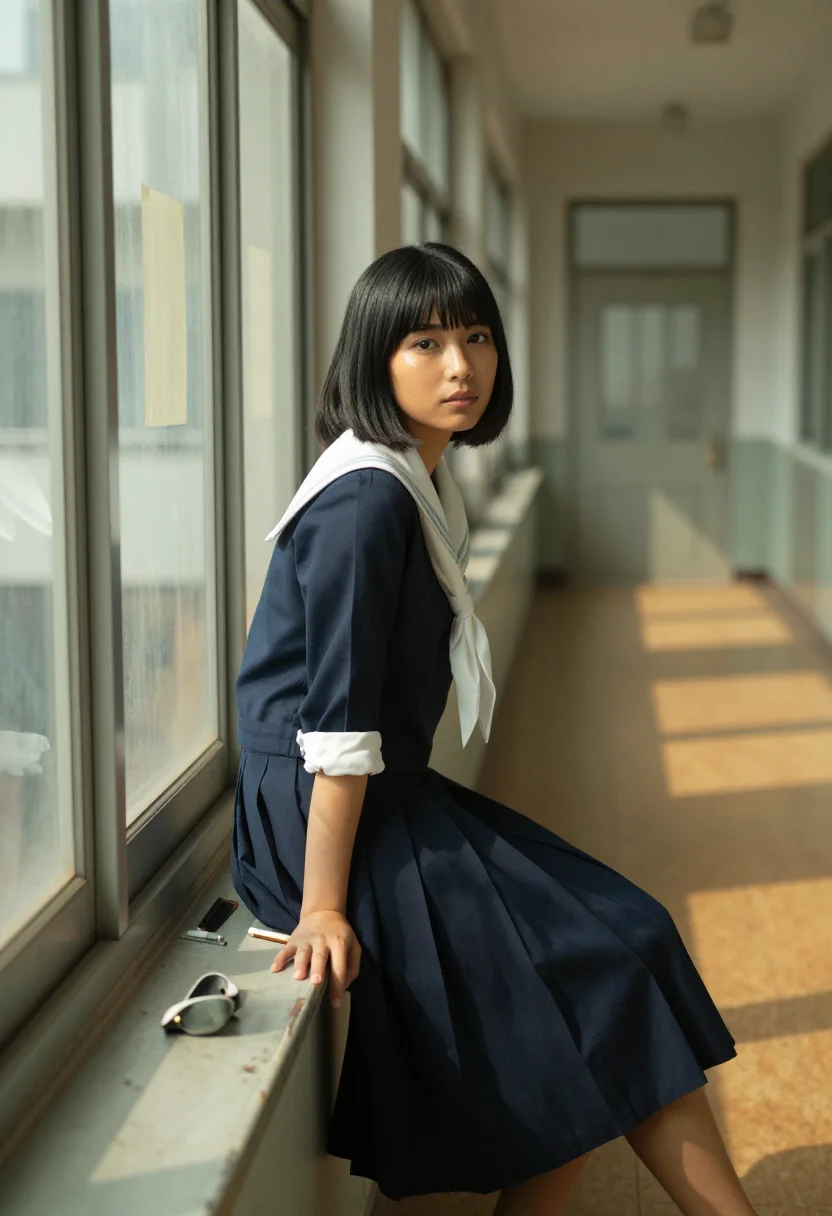
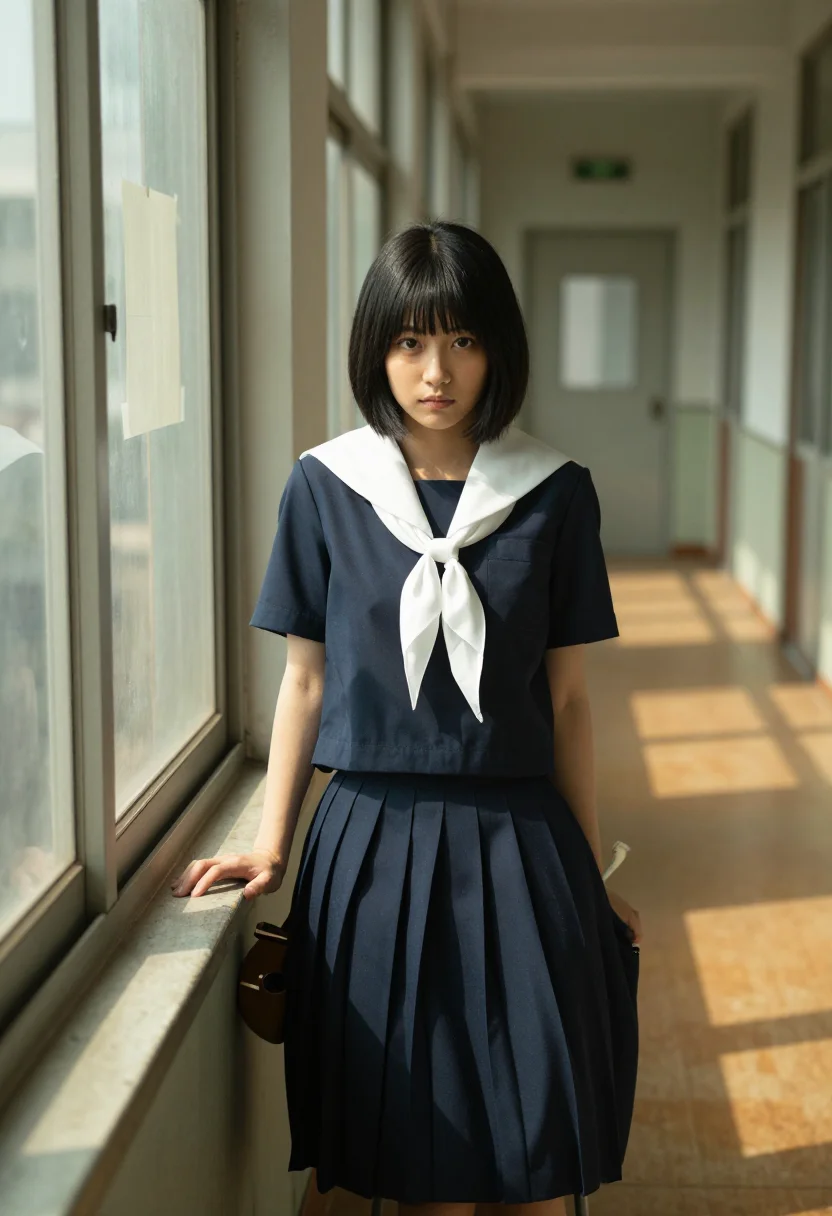
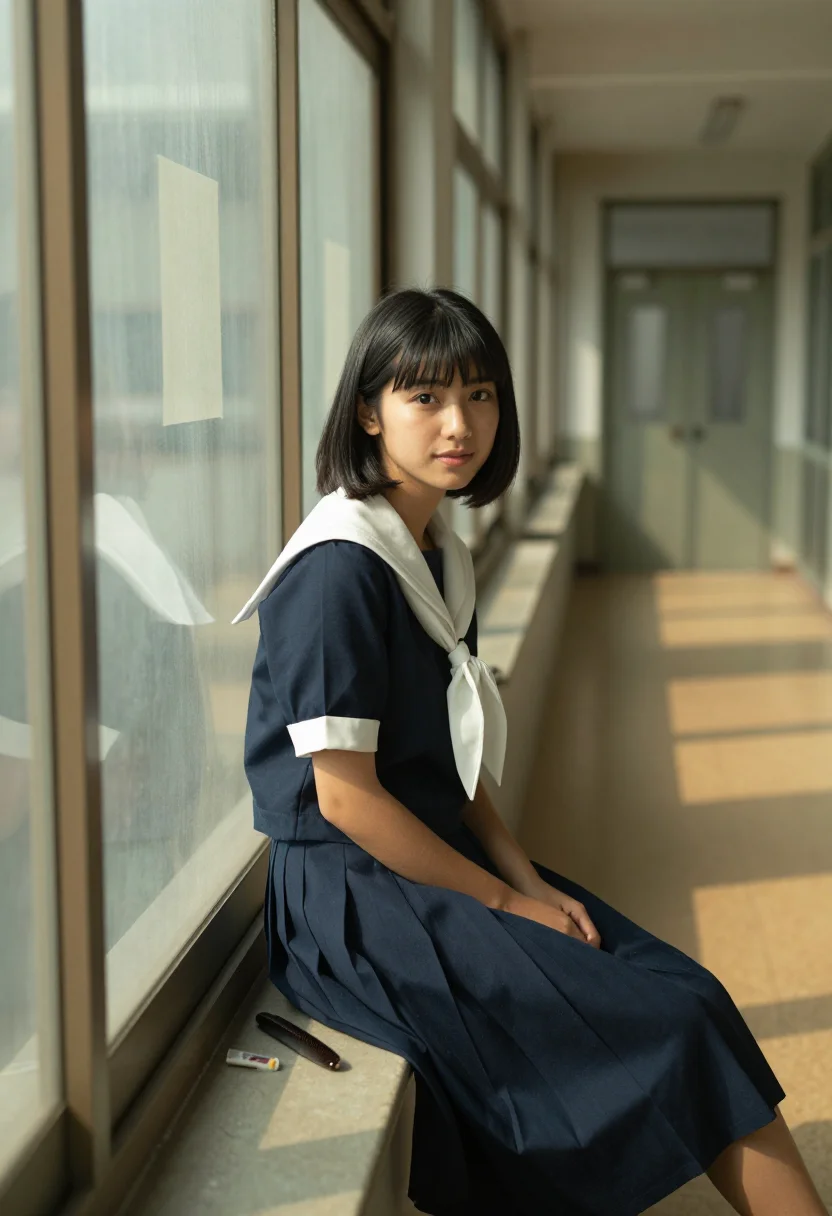
Nine photographs of you, styled in the 1970s Japanese girl-gang register: a school rooftop at dusk, a vending-machine alley at night, and an empty classroom corridor, in an altered sailor uniform with an ankle-length pleated skirt, in portrait format. The nine vary in crop, expression and light, so there are real choices, not nine identical files.
/sukeban · lifestyle · 3 scenes
A Sukeban Photoshoot — 1970s Japanese Girl Gang Portraits
6–20 photos of yourself · we email you when your model is ready
More Tokyo after dark
one model wears them all →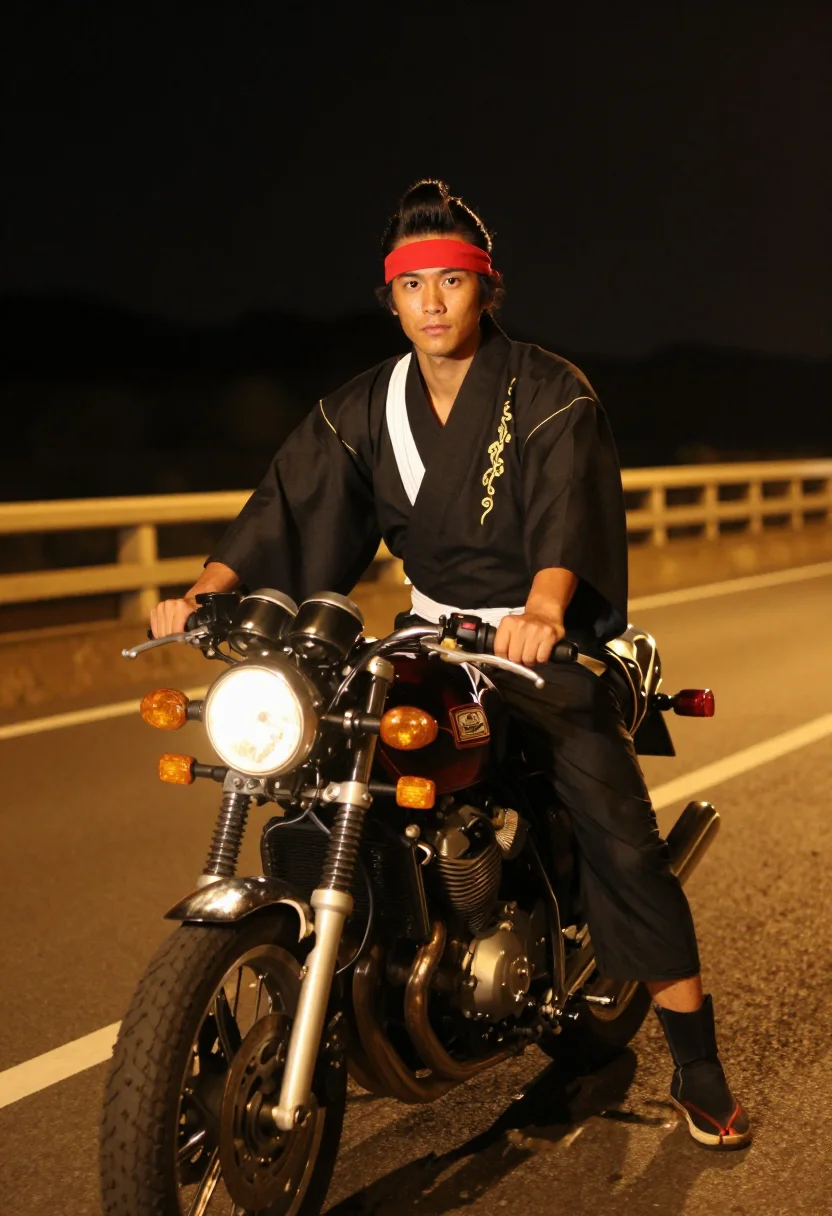
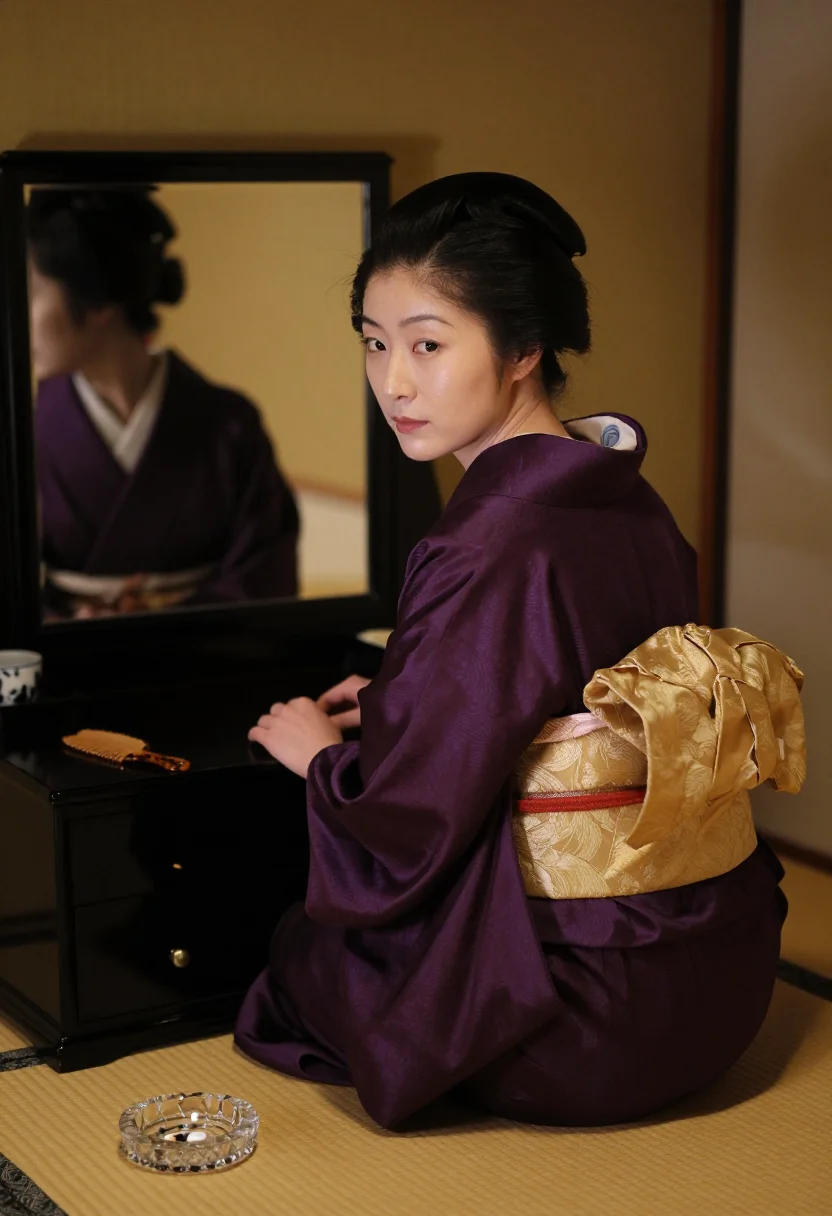
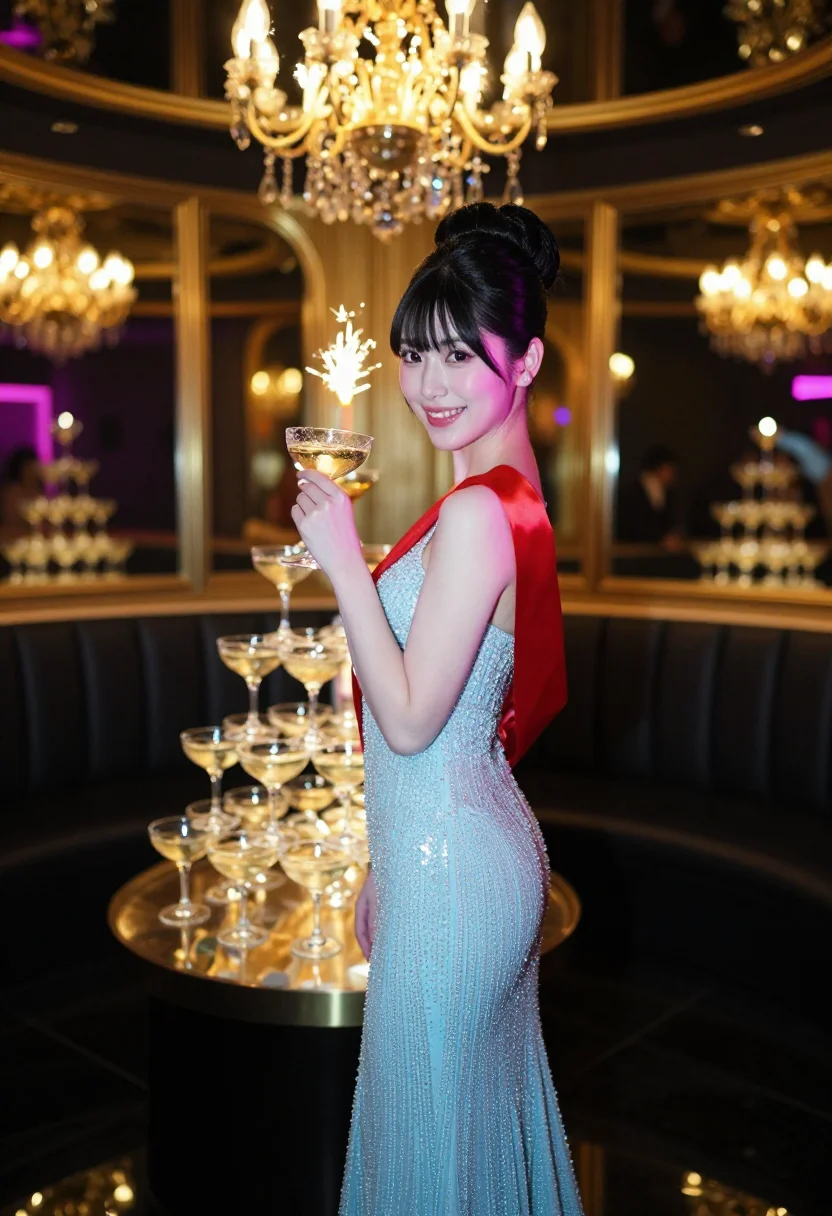
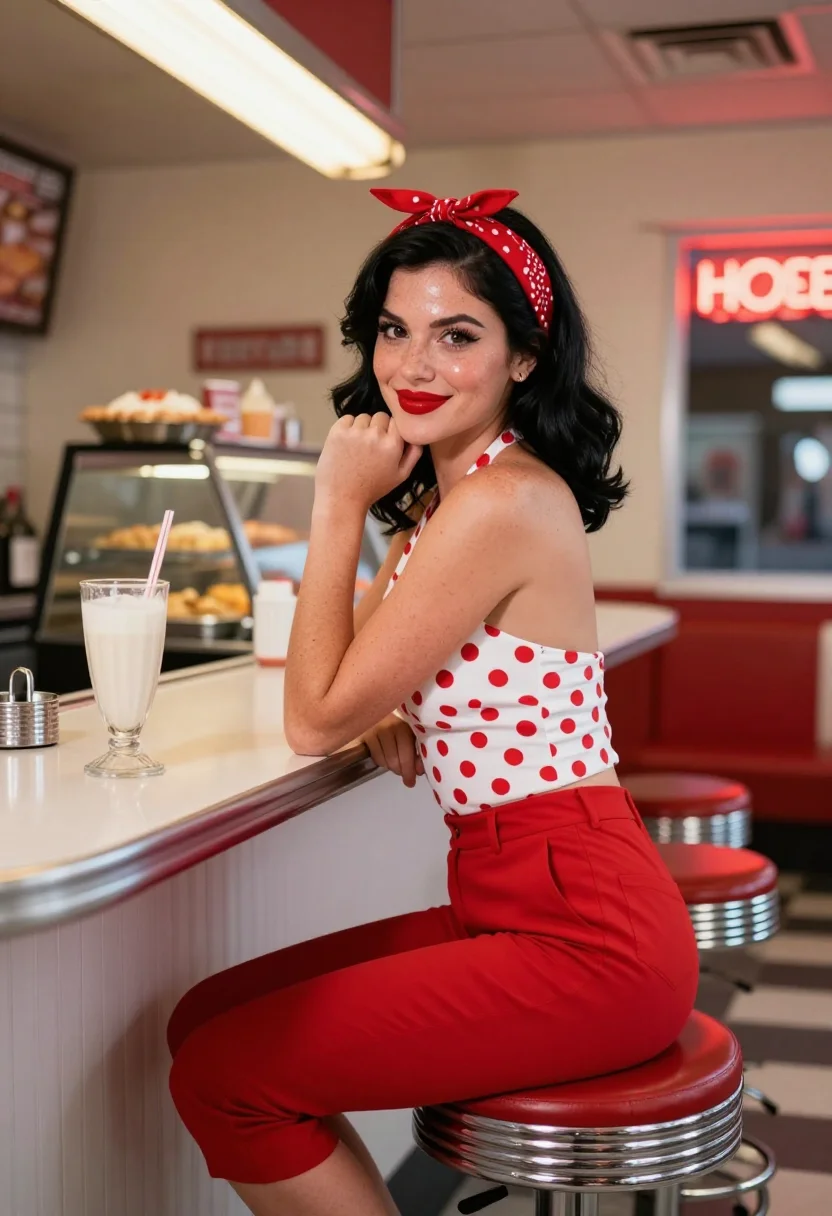
all 9 photos in this pack ↓
How it works
Three steps.
1
Add your photos
Add photos of yourself. We check each one when you add it.
2
We create your model
We create your AI model from your photos. Your photos are ready in a few hours.
3
Every pack, with your face
This pack and every other pack on Narcis can then be made with your face, and single photos too.
The sukeban photoshoot register
The editorial soul is 1970s Japanese delinquent cinema — the suburban school of grey concrete and green chain-link, cicadas heard over traffic, a rooftop water tank against a low orange sun. The sukeban look was a real youth subculture with real rules: the sailor uniform altered against regulation, the skirt let down to the ankle and the blouse shortened, kanji embroidered inside the collar flap where only the wearer and her own people would see it, a permed fringe, a surgical mask worn down at the throat. This pack treats that as a fashion and cinema register, played straight.
Photographically it means faded navy serge and rust chain-link under sodium light, with a colour grade that runs warm and slightly bleached the way seventies film stock did. The three lights of the pack are quite different from one another: the low orange sun of a rooftop at dusk, the cold blue-white of a vending machine in an alley at night, and late afternoon coming through frosted classroom glass in bars across linoleum. Framing is mostly full and three-quarter length, because the silhouette — long skirt, rolled sleeves, long white scarf — is the whole point.
The three situations carry the nine frames. A rooftop at dusk with a shinai in hand, chain-link and water tank behind. A vending-machine alley with a can of hot coffee and a school bag, the bicycle rack crowded. An empty classroom corridor with a long skirt spread on a windowsill, taped notices on frosted glass. Props are period-correct and small — a comb, indoor shoes, a cigarette pack tucked in a sleeve — and the expression across all of them is level and unbothered rather than posed.
What comes back is a photograph, not a drawing: photoreal AI portraits of you inside that world, with your own face across all nine frames. It is not an anime style, not an illustration, and not a photo of a model in a costume — the uniform, the era and the light are the styling, and the person in them is you.
How to photograph yourself for a sukeban photoshoot
Better source photos make better portraits.
- Even, soft lightStand near a window with indirect daylight on your face. Overhead bulbs and phone flash flatten the features, and that is the usual reason an AI portrait misses a likeness.
- Front or three-quarter angleCamera at eye level, facing it or turned slightly away. No uplook from below and nothing shot from above — the register is a straight, level look back at the lens.
- Face fully clearHair off the face, glasses off, nothing across the mouth. A clear front-facing photo is the best photo for an AI portrait input.
- A flat, unbothered expressionThis world does not smile for the camera. A neutral, direct expression reads far better against chain-link and sodium light than a grin.
- Plain background is fineDon't try to stage a rooftop — the school, the alley and the corridor are replaced. A plain wall helps the model concentrate on your face.
Frequently asked questions
- What does the sukeban pack actually look like?
- Nine photoreal portraits of you in 1975 suburban Japan: a school rooftop at dusk, a vending-machine alley at night, and an empty classroom corridor in late sun. Navy sailor blouse, ankle-length pleated skirt, long white scarf, sleeves rolled. It looks like a still from a seventies film, not like an illustration.
- Is this an anime or cartoon style?
- No. Everything in the pack renders photographically — real fabric, real chain-link, real sodium light. The subculture is often drawn in manga, but this is the live-action register: a photograph of you.
- Can men use this pack?
- The sample and styling are built for women — the altered sailor uniform is the whole silhouette — so it reads feminine.
- Is this a depiction of a real gang or a real person?
- No. Sukeban was a genuine Japanese youth subculture of the 1970s, and this pack borrows its fashion and its film register the way a costume department would — an inspired-by aesthetic, not a portrait of any real named individual or group, and not tied to any film or franchise. The images are AI-generated and the only real person in them is you.
- Can I use it as a profile picture or on a dating app?
- Yes as a profile picture — it is distinctive and reads instantly. On a dating app, use it as what it plainly is: a styled costume portrait rather than a candid photo of your Tuesday.
- Can I use it for a Halloween or themed-party costume?
- That is one of its best uses. Nine frames show you how the long skirt, rolled sleeves and white scarf sit on your own face and build before you spend anything on the real outfit.
- Does it print well?
- Yes. The frames come in portrait aspect ratio at a resolution that holds up framed, and the warm, slightly bleached seventies grade prints particularly well on matte.
- Will the photos look like me?
- Every photo looks like you, well photographed. If one is nearly right, say what to change, in your own words.
- Do I have to write a prompt?
- No. There is nothing to write: you pick a pack, and it is ready in seconds.
- How many photos of myself do I add?
- Between six and twenty, from different days and in different light, with your face clear. We check each one when you add it.
- What happens to the photos I add?
- They are used only to create your model, on our own servers in the European Union. They are not shared and not sold.
When the sukeban pack fits
- For a profile picture with a flat, unbothered look instead of a smile
- For a social post in a seventies register the feed isn't already full of
- For anyone who has always wanted to try the sukeban style without sourcing the uniform
- For Halloween or a themed party, as costume reference on your own face
- For a gift to someone who loves Japanese film or retro fashion
- For a print or framed portrait in faded navy and sodium orange
- For a phone or desktop wallpaper with rooftop dusk in it
- For a dating profile picture, used honestly as a styled costume shot
- For a band, zine or newsletter author photo that needs an edge
- For anyone building a 1970s Japan mood board who wants themselves in it
- For fans of vintage school-uniform styling who want the subculture version, not the cute one
About narcis
Most AI photo tools put every pose, job, era, and style in one giant catalog. The photos all look like every other AI photo on the internet — a glaze over a stock face. Narcis goes the other way. One job: photos of you that look like photographs. You add at least 6 photos of yourself, and we create your AI model from them. Your photos are ready in a few hours, and we email you when they are. Then this pack and every other pack on Narcis can be made with your face. Each pack is curated against real references — paintings, photographers, places — and tested on real faces before it goes live. Built and run by one small team, on our own servers.
All images are AI-generated. By using this service, you confirm you are 18+, that any face photo you upload is your own or used with explicit consent. Full Terms