Buzkashi Chapandaz Portraits
Nine photos of you in one setting
How your model is created from your photos
Every pack on Narcis, made with your face
Nine photographs of you in one setting: one pack of the Narcis catalogue.
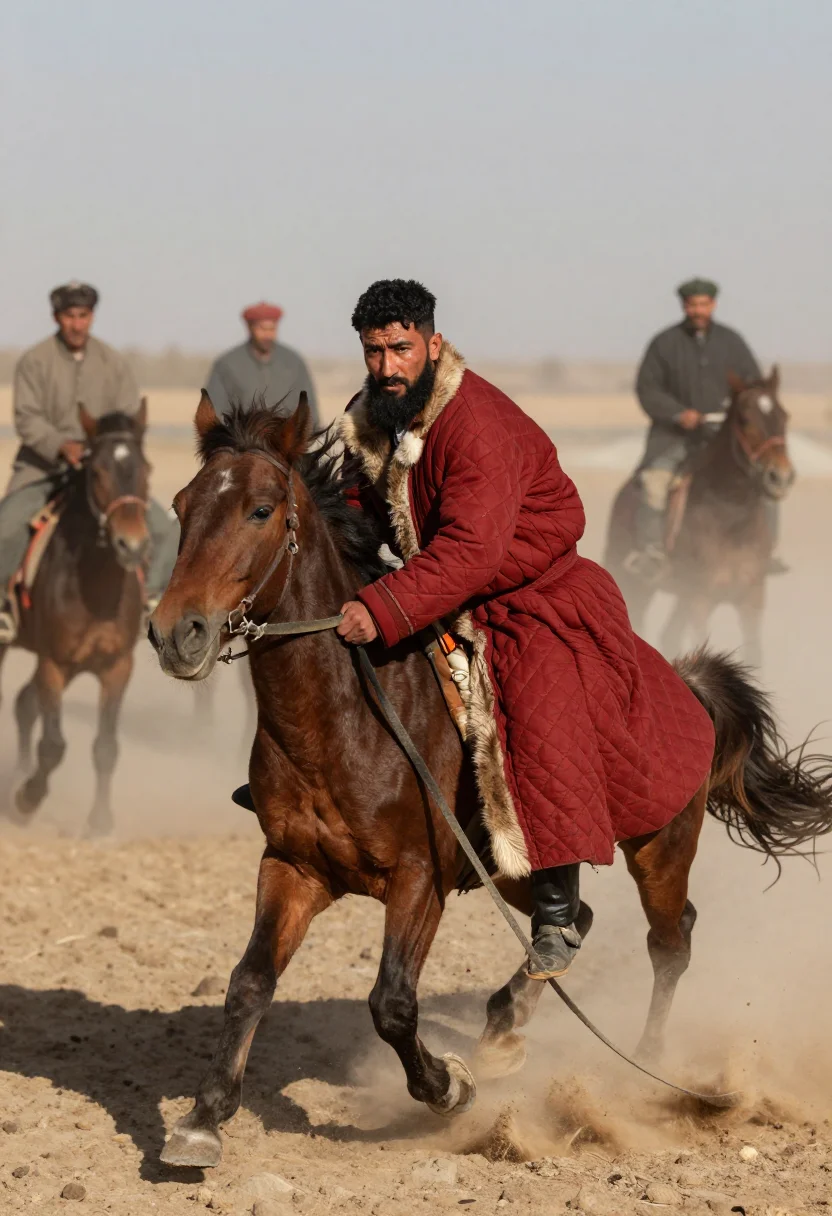
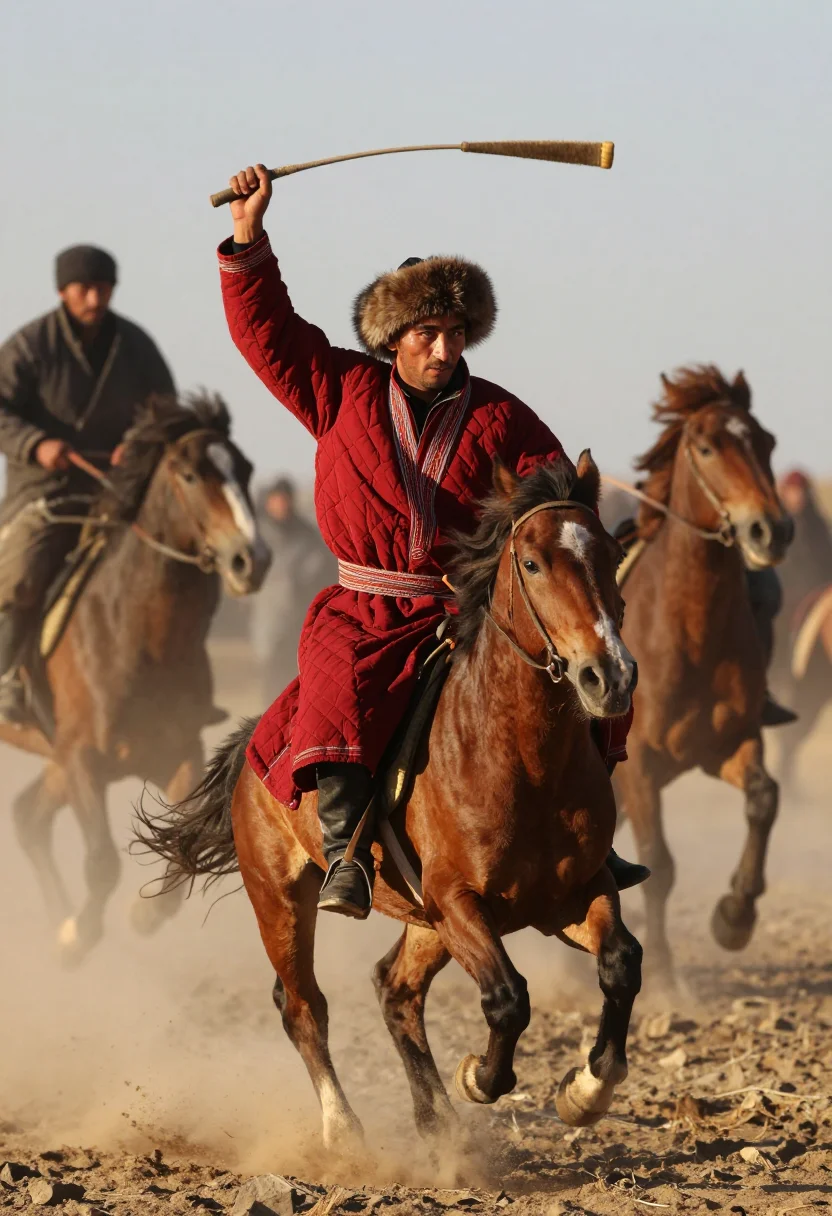
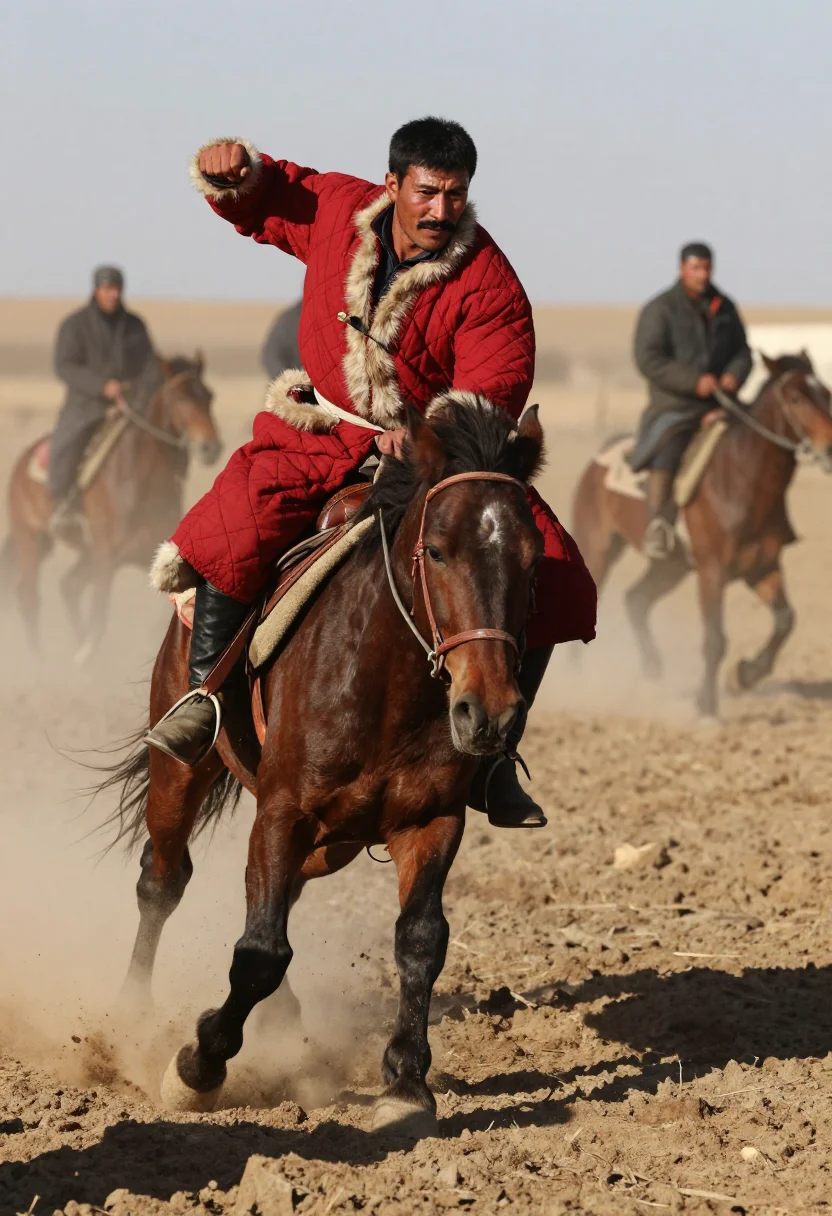
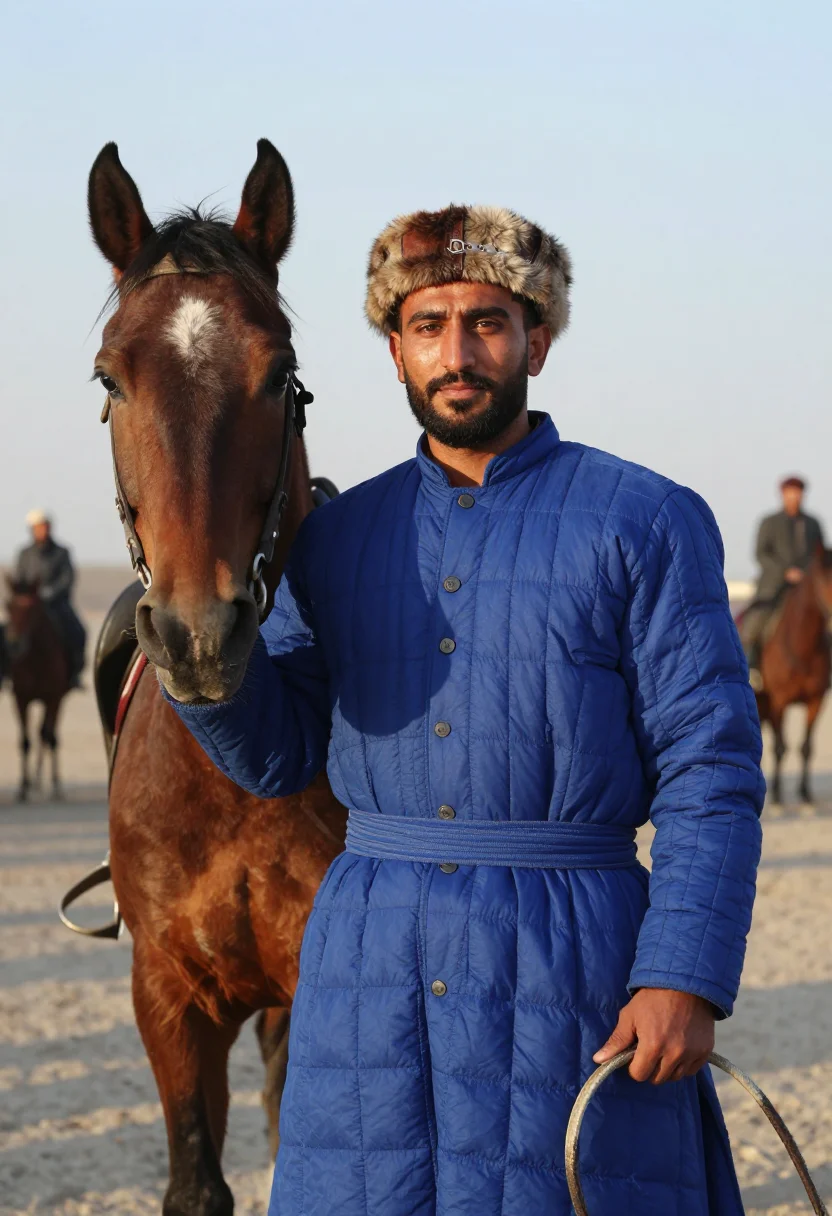
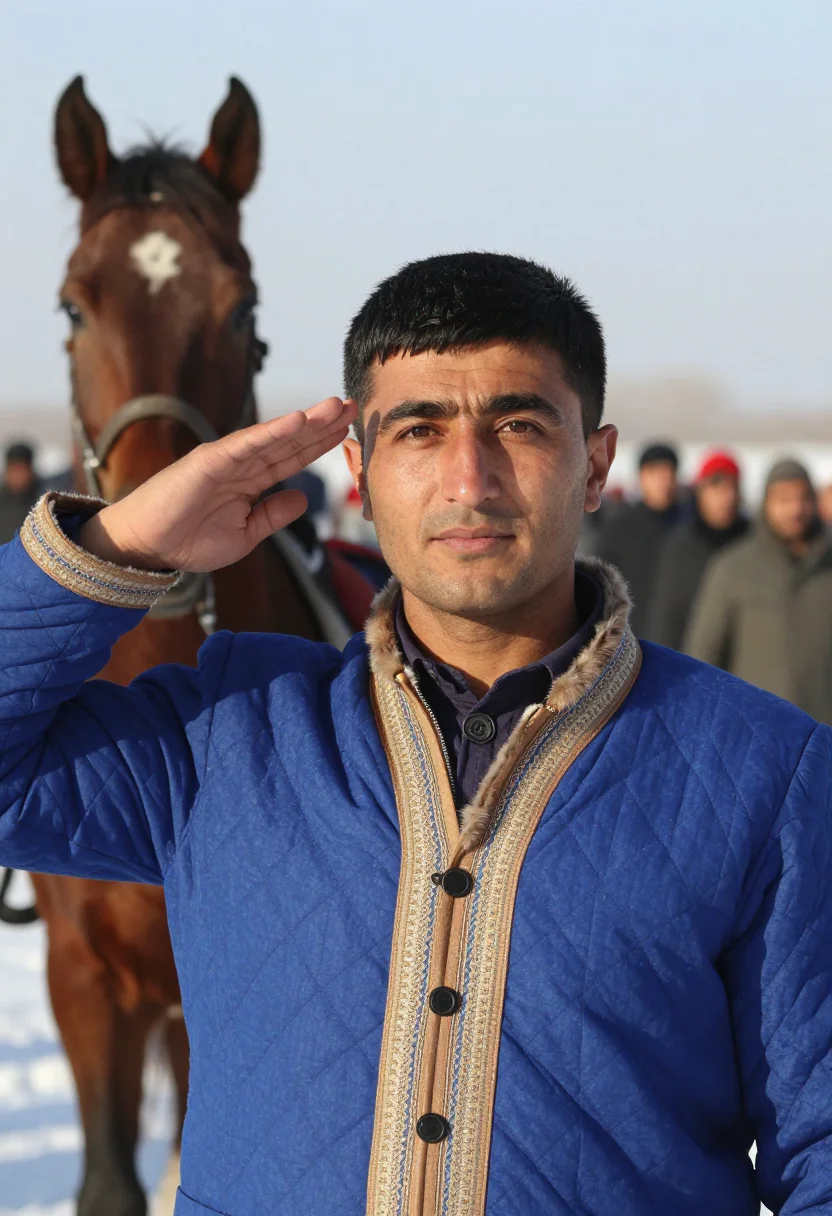
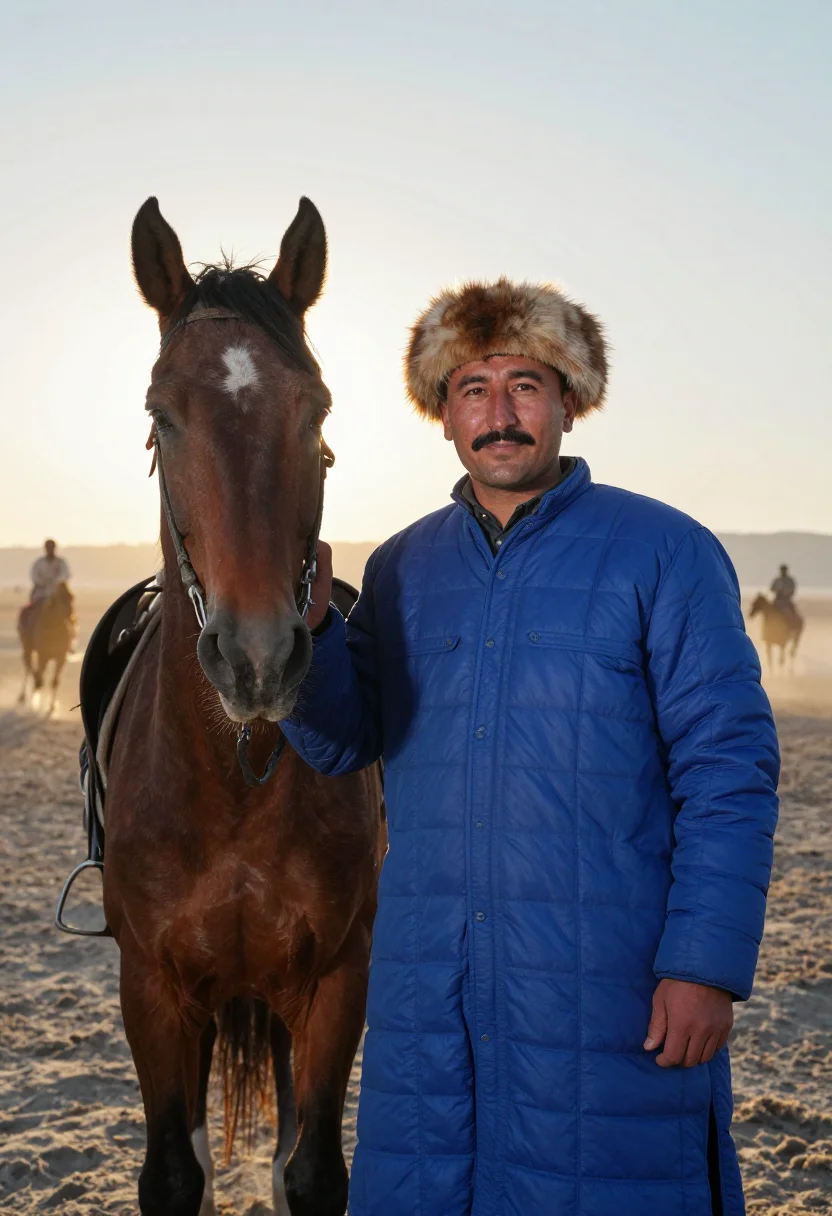
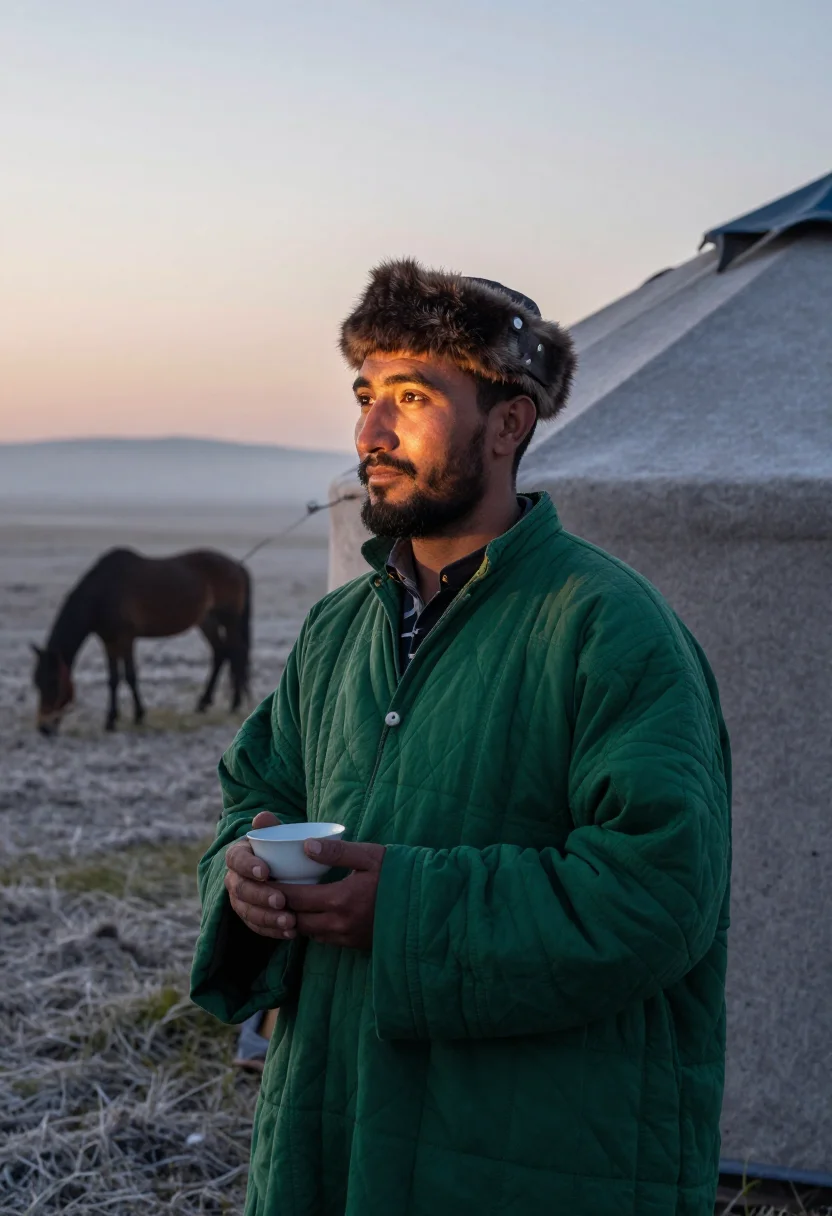
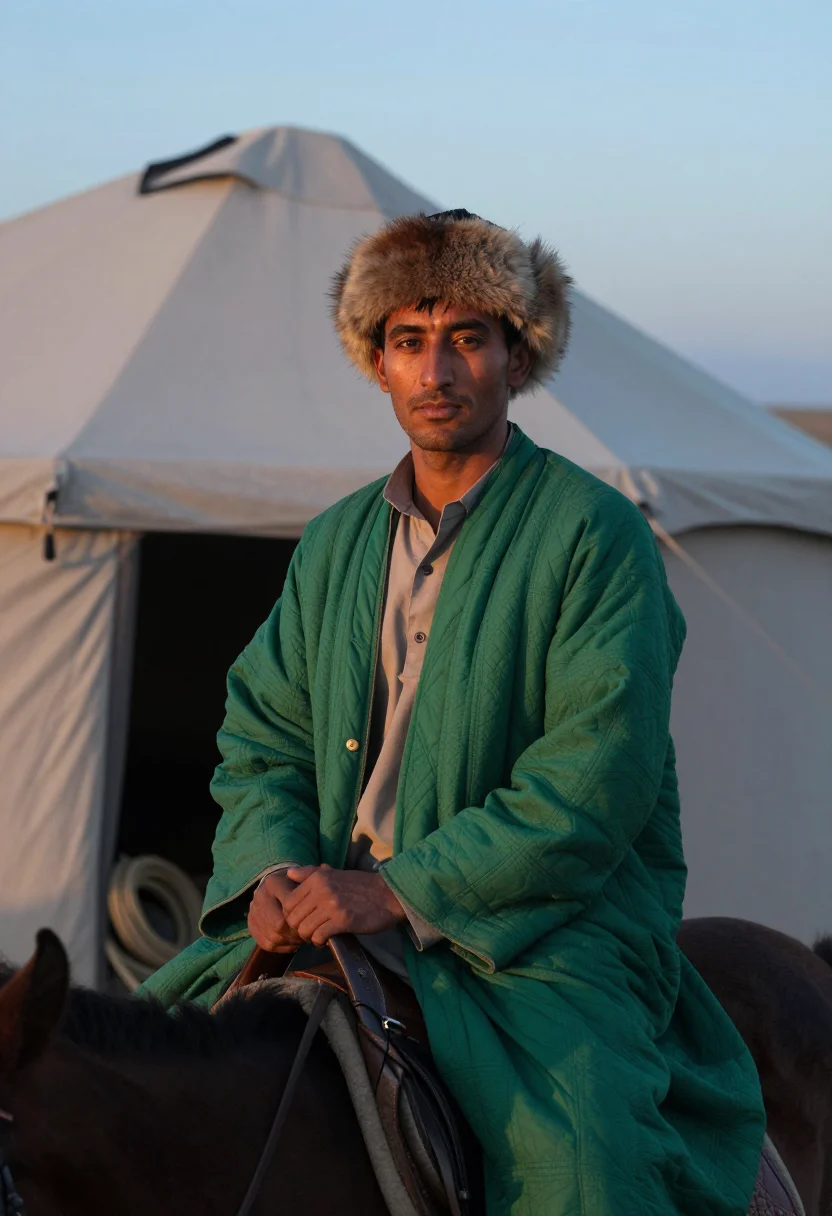
step into an AI buzkashi photoshoot as a chapandaz — a quilted chapan coat and fur-trimmed telpek in the dust and hard winter light of Kessel's Les Cavaliers. Nine photographs of you, in portrait format. The nine vary in crop, expression and light, so there are real choices, not nine identical files.
/buzkashi-chapandaz · photo · 3 scenes
Buzkashi Chapandaz Portraits
no account · ~15s · try it on with one selfie
More like this
one model wears them all →
all 9 photos in this pack ↓
How it works
Three steps.
1
Add your photos
Add photos of yourself. We check each one when you add it.
2
We create your model
We create your AI model from your photos. Your photos are ready in a few hours.
3
Every pack, with your face
This pack and every other pack on Narcis can then be made with your face, and single photos too.
The Buzkashi Chapandaz Register
Buzkashi — 'goat-dragging' — is Central Asia's oldest equestrian contest: a mounted game of extraordinary horsemanship played today across Afghanistan and its steppe neighbours, known as kokpar in Kazakhstan and kok boru in Kyrgyzstan. Riders battle at a full gallop for command of a carcass and the right to carry it clear of the pack; a chapandaz, the rider himself, trains for years before he is trusted with a real horse in a real scrum. It is a serious equestrian discipline, not a spectacle staged for tourists. The standard literary door into this world for outside readers is Joseph Kessel's 1967 novel Les Cavaliers (The Horsemen) — a sun-blasted account of a chapandaz crossing Afghanistan on an errand of pride that remains, decades on, the reference most Western readers know the sport by. This pack is built in that register: dust, hard winter light, a coat cut for the saddle.
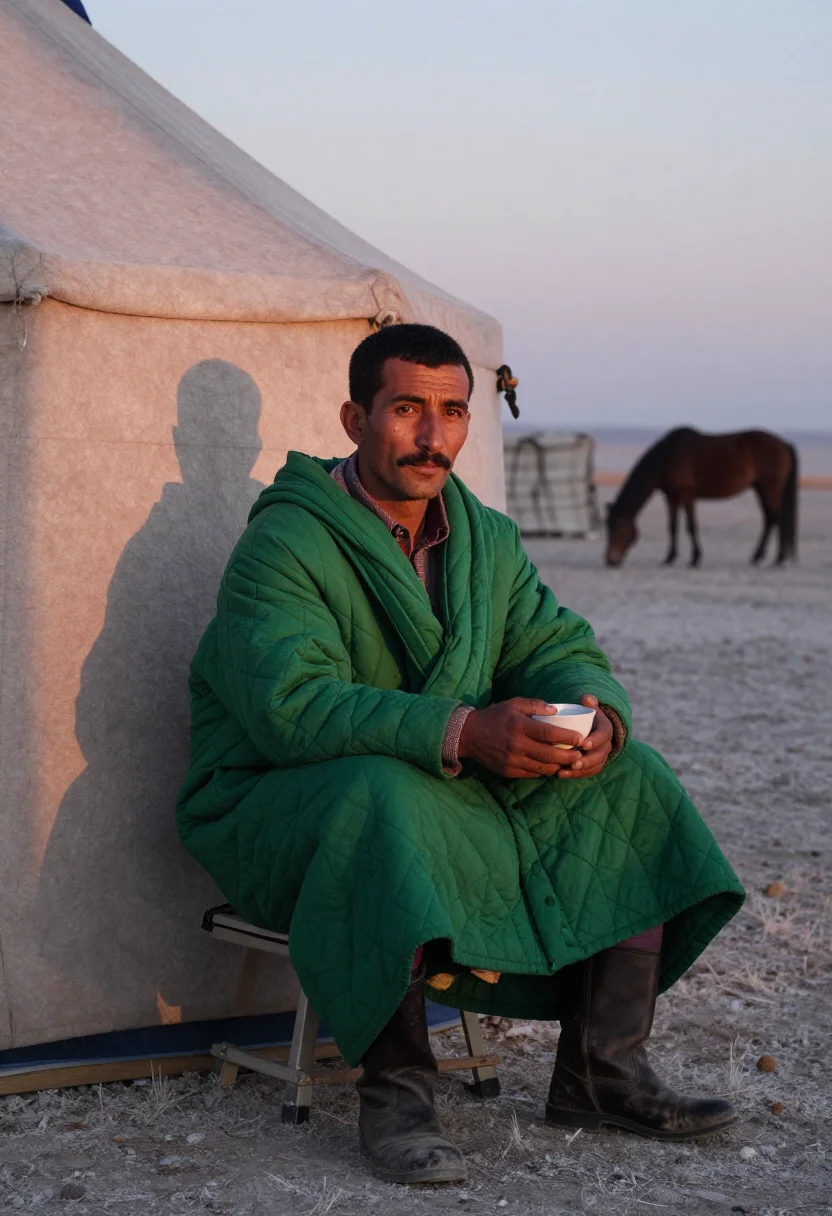
Three looks carry the sequence. The first drops you into the scrum itself — swept low over the horse's neck in a heavy crimson quilted chapan, a fur-trimmed leather telpek pulled down, dust churning gold in raking winter sun. The second is the quiet after: a victor's portrait standing beside a spent horse in a fresh cobalt-blue chapan, the sash retied, the light broad and open. The third steps back before the game begins — dawn at the felt tent, an emerald chapan worn loose over the shoulders, a bowl of tea cupped in both hands, the steppe pale and still. One coat, worn three ways across a single match day: the charge, the win, and the hour before either.
All nine portraits render as photographs, not paintings — the light behaves like light through a lens, the quilted cotton and worn leather hold real weight and grain, and the dust, fur and horseflesh read as a photographer's frame, not an illustrator's. This is your face carried into the world of the chapandaz, not a costume laid over it.
How to photograph yourself for buzkashi chapandaz portraits
Good light in, good result out.
- Soft, even lightFace a window with indirect daylight on you. Skip the overhead bulb and the hard noon sun — both flatten the face and fight the raking winter light this pack is built around.
- Front or three-quarter, at eye levelHold the camera level with your eyes. This is the best photo for AI portraits — no selfie up-angle, no looking down.
- Plain wall behind youLet the pack build the dust, the tent, and the steppe. A clean backdrop sends the whole likeness budget to your face.
- Keep your face clearNo wide-brim hat shadowing your eyes, no heavy sunglasses. The pack needs to read your bone structure to dress it correctly.
Frequently asked questions
- Are these real photographs, or is this a painted or illustrated style?
- Photographs, not paintings. The light, the dust, and the texture of the quilted chapan are all rendered to read as a photographer's frame — this is a portrait shoot, not a digital illustration.
- Is this respectful of the culture, or is it a costume?
- It's built to be a portrait of you in the traditional dress of Afghan and Central Asian horsemen, made with attention to the real garment names and the real sport — not a costume-party gag and not a claim to heritage you don't have. If you are Afghan, Tajik, Uzbek, or from anywhere in the buzkashi world, this pack is for you too.
- Can I use this as a profile picture or send it as a gift?
- Yes — personal use, profile pictures, gifts, and prints are all fine.
- Can I print one of the portraits?
- Yes. Every portrait renders at a resolution that holds up in print, not just on a phone screen.
- What is buzkashi, and why does this pack reference Joseph Kessel?
- Buzkashi is the mounted contest at the heart of Afghan and wider Central Asian horse culture — riders competing for a carcass at a full gallop. Kessel's 1967 novel Les Cavaliers is the best-known literary account of it for outside readers, and this pack borrows its register of dust, distance and hard winter light rather than inventing its own.
- Do I need to be from Central Asia to use this pack?
- No, it's open to anyone who wants a portrait in this register. It's built to represent the real culture accurately rather than as decoration — see the respect question above.
- Will the photos look like me?
- Every photo looks like you, well photographed. If one is nearly right, say what to change, in your own words.
- Do I have to write a prompt?
- No. There is nothing to write: you pick a pack, and it is ready in seconds.
- How many photos of myself do I add?
- Between six and twenty, from different days and in different light, with your face clear. We check each one when you add it.
- What happens to the photos I add?
- They are used only to create your model, on our own servers in the European Union. They are not shared and not sold.
When the buzkashi chapandaz pack fits
- A profile picture that reads as a real photographic series, not a filter
- A gift for a partner or friend who loves Central Asian horsemanship or Kessel's novel
- A print for a reader of Les Cavaliers who wants the world of the book made visible
- Historical or adventure fiction writers who need a consistent reference face for a chapandaz character
- Travelers who've spent time in Afghanistan, Kyrgyzstan, or Kazakhstan and want a portrait honoring the region's horse culture
- Equestrians and horse-sport enthusiasts curious about buzkashi or kokpar
- A striking social banner or avatar outside the usual office-headshot register
- A keepsake portrait for someone with Afghan, Tajik, Uzbek, or wider Central Asian heritage
- Book clubs reading Les Cavaliers who want a companion visual
- Anyone drawn to steppe horse culture who wants to see themselves inside it, honestly rendered
About narcis
Most AI photo tools put every pose, job, era, and style in one giant catalog. The photos all look like every other AI photo on the internet — a glaze over a stock face. Narcis goes the other way. One job: photos of you that look like photographs. You add at least 6 photos of yourself, and we create your AI model from them. Your photos are ready in a few hours, and we email you when they are. Then this pack and every other pack on Narcis can be made with your face. Each pack is curated against real references — paintings, photographers, places — and tested on real faces before it goes live. Built and run by one small team, on our own servers.
All images are AI-generated. By using this service, you confirm you are 18+, that any face photo you upload is your own or used with explicit consent. Full Terms