AI Robertson Blvd 2004 Generator — Free Preview, Then Train Your Model
See a Free Preview in Seconds, Before You Commit
Train Your Model Once, Render Robertson Blvd 2004 in About Ten Seconds
Studio-Quality Results Without a Studio Visit
Narcis generates a free preview of your robertson blvd 2004 from one uploaded photo. The preview streams in seconds — a quick sketch, close but not you yet. If you like it, train your model once — 12 to 20 photos, we email you when it's ready — and the full pack of nine is €9,99, rendered from your model in about ten seconds a portrait. No signup before the preview, and no waiting for an email until you choose to train.
The pack is nine professional robertson blvd 2004 rendered in portrait aspect ratio (2:3) — the shape LinkedIn banners, CVs, and print profiles actually use. Each image shows varied crops, expressions, and light angles so you have real choices, not nine identical files.
Photos are processed on European servers. We use your photo to generate your headshots; we do not share it with third parties.
/robertson-blvd-2004 · lifestyle · 3 scenes
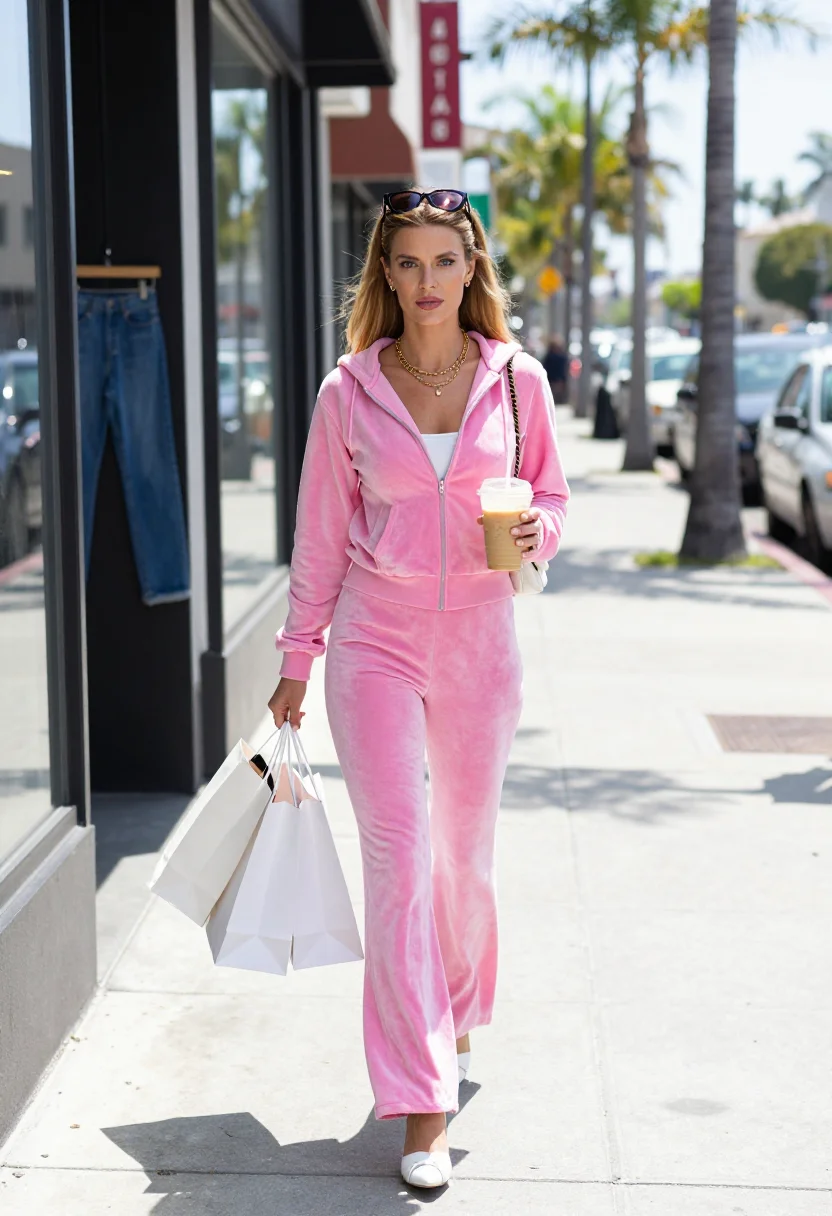
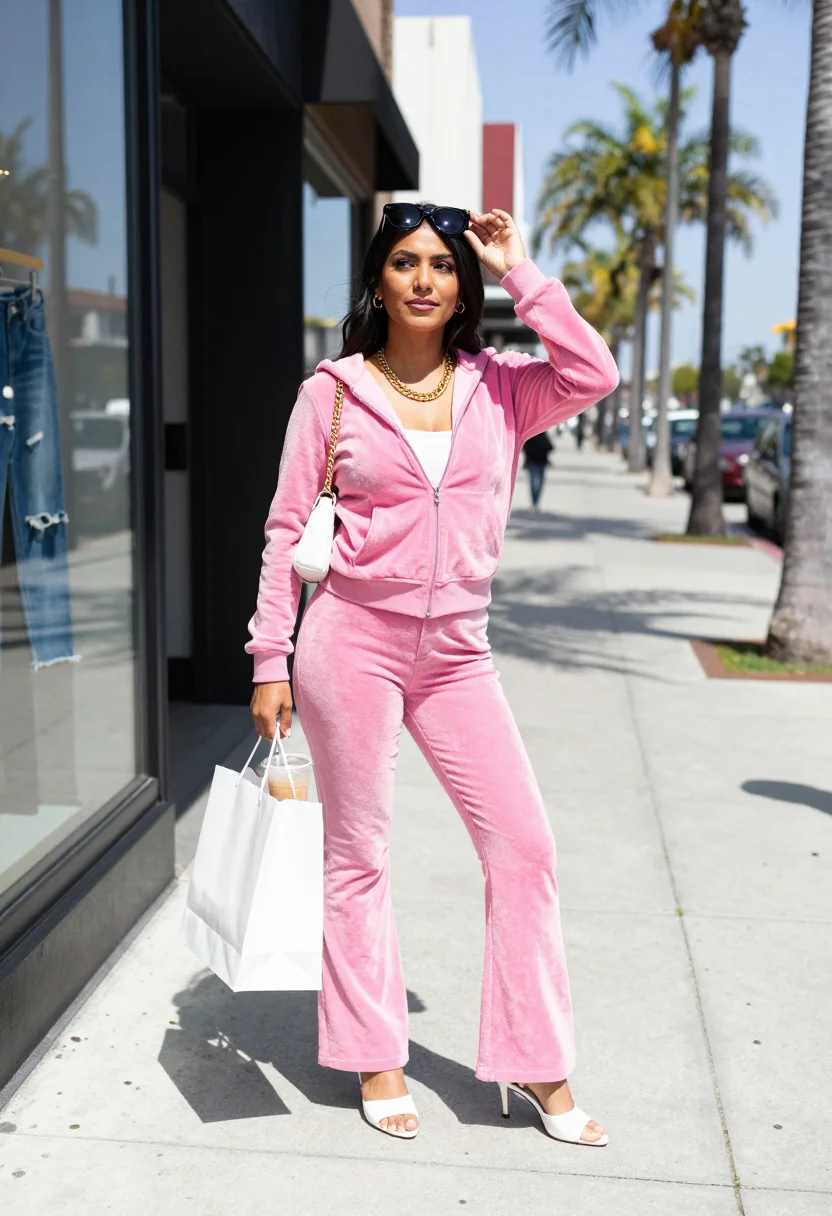
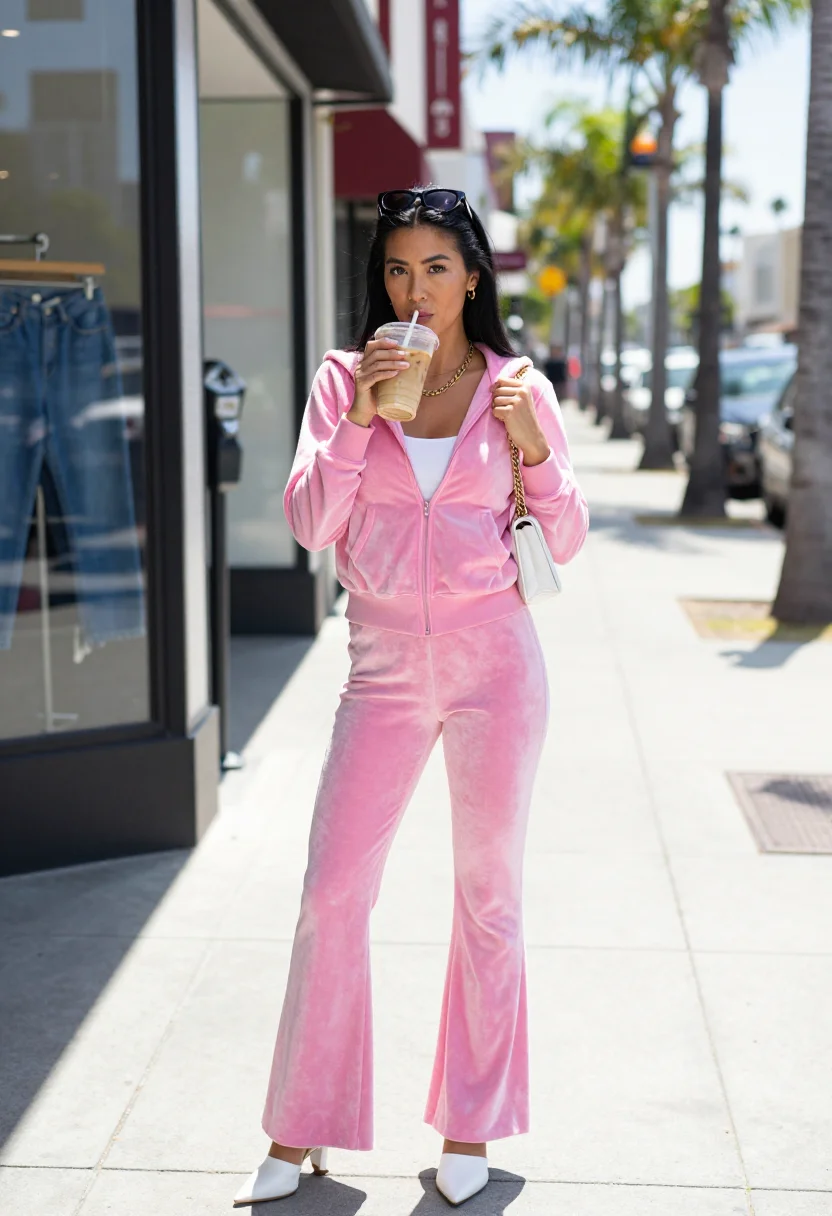
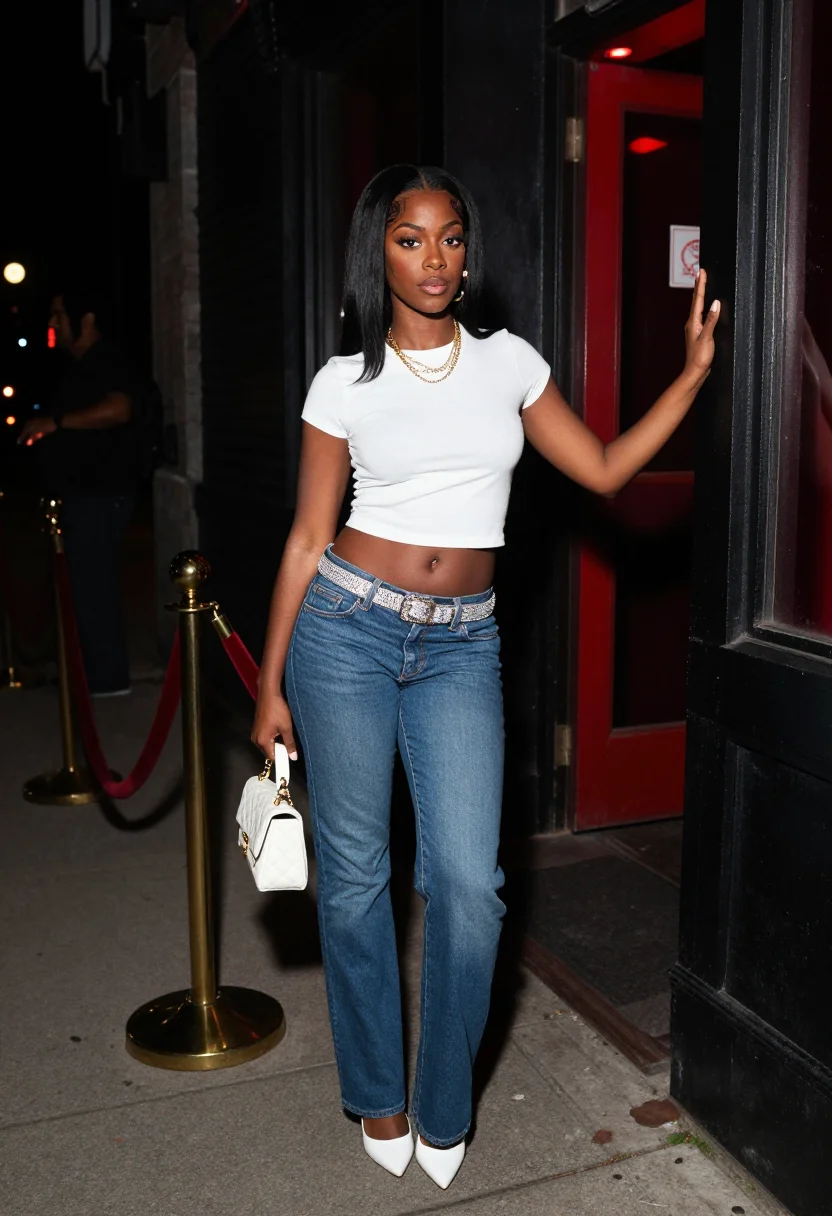
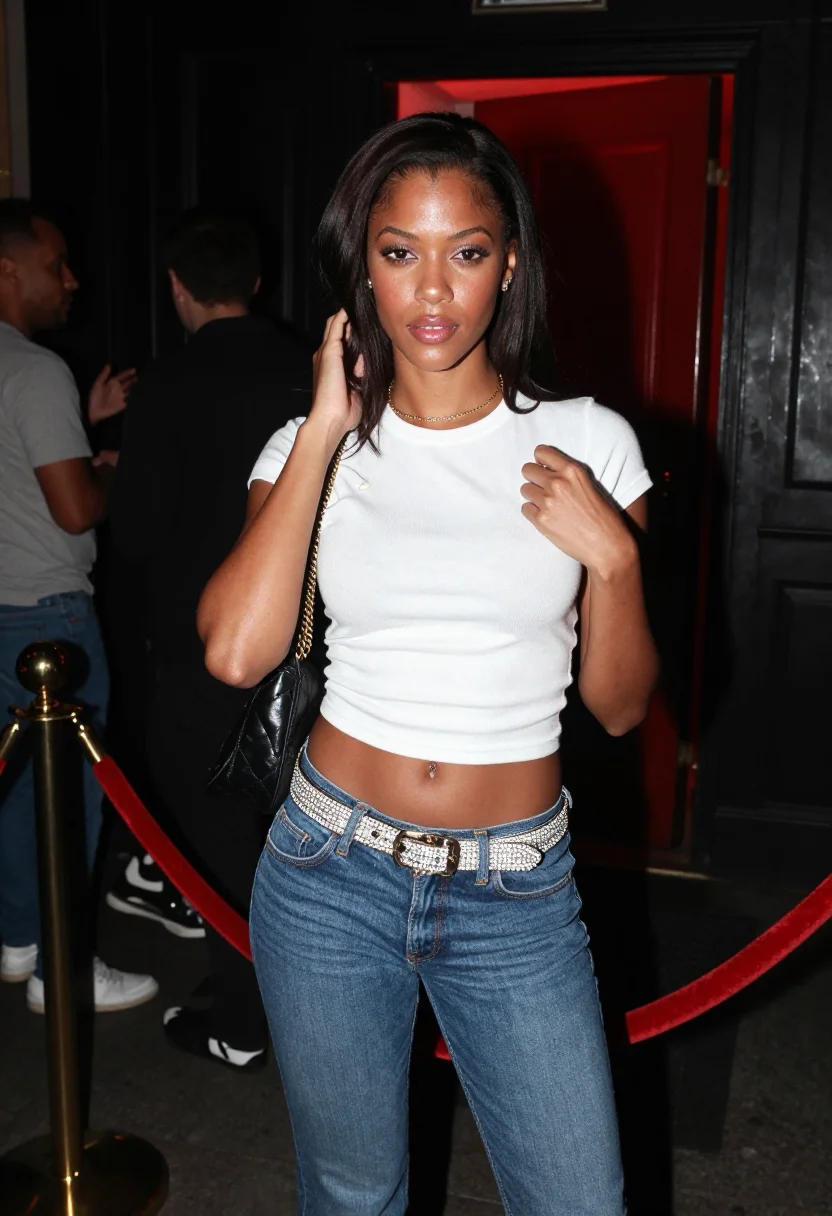
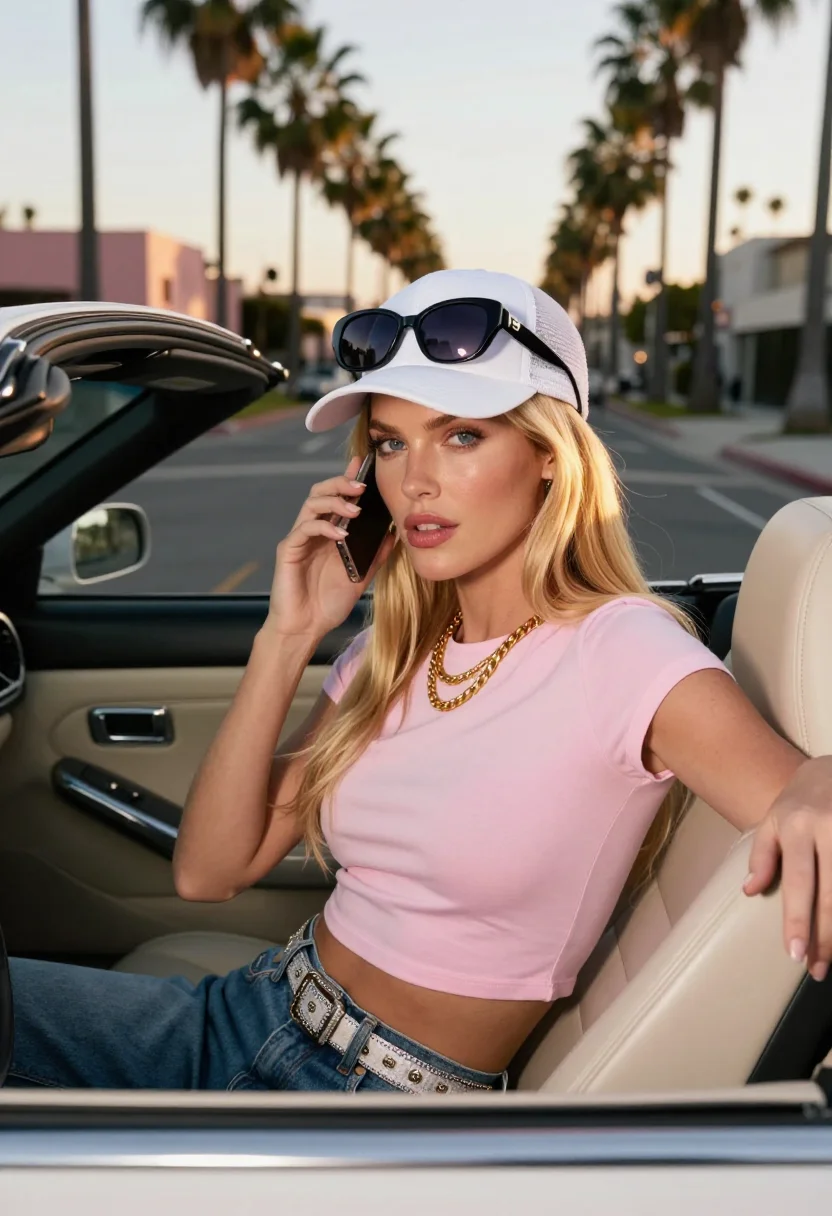
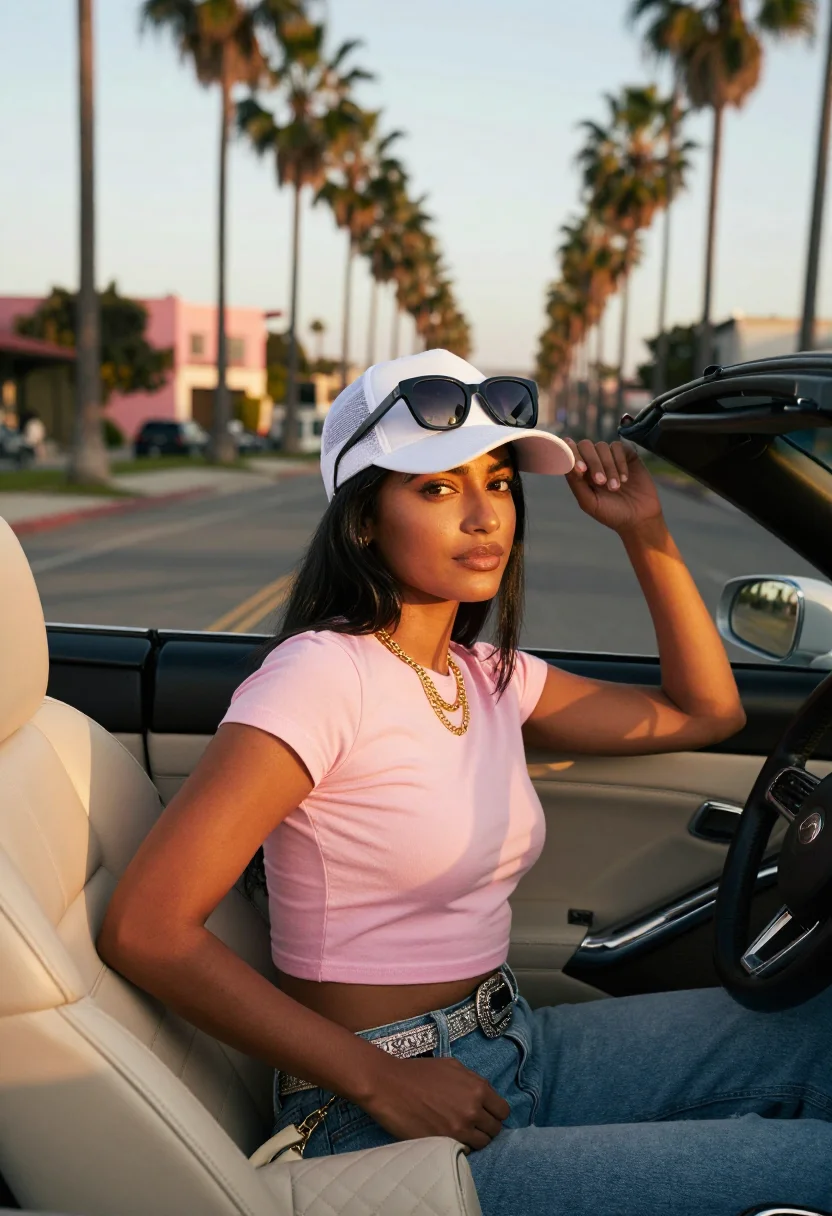
A 2000s Paparazzi Photoshoot, Straight Off Robertson Blvd 2004
no account · ~15s · the first shot is free
The maisons, continued
one model wears them all →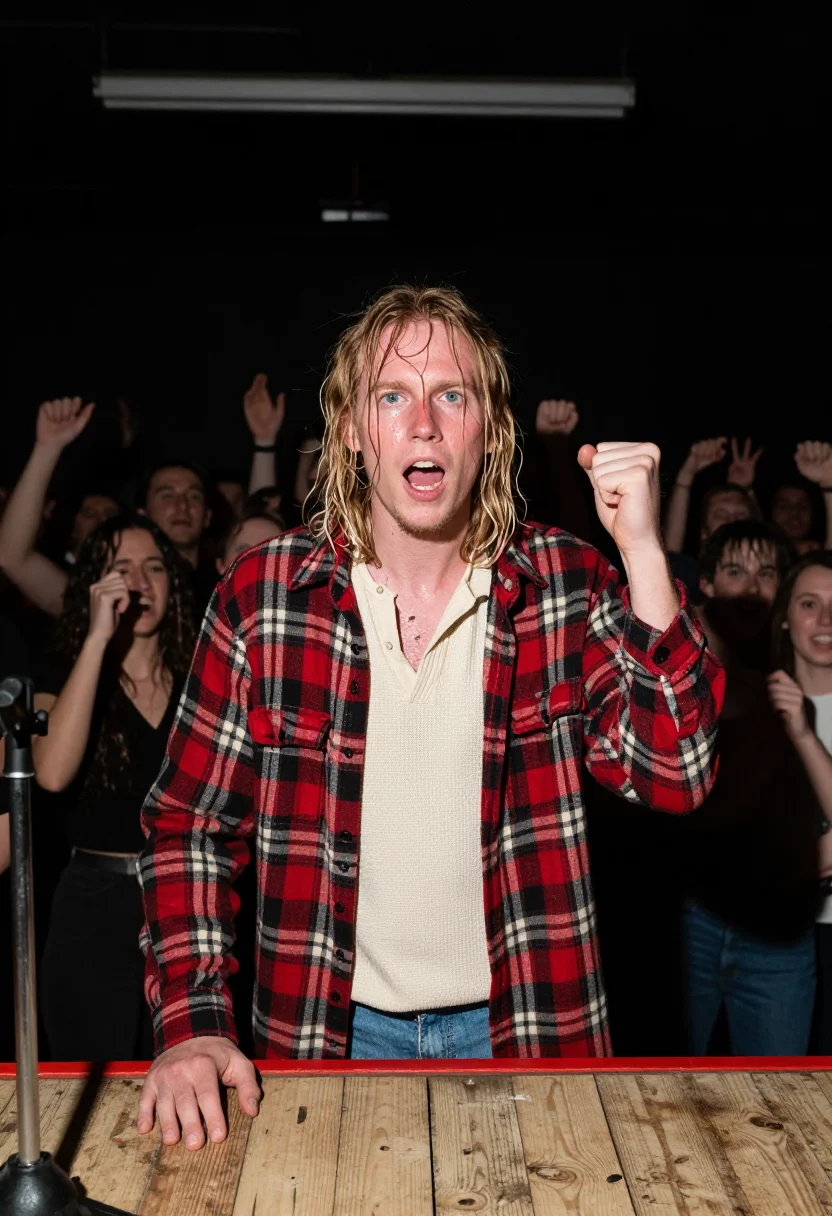
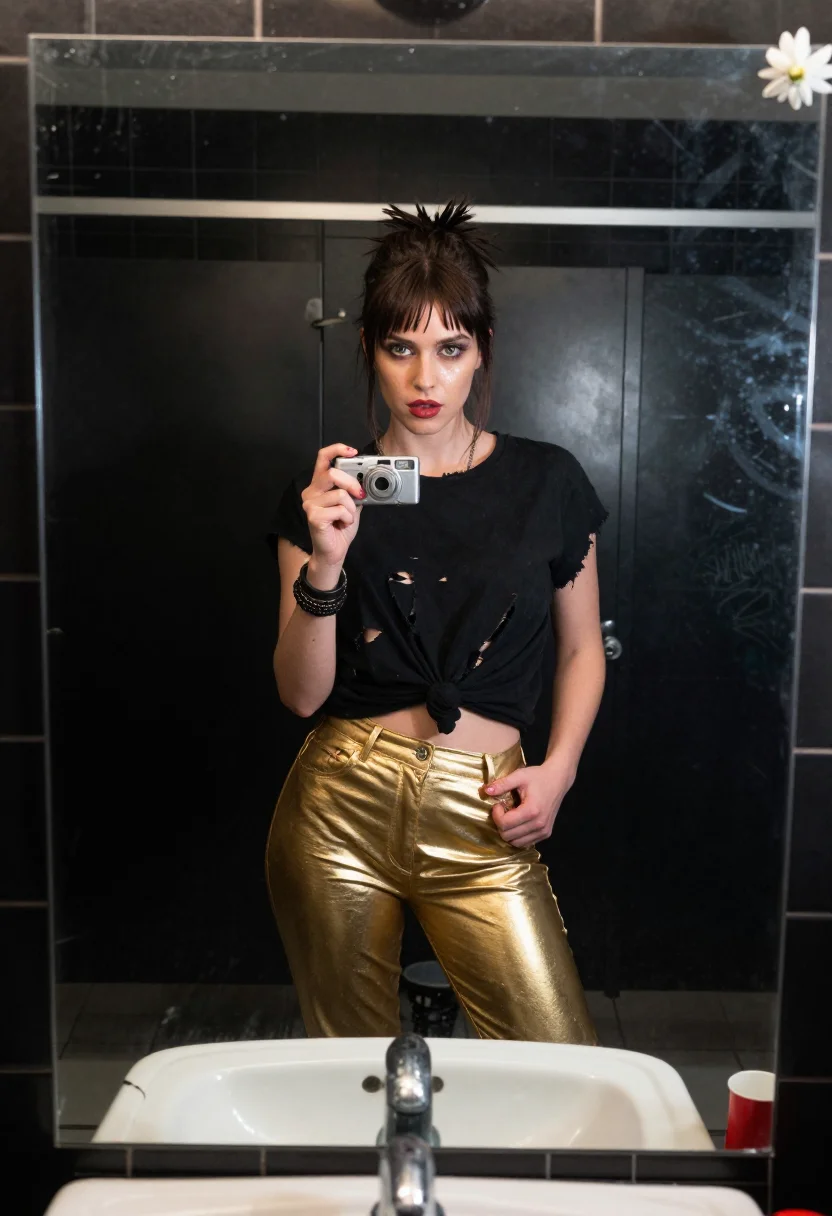
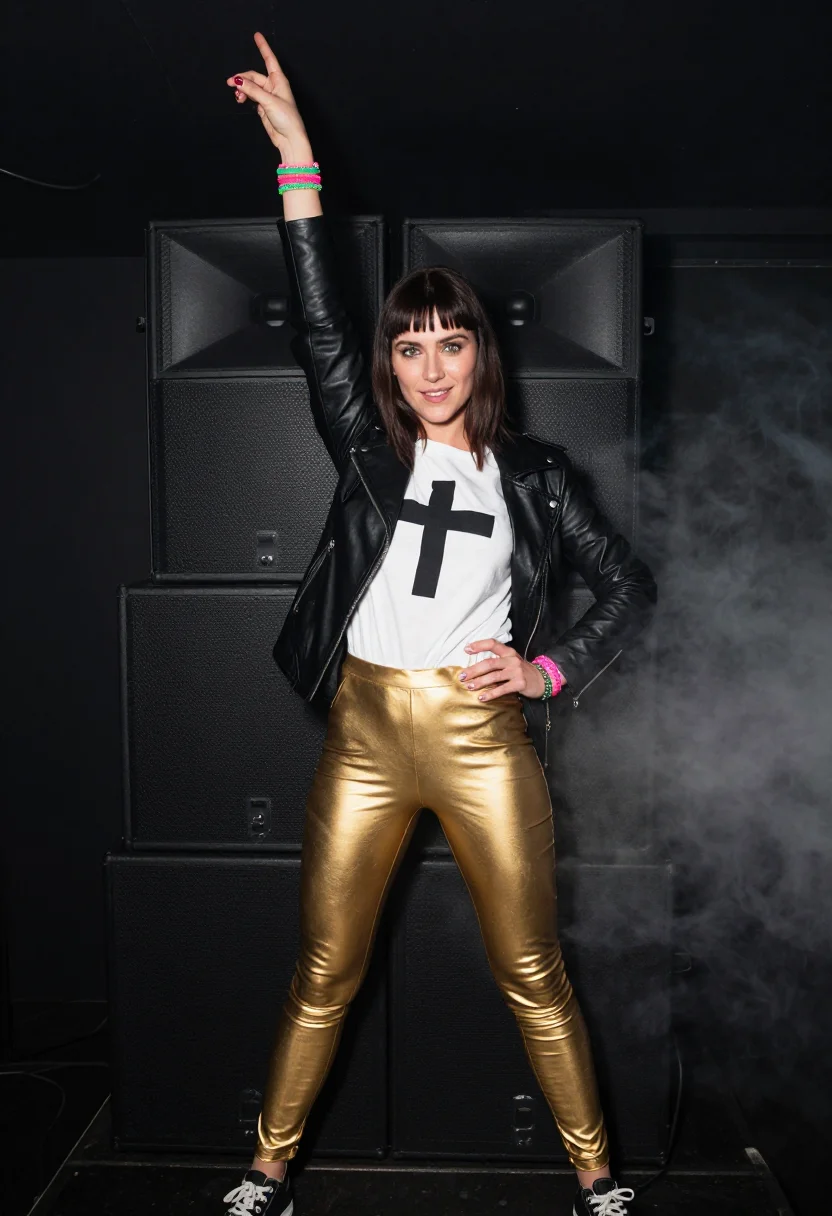
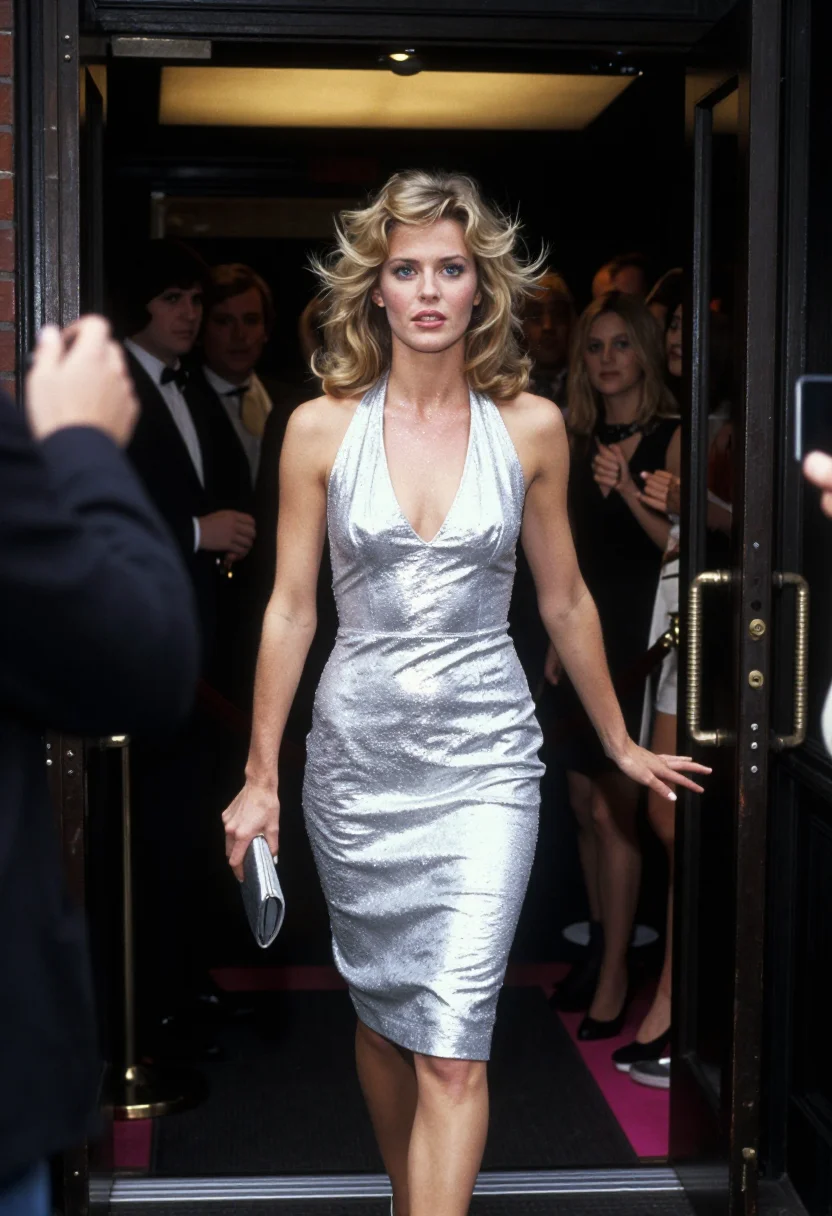
all 9 looks — from one photo ↓
How it works
Three steps. Upload, preview, deliver.
1
Upload 1 to 5 selfies
One is enough for the free preview. More angles sharpen the likeness.
2
See a free preview
A quick sketch of your likeness streams in seconds — close, not you yet, before you pay.
3
Train your model, then unlock 9
€9,99 one-time. Train your model once — 12 to 20 photos, we email you when it's ready — and all nine render in about ten seconds each. Every future pack and Studio portrait render the same way, no repeat training.
The Robertson Blvd 2004 register
In 2004, a single block of West Hollywood — Robertson between Third and Melrose — was the most photographed street in America. Leaving a boutique with shopping bags or a lunch spot with a to-go box was enough to make the tabloids, and the uniform that got you there was specific: velour tracksuits, low-rise denim, a flip phone held to the ear, sunglasses too big for the face. This pack works that exact 2000s paparazzi photoshoot register — the flash-blown, slightly overexposed look that only actual fame produced back then.
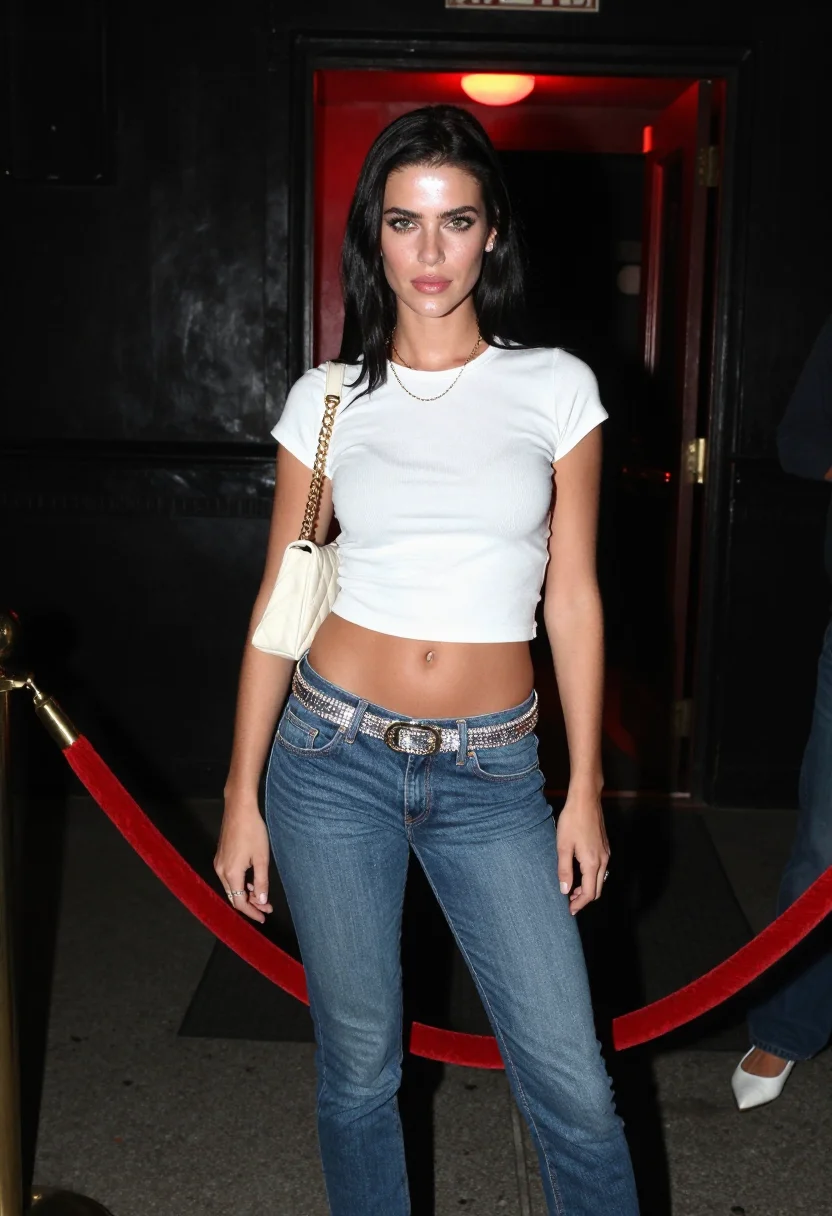
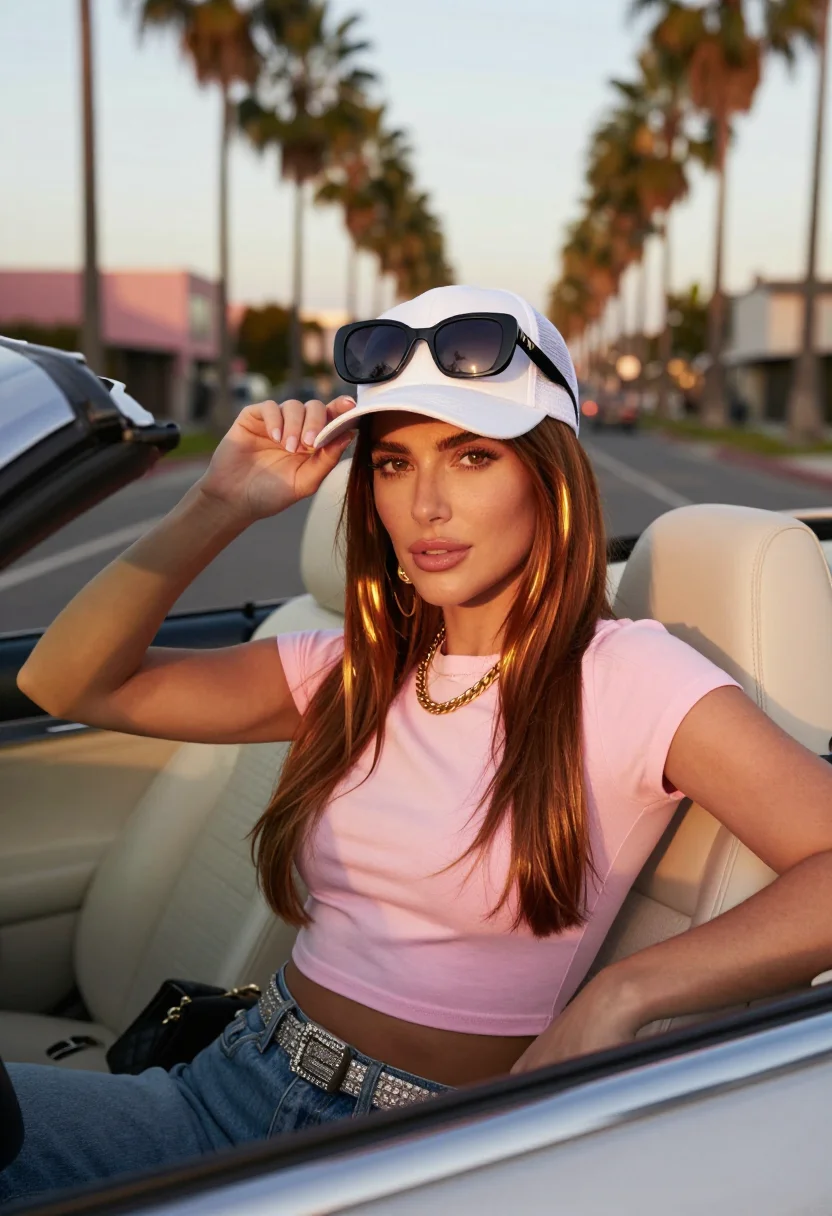
The wardrobe holds to the period's real rules: a pink velour tracksuit or a baby tee with low-rise jeans and a rhinestone belt, oversized sunglasses, a bag too small to hold much of anything, a trucker hat worn before that was a joke. What's borrowed is the whole visual grammar of that era's street photography — direct flash even in daylight, the slight motion blur of someone caught mid-stride; what's reproduced is you in the frame, not a lookalike model standing in for you.
The frames move from a sunlit sidewalk outside a boutique, bags in hand and flash blowing out the highlights, to a nightclub's velvet rope at 1 a.m. with a bouncer's arm at the frame edge, to the passenger seat of a convertible on a palm-lined boulevard, phone at the ear — the same few minutes an actual paparazzo would have caught.
Every frame renders photoreal — a real-looking photograph of you in the look, not a painting or a stylised illustration, built to match the flash and slight overexposure of 2004 tabloid photography rather than any single real event or person.
How to photograph yourself for a Robertson Blvd 2004 photoshoot
Better source photos make better portraits. The pack works with an ordinary phone selfie — the free preview tells you in seconds — but a few things sharpen the likeness so the paparazzi shot really looks like you.
- Even, soft lightStand near a window with indirect daylight on your face. Avoid overhead bulbs and phone flash — both flatten the face and are the usual reason an AI portrait misses your likeness.
- Front or three-quarter angleCamera at eye level, facing it or turned slightly to three-quarter. No selfie-stick uplook, no shot from below.
- Face fully clearHair off the face, no sunglasses or hats in the source photo. A clear, front-facing photo is the best photo for an AI portrait — it gives the model the most of you to work with.
- A caught-off-guard expression works bestThe register is candid, not posed — a natural half-smile or a mid-stride glance reads closer to an actual paparazzi frame than a studio pose.
- Plain background is fineDon't worry about your own backdrop — the street and boulevard replace it. A plain wall behind you just helps the model focus on your face.
Frequently asked questions
- Will it actually look like a 2004 paparazzi photo, and like a real photo?
- Yes on both. The velour tracksuit, the low-rise denim, the direct flash on a sunlit sidewalk come back detailed and specific to the era, and the output is photoreal: a real-looking photograph of you, not a painting or a cartoon.
- Is this a real paparazzi photo, or does it imply I was actually followed by photographers?
- No — this is a genuine portrait of you generated in that era's paparazzi register, not an actual surveillance photo and not a claim of real fame or a real event. It's a y2k photoshoot built from the aesthetic, nothing more.
- How is this different from your Lower East Side 2007 pack?
- This pack is daytime West Hollywood celebutante paparazzi — velour tracksuits, boutique sidewalks, a convertible on a palm-lined boulevard. Lower East Side 2007 is nighttime New York indie party photography — disco pants, bathroom mirror flash, a rooftop at dawn. Same decade, opposite coasts and hours.
- Can I use it for a Halloween costume idea or a 2000s theme party?
- Yes — it's a genuinely useful reference for exactly that: the tracksuit-and-sunglasses combination, the tiny bag, the trucker hat, all styled the way the era actually looked.
- Can men use this pack?
- The sample set and styling are built for women, so this pack reads feminine. A men's version of the era's paparazzi look isn't shipped yet.
- How is this different from Midjourney or Lensa?
- Text-to-image tools generate a woman in a tracksuit who matches a description; avatar apps hand back stylised images that read plainly AI. This pack anchors every render to your uploaded face and keeps it photoreal, so the nine frames come back looking like you.
- What if I only have an ordinary phone selfie?
- One clear selfie is enough to start. The free preview shows the likeness in seconds — if it's off, the prep tips above are the fastest fix, usually lighting.
- What happens to the photo I upload?
- Your preview photo is processed on European servers. If you train your model, those photos train only your model and are deleted the moment you delete your model. Nothing is sold or shared with third parties.
- Can I use it as a profile picture or a fun gift?
- Both work well — it's a distinctive, nostalgia-driven shot, and it's a genuinely fun gift for anyone who grew up on that decade's tabloid culture.
- Does it look like me, not a generic model in the tracksuit?
- It's built to. Whichever face you upload drives the output, so the nine frames come back looking like you outside the boutique and at the club rope, not a stranger in the outfit.
When the Robertson Blvd 2004 pack fits
- For an Instagram or social feed that wants a genuinely nostalgic y2k moment
- For a profile picture with distinctive early-2000s energy
- For a Halloween costume or 2000s theme party reference, styled the way the era actually looked
- For a portrait gift for anyone who grew up on that decade's tabloid culture
- For a phone or desktop wallpaper that doesn't look like everyone else's AI photo
- For a print or framed portrait built around a specific, well-remembered aesthetic
- For a nostalgia or pop-culture blog author photo with real point of view
- For a dating profile that wants one playful, conversation-starting shot
- For a group of friends recreating a 2000s photoshoot together, one selfie each
- For anyone who's tried to recreate the velour-tracksuit-and-sunglasses look and wants to see it on themselves first
About narcis
Most AI portrait tools ship every pose, profession, era, and aesthetic in one giant catalog. The output looks like every other AI photo on the internet — a glaze over a stock face. Narcis goes the other way. One tool, one job: turn photos of you into portraits worth keeping. Drop a selfie and your free preview streams in seconds — a quick sketch: close, not you yet. For portraits that are truly you, train your own model on 12 to 20 photos; it trains in the background, and we email you when it is ready. Train once, render everywhere — this pack, every other pack, and the Studio all come out of that one model, about ten seconds a portrait, and it stays yours to retrain or delete. Each pack is hand-curated against actual references — paintings, photographers, registers — and tested on real faces before it ships. See a free preview before you pay, not after. Packs are one-time — no subscription to buy one; Studio, the unlimited composer, is optional at €12/month and every pack includes 30 days of it. No template generator. Built and run by one team, on our own infrastructure.
All images are AI-generated. By using this service, you confirm you are 18+, that any face photo you upload is your own or used with explicit consent. Full Terms