AI Author Headshot for Book Jackets
Nine photos of you in one setting
How your model is created from your photos
Every pack on Narcis, made with your face
Nine photographs of you in one setting: one pack of the Narcis catalogue.
An editorial portrait of a writer or author, generated by AI, intended for book jackets, magazine bios, and newsletter mastheads. Three registers — wood-paneled study, library reading-room, warm domestic interior — nine portraits per pack. The nine vary in crop, expression and light, so there are real choices, not nine identical files.
/author-headshot · professional · 3 scenes
AI Author Headshot for Book Jackets
More like this
one model wears them all →
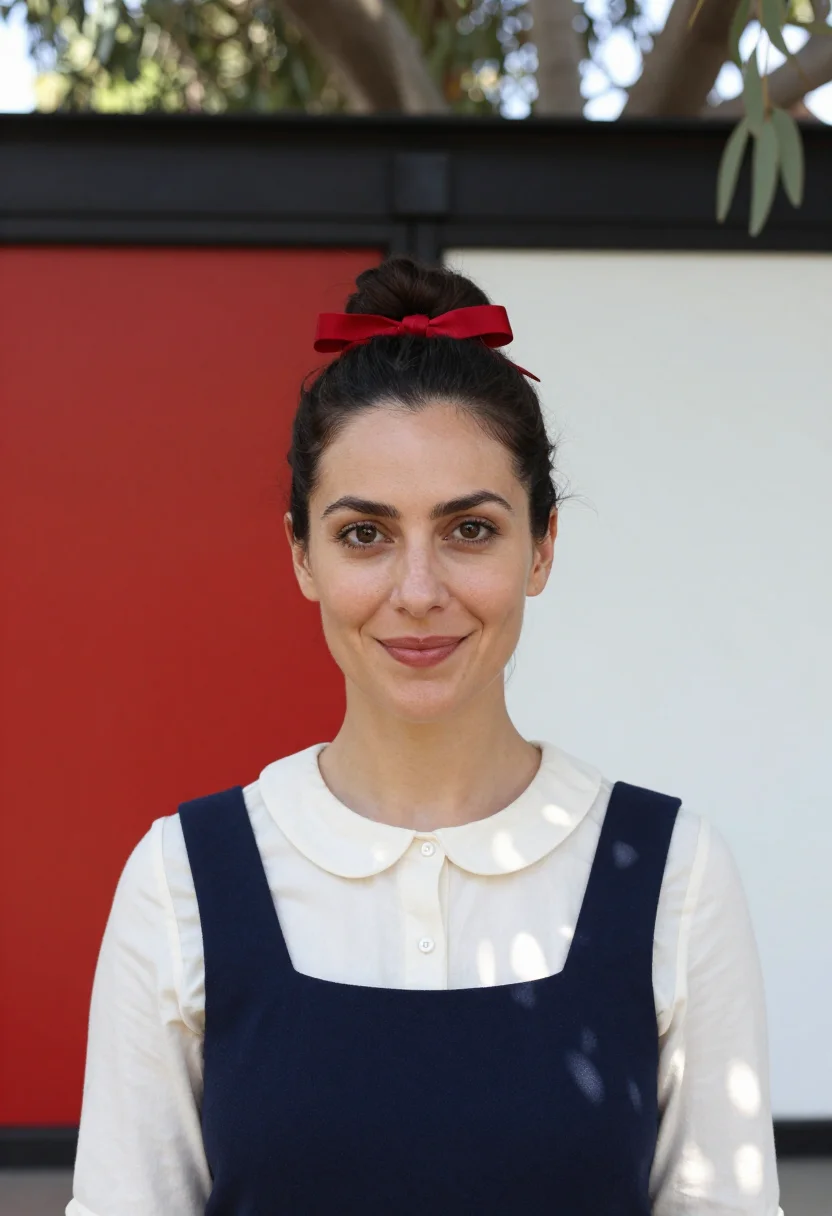
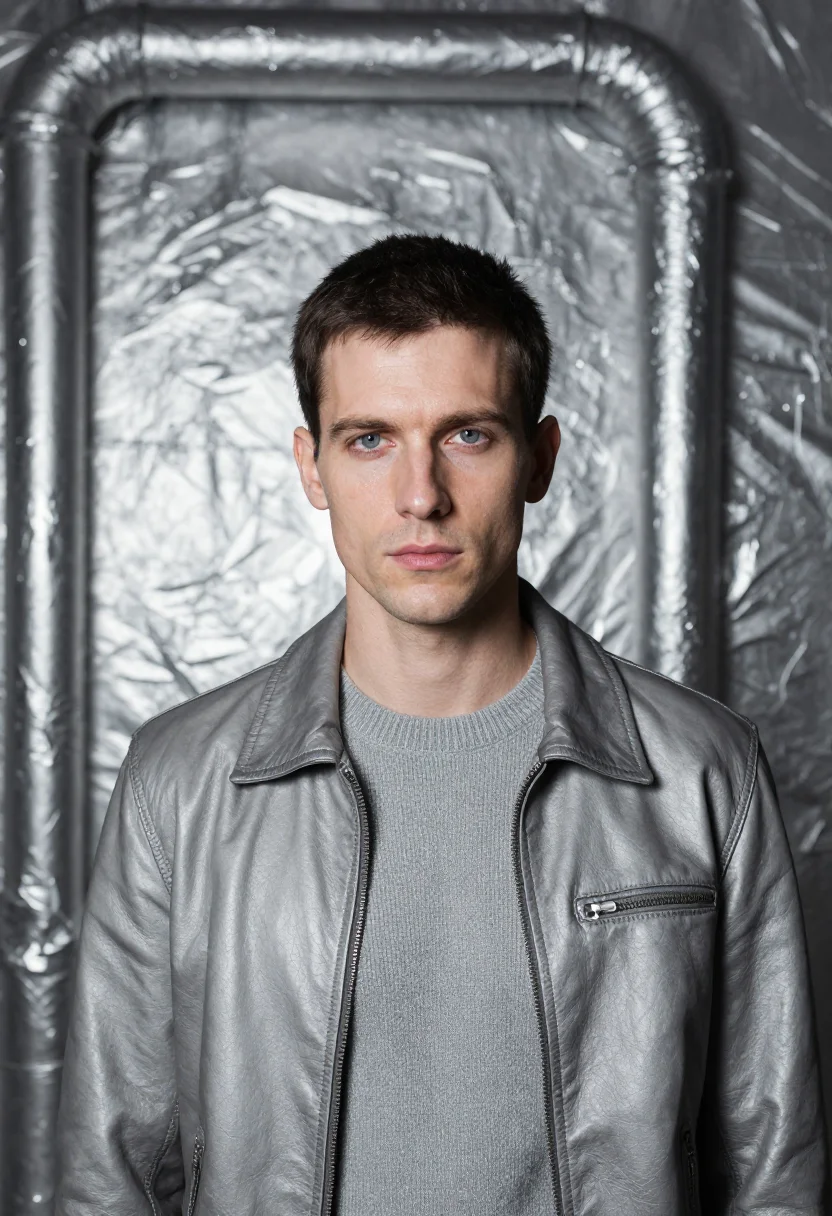
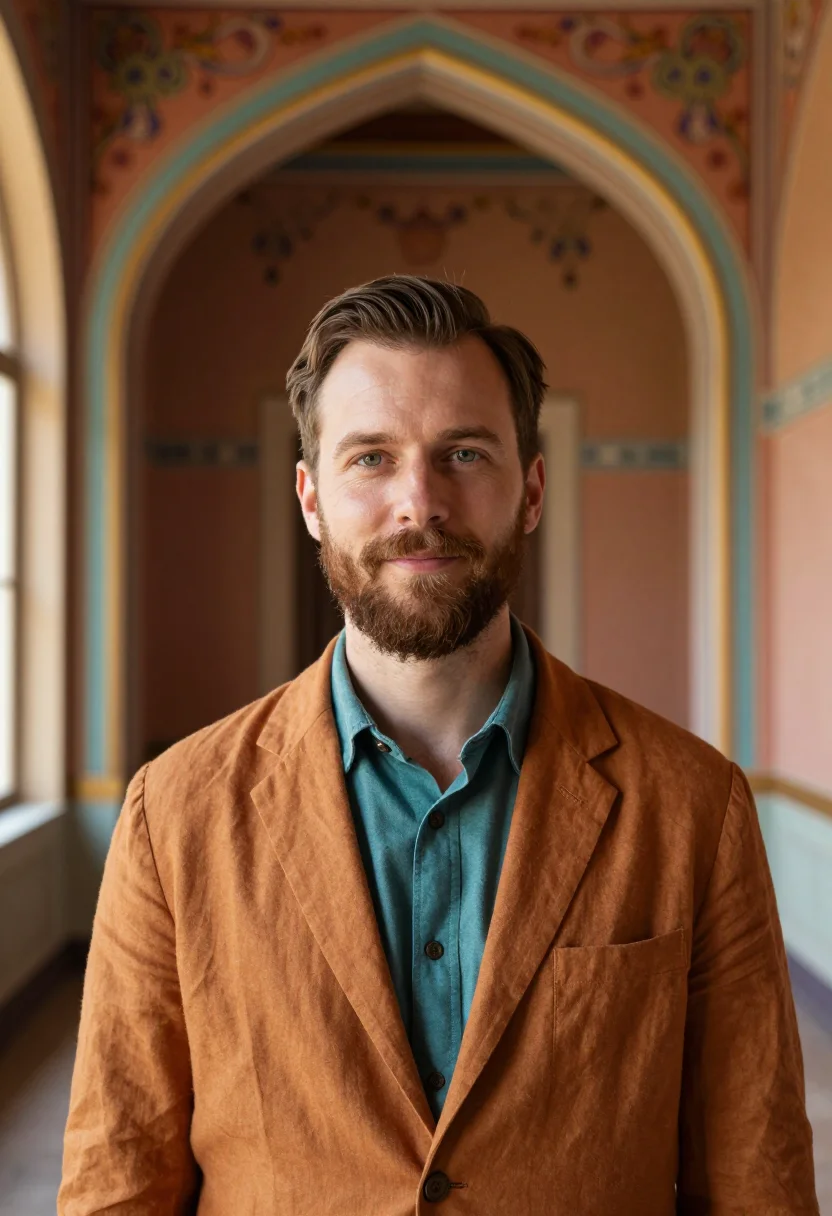
all 9 photos in this pack ↓


How it works
Three steps.
1
Add your photos
Add photos of yourself. We check each one when you add it.
2
We create your model
We create your AI model from your photos. Your photos are ready in a few hours.
3
Every pack, with your face
This pack and every other pack on Narcis can then be made with your face, and single photos too.
The literary portrait register
An author headshot lives at the back of the book, at the top of the Substack, at the foot of the magazine column. It is small, cropped tight, and a reader spends three seconds on it before deciding whether the person behind the byline is worth trusting. A writer headshot is a different brief from a corporate professional headshot: it should read literary, not executive. That is the brief this pack answers — a book jacket photo, a magazine bio, a newsletter masthead.
The three registers here are drawn from how literary and magazine photographers have staged writers for decades: in studies, in libraries, in the kind of domestic interior that says "this person reads." The book jacket register puts you in a warm wood-paneled study with bookshelves softly defocused behind — fine-knit cashmere crewneck over a white linen shirt, the kind of wardrobe that photographs as considered rather than curated. The magazine bio register moves to a library reading-room, a brass desk lamp to one side, a layered charcoal sweater over an oxford collar — slightly more formal, slightly more institutional. The newsletter register stays domestic: oatmeal cashmere, a wall of books and a lit reading lamp behind, a warmth that reads well at the small portrait chip a newsletter platform shows.
What all three registers share is the same light: soft, directional, warm. Window light or a reading lamp, not studio flashes. The face is visible; the background is present but defocused enough that the eye goes to the person. The wardrobe is neither casual nor formal — it occupies the specific middle register of someone who takes their work seriously but has not dressed for a job interview.
The output is photorealistic. There are no brushstrokes, no painterly effects. What the pack produces is a photograph of you in an editorial literary environment — the same kind of photograph a book publisher commissions from a portrait photographer for a debut novelist's back-of-jacket shot. Nine of them, across three registers.
How to photograph yourself for an author headshot
Better source photos make better portraits.
- Soft window light, not flashStand near a window with indirect daylight on your face. Overhead bulbs and phone flash flatten the face and wash out the skin; window light from the side reads the way editorial portrait lighting reads.
- A clean, uncluttered backgroundA plain wall or a bookshelf softly out of focus is ideal. The AI focuses on your face rather than working around a busy background. If you have books behind you, that context helps the literary register.
- Considered, not posedLook at the lens or slightly past it — the way you would look at someone you are speaking to. Not a smile, not a formal portrait expression. The literary portrait register is thoughtful, not performative.
- Head and shoulders, not a full-length shotThe pack renders half-length and head-and-shoulders crops. A source photo that fills the frame with your face and upper body gives the AI more to work with than a distant full-length shot.
- Upload more than one photo if you have themOne photo is enough, but two or three from slightly different angles sharpen the likeness noticeably. Front-facing or three-quarter view work best; avoid strong upward or downward angles.
Frequently asked questions
- What does the output actually look like — is it photorealistic or illustrated?
- Photorealistic. The pack does not produce paintings or illustrations. The output is a photograph of you, staged in a warm literary environment — a wood-paneled study with bookshelves, a library reading-room with a brass desk lamp, a domestic interior with a wall of books behind. What the pack borrows from editorial author photography is the staging, the wardrobe register (knit sweaters, oxford shirts), and the light — not a visual style that reads as artificial.
- Can I use these photos on my book jacket?
- Yes. That is the primary intent. The output is portrait-ratio, high-resolution, and delivered without watermark or logo. Publishers and self-publishing platforms accept it the same way they accept any delivered JPEG. If your publisher has a specific crop requirement, pick the portrait from the nine that best fits before submitting.
- Will it work for a magazine bio, contributor page, or newsletter masthead?
- Yes. The magazine bio and newsletter registers are both in the pack — three photos each. The magazine bio register (library reading-room, charcoal sweater over an oxford shirt) photographs well at the small square crops that contributor pages use. The newsletter register (oatmeal cashmere, warm domestic interior) reads warmly at the even smaller portrait chips that newsletter platforms show.
- Is this useful for a Substack page, author website, or podcast host bio?
- Yes. All three surfaces use editorial portrait crops — usually square or 2:3. The pack delivers nine options at portrait ratio; cropping square from the center of any of them is straightforward. Podcast host bio photos particularly benefit from the warm-domestic-interior register, which reads approachable rather than corporate.
- What if I want a headshot for LinkedIn or a corporate profile, not an author context?
- Honest answer: this pack is calibrated for the literary editorial register, not the professional corporate register. If you want a straight corporate headshot, look at the LinkedIn Headshots pack, which uses neutral studio backgrounds and business-casual wardrobe. This pack's output reads as an author, not an executive.
- Can I use it for a columnists portrait, essayist bio, or academic paper author photo?
- Yes. The magazine bio register — charcoal sweater over an oxford shirt, university library reading-room — reads equally well as a columnist portrait and as an academic paper author photo. If you specifically need an academic page portrait with a more formal scholarly register, the Faculty Academic pack is designed for that context.
- Is the output safe to use commercially?
- Yes. The output is yours. See the terms for the full scope of permitted use.
- Will the photos look like me?
- Every photo looks like you, well photographed. If one is nearly right, say what to change, in your own words.
- Do I have to write a prompt?
- No. There is nothing to write: you pick a pack, and it is ready in seconds.
- How many photos of myself do I add?
- Between six and twenty, from different days and in different light, with your face clear. We check each one when you add it.
- What happens to the photos I add?
- They are used only to create your model, on our own servers in the European Union. They are not shared and not sold.
When the author headshot pack fits
- For a book jacket author photo — debut novel, memoir, essay collection, nonfiction
- For a magazine contributor bio or editorial byline photo
- For a Substack or newsletter masthead author portrait
- For a podcast host or guest bio photo
- For an author website hero image or "About" page portrait
- For a literary agent or publisher submission that requires a headshot
- For a columnist or essayist profile on a publication's contributor page
- For a speaker bio photo at a literary festival, book fair, or writing conference
- For an Amazon author page, Goodreads profile, or BookShop author portrait
- For a press kit author photo used across interviews, reviews, and publicity
- For a personal blog or newsletter where the byline photo is the first impression
- As a replacement for a candid conference snapshot currently standing in for a real author photo
About narcis
Most AI photo tools put every pose, job, era, and style in one giant catalog. The photos all look like every other AI photo on the internet — a glaze over a stock face. Narcis goes the other way. One job: photos of you that look like photographs. You add at least 6 photos of yourself, and we create your AI model from them. Your photos are ready in a few hours, and we email you when they are. Then this pack and every other pack on Narcis can be made with your face. Each pack is curated against real references — paintings, photographers, places — and tested on real faces before it goes live. Built and run by one small team, on our own servers.
All images are AI-generated. By using this service, you confirm you are 18+, that any face photo you upload is your own or used with explicit consent. Full Terms