AI Parisian Photoshoot Generator — Nine Vintage Paris Photos, From Your Own Model
See a Free Caillebotte Preview in Seconds
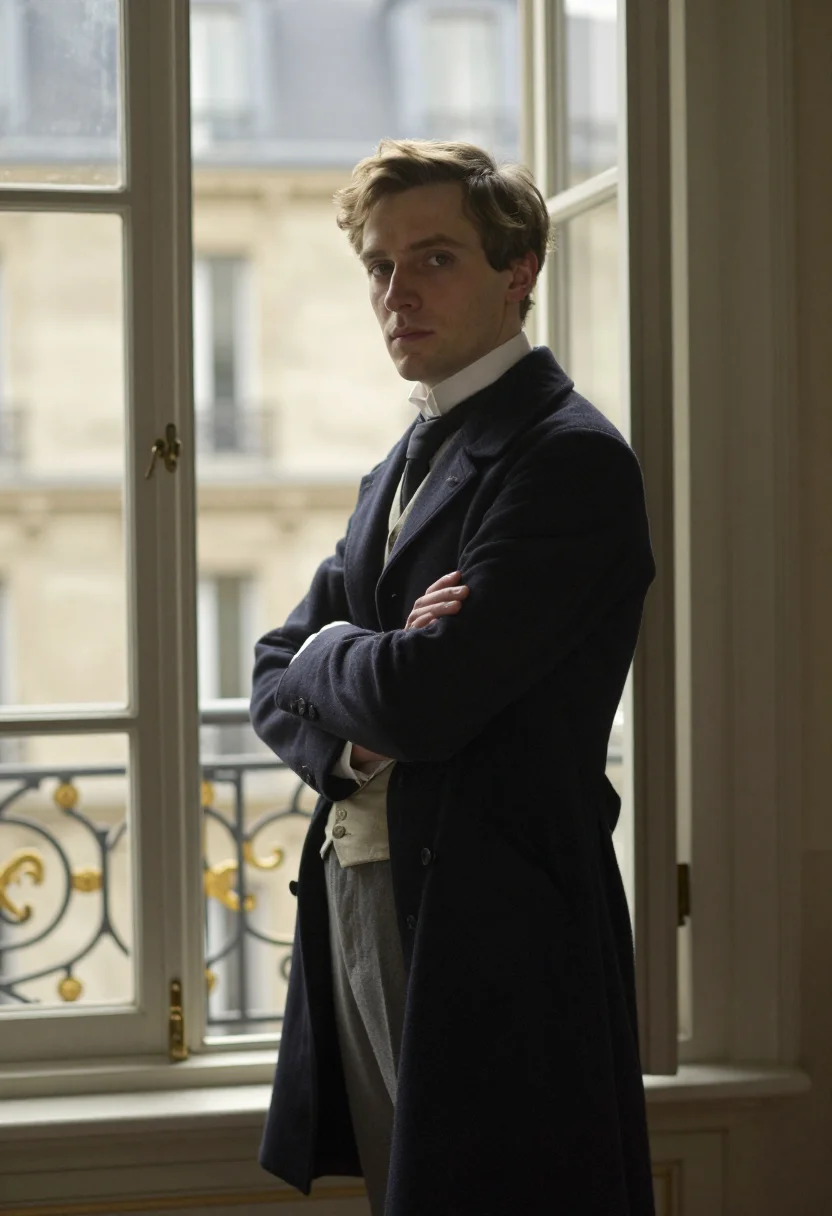
Three Paris Scenes — Paris Street; Rainy Day, Le Pont de l'Europe, Jeune homme à sa fenêtre
Photographic Belle Époque Staging Without a Sitting
Narcis generates a free preview of your Parisian photoshoot in Caillebotte's Belle Époque register from one uploaded photo. The preview streams in seconds. Train your model — 12 to 20 photos — and the full pack of nine, plus every other pack and the portrait studio, renders from it at about ten seconds a portrait. We email you the moment it is ready.
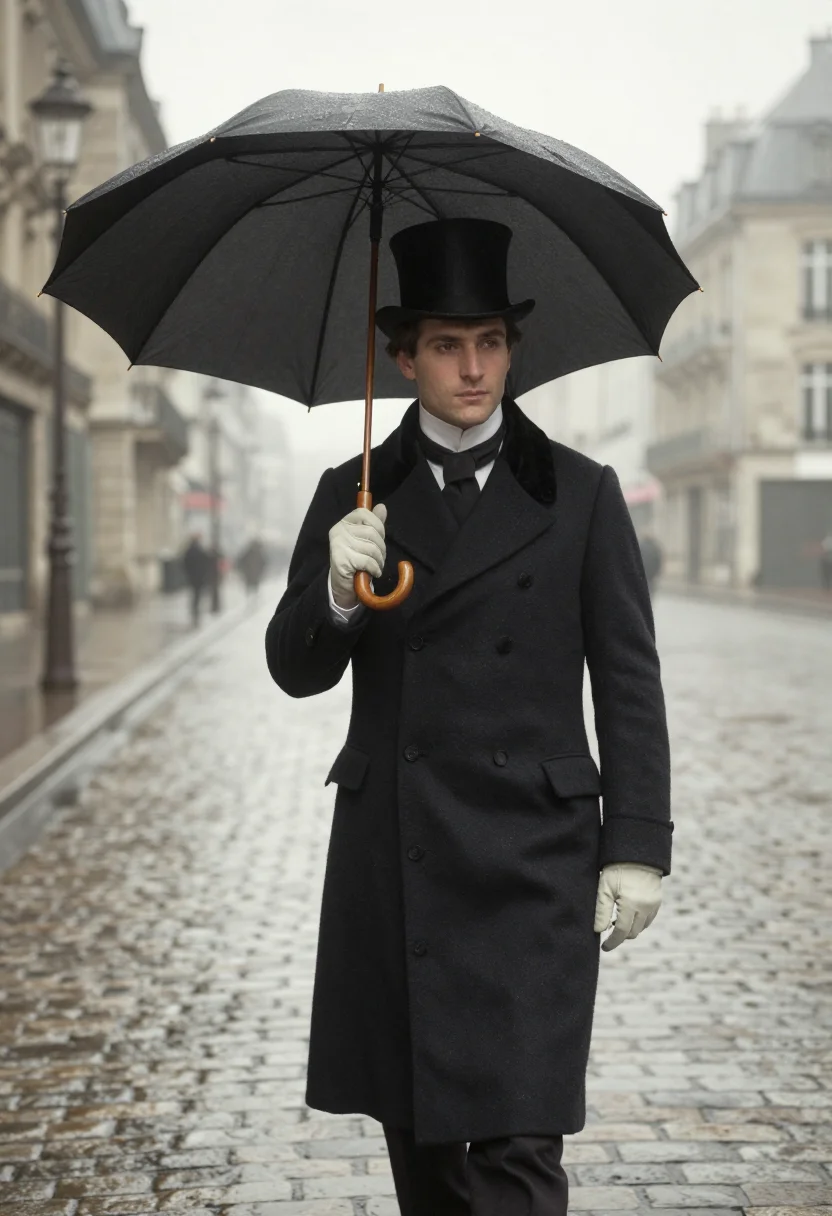
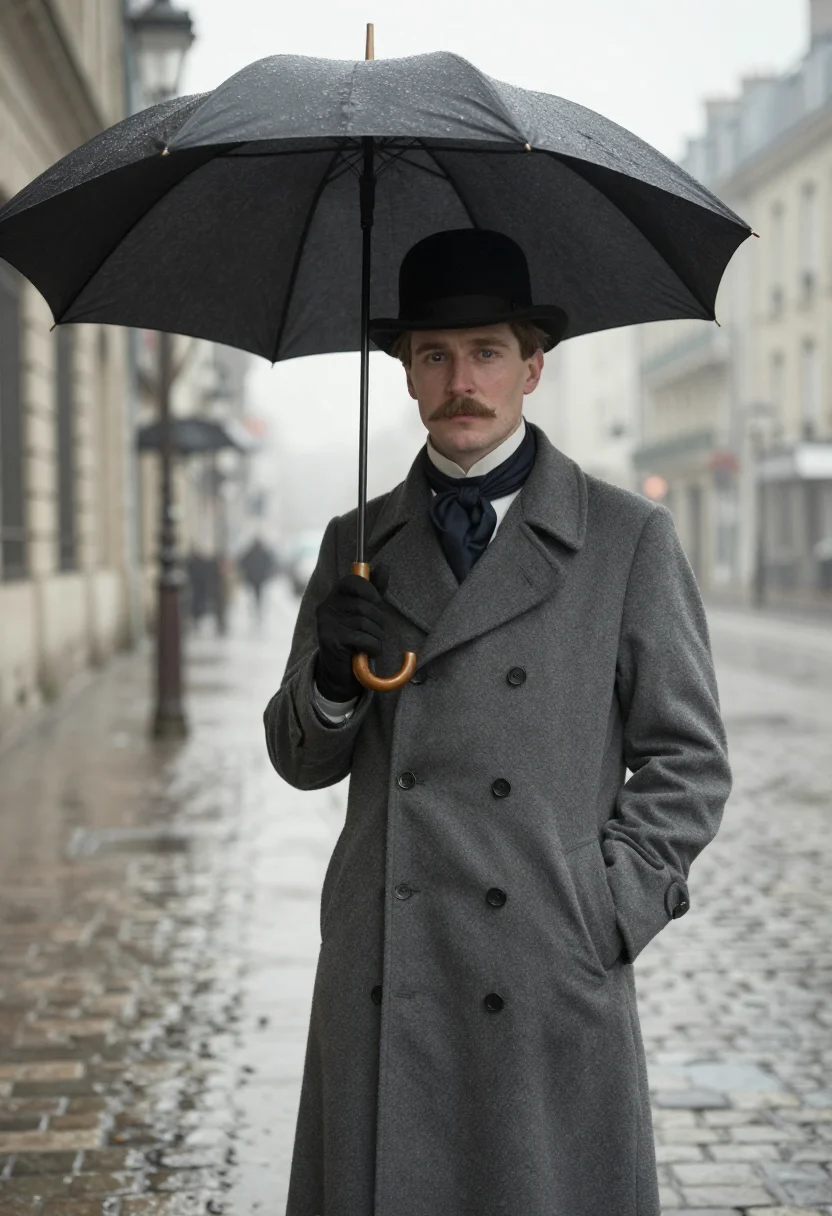
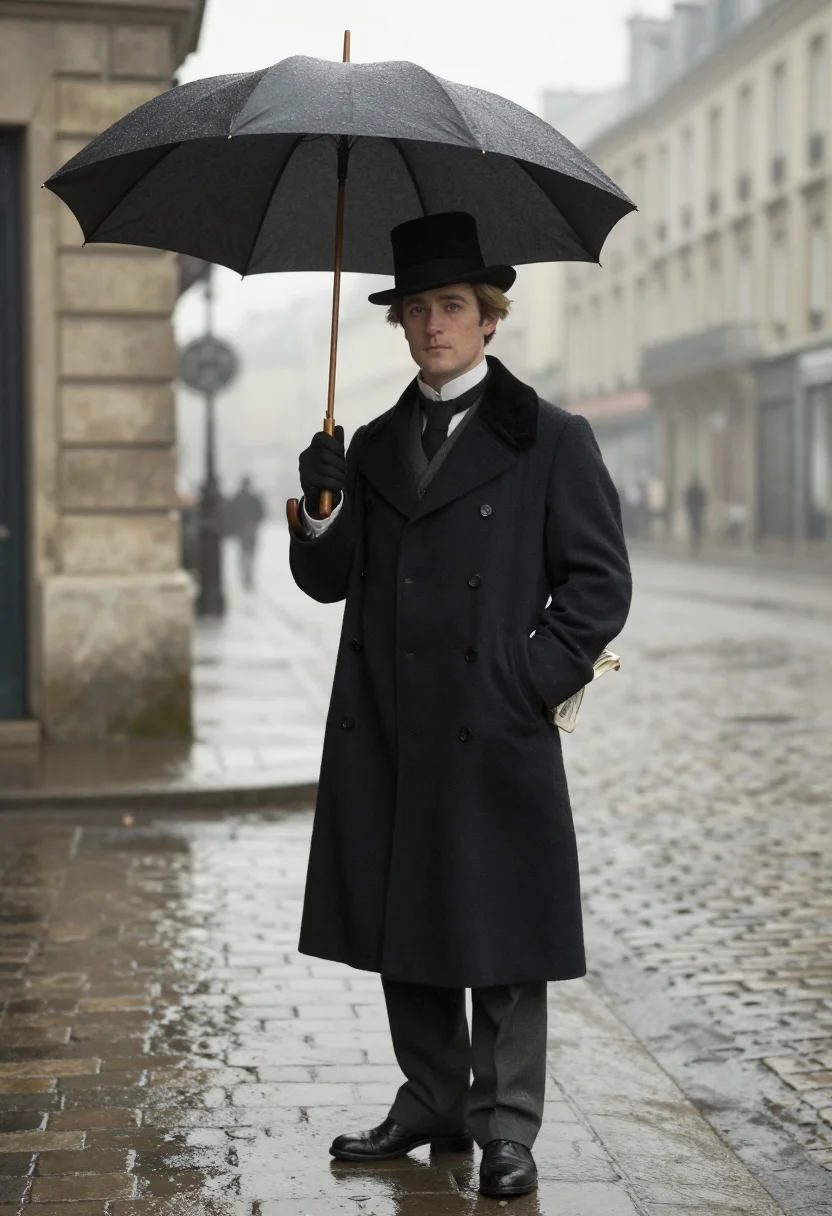
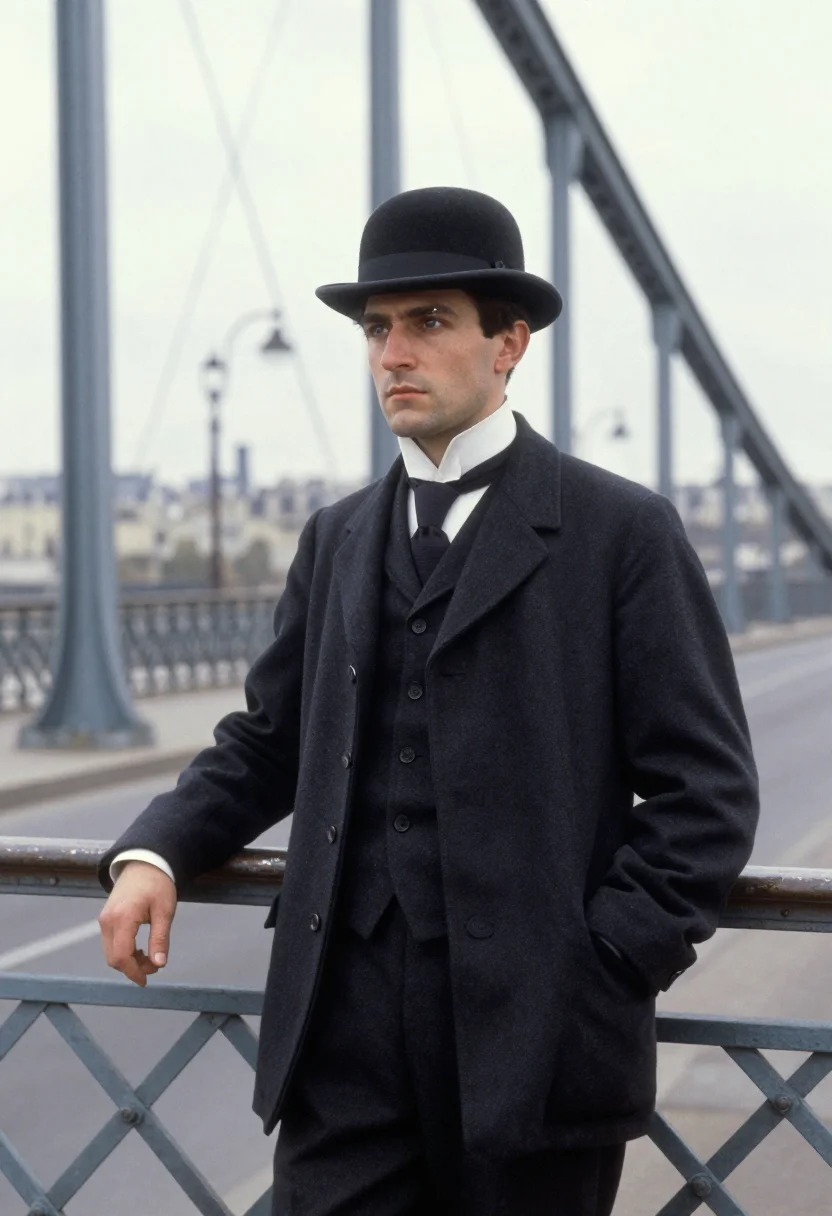
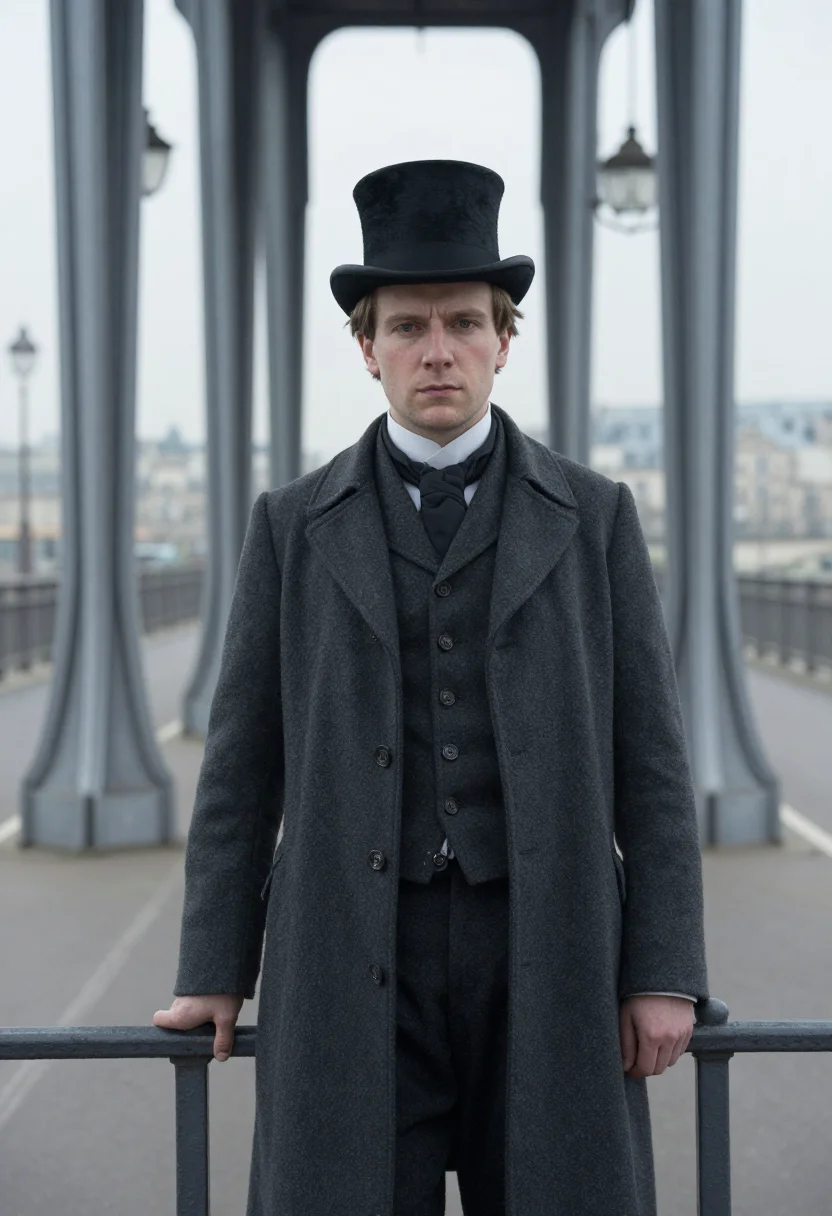
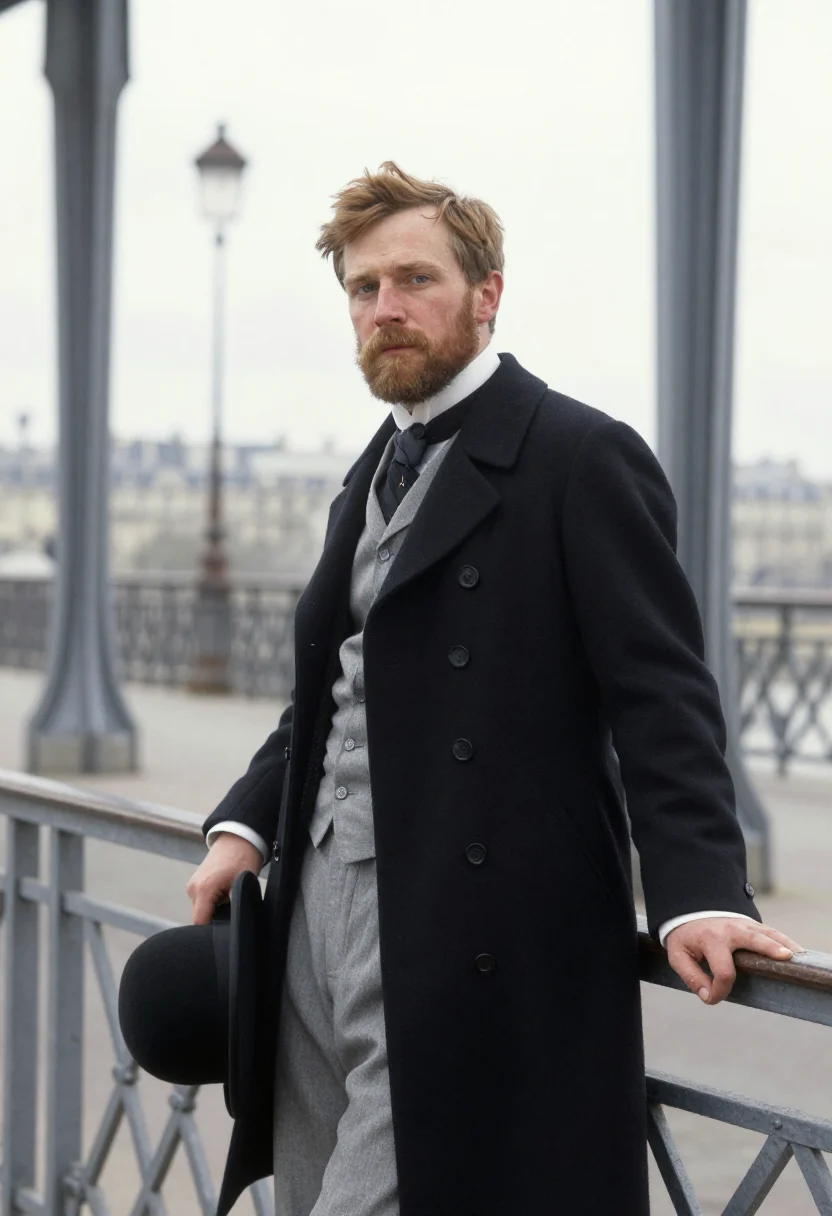
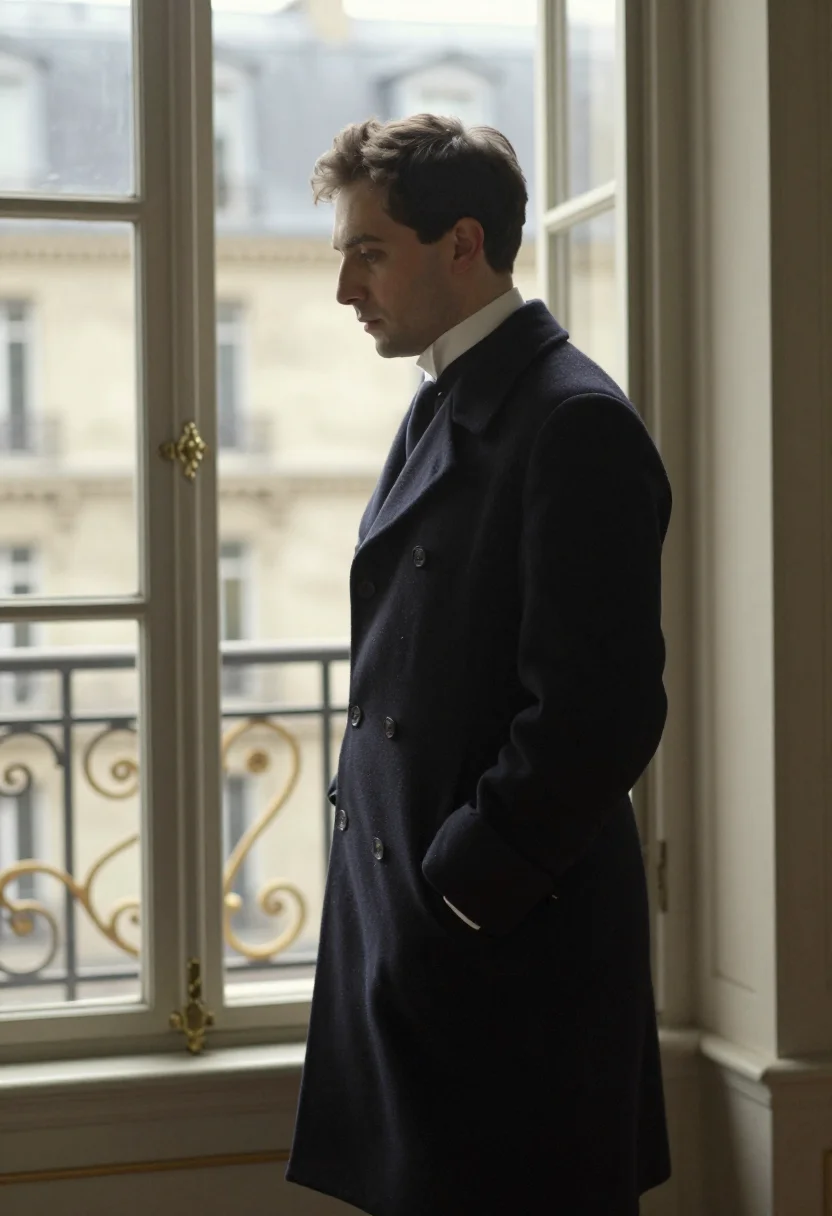
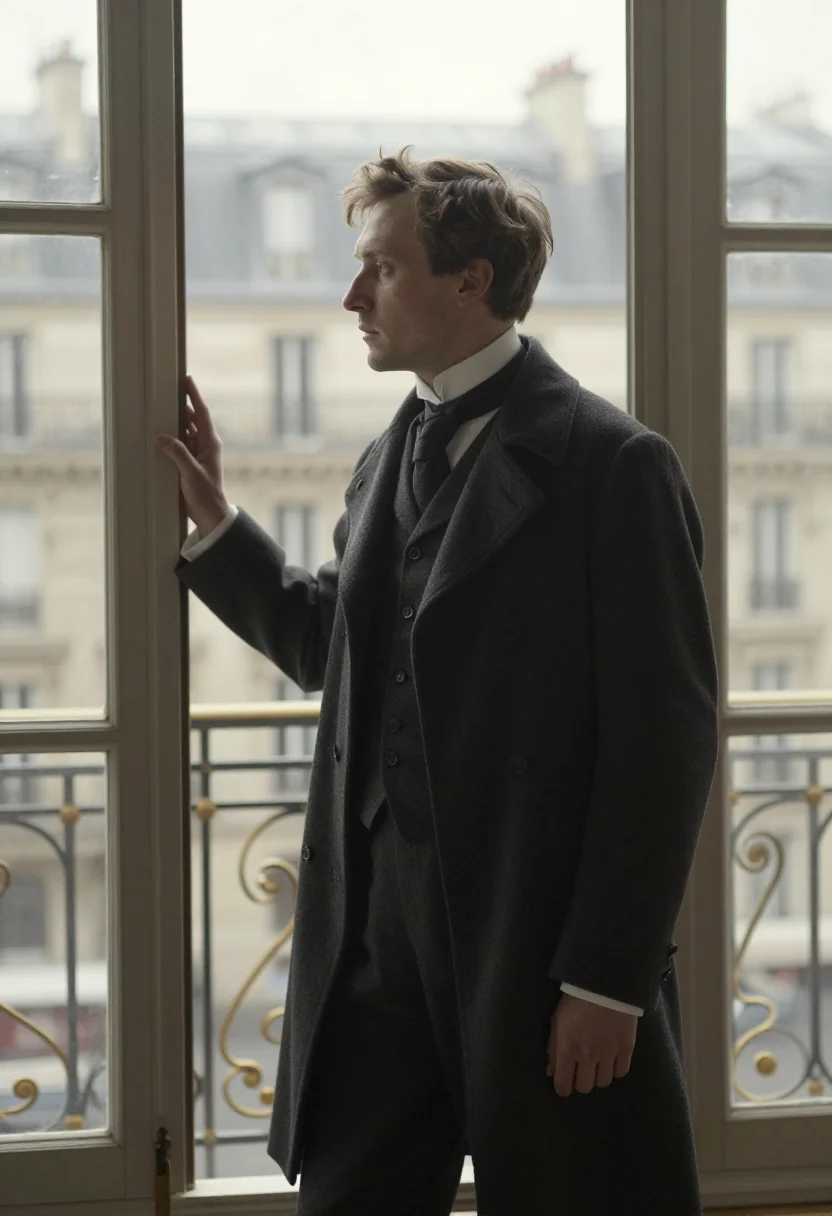
The pack renders three of Caillebotte's most-known Paris scenes — Paris Street; Rainy Day (1877), Le Pont de l'Europe (1876), Jeune homme à sa fenêtre (1876) — three vintage Paris photos each. Haussmannian boulevards, iron-bridge engineering, Belle Époque period staging. The medium is photographic, modeled on Caillebotte's compositional language.
People use this pack when they want a portrait worth printing — for an aesthetic profile picture with edge, a gift, a frame on a wall. Photos are processed on European servers.
/caillebotte-paris · photo · 3 scenes
Caillebotte Paris Rainy Day
no account · ~15s · the first shot is free
More like this
one model wears them all →
all 9 looks — from one photo ↓
How it works
Three steps. Upload, preview, deliver.
1
Upload 1 to 5 selfies
One is enough. More angles sharpen the likeness.
2
See a free preview
One sample shot in seconds, so you know the likeness works before you pay.
3
Buy and train your model
€4,99 one-time. Buy it, add 12–20 photos to train your model — and we email you the moment your model is ready — your nine are waiting when you come back. After that, every portrait — this pack, every other pack, the Studio — renders in about ten seconds.
Caillebotte's Paris
Gustave Caillebotte painted Paris in the years when Haussmann's renovation was still fresh — the wide new boulevards, the iron railway bridges, the tall apartment windows with gilded balcony railings looking out over a city that had just been remade. His figures stand in it without nostalgia. Paris Street; Rainy Day (1877) is wet cobblestone and black umbrellas receding into limestone mist. Le Pont de l'Europe (1876) is iron latticework and the noise of the Saint-Lazare station behind a man in a dark wool suit looking over the railing. Jeune homme à sa fenêtre (1876) is a man in a morning coat standing at an open sash window, watching the boulevard below. All three are portraits of someone in a city, not of the city itself — the three sets this Parisian photoshoot puts you into.
This vintage Paris photo doesn't reproduce his paint. The output is photorealistic. What this pack borrows from Caillebotte is everything else: how he framed his subjects against the Haussmannian stone and iron, the atmospheric depth of a wet boulevard receding into mist or a boulevard seen through a tall window, the period dress of the Belle Époque flâneur, the detached composure of someone standing on a bridge or watching Paris from above. That framing becomes the photographic register of the pack. No brushwork. No Impressionist surface. A photograph of you, staged the way Caillebotte staged his figures in the new city.
The three registers are distinct in mood. The Rainy Day register is street-level — the figure in the crowd, the wet pavement, the umbrella held at the right angle. The Pont de l'Europe register is industrial — the iron engineering of the bridge, the figure leaning on the railing, the railway trusses behind. The Jeune homme register is interior-facing — the apartment window, the boulevard seen from above, the figure in stillness at the threshold between private and public. Together they cover three temperatures of Parisian life in the 1870s.
The visual grammar Caillebotte brought to Paris: extreme foreground cropping (figures cut at the edge of the frame), deep perspective receding along the boulevard or the bridge, overcast or rainy light that softens and unifies, figures dressed in the formal dark wool of the period. In photographic terms: atmospheric depth in the background, soft diffuse light, formal period dress in the foreground.
How to photograph yourself for a Parisian photoshoot
Better source photos make better portraits. The pack works with imperfect inputs — the free preview tells you in seconds — but a few things help.
- Soft, overcast, or diffuse lightCaillebotte's Paris light is overcast — not harsh sun, not deep shadow. Indirect daylight from a window or a cloudy day outside works well. Avoid flash and strong directional overhead light.
- A composed, forward-facing expressionNot a smile, not a pose. Caillebotte's figures look at the city or slightly past the viewer. Still, attentive, not performing. Look at the lens or just past it.
- Front or slight three-quarter angleEye level. No selfie-stick uplook, no overhead angle. The pack references figures standing or leaning — keep the camera at face height.
- Plain background or a wallThe background in these portraits is Haussmannian stone, iron, or a plastered wall — not busy. A plain wall or a minimal background lets the AI focus on the figure.
- Multiple photos helpOne photo is enough; two or three at slightly different angles sharpen the likeness. Front-facing, well-lit beats everything else.
Frequently asked questions
- Will the result look painted, or is it photorealistic?
- Photorealistic. This Parisian photoshoot doesn't reproduce oil paint or Impressionist brushwork — the output is a photograph of you. What it borrows from Caillebotte is everything else: how he framed his subjects against Haussmannian stone and iron, the atmospheric depth of a wet boulevard receding into mist, the period dress of the Belle Époque flâneur, the detached composure of someone standing on a bridge or watching Paris from a window. That staging becomes the frame for a vintage Paris photo of you.
- Can anyone use this pack, or is it designed for men?
- The three Caillebotte paintings this pack draws from feature male subjects — the flâneur genre in 19th-century Paris was a masculine figure. In practice the Parisian photoshoot works for anyone: the framing, the atmospheric background, and the period dress adapt to any sitter. The preview will tell you in seconds how it reads on your face.
- Is this a good fit for a 'Parisian aesthetic' or 'Belle Époque' photo?
- Directly. Caillebotte painted Paris in the 1870s and 1880s — Haussmann's new boulevards, the iron railway bridges at Saint-Lazare, the tall apartment windows overlooking the city. If you want a vintage Paris photo that goes beyond a café selfie, this Belle Époque photoshoot is the register.
- Can I use it as an aesthetic profile picture — Instagram, X, a personal site?
- Yes. The atmospheric staging and period dress read as considered rather than casual — closer to an editorial portrait than a snapshot, and it makes a strong aesthetic profile picture. It works well wherever your feed leans toward travel, vintage, or Parisian aesthetics.
- Is this a good fit for an album cover, editorial portrait, book jacket, or podcast cover?
- Yes. The atmospheric Haussmannian backdrop and formal framing carry weight in editorial, music, and publishing contexts. The output is delivered at print-quality resolution.
- Is this a good gift for a birthday, anniversary, Christmas, or travel memento?
- Yes — particularly for someone with a connection to Paris or a love of 19th-century French culture. A vintage Paris photo is unusual enough to feel considered rather than generic. Nine shots per pack means you can pick the one register that fits the recipient best.
- How does this compare to a travel-photo app or running my photo through Stable Diffusion with a 'Paris' prompt?
- Text-to-image tools produce what an AI thinks 'Paris' or 'Impressionist' means — usually a blurred Eiffel Tower or a painterly glaze. This Parisian photoshoot uses three specific paintings as the visual target: the Rainy Day boulevard, the Pont de l'Europe iron bridge, the apartment window. The AI matches Caillebotte's compositional language, not a textual abstraction. The result is consistent across all nine.
- What's the difference between this and a standard headshot pack?
- A standard headshot produces a contemporary professional portrait — clean background, neutral expression, corporate framing. This pack produces a Parisian photoshoot set against 19th-century architecture. They serve different purposes. If you need a LinkedIn headshot, use the LinkedIn Headshots pack. If you want a vintage Paris photo with visual weight and historical register, use this one.
- What if my photo is a casual selfie or taken in bad light?
- The free preview tells you in seconds whether the likeness lands. If it doesn't, the prep tips above are the fastest fix — usually lighting. One good photo beats five bad ones, but multiple varied photos sharpen the result.
- Can I use these portraits commercially?
- Yes. The output is yours. See the terms for the full scope.
- What happens to the photo I upload?
- Your preview photo is processed on European servers. If you train your model, those 12–20 photos are used only to train it — nothing else — and are deleted the moment you delete your model. Nothing is sold or shared with third parties.
When the Parisian photoshoot fits
- For a Paris photoshoot or Belle Époque aesthetic photo — a Parisian, flâneur-register portrait on a Haussmannian boulevard
- For a vintage Paris photo or 19th-century French Impressionist-inspired aesthetic
- For an aesthetic profile picture on Instagram, X, or a personal website with a travel or Parisian feel
- For an album cover, book jacket, or podcast cover in a vintage or literary register
- For an author headshot or editorial portrait with historical weight
- For a gift for someone with a love of Paris, travel, or 19th-century France
- For a travel memento — the Parisian-photoshoot version of a postcard you star in
- For a romantic Paris photo or atmospheric portrait that goes beyond a café selfie
- For replacing a generic AI selfie or AI avatar with something composed and considered
- For a portrait that reads as art-direction — period, atmospheric, deliberate
- For a vintage aesthetic profile picture that draws from French Impressionism
About narcis
Most AI portrait tools ship every pose, profession, era, and aesthetic in one giant catalog. The output looks like every other AI photo on the internet — a glaze over a stock face. Narcis goes the other way. One tool, one job: turn photos of you into portraits worth keeping. Drop a selfie and your free preview streams in seconds — a quick sketch: close, not you yet. For portraits that are truly you, train your own model on 12 to 20 photos; it trains in the background, and we email you when it is ready. Train once, render everywhere — this pack, every other pack, and the Studio all come out of that one model, about ten seconds a portrait, and it stays yours to retrain or delete. Each pack is hand-curated against actual references — paintings, photographers, registers — and tested on real faces before it ships. See a free preview before you pay, not after. Packs are one-time — no subscription to buy one; Studio, the unlimited composer, is optional at €12/month and every pack includes 30 days of it. No template generator. Built and run by one team, on our own infrastructure.
All images are AI-generated. By using this service, you confirm you are 18+, that any face photo you upload is your own or used with explicit consent. Full Terms