AI Journalist Byline Photo
Nine photos of you in one setting
How your model is created from your photos
Every pack on Narcis, made with your face
Nine photographs of you in one setting: one pack of the Narcis catalogue.
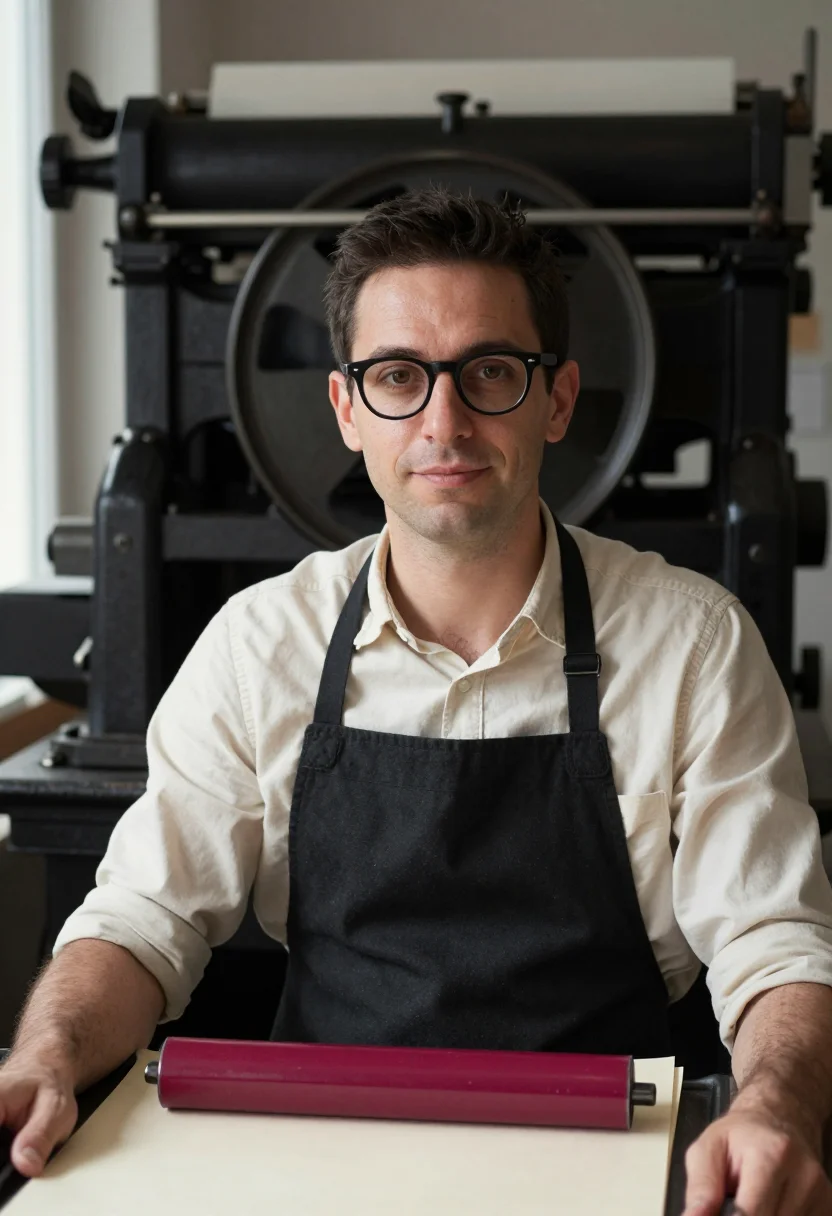
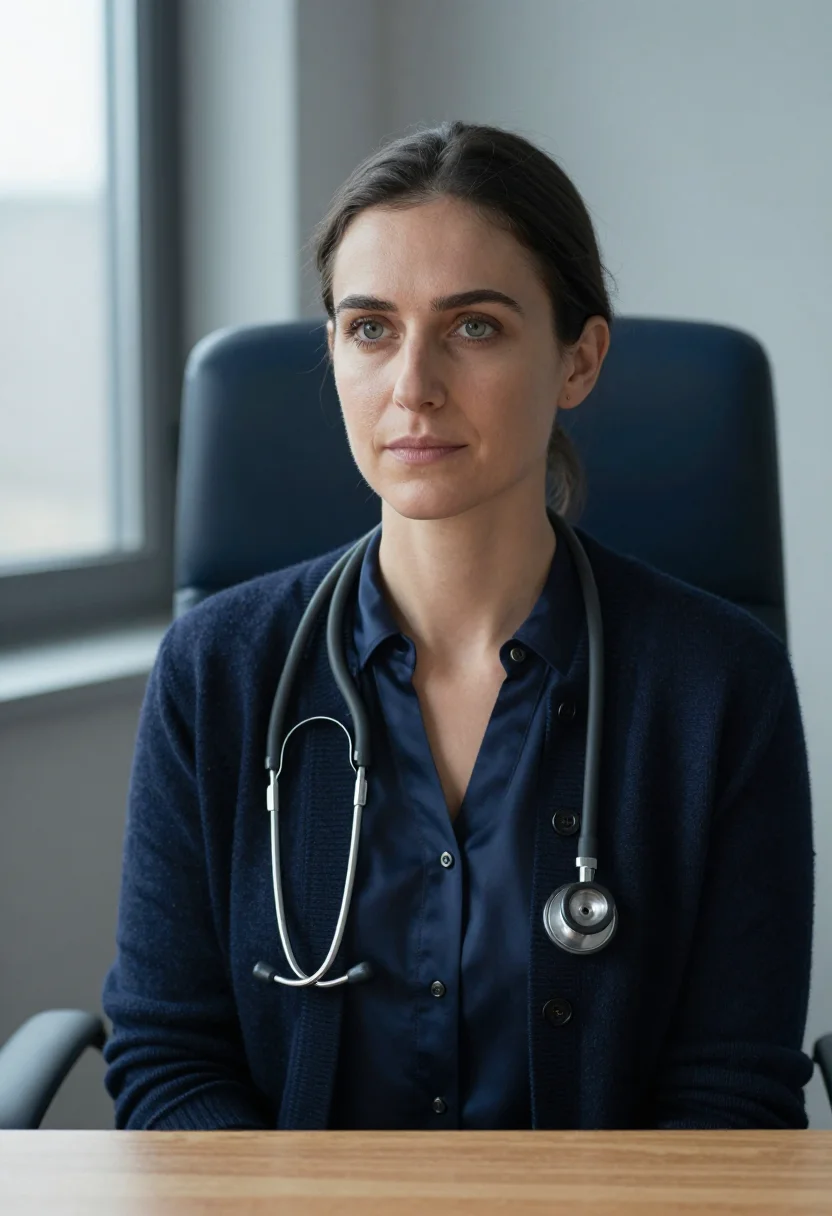
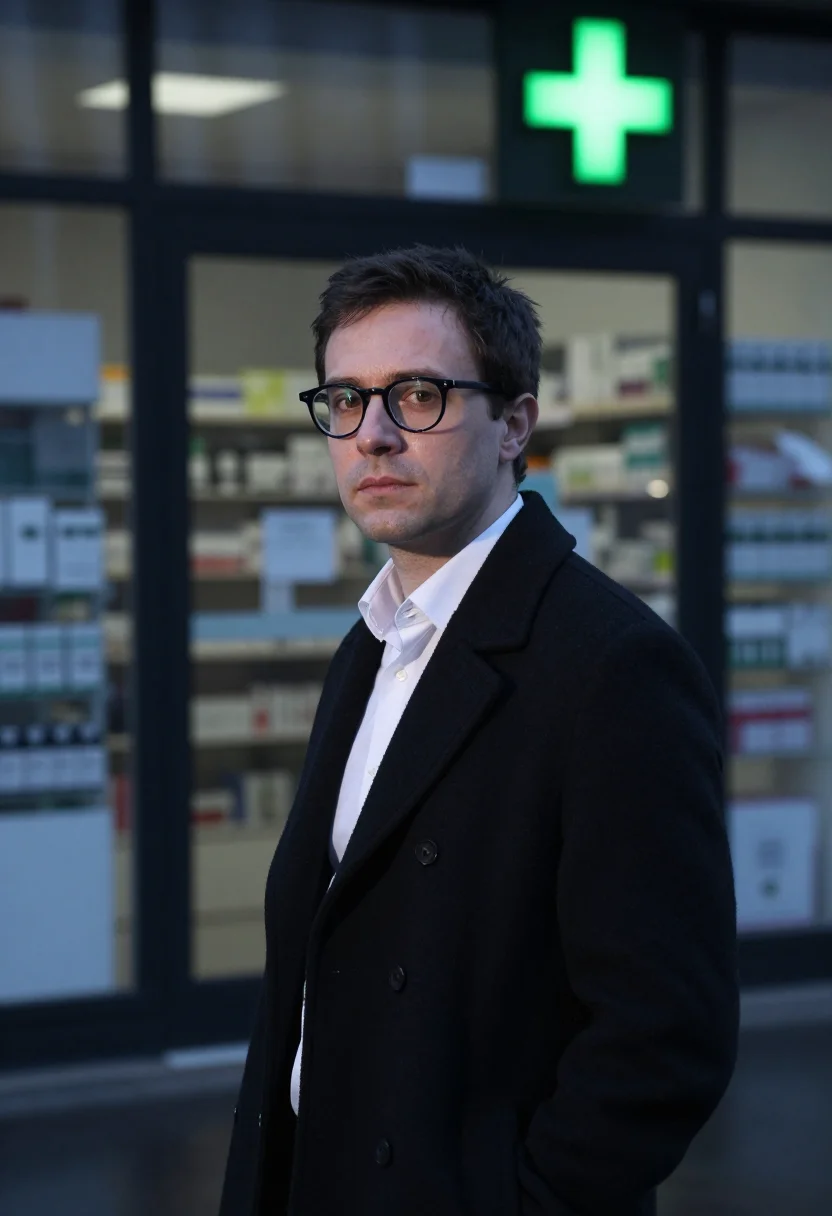
A journalist byline photoshoot. Nine photographs of you, in portrait format. The nine vary in crop, expression and light, so there are real choices, not nine identical files.
/journalist-byline · professional · 3 scenes
AI Journalist Byline Photo
More like this
one model wears them all →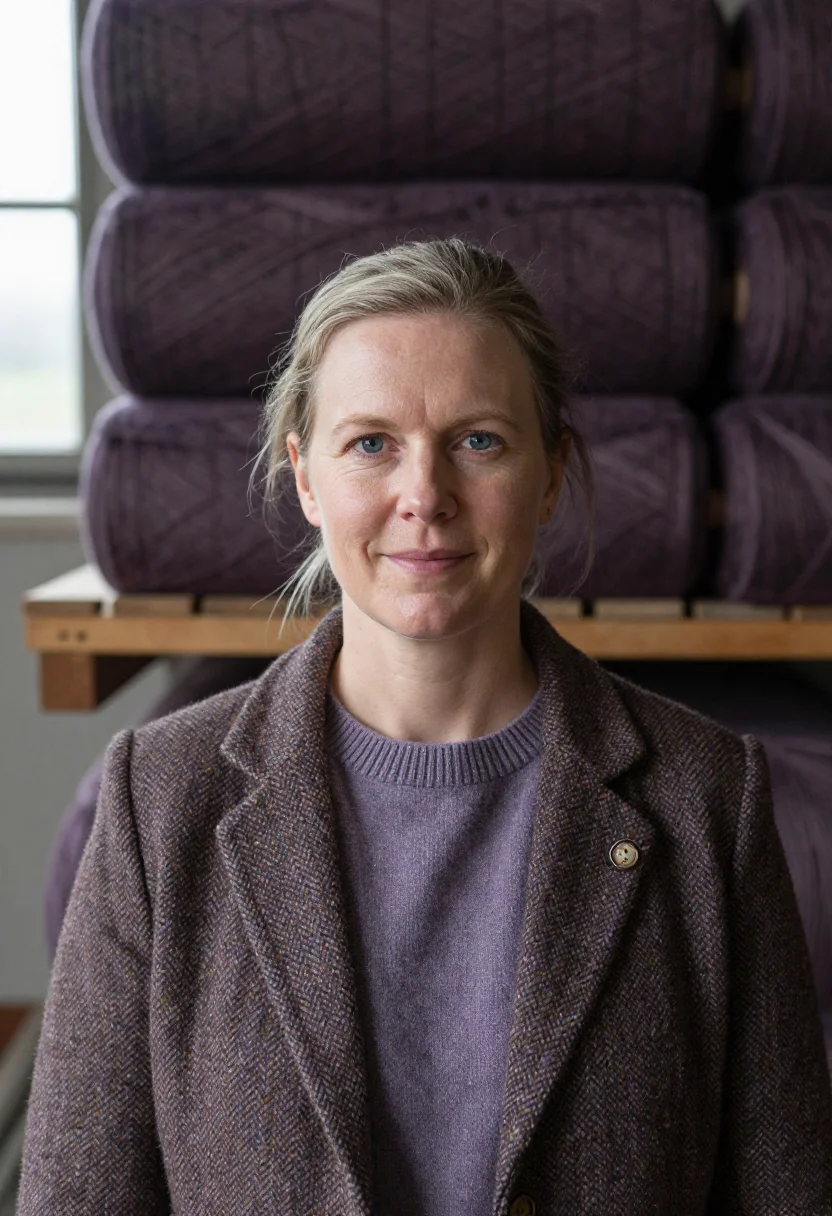
all 9 photos in this pack ↓


How it works
Three steps.
1
Add your photos
Add photos of yourself. We check each one when you add it.
2
We create your model
We create your AI model from your photos. Your photos are ready in a few hours.
3
Every pack, with your face
This pack and every other pack on Narcis can then be made with your face, and single photos too.
The byline register
A byline photo sits at the top of the column, in the masthead box, on the contributor page, and beside the staff bio. It does one job: it tells the reader a real person reported this. The register is working-press, not corporate executive and not literary author — it reads credible, alert, and present rather than polished or composed for a boardroom. That is the brief this pack answers: a journalist headshot, a reporter byline photo, a press-kit portrait.
The three looks are drawn from how newsrooms and press desks actually photograph their reporters: at a working desk with monitors and a notebook in frame, against a clean editorial backdrop for the masthead and the staff page, and in a composed daylight interior that reads as on-assignment rather than studio-staged. The output is photorealistic — no illustration, no painterly effect. What the pack borrows from press photography is the staging, the wardrobe (a crisp Oxford collar, a half-zip merino, a structured navy blazer, a field jacket with a press lanyard), and the cool, even, directional light that reads as a newsroom rather than a glamour studio. The result is a photograph of you, lit and staged the way a publication photographs the people whose names run above the fold.
How to photograph yourself for a byline photo
Better source photos make better portraits.
- Even, soft daylightStand near a window with indirect light on your face. Overhead bulbs and phone flash flatten the face; a byline photo reads best in the cool, even light a newsroom actually uses.
- Front or three-quarter angle, at eye levelLook at the lens or just past it, the way you would look at someone you are interviewing. No selfie-stick uplook, no overhead angle.
- A plain wall behind youA clean, uncluttered background lets the AI focus on your face instead of working around a busy backdrop. A desk or monitor softly out of focus also reads as press context.
- An alert, level expressionNot a broad smile, not a formal pose. The byline register is composed and credible — the look of someone mid-conversation, paying attention.
- A collared shirt or structured layer if you have oneThe pack renders an Oxford collar, a half-zip merino, and a structured blazer. The closer your source photo is to that register, the sharper the result.
Frequently asked questions
- What does the output actually look like — is it photorealistic?
- Photorealistic. The pack does not produce illustrations or paintings — the output is a photograph of you, staged in a press environment: a working newsroom desk, a clean editorial backdrop, a composed daylight interior. What it borrows from press photography is the staging, the wardrobe, and the cool, even light — not a style that reads as artificial.
- Can I use this as my byline or contributor-page photo?
- Yes — that is the primary intent. The output is portrait-ratio, high-resolution, and delivered without watermark or logo. Publications accept it the same way they accept any delivered JPEG. If your editor has a specific crop, pick the portrait from the nine that fits best before submitting.
- Will it work for a press kit or a freelance pitch email?
- Yes. The clean-backdrop look in this pack is built for exactly that — a neutral, credible headshot that drops into a media kit, a rate card, or a pitch email without looking out of place next to a publication's visual identity. Nine options give you a few crops to choose from.
- How is this different from the Author Headshot or LinkedIn Headshots pack?
- Different register. The Author Headshot pack is literary — warm studies, book-jacket staging, the look of a novelist. LinkedIn Headshots is corporate — neutral studio, business-casual, the look of an executive. This pack is working-press: newsroom desks, editorial backdrops, the alert and credible look of a reporter whose name runs above the fold. If you want the literary or the corporate register instead, those two packs are the better fit.
- Is the output safe to use commercially?
- Yes. The output is yours. See the terms for the full scope of permitted use.
- Will the photos look like me?
- Every photo looks like you, well photographed. If one is nearly right, say what to change, in your own words.
- Do I have to write a prompt?
- No. There is nothing to write: you pick a pack, and it is ready in seconds.
- How many photos of myself do I add?
- Between six and twenty, from different days and in different light, with your face clear. We check each one when you add it.
- What happens to the photos I add?
- They are used only to create your model, on our own servers in the European Union. They are not shared and not sold.
When the byline photo pack fits
- For a staff reporter or columnist byline photo at the top of an article or column
- For a newspaper, magazine, or news-site contributor and staff-bio page portrait
- For a freelance journalist's pitch email, media kit, or rate-card headshot
- For a press kit or media bio used across interviews, panels, and republished pieces
- For a correspondent or editor profile on a publication's masthead or about page
- For a substack or independent-newsletter masthead where the byline photo is the trust signal
- For a press-pass, accreditation, or conference-speaker profile that needs a credible headshot
- For a LinkedIn or professional profile where you want to read as working press rather than corporate
- As a replacement for a cropped event snapshot currently standing in for a real byline photo
About narcis
Most AI photo tools put every pose, job, era, and style in one giant catalog. The photos all look like every other AI photo on the internet — a glaze over a stock face. Narcis goes the other way. One job: photos of you that look like photographs. You add at least 6 photos of yourself, and we create your AI model from them. Your photos are ready in a few hours, and we email you when they are. Then this pack and every other pack on Narcis can be made with your face. Each pack is curated against real references — paintings, photographers, places — and tested on real faces before it goes live. Built and run by one small team, on our own servers.
All images are AI-generated. By using this service, you confirm you are 18+, that any face photo you upload is your own or used with explicit consent. Full Terms