AI Software Engineer Headshot Generator — Nine Photos From Your Own Model
See Your Free Preview in Seconds, Before You Pay
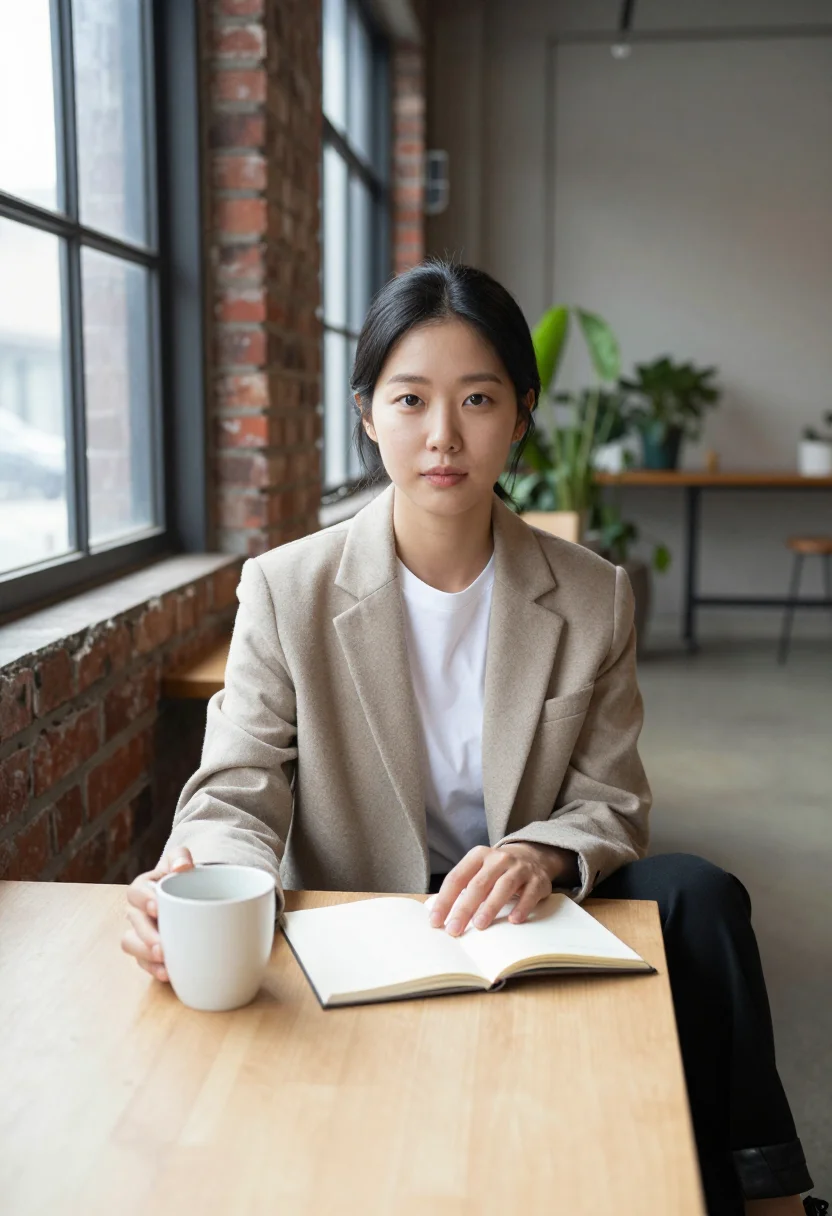
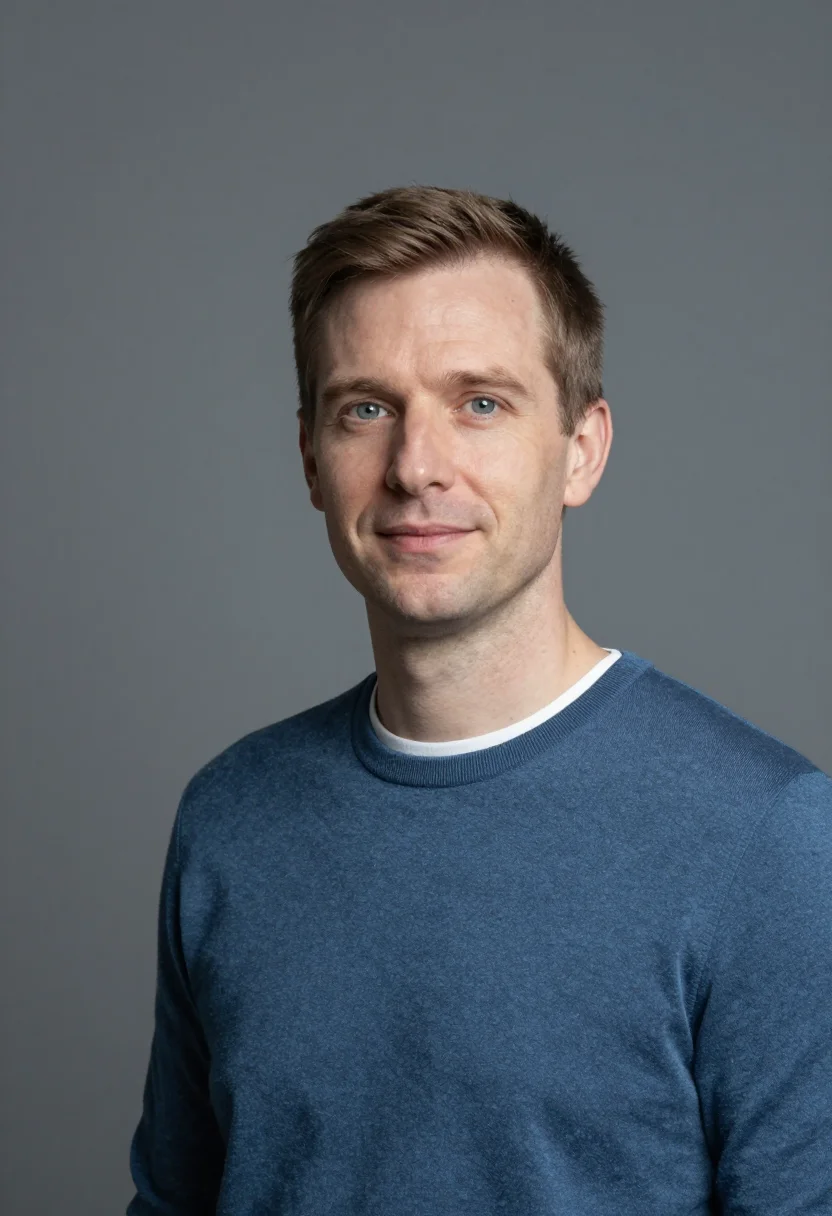
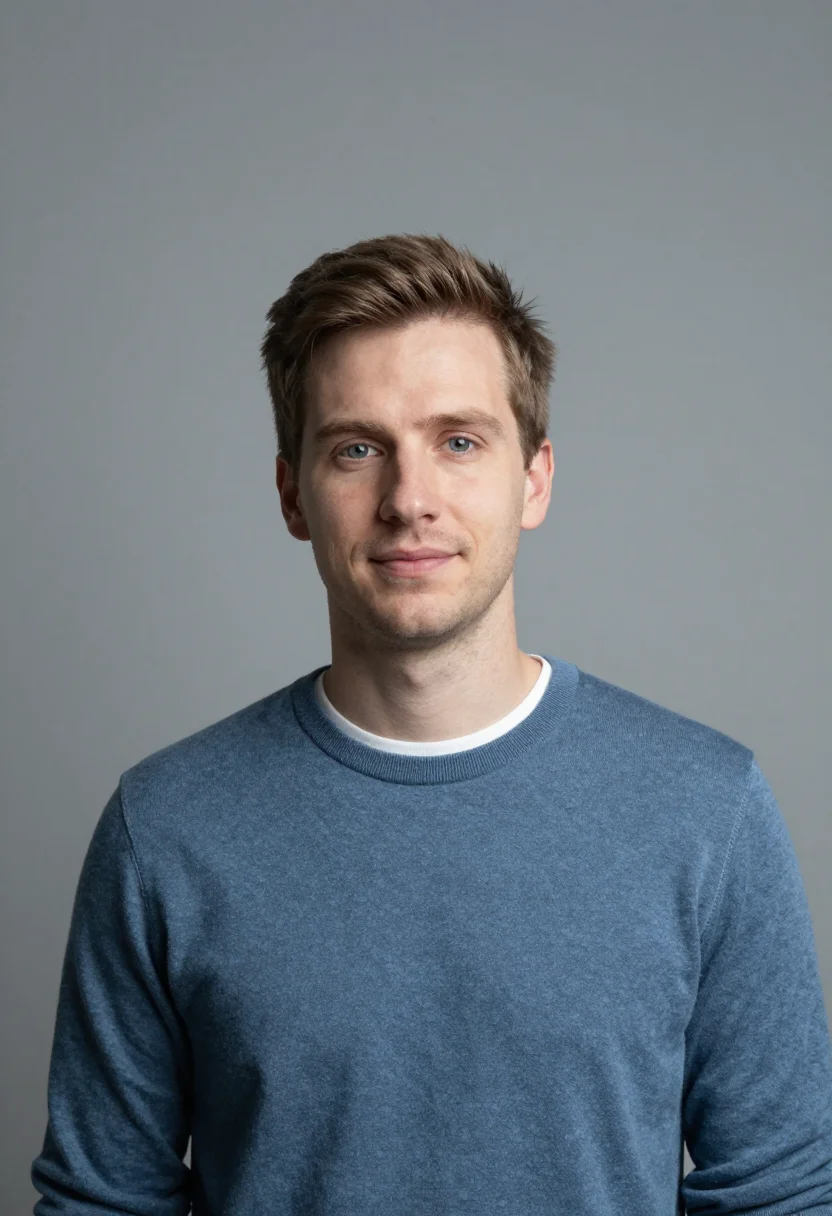
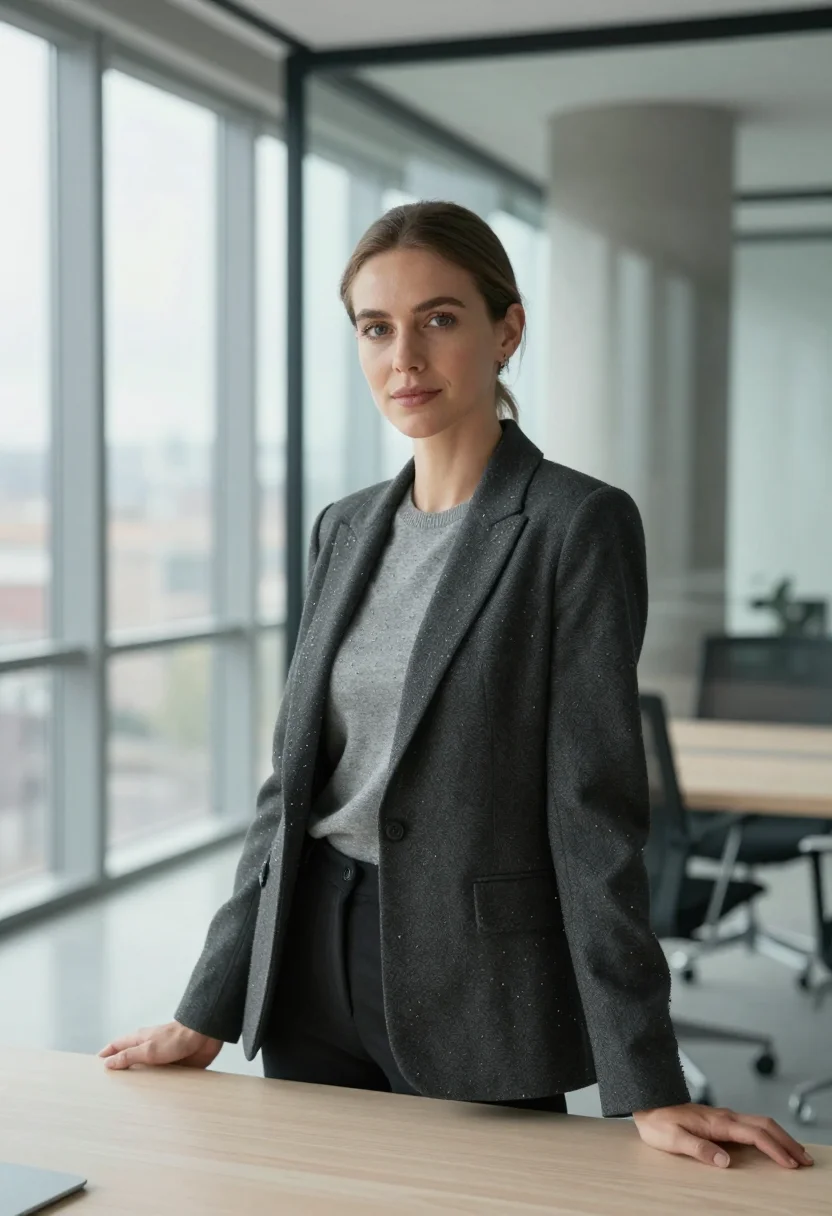
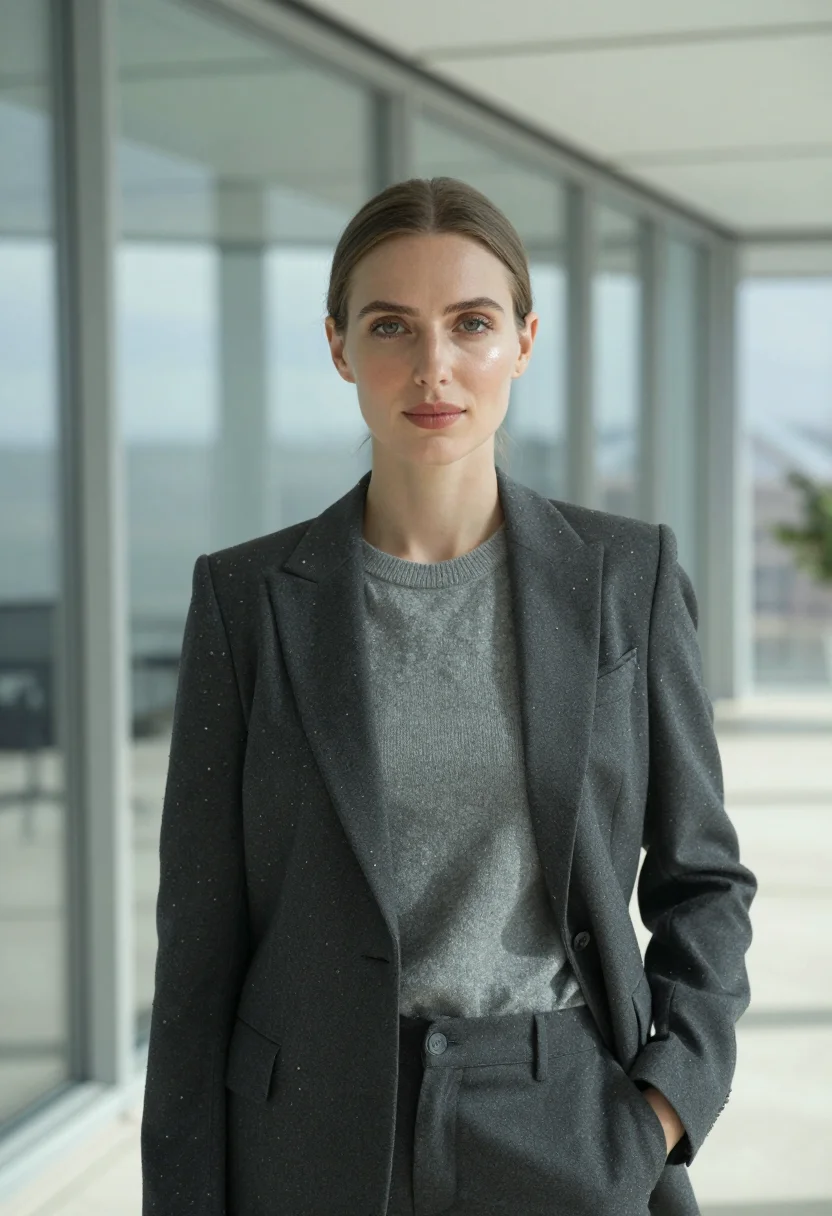
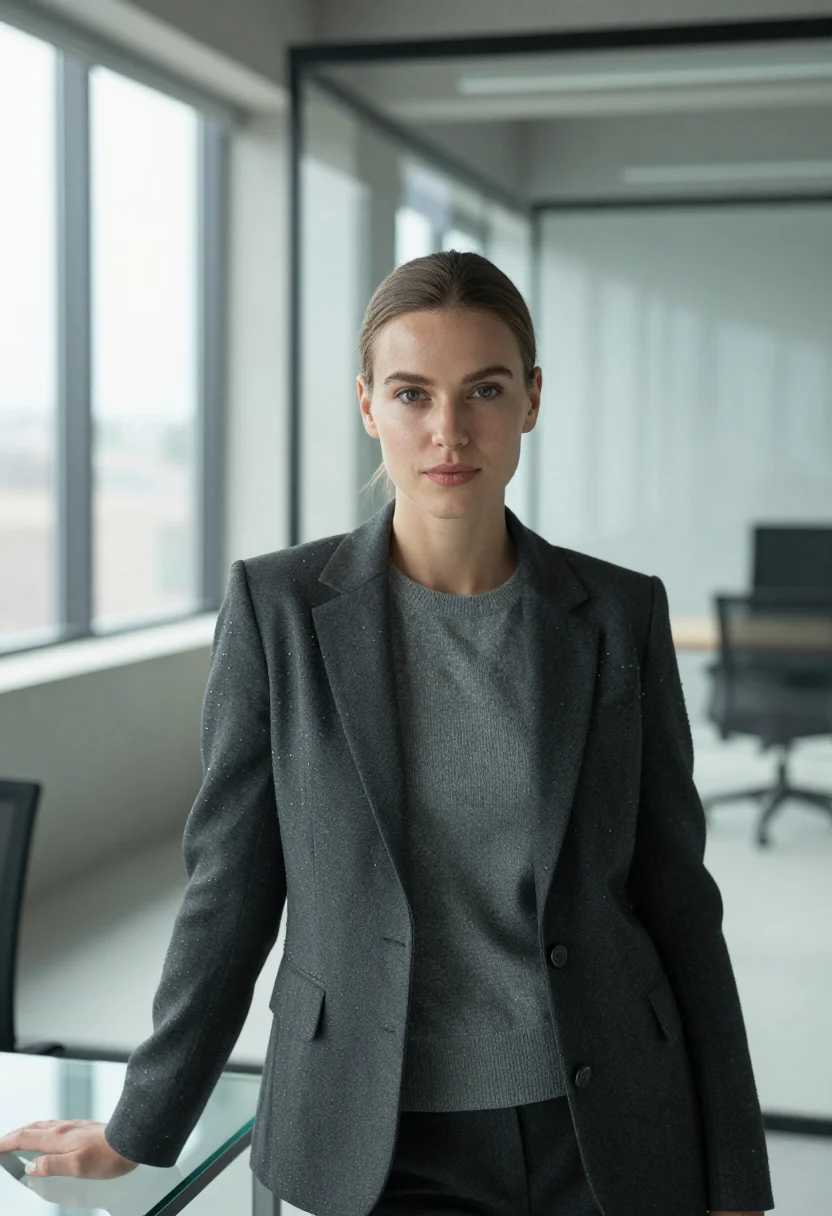
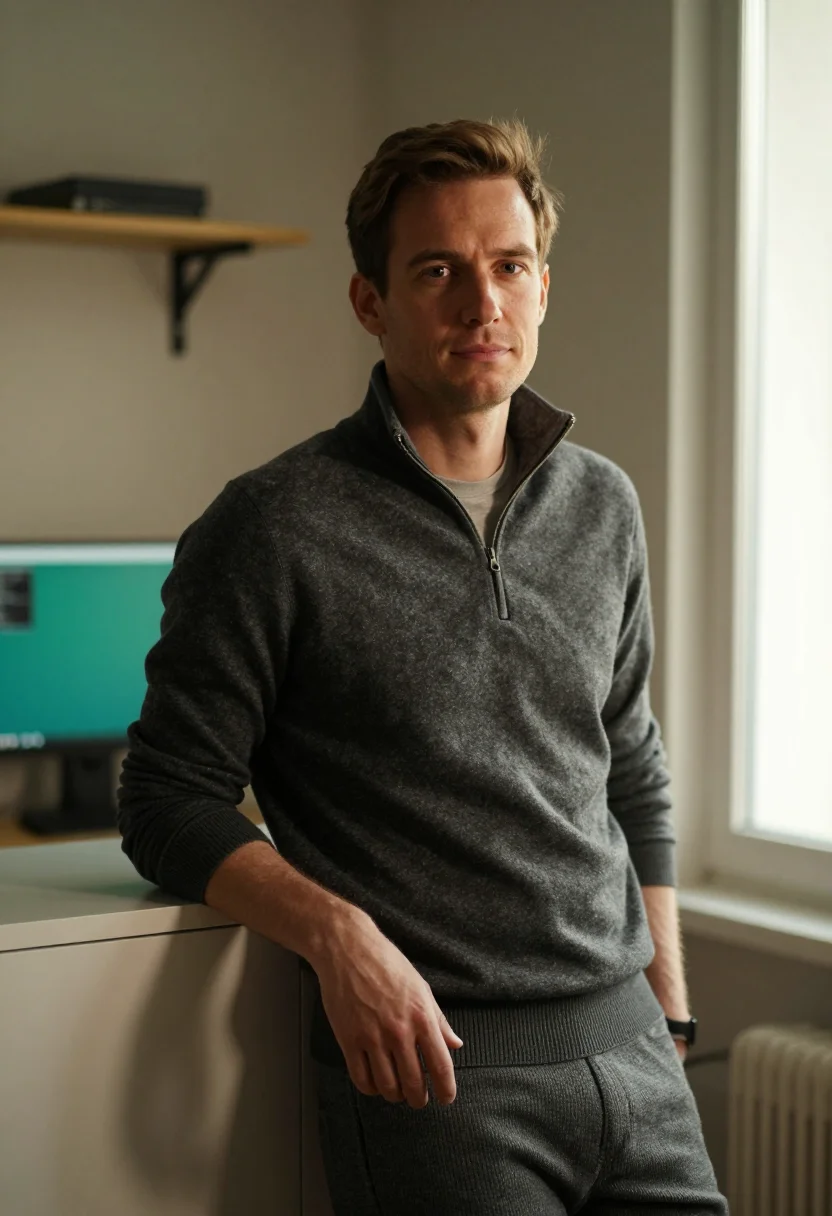
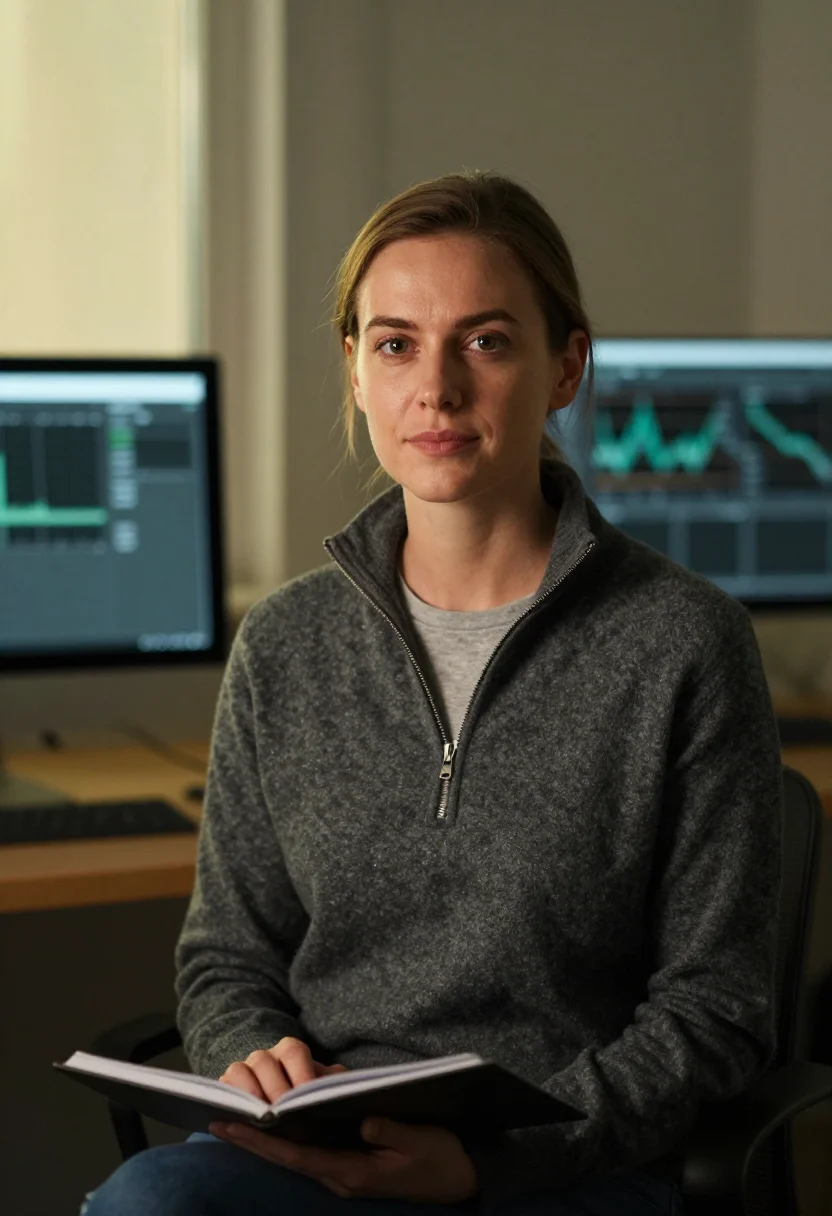
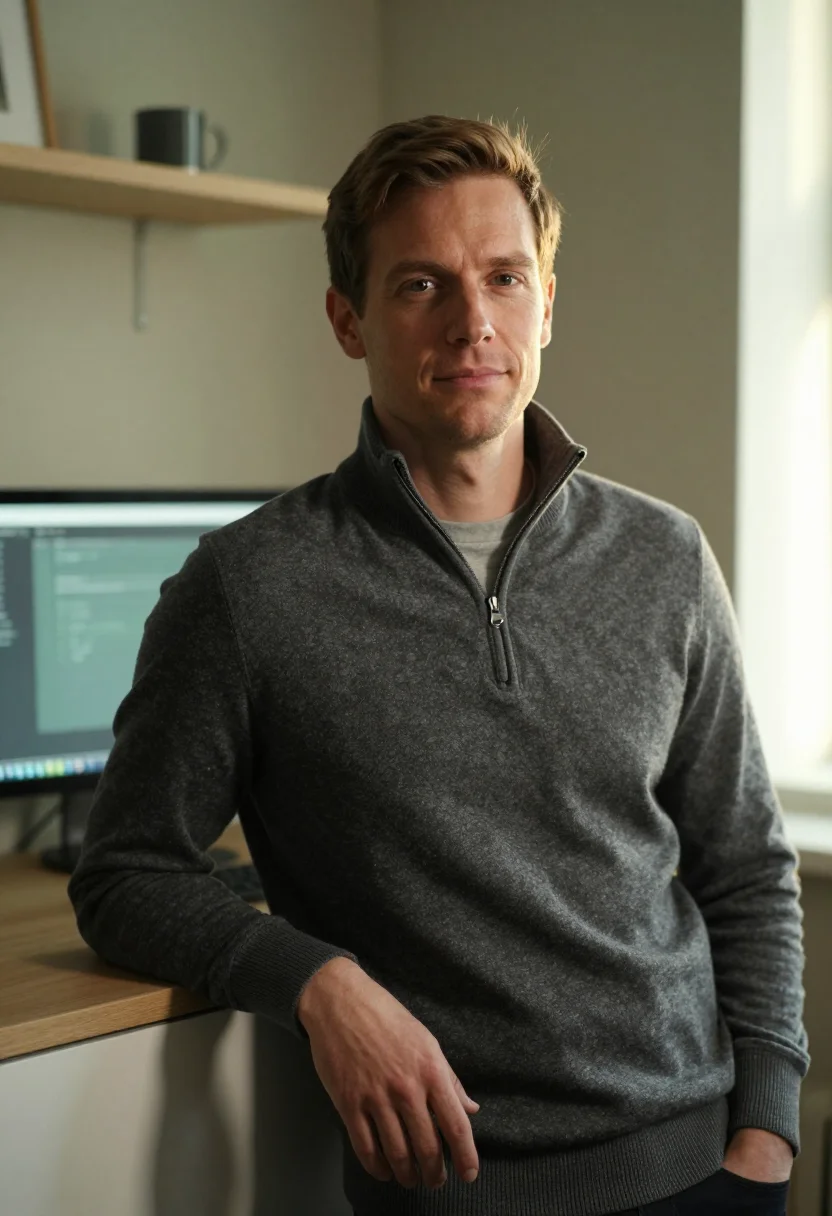
Nine Software Engineer Headshot from Your Trained Model
Studio-Quality Results Without a Studio Visit
Narcis generates a free preview of your software engineer headshot from one uploaded photo. The preview streams in seconds — a quick sketch, close but not you yet. If you like it, you train your model on 12–20 photos of yourself; training runs in the background, and we email you when it is ready. From then on, the full pack of nine — €9,99 — and every other pack and the portrait studio all render from that one model.
The pack is nine professional software engineer headshot rendered in portrait aspect ratio (2:3) — the shape LinkedIn banners, CVs, and print profiles actually use. Each image shows varied crops, expressions, and light angles so you have real choices, not nine identical files.
Preview photos are processed on European servers. Training photos train only your model — delete your model and they go with it. We do not share your photos with third parties.
/software-engineer-headshot · professional · 3 scenes
A headshot that reads 'engineer', not 'sales'
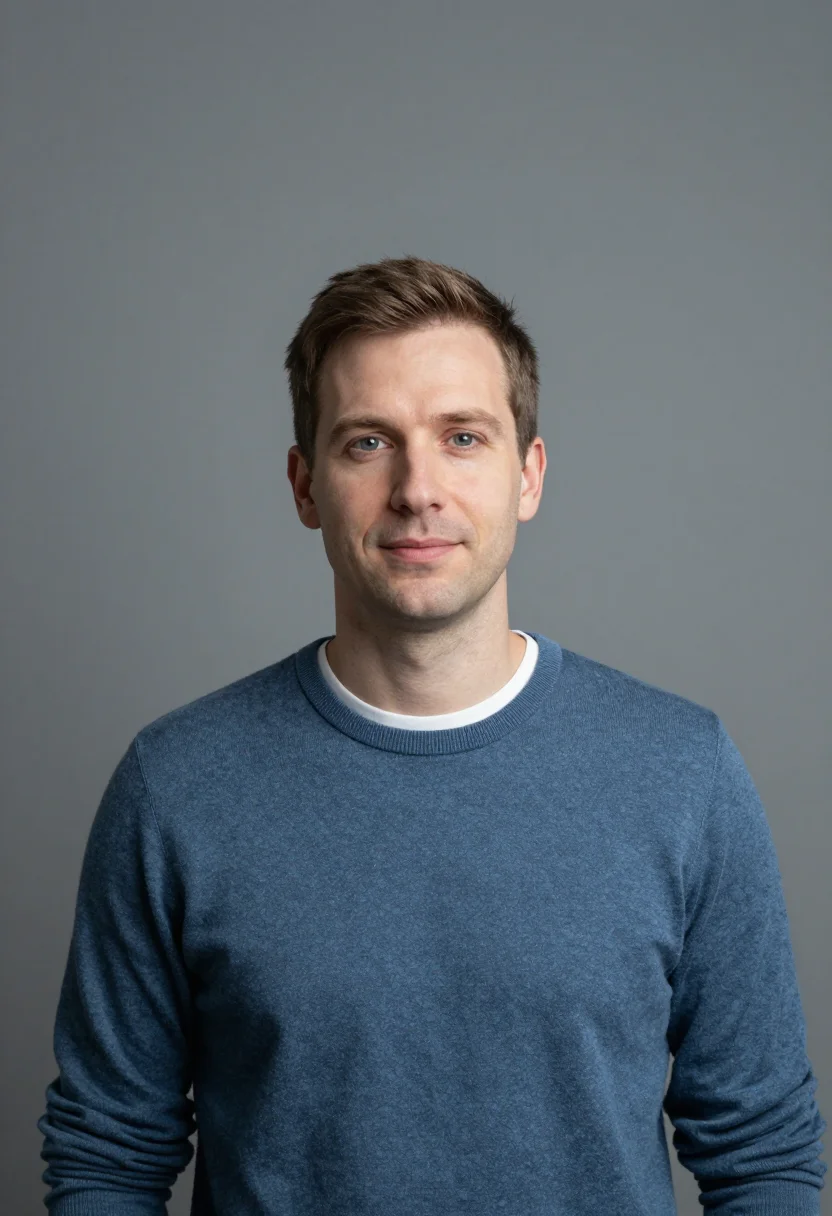
More like this
one model wears them all →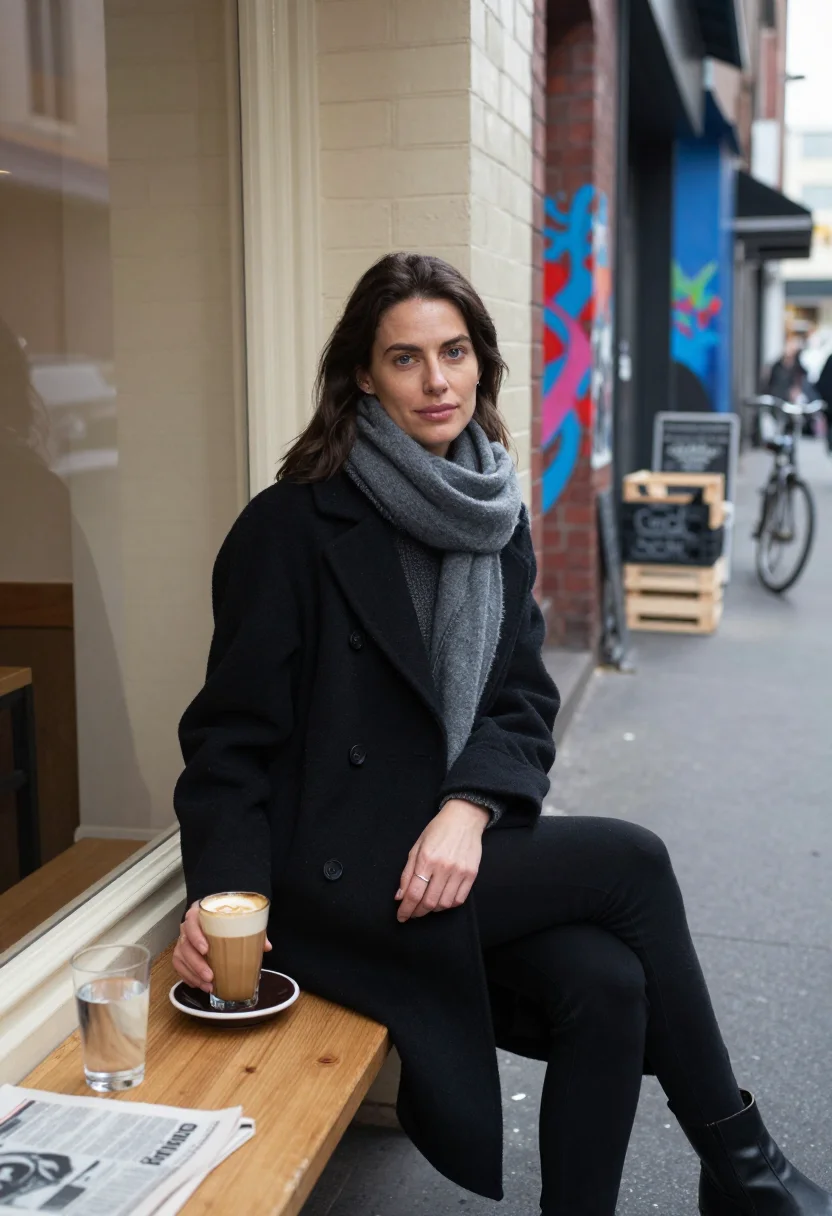
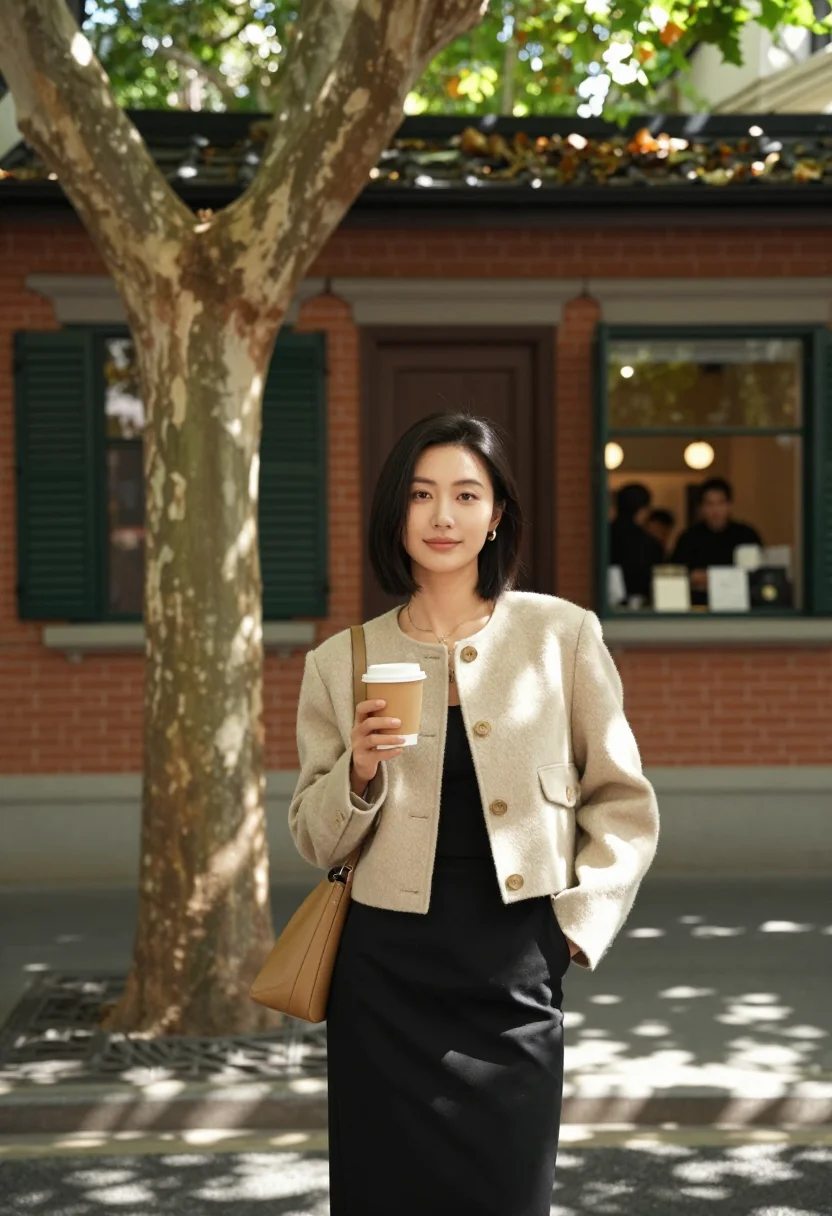
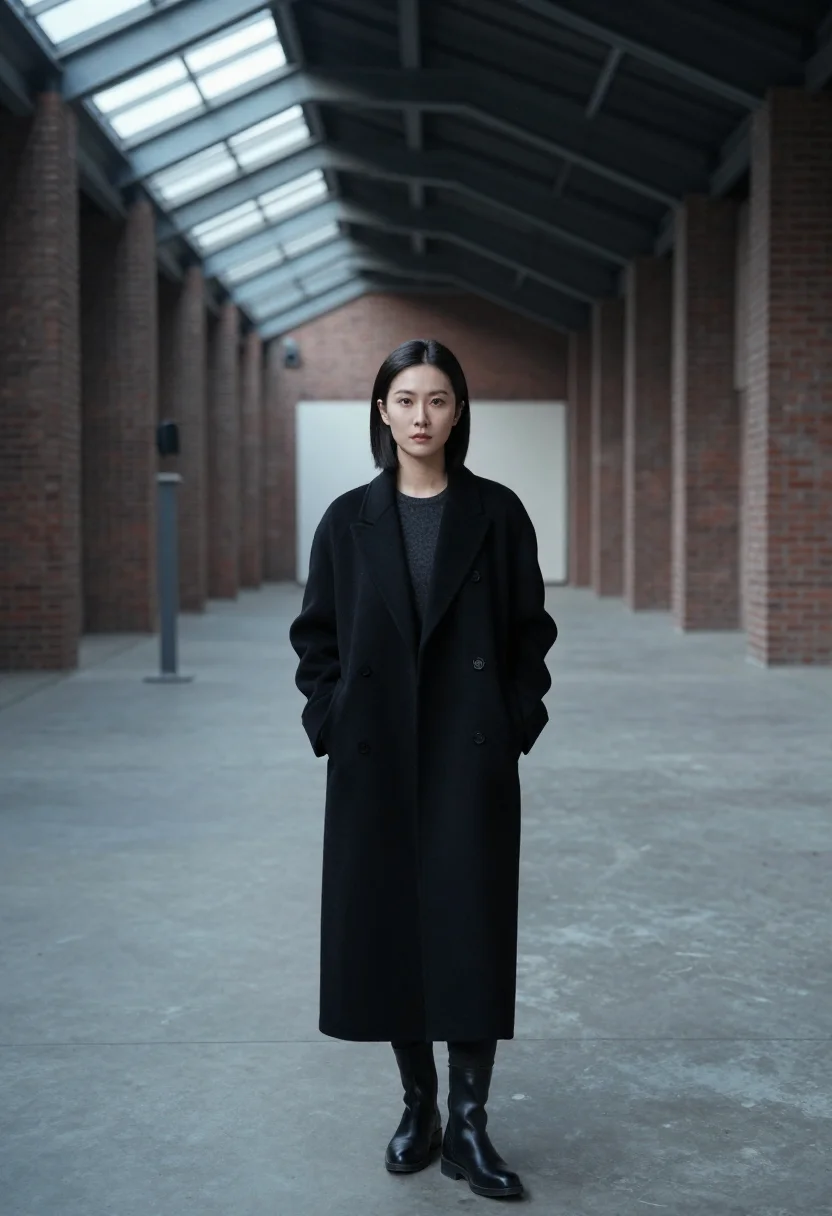
all 9 looks — from one photo ↓
How it works
Three steps. Upload, preview, deliver.
1
Drop a selfie
Your free preview streams in seconds — a quick sketch: close, not you yet.
2
Train your model
Add 12–20 photos of yourself. Your model trains in the background — safe to leave, we email you when it's ready.
3
Nine portraits, truly you
Every shot renders from your model in about ten seconds — this pack, every other pack, and the Studio. €9,99 one-time.
The software-engineer headshot register
A generic AI headshot generator gives everyone the same thing: a grey backdrop, a navy blazer, a corporate smile. That photo reads fine for a sales director and slightly wrong for someone who writes software. The software-engineer register is a real headshot — clean, professional, the kind you put on a LinkedIn profile or a company team page — but staged for the way engineers actually present: smart-casual over a suit, a tech-office or studio setting, an expression that reads competent rather than salesy.
The output is a photograph of you, not an illustration and not a filter. Three registers cover where an engineer's headshot actually has to work. The neutral studio is the safe default: a cool-grey seamless backdrop, balanced soft light, a fine-merino crewneck or knit shell — it crops cleanly to a circle and prints well at small sizes, the photo for a LinkedIn profile or a conference-speaker bio. The glass-walled tech office moves you into context: floor-to-ceiling windows, pale concrete, daylight off the glass — a headshot that says 'works in tech' without a logo in frame. The standup corner is the warmest: window light, a planted shelf softly defocused behind, a half-zip pullover — a team-page photo that reads as a real person at a real desk.
Photographically this means half-length and head-and-shoulders framing, soft directional light from a single broad source, a small catchlight in each eye and a specular sheen on the cheekbone so the skin reads alive, and a background graded a shade off the subject so the figure lifts by tone. No harsh fill, no blown-out backdrop, no forced grin. The wardrobe is considered but not corporate — the clothes an engineer wears when they care how they look without pretending to be in finance.
If you want the full corporate-formal headshot — suit, tie, neutral studio for a banking or legal context — the LinkedIn Headshots pack is the better fit. If you want a casual GitHub avatar rather than a headshot, the GitHub Profile Picture pack covers that ground. This pack sits between them: a real professional headshot, calibrated for the tech register.
How to photograph yourself for a software-engineer headshot
Better source photos make better headshots. The pack works with imperfect inputs — the free preview tells you in seconds — but a few things help.
- Soft window light, camera at eye levelIndirect daylight from a window to one side is ideal. Avoid your webcam's built-in light and overhead office bulbs — both flatten the face. Hold the camera at eye level, not angled up from a laptop.
- Front or three-quarter angleFace the lens straight on or turn a quarter toward it. No selfie-stick uplook, no overhead. The pack renders head-and-shoulders and half-length crops, so fill the frame with your face and upper body.
- Plain backgroundA plain wall or a softly out-of-focus desk works. The AI anchors on your face and replaces the background with the pack's studio and office settings. A background with other people in it makes the face harder to isolate.
- A composed, competent expressionLook at the lens with a relaxed, level expression — not a posed sales smile, not a flat stare. Think about how you look when you're explaining a problem you understand well.
- Smart casual or above in the sourceThe pack renders fine knit, a blazer, a half-zip pullover. A source photo already in that register sharpens the result. Upload two or three photos from slightly different angles if you have them.
Frequently asked questions
- What's the difference between the free preview and the paid pack?
- The preview is one headshot generated from your uploaded photo, shown live in seconds so you can judge the likeness before you commit to anything. The paid pack is nine photos across three registers — neutral studio, glass-walled office, standup corner — with different crops, angles, and light. €9,99 one-time, once your model is trained — 12–20 photos, and we email you when your model is ready — about ten seconds a portrait.
- Is the output photorealistic or AI-looking?
- Photorealistic. The output is a photograph of you, staged in tech-appropriate settings — a cool-grey studio backdrop, a glass-walled office with daylight, or a softly lit standup corner. There are no filters, illustrations, or heavy stylistic treatments. It reads like a photo a good photographer took of you, not an AI render.
- Can I use this as my LinkedIn headshot?
- Yes — that's the primary use. The neutral-studio register in particular is calibrated for LinkedIn: clean backdrop, balanced light, smart-casual wardrobe, an expression that reads competent and approachable. It crops cleanly to the circular LinkedIn frame and reads well at small sizes.
- How is this different from a generic AI headshot generator?
- Most AI headshot generators ship one register — neutral studio, business-casual blazer, the LinkedIn-optimised default that's the same for a sales director and a backend engineer. This pack is calibrated for the tech register: smart-casual over a suit, tech-office and studio settings, a competent rather than salesy expression. Your face is the anchor; the staging is tuned for where engineers' headshots actually appear.
- I want a formal corporate headshot in a suit. Is this the right pack?
- Honest answer: not quite. This pack is calibrated for the tech register — fine knit, a blazer at most, tech-office and studio settings. If you need a full business-formal headshot in a suit and tie for a banking, legal, or executive context, the LinkedIn Headshots pack uses that neutral-formal register. If you want a casual GitHub avatar instead of a headshot, the GitHub Profile Picture pack covers that.
- Does it work for a whole engineering team or company team page?
- Yes. Each person uploads one photo and gets nine consistent headshots in the same three registers, so a team page reads as one coherent set rather than a patchwork of selfies and old conference crops. The neutral-studio register is the most consistent choice across a team.
- How is this different from running my photo through Midjourney or Stable Diffusion with a 'tech headshot' prompt?
- Text-to-image tools produce whatever the model associates with the words, which varies unpredictably between runs and often looks AI-generated at a glance. This pack uses three specific curated registers as the visual target — the output is consistent across all nine photos and tuned to where engineer headshots appear: LinkedIn, team pages, speaker bios. Your face stays the anchor.
- Can I use one photo or do I need several?
- One clear, front-facing photo is enough. Two or three from slightly different angles sharpen the likeness. The free preview tells you in seconds whether the likeness is close, before you commit to anything.
- Is the output safe to use commercially — on a company site, in press, on a portfolio?
- Yes. The output is yours. Company team pages, press coverage, portfolio sites, and speaker bios are all permitted uses. See the terms for the full scope.
- What happens to the photo I upload?
- Your preview photo is processed on European servers. Training photos train only your model — delete your model and they go with it.
When the software-engineer headshot fits
- A LinkedIn profile photo that reads 'works in tech' rather than 'works in banking' — professional without the corporate-formal register.
- A company team page, About page, or org chart where an engineer's headshot has to sit next to designers and product managers.
- A conference-speaker bio, technical-talk slide, or meetup credential where the default corporate headshot looks out of place.
- A startup or tech-company team headshot set, where the whole engineering team needs consistent, photographic portraits, each from their own trained model.
- A personal site, portfolio, or dev-blog 'About' photo that needs to read as a real, approachable professional.
- A replacement for a cropped group photo or blurry webcam screenshot currently doing duty as a professional headshot.
- A speaker, podcast-guest, or panel bio in a technical context where a clean, contemporary headshot signals credibility.
About narcis
Most AI portrait tools ship every pose, profession, era, and aesthetic in one giant catalog. The output looks like every other AI photo on the internet — a glaze over a stock face. Narcis goes the other way. One tool, one job: turn photos of you into portraits worth keeping. Drop a selfie and your free preview streams in seconds — a quick sketch: close, not you yet. For portraits that are truly you, train your own model on 12 to 20 photos; it trains in the background, and we email you when it is ready. Train once, render everywhere — this pack, every other pack, and the Studio all come out of that one model, about ten seconds a portrait, and it stays yours to retrain or delete. Each pack is hand-curated against actual references — paintings, photographers, registers — and tested on real faces before it ships. See a free preview before you pay, not after. Packs are one-time — no subscription to buy one; Studio, the unlimited composer, is optional at €12/month and every pack includes 30 days of it. No template generator. Built and run by one team, on our own infrastructure.
All images are AI-generated. By using this service, you confirm you are 18+, that any face photo you upload is your own or used with explicit consent. Full Terms