AI Public Speaker Generator — Nine Photos From Your Own Model
See Your Free Preview in Seconds, Before You Pay
Nine Public Speaker from Your Trained Model
Studio-Quality Results Without a Studio Visit
Narcis generates a free preview of your public speaker from one uploaded photo. The preview streams in seconds — a quick sketch, close but not you yet. If you like it, you train your model on 12–20 photos of yourself; training runs in the background, and we email you when it is ready. From then on, the full pack of nine — €9,99 — and every other pack and the portrait studio all render from that one model.
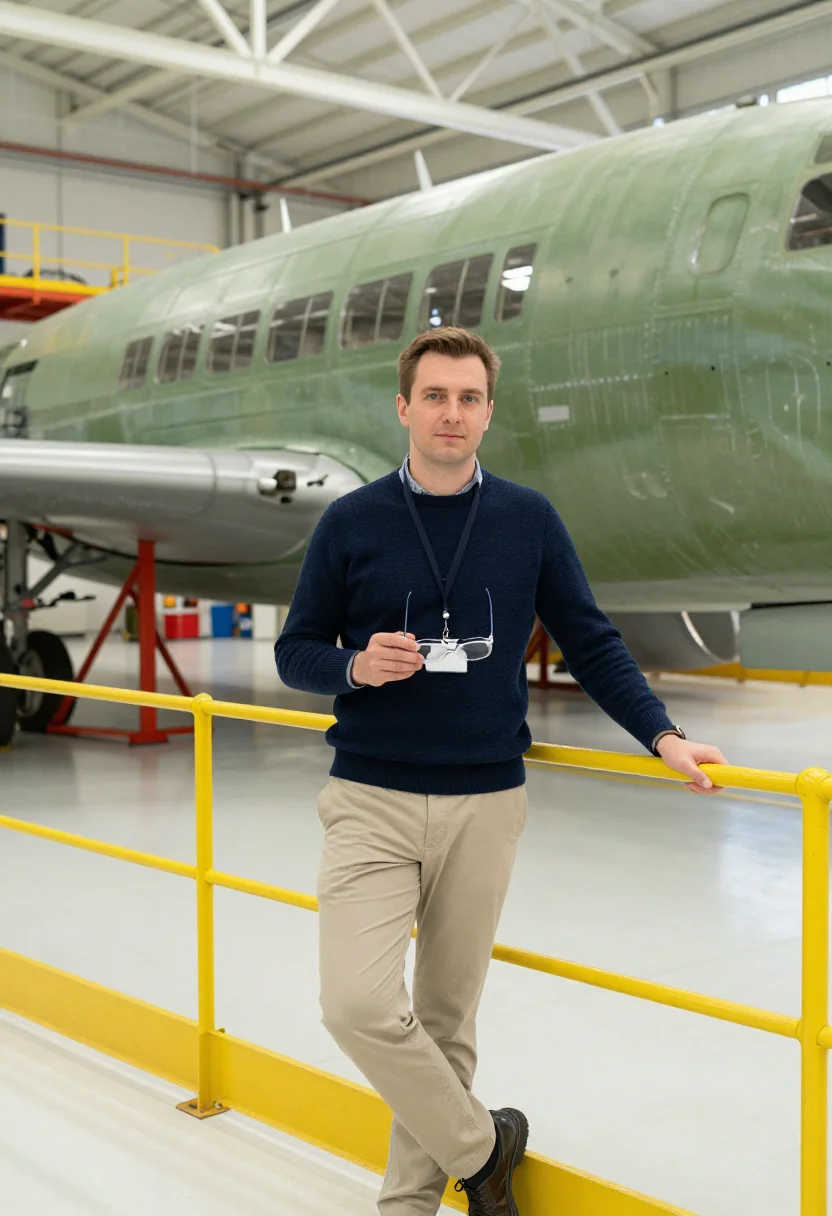
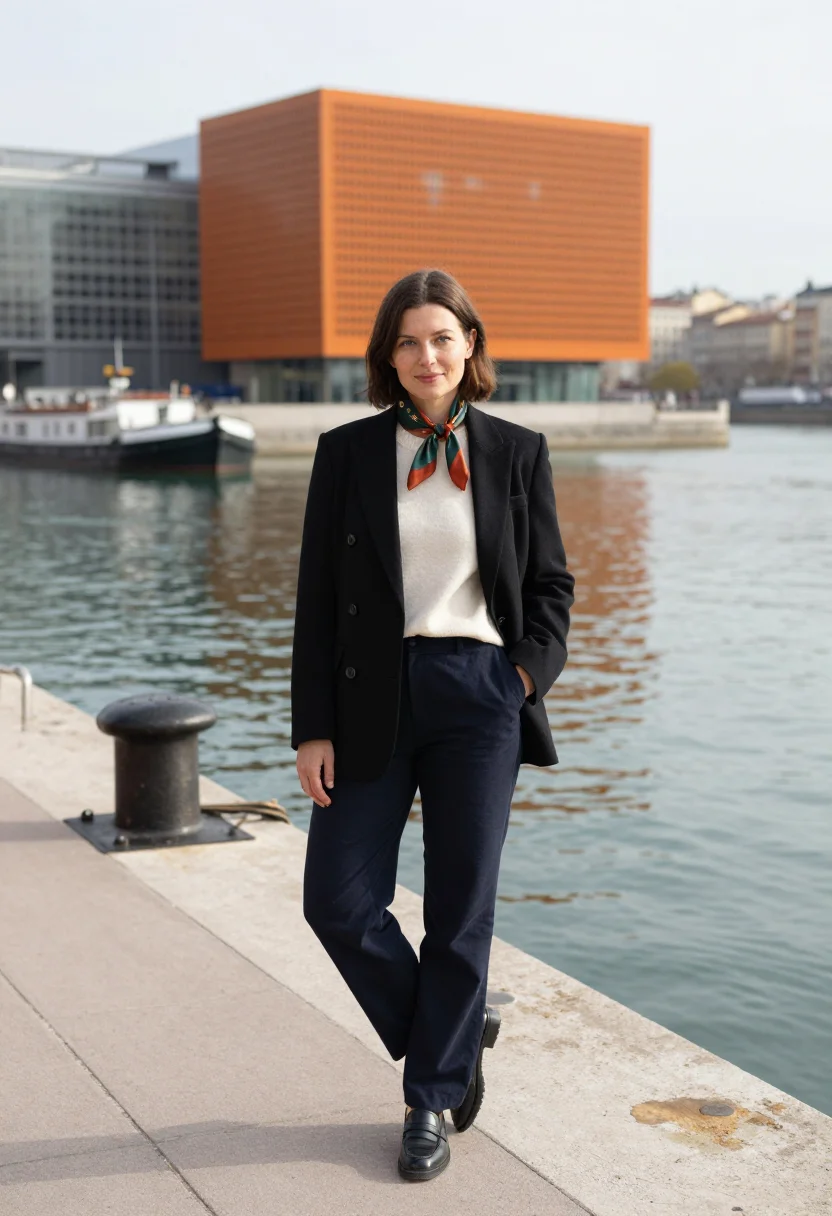
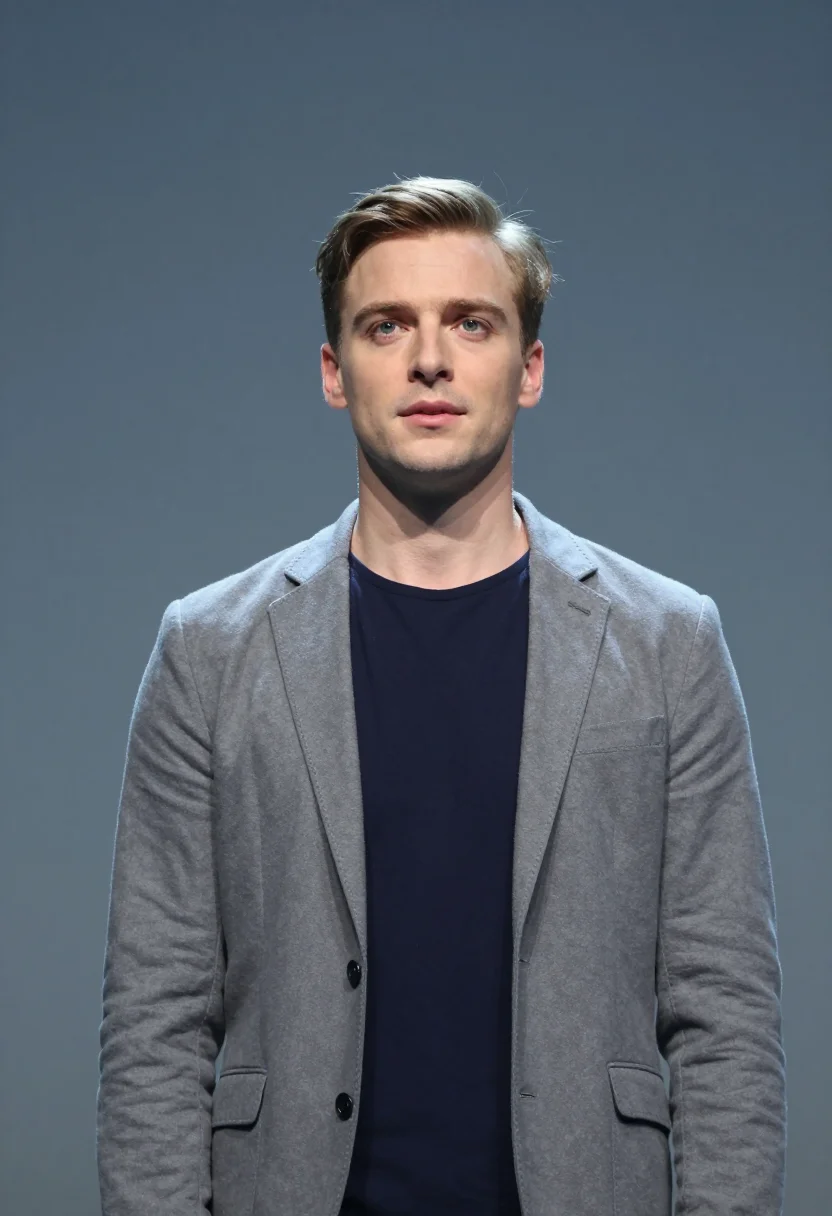
The pack is nine professional public speaker rendered in portrait aspect ratio (2:3) — the shape LinkedIn banners, CVs, and print profiles actually use. Each image shows varied crops, expressions, and light angles so you have real choices, not nine identical files.
Preview photos are processed on European servers. Training photos train only your model — delete your model and they go with it. We do not share your photos with third parties.
/public-speaker · professional · 3 scenes
AI Public Speaker Headshot
More like this
one model wears them all →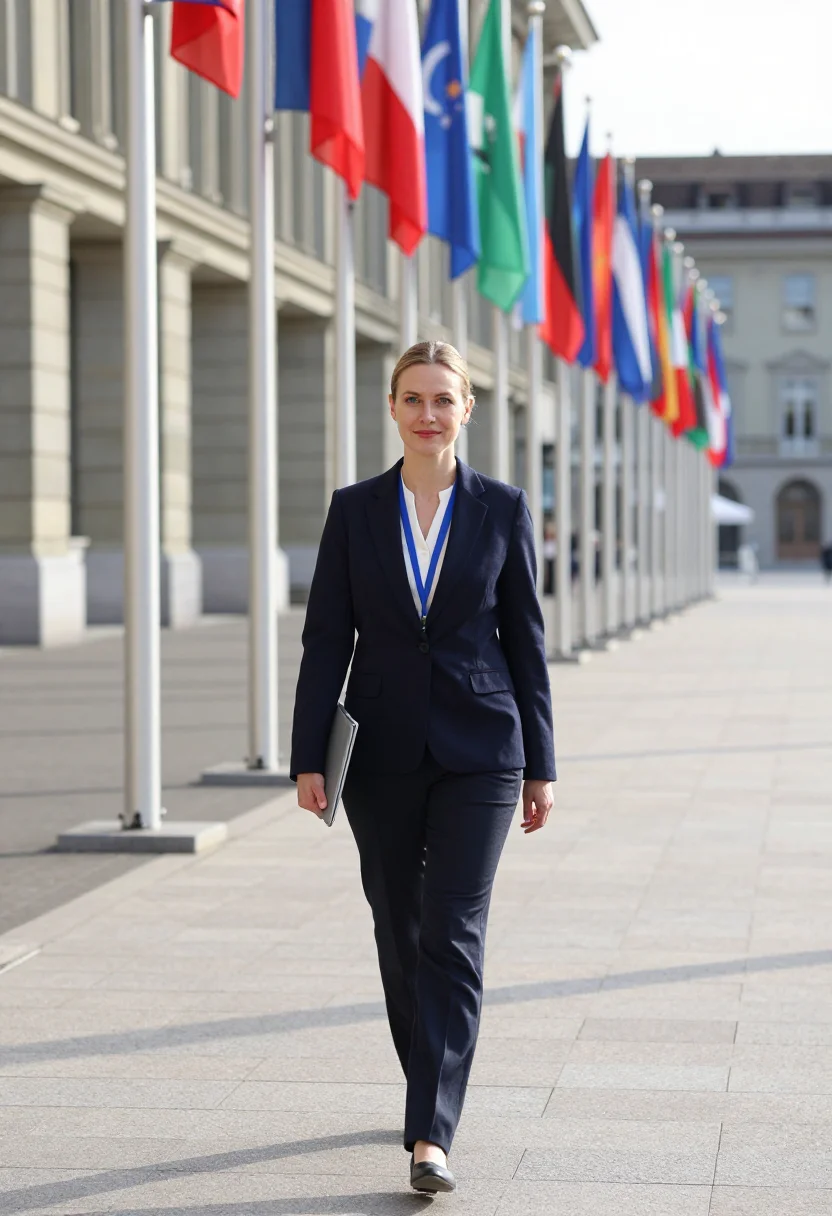
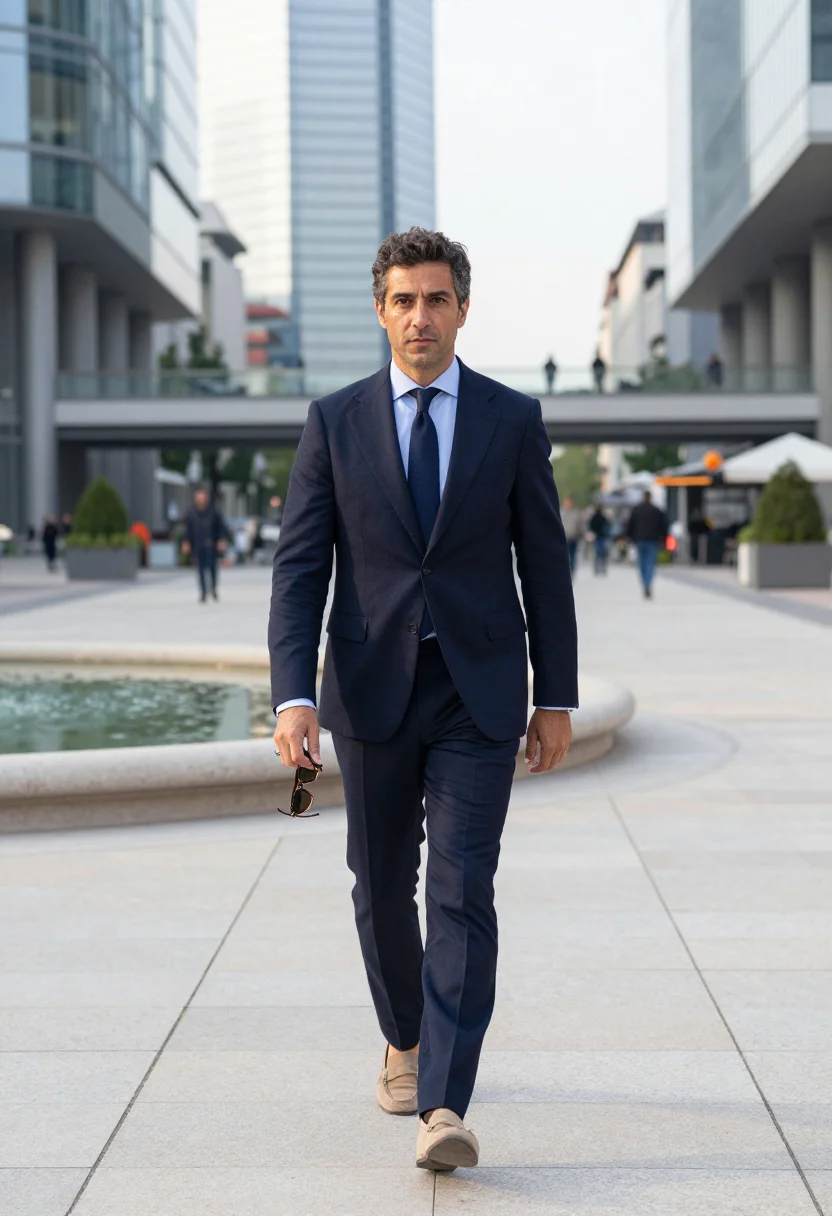
all 9 looks — from one photo ↓
How it works
Three steps. Upload, preview, deliver.
1
Drop a selfie
Your free preview streams in seconds — a quick sketch: close, not you yet.
2
Train your model
Add 12–20 photos of yourself. Your model trains in the background — safe to leave, we email you when it's ready.
3
Nine portraits, truly you
Every shot renders from your model in about ten seconds — this pack, every other pack, and the Studio. €9,99 one-time.
The public speaker register
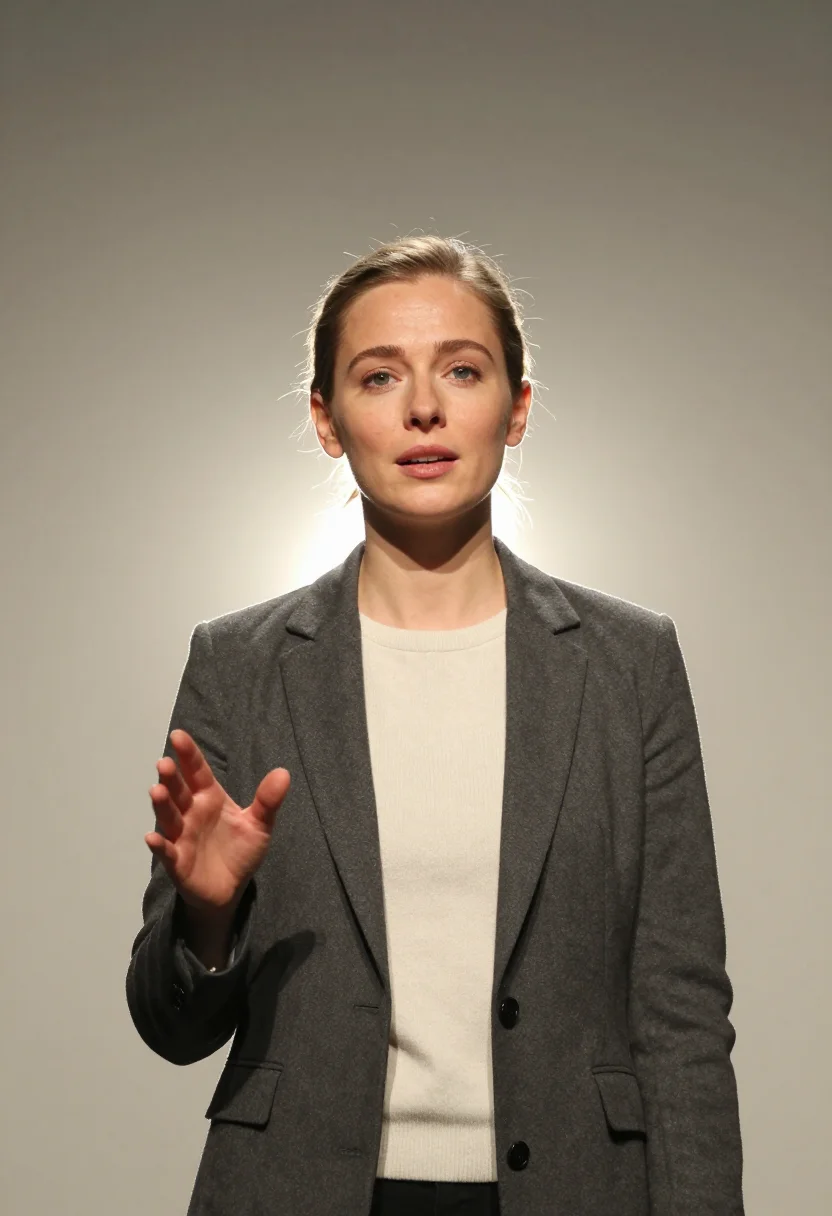
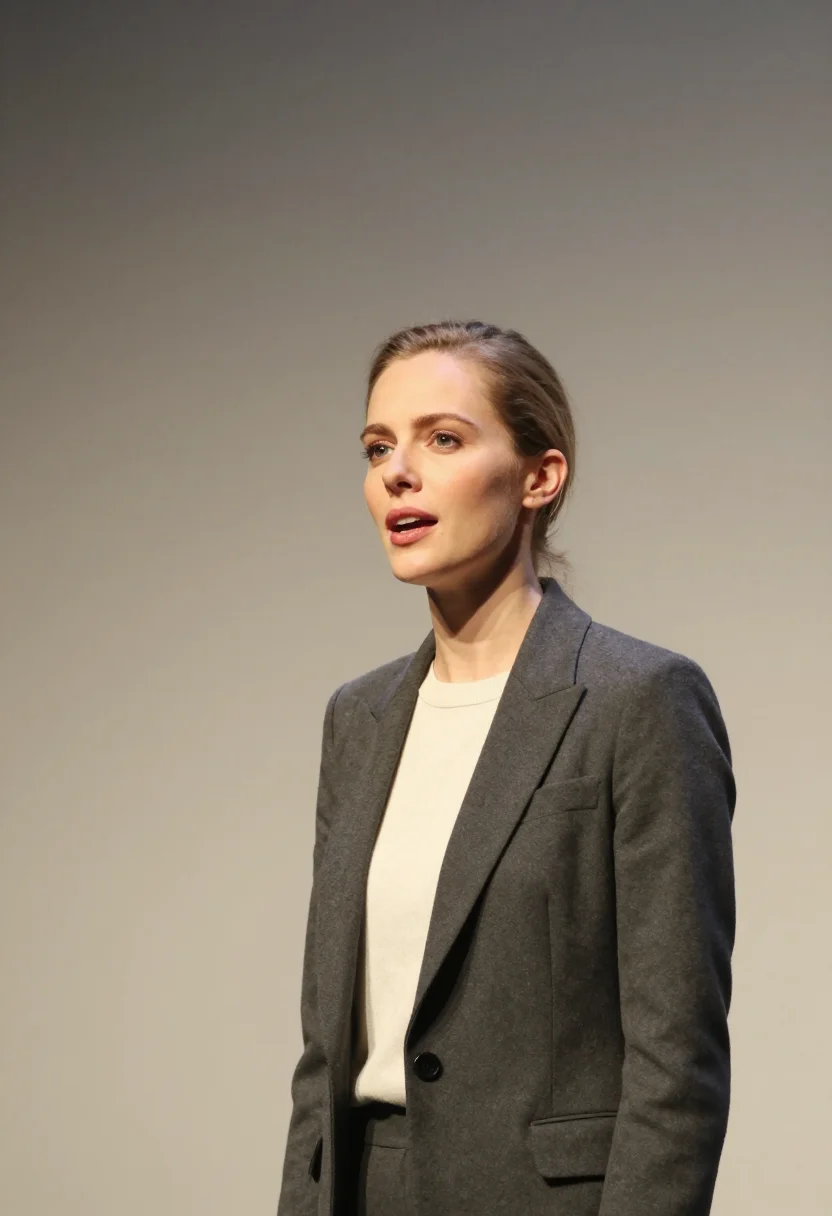
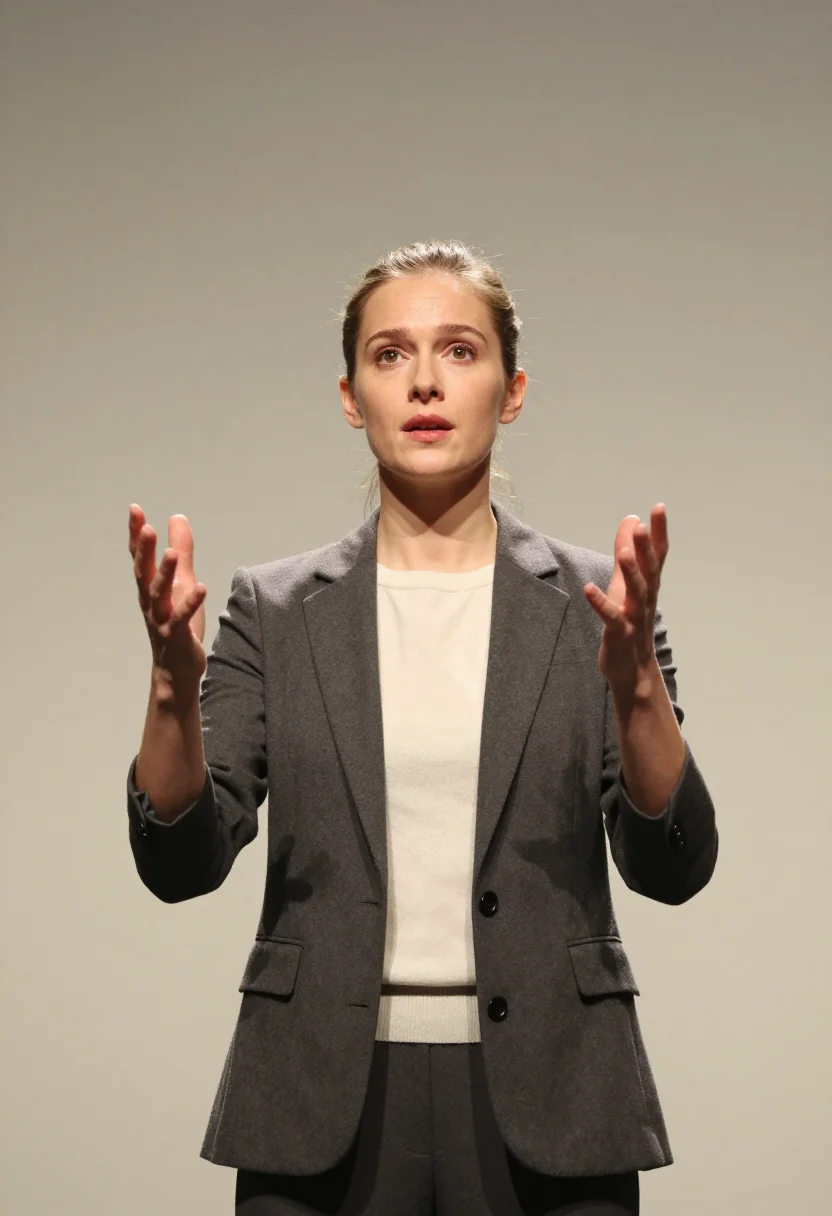
A public-speaker portrait has to carry a stage. Not the literal lectern — the bearing of someone mid-talk who holds a room. The pack draws on the visual language of the keynote circuit and the inspirational-speaker bureau: warm, frontal, open. Where a corporate headshot reads composed and still, the public-speaker portrait reads mid-sentence, hand in the air, light coming up from the stage. It is the photograph that sits on a speaker bureau roster next to twenty others and has to look like the one who closes the morning session.
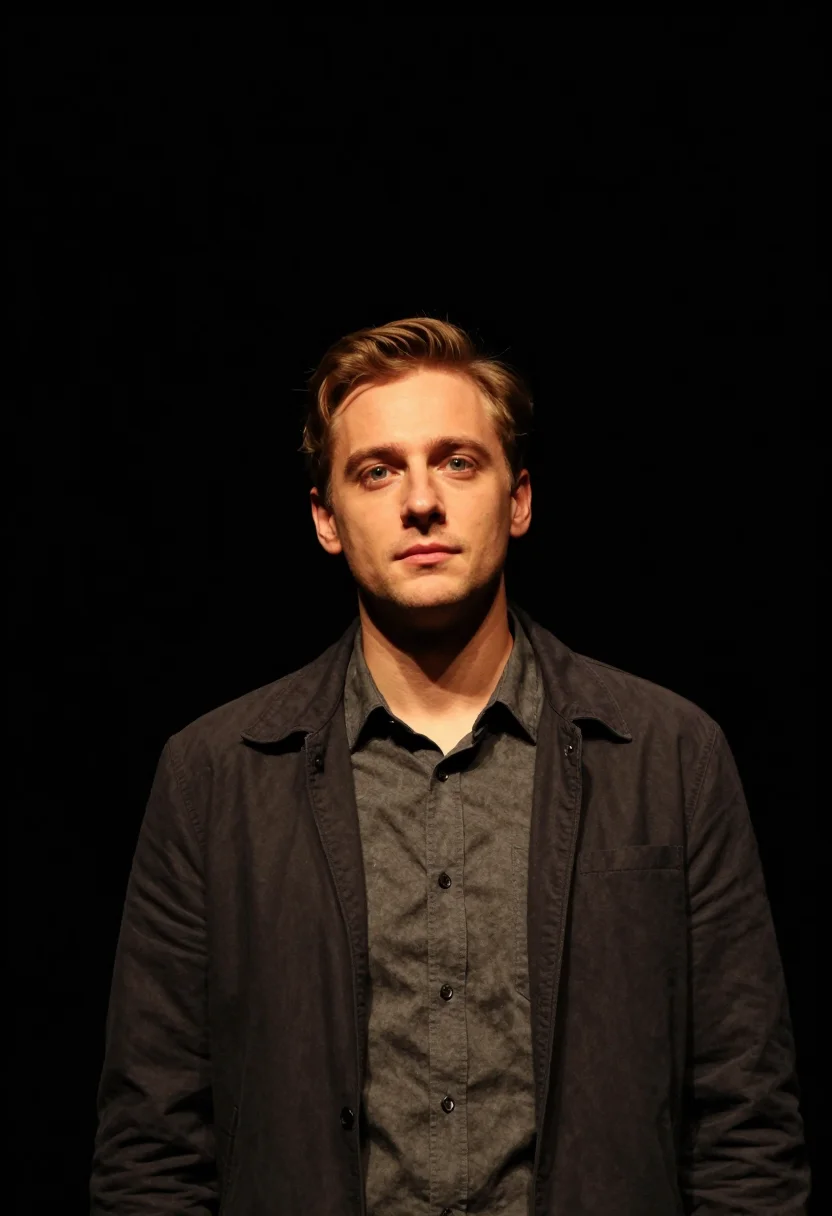
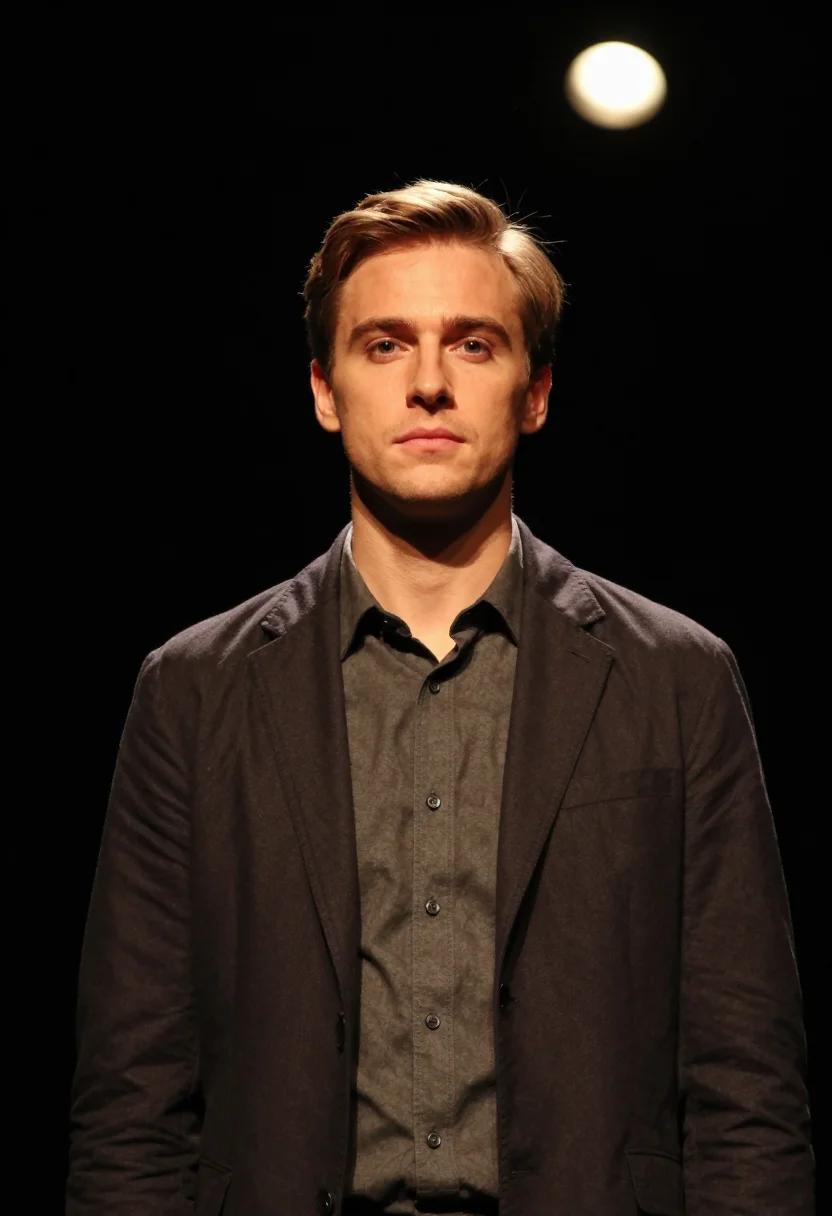
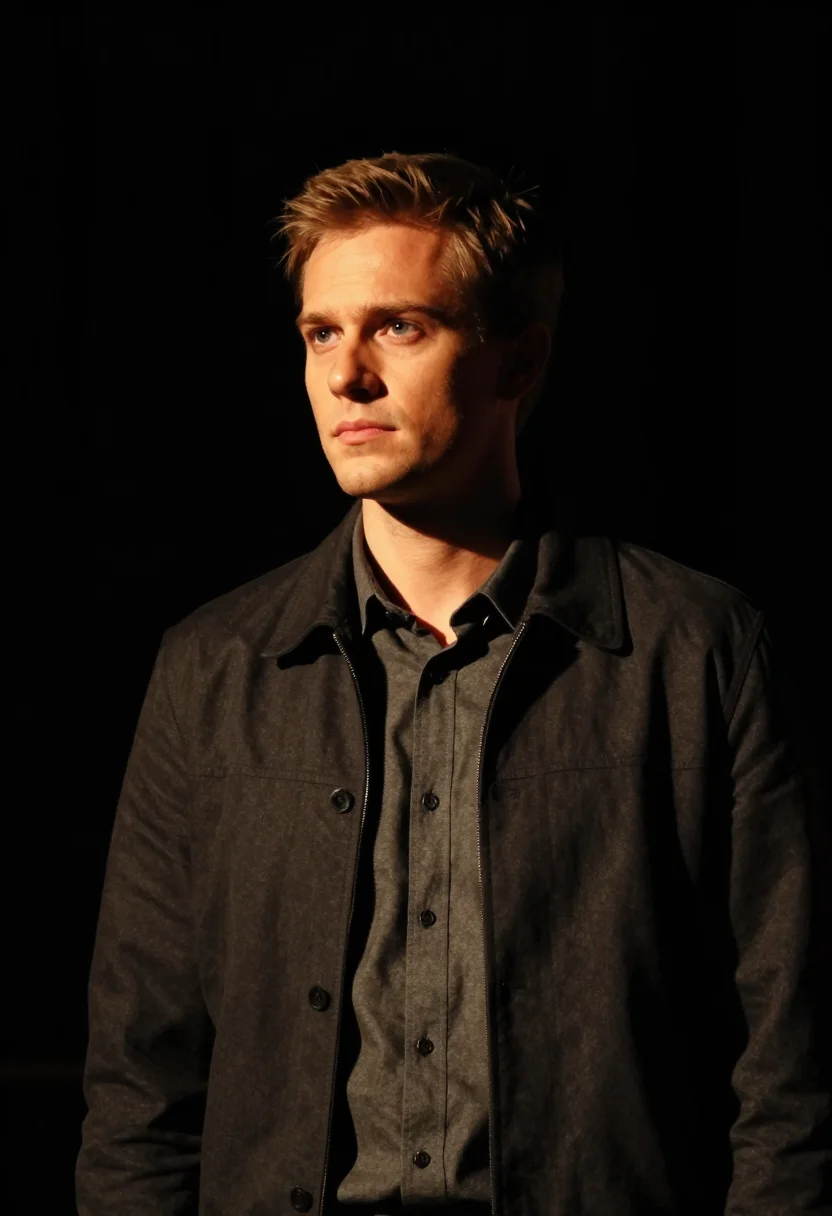
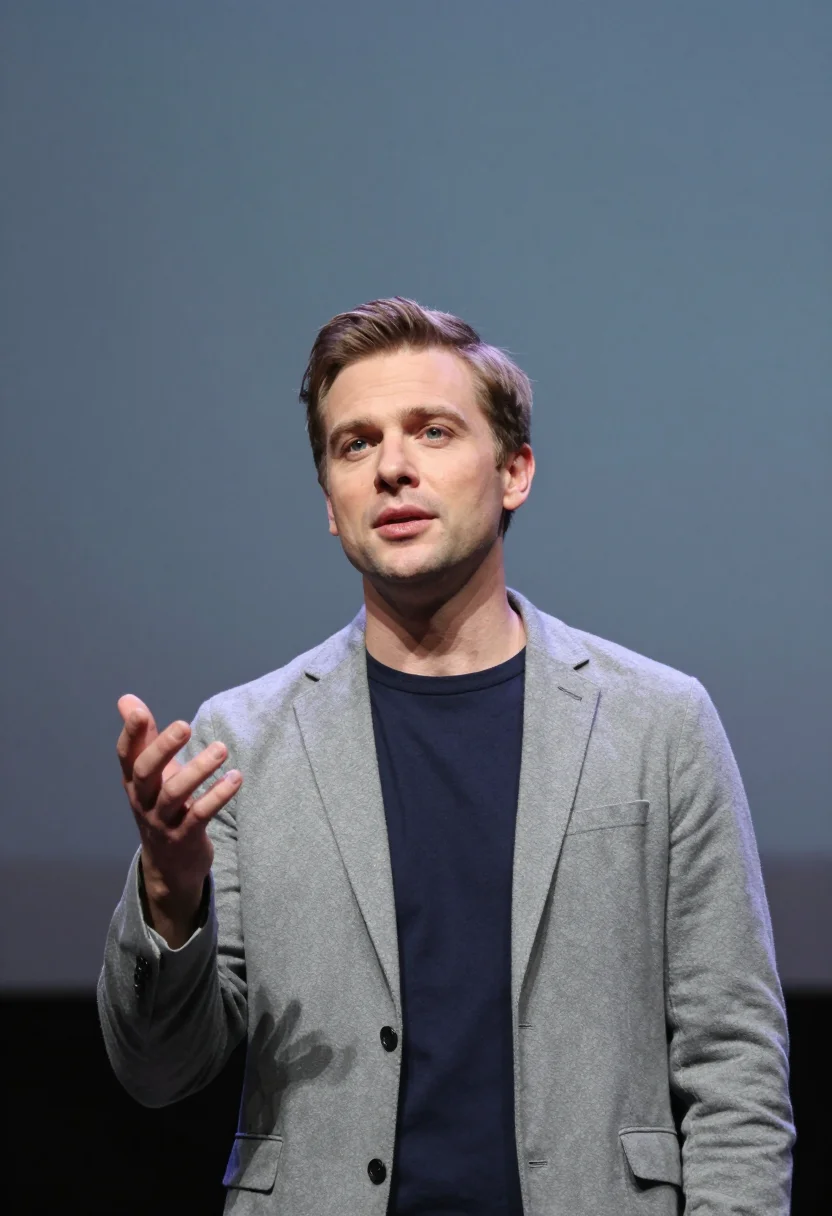
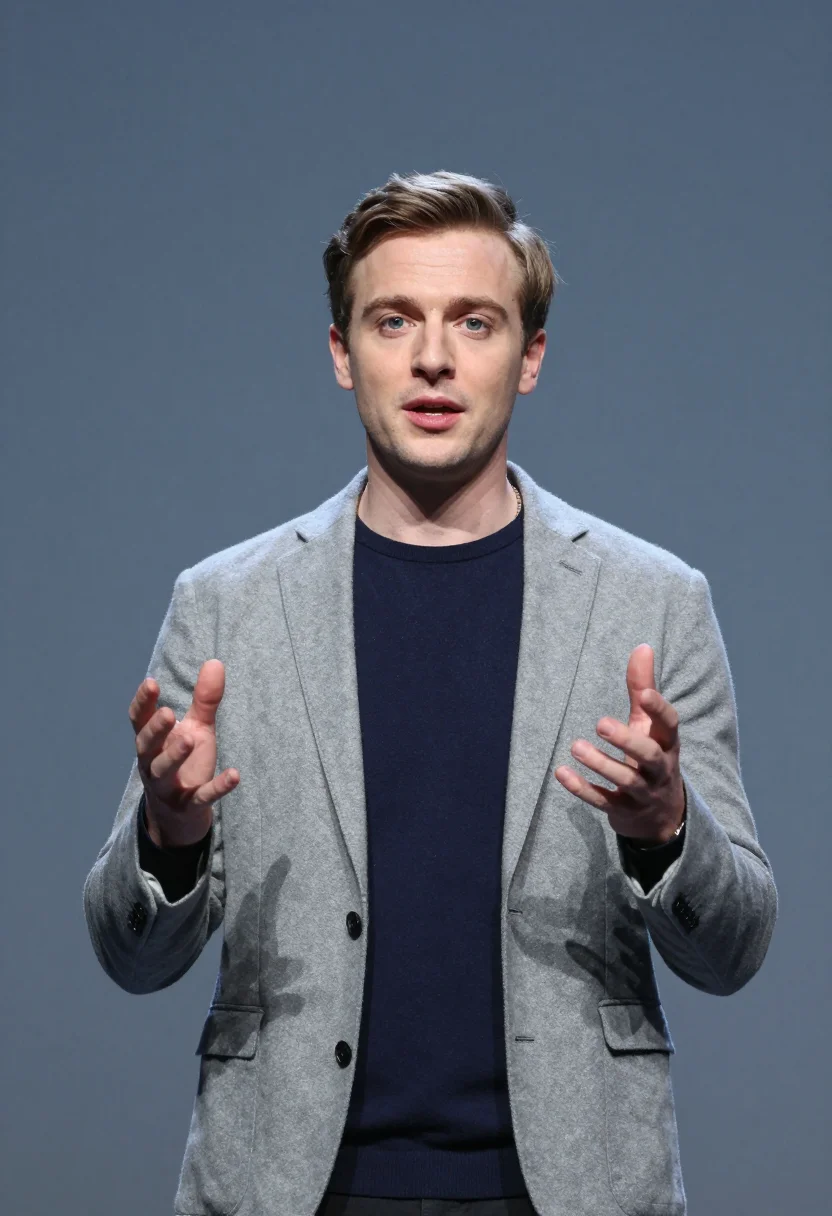
Technically that means three registers. A bright open-stage look — broad frontal key, high-key and warm, a wash of stage light behind the shoulder, the photograph of an approachable keynote in full flow. A warm single-spotlight look on a dark stage — one hard source pooling light on the brow and the turned cheek, the rest falling to deep shadow, the TED-style authority frame. And an open-stage mid-gesture look — balanced soft key, a cool defocused stage depth setting off the lit edge, hands moving. Every frame is a photograph of you, half-length, gaze composed and present rather than smiling — staged the way the speaking circuit is photographed when it is done on purpose.
How to photograph yourself for a public speaker portrait
One front-facing photo is enough. Better source photos make sharper speaker portraits. The free preview shows you the likeness in seconds, before you commit to anything.
- Soft light from one sideStand beside a window with indirect daylight — light on one side, gentle shadow on the other. Avoid overhead room lighting and phone flash; both flatten the face and fight the single-spotlight register.
- Front-facing at eye level, shoulders squaredCamera at eye level or just below. Shoulders to the lens, not turned away. The pack stages a half-length frontal frame — an angled or overhead source photo will fight that composition.
- Plain, uncluttered backgroundA neutral, non-patterned wall helps the AI isolate your face cleanly against the pack's staged backdrops. A busy background makes the separation harder.
- Speaker-appropriate clothingA clean blazer, a fine knit, or a collared shirt. The pack stages contemporary speaker attire; starting from similar clothing in your source photo makes the result read more consistent.
- A composed, present expressionThe way you look on stage just before you start — engaged and present, not a staged grin and not a blank stare. This matches the register better than a profile-photo smile.
Frequently asked questions
- What does the output actually look like — is it photorealistic?
- Photorealistic. The output is a photograph of you staged as a public speaker — not illustrated, not obviously AI-generated. Three registers: a bright open-stage look (broad warm frontal light, stage glow behind), a single-spotlight look on a dark stage (one hard source, deep shadow, TED-style authority), and an open-stage mid-gesture look (balanced soft light, cool defocused stage depth). The free preview streams in seconds so you can verify the likeness before you commit to anything.
- What's the difference between the free preview and the paid pack?
- The preview is one photo from your uploaded face, shown live in seconds so you can judge the likeness before you commit to anything. The paid pack is nine photos across the three stage registers — different crops, poses, gestures, and light, once your model is trained — 12–20 photos, and we email you when your model is ready. €9,99, about ten seconds a portrait.
- How is this different from a standard professional or LinkedIn headshot?
- A LinkedIn or business headshot is all-purpose: neutral backdrop, composed and still. The public speaker pack stages you mid-talk — warm stage light, an open gesture, the bearing of someone holding a room. If you need a default profile photo, start with the LinkedIn pack; this one is for people actively on the speaking circuit who need a portrait that reads as 'on stage'.
- How does this differ from the conference speaker pack?
- The conference speaker pack leans editorial and tech-conference — lectern, lavalier mic, backstage portrait, cooler and more restrained. The public speaker pack leans warmer and more performative: bright open stage, a single warm spotlight, mid-gesture energy — the keynote-and-bureau register rather than the tech-conference one. If you speak across many event types, the two complement each other.
- Does the pack work for women? For speakers of any background?
- Yes. The prompts do not hard-code gender; the pack adapts to your face. The wardrobe across all three registers reads as contemporary speaker attire across genders, and the AI renders it as it fits the person in your photo.
- Can I use these commercially — on a bureau profile, a poster, a thumbnail?
- Yes. The output is yours, full-resolution and unwatermarked. Use it for speaker bureau profiles, event promotional materials, talk-announcement graphics, podcast and video art, and social media. See the terms for the full scope.
- What happens to the photo I upload?
- Your preview photo is processed on European servers. Training photos train only your model — delete your model and they go with it.
When the public speaker pack fits
- For a speaker bureau roster or agency profile portrait that has to hold its own next to twenty others.
- For a keynote or motivational-speaker bio on your own site or a conference programme page.
- For a talk-announcement graphic or social post when a speaking engagement goes live.
- For a TEDx, industry-summit, or corporate-event speaker portrait that reads as 'on stage', not 'on LinkedIn'.
- For a coaching, training, or workshop-leader profile where you want stage presence rather than desk-side approachability.
- For a podcast cover, webinar still, or YouTube thumbnail with a warm, stage-lit speaker look.
- For a press kit or media-quote portrait accompanying a speaking announcement.
- For refreshing a speaker headshot that reads as too static for a stage context.
About narcis
Most AI portrait tools ship every pose, profession, era, and aesthetic in one giant catalog. The output looks like every other AI photo on the internet — a glaze over a stock face. Narcis goes the other way. One tool, one job: turn photos of you into portraits worth keeping. Drop a selfie and your free preview streams in seconds — a quick sketch: close, not you yet. For portraits that are truly you, train your own model on 12 to 20 photos; it trains in the background, and we email you when it is ready. Train once, render everywhere — this pack, every other pack, and the Studio all come out of that one model, about ten seconds a portrait, and it stays yours to retrain or delete. Each pack is hand-curated against actual references — paintings, photographers, registers — and tested on real faces before it ships. See a free preview before you pay, not after. Packs are one-time — no subscription to buy one; Studio, the unlimited composer, is optional at €12/month and every pack includes 30 days of it. No template generator. Built and run by one team, on our own infrastructure.
All images are AI-generated. By using this service, you confirm you are 18+, that any face photo you upload is your own or used with explicit consent. Full Terms